1842 - 1852
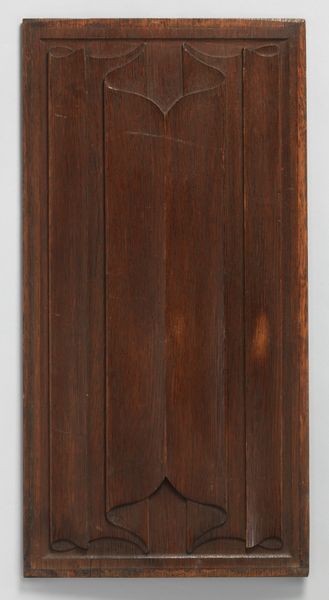
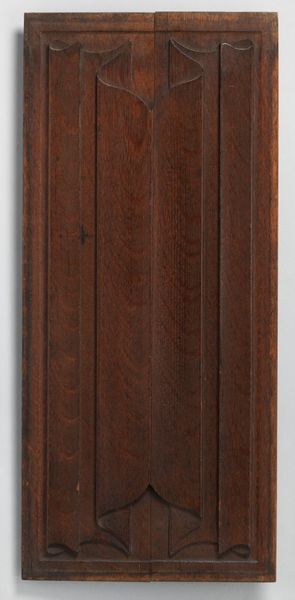
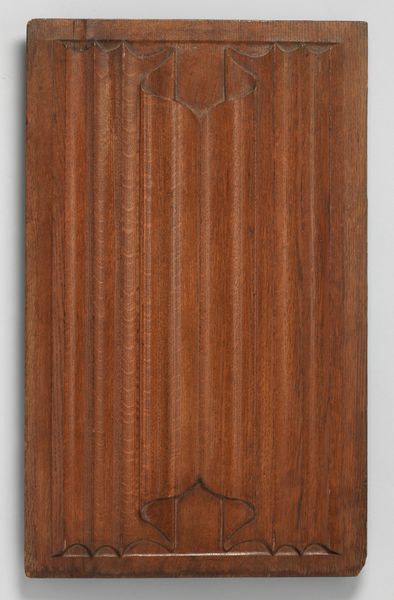
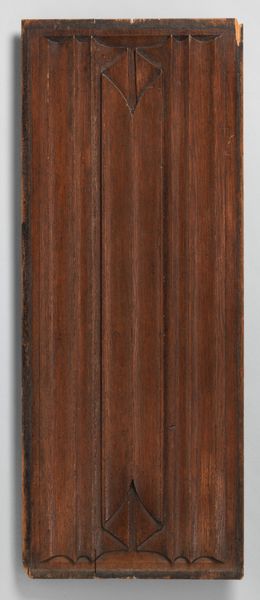
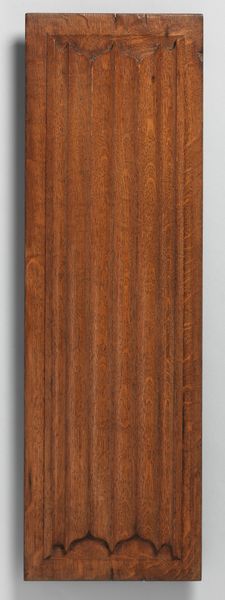
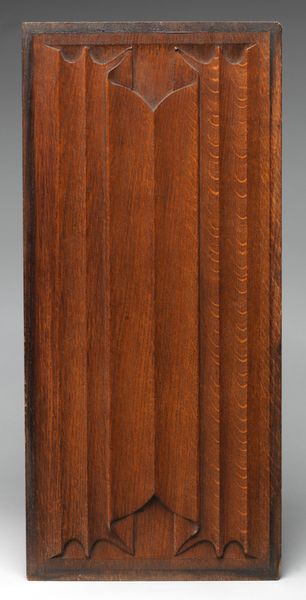
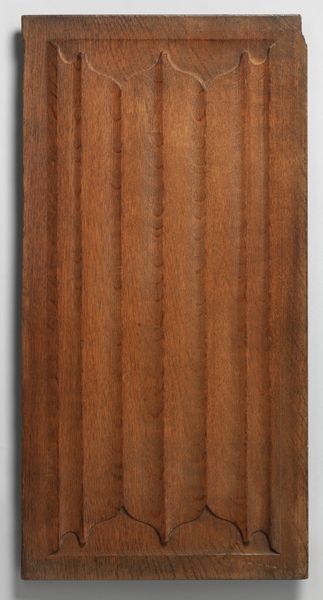
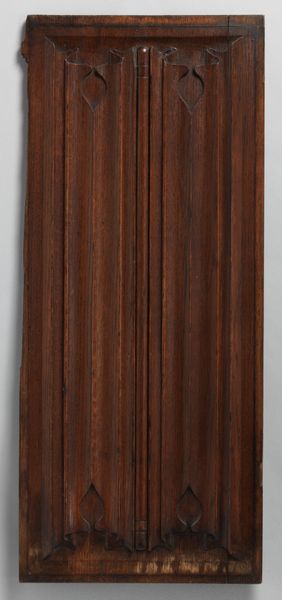
Panel from the Palace of Westminster

Augustus Welby Northmore Pugin
1812 - 1852
The Metropolitan Museum of Art
Metropolitan Museum of Art, New York, NYListen to curator's interpretation
Curatorial notes
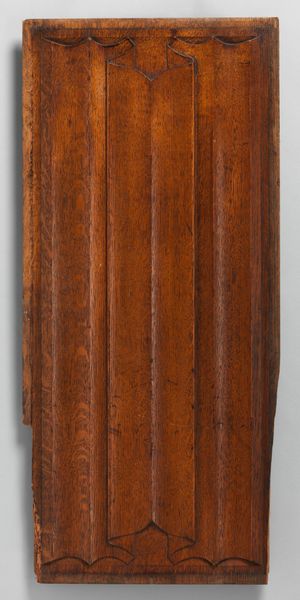
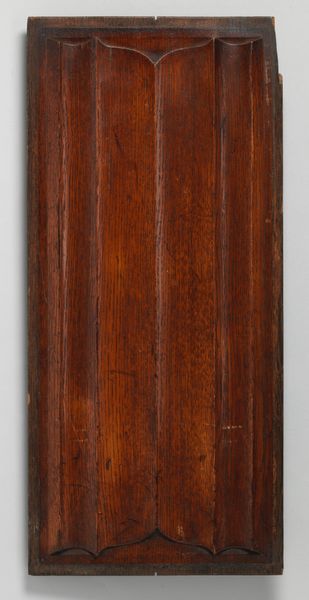
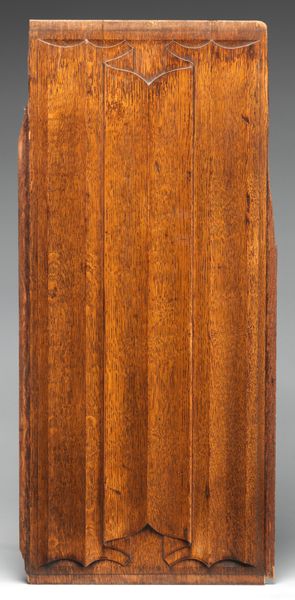
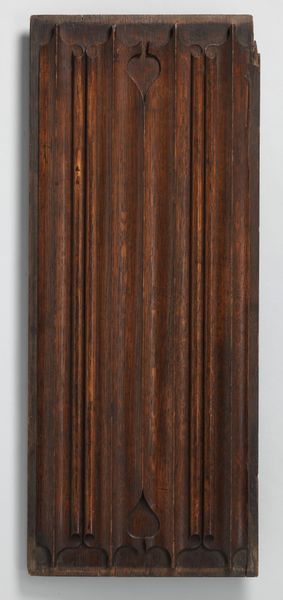
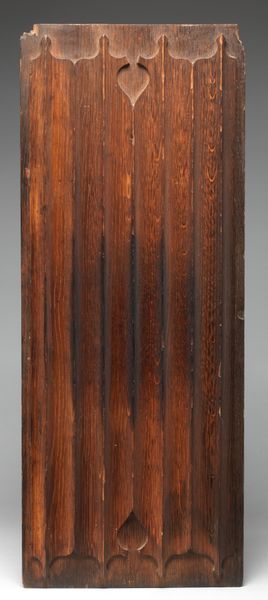
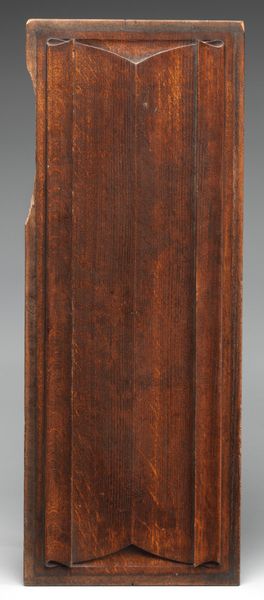
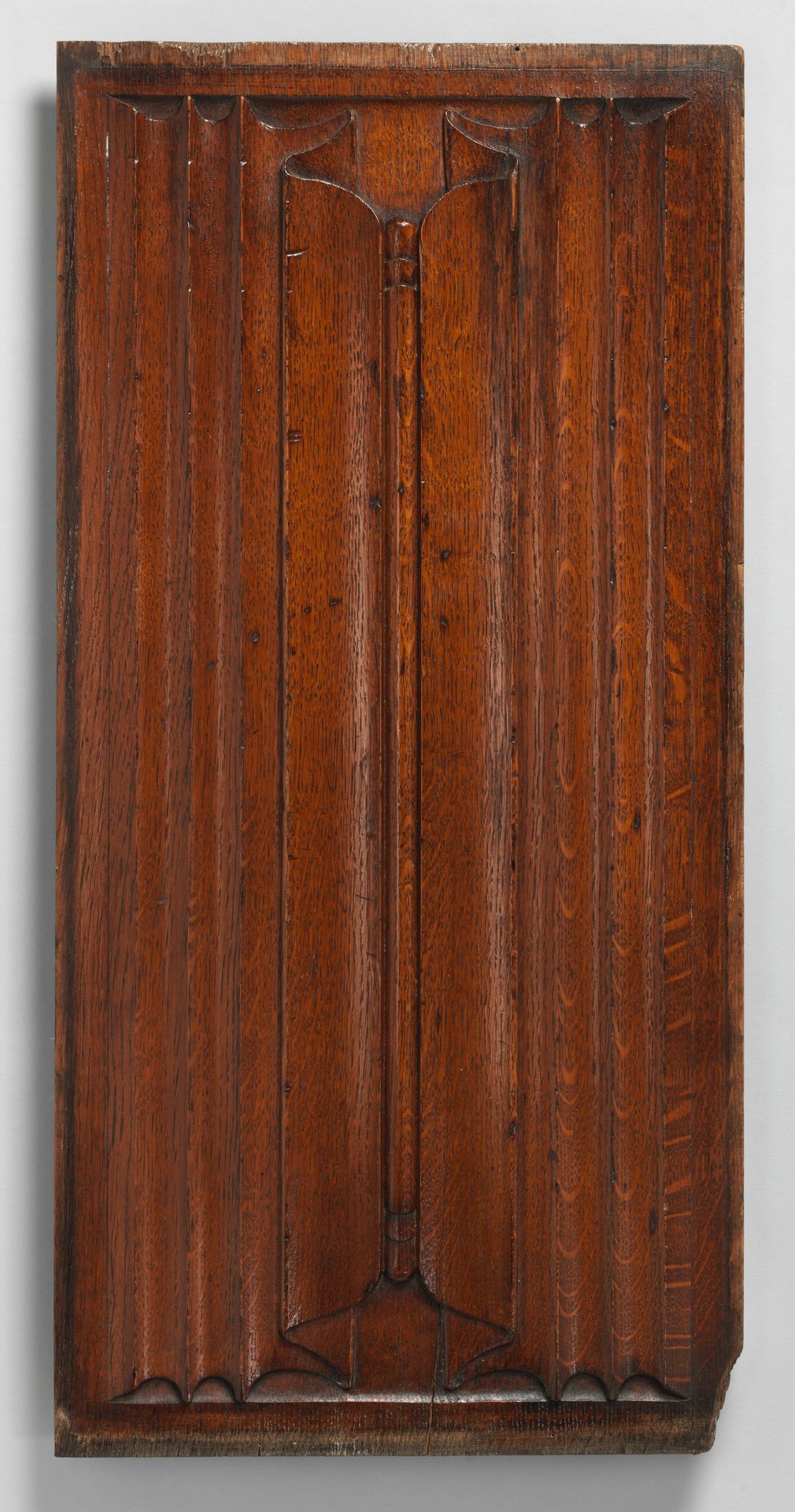
Augustus Welby Northmore Pugin crafted this panel for the Palace of Westminster using oak. The surface, a warm brown, displays vertical ribs separated by deep channels, creating a rhythmic play of light and shadow. The eye is drawn to the stylized floral motif running vertically along the central axis of the panel. The pattern can be understood through semiotic analysis, where the verticality and symmetry evoke a sense of order and hierarchy, typical of Gothic Revival design. Pugin, a staunch advocate for this style, believed in the moral integrity of Gothic forms, seeing them as reflections of divine order. The panel's structure echoes the architectural principles of the Palace itself. It invites us to consider how historical styles can be reinterpreted and imbued with new meanings, reflecting ongoing cultural and philosophical dialogues. The texture and materiality of the wood function aesthetically and as part of a larger cultural statement. It shows Pugin’s philosophical beliefs through design.