About this artwork
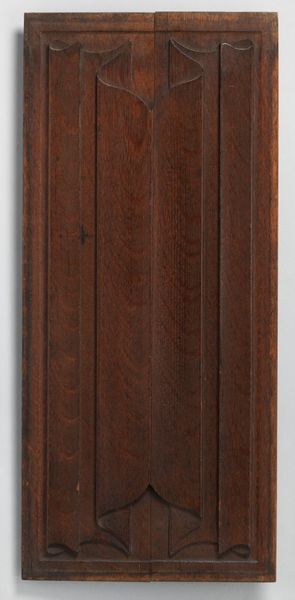
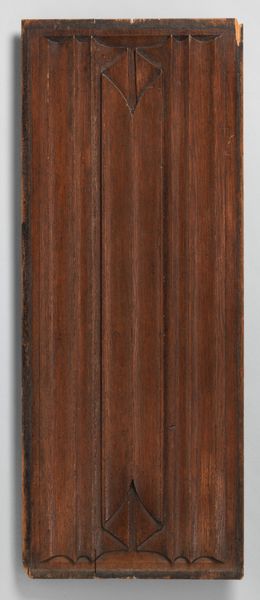
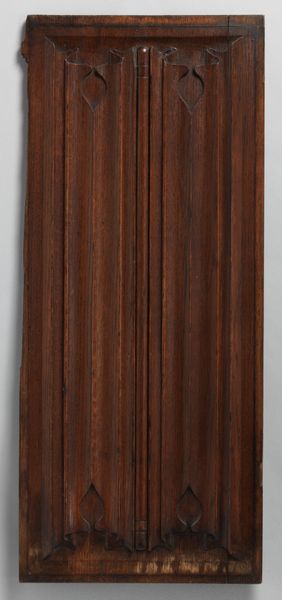
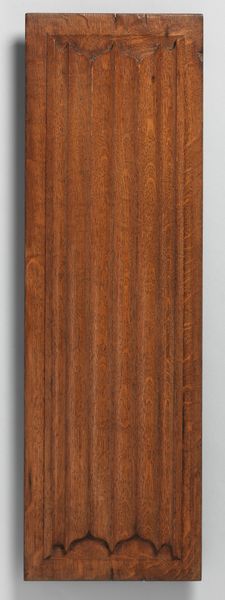
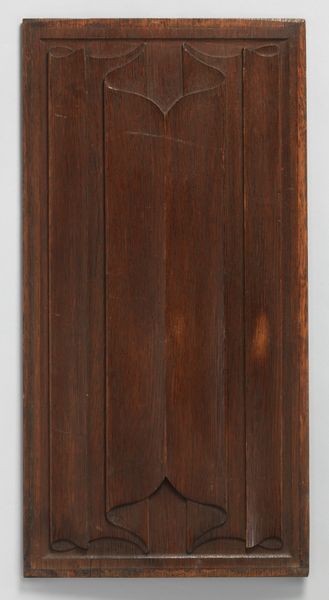
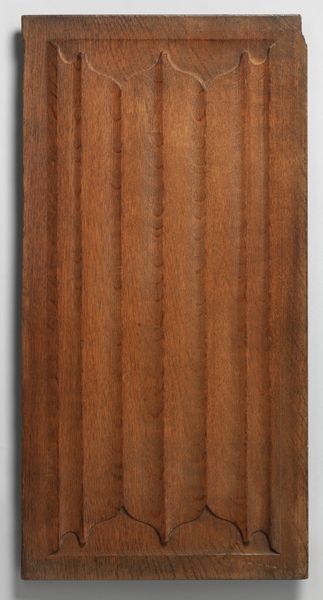
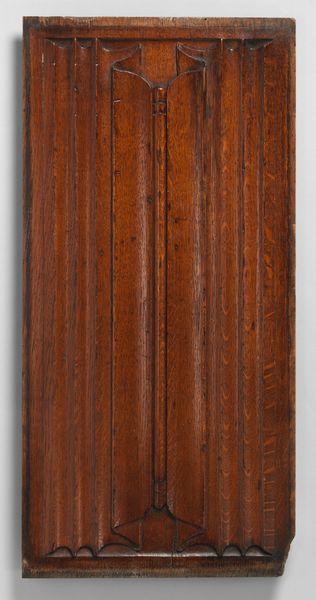
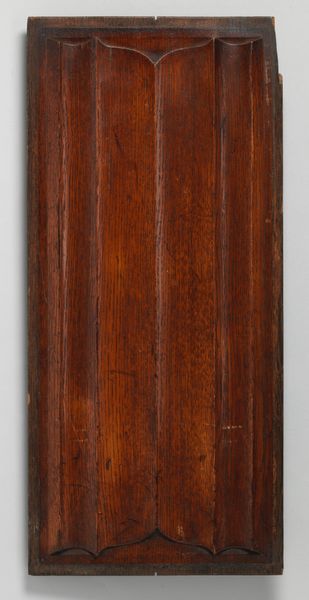
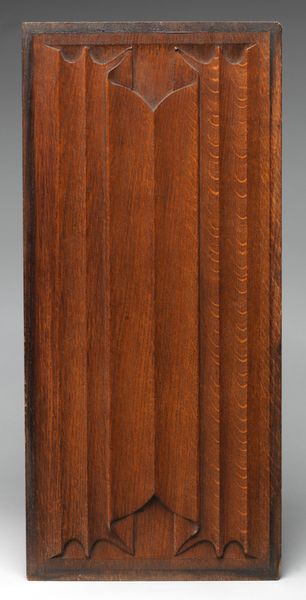
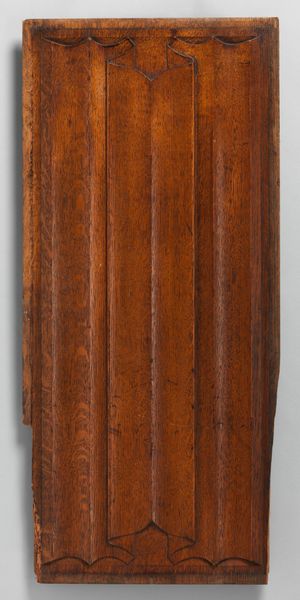
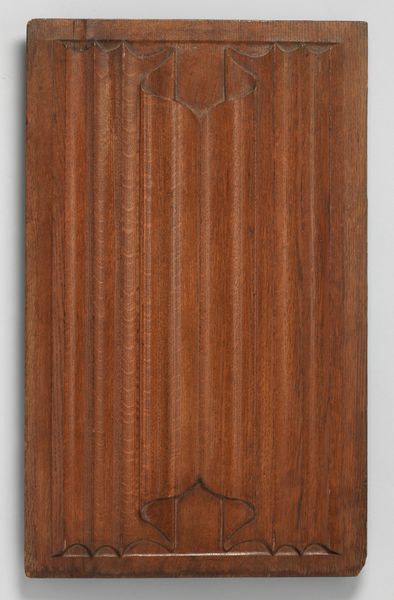
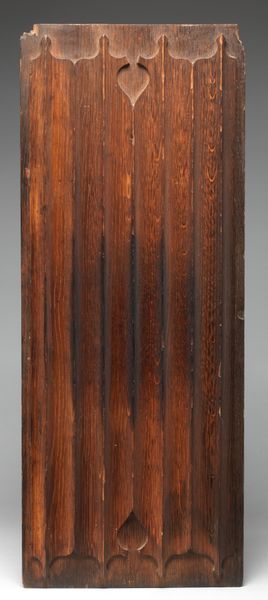
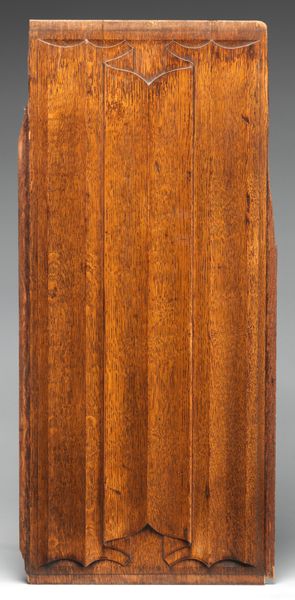
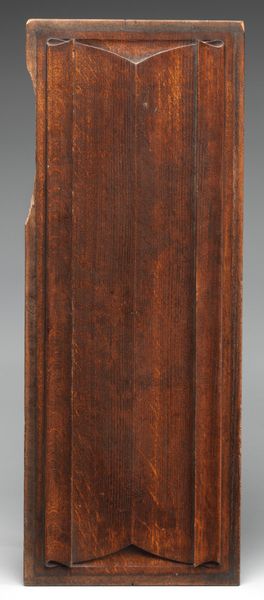
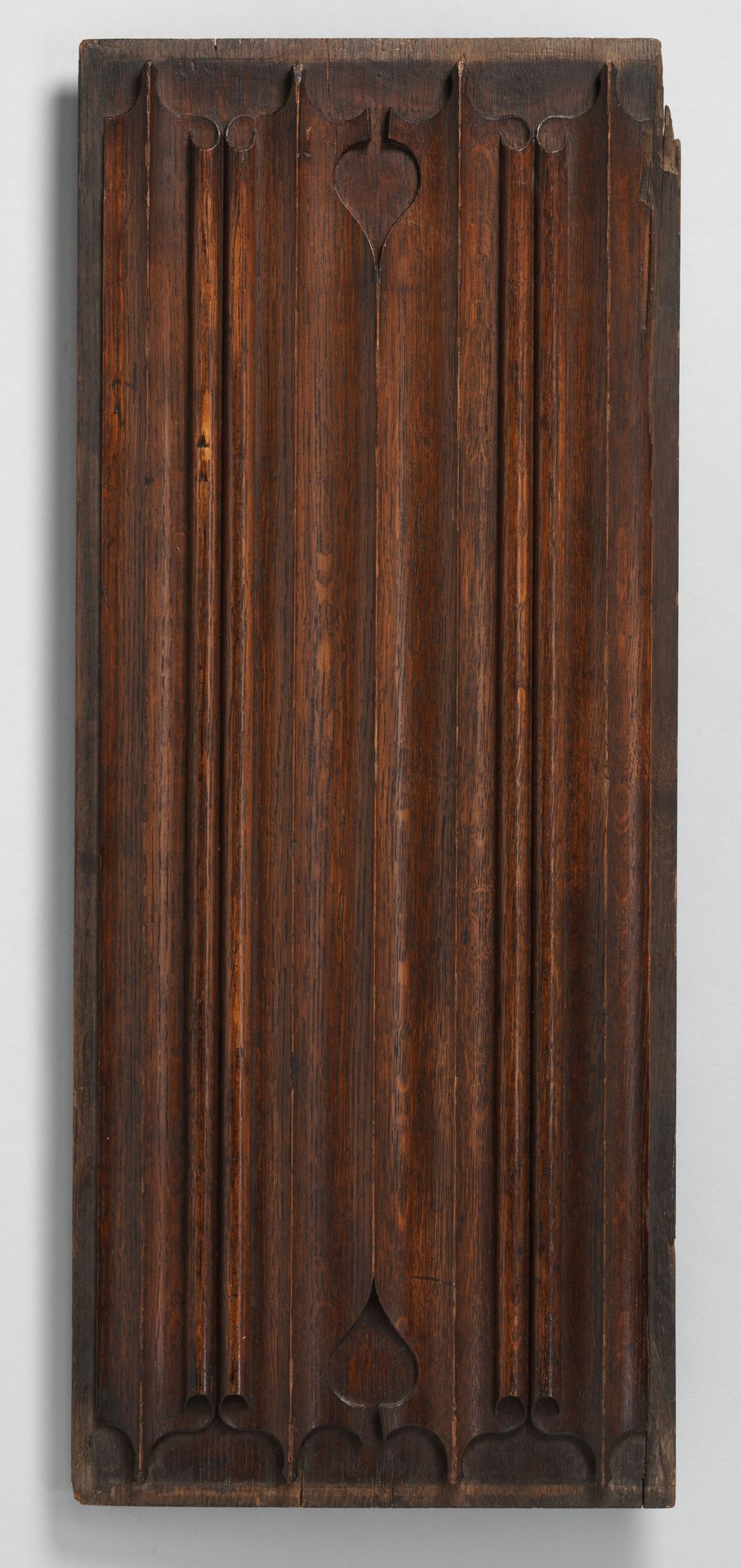
This is a section of decorative paneling made of wood, designed by the English architect Augustus Welby Northmore Pugin for the Palace of Westminster. Pugin was a leading figure in the Gothic Revival movement in England and the panel reflects his strong belief that the pointed arch and other features of Gothic architecture were inherently Christian and morally superior to classical forms. In the 1830s and 40s, this belief became a kind of cultural protest. It was a way to critique the industrial revolution, the French revolution, and the general turn toward secular values that defined the early 19th century. The panel’s original location in the Palace of Westminster speaks to the way that Gothic Revival was often associated with a nostalgic image of the medieval era, of pre-industrial England. Understanding Pugin’s work, and the role of this panel, requires archival work into the architectural and cultural history of 19th century Britain. It calls us to reflect on the ways that institutions use art to bolster their authority.
Decorative paneling from the Palace of Westminster
1840s - 1850s

Augustus Welby Northmore Pugin
1812 - 1852
The Metropolitan Museum of Art
Metropolitan Museum of Art, New York, NYArtwork details
- Dimensions
- Overall (confirmed): 26 1/4 × 13 13/16 × 7/8 in. (66.7 × 35.1 × 2.2 cm)
- Location
- Metropolitan Museum of Art, New York, NY
- Copyright
- Public Domain
Comments
Share your thoughts
About this artwork
This is a section of decorative paneling made of wood, designed by the English architect Augustus Welby Northmore Pugin for the Palace of Westminster. Pugin was a leading figure in the Gothic Revival movement in England and the panel reflects his strong belief that the pointed arch and other features of Gothic architecture were inherently Christian and morally superior to classical forms. In the 1830s and 40s, this belief became a kind of cultural protest. It was a way to critique the industrial revolution, the French revolution, and the general turn toward secular values that defined the early 19th century. The panel’s original location in the Palace of Westminster speaks to the way that Gothic Revival was often associated with a nostalgic image of the medieval era, of pre-industrial England. Understanding Pugin’s work, and the role of this panel, requires archival work into the architectural and cultural history of 19th century Britain. It calls us to reflect on the ways that institutions use art to bolster their authority.
Comments
Share your thoughts