1840s - 1850s
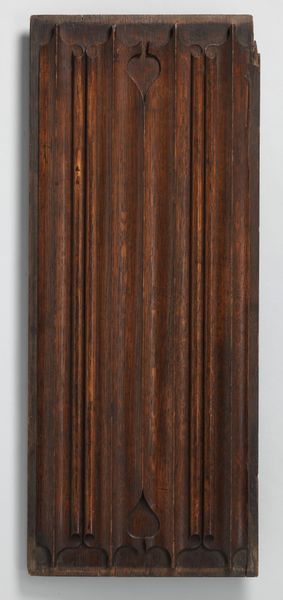
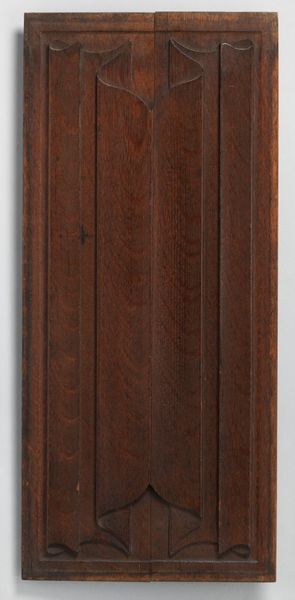
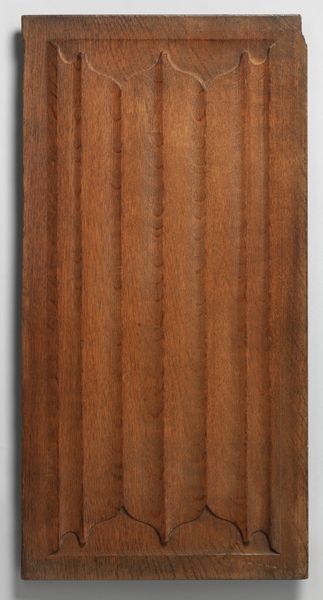
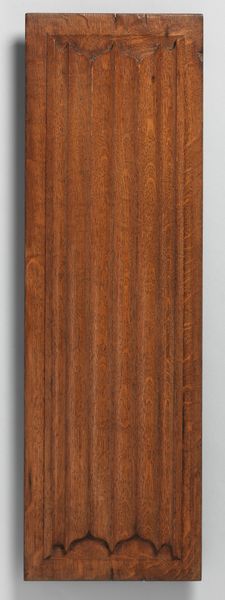
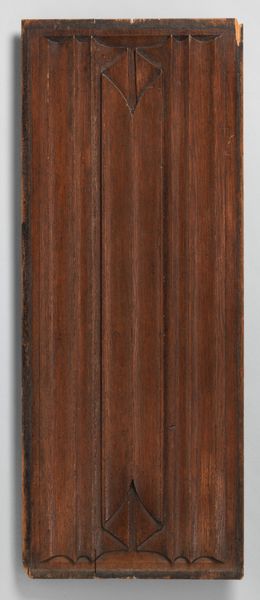
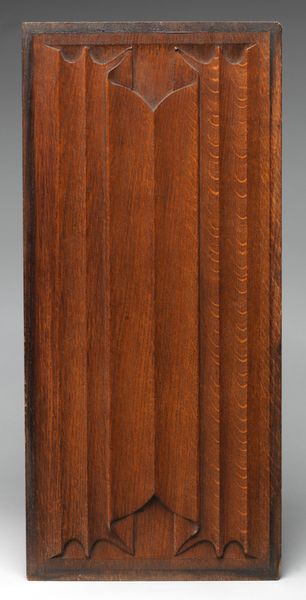
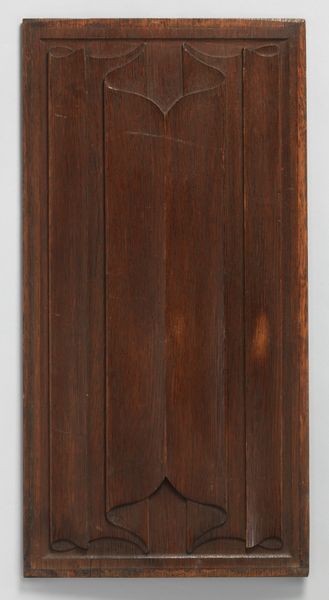
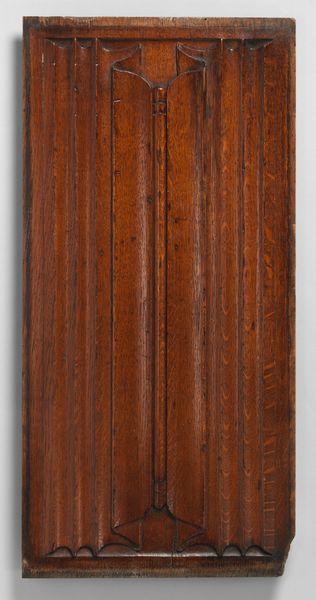
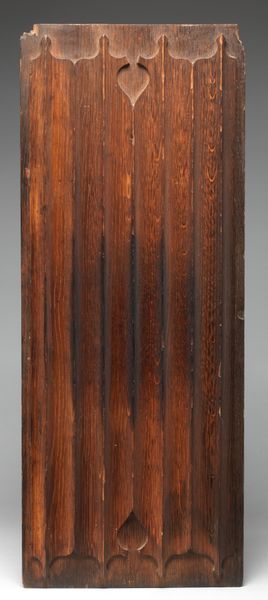
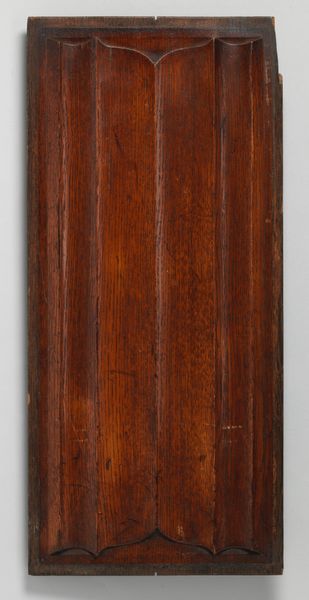
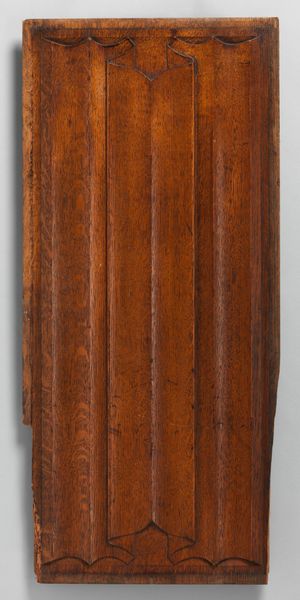
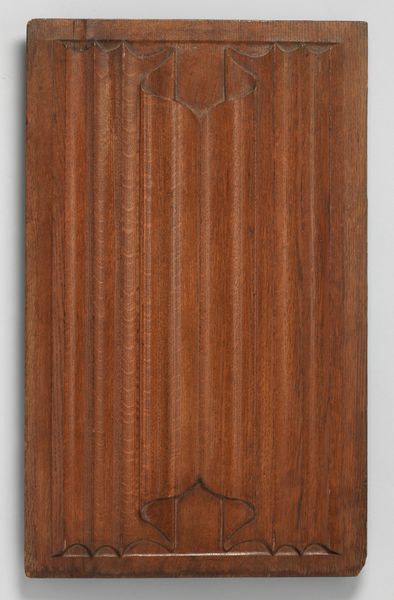
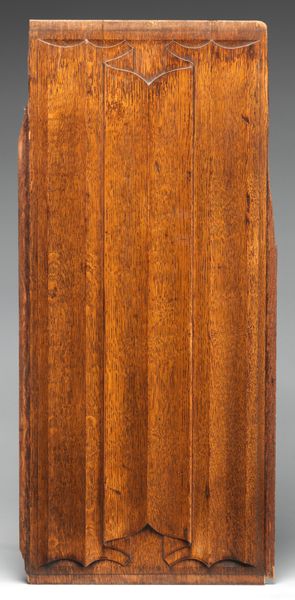
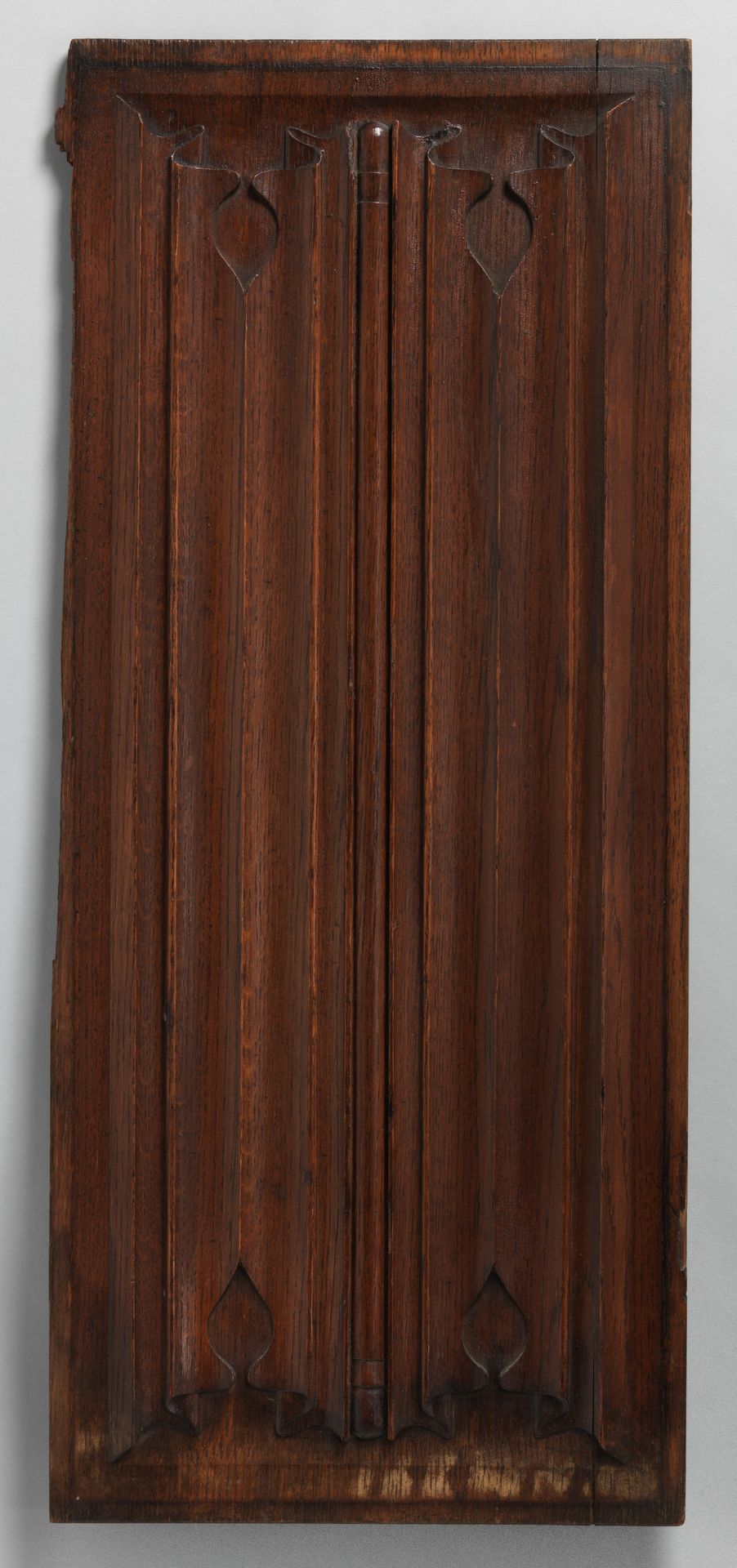
Decorative paneling from the Palace of Westminster

Augustus Welby Northmore Pugin
1812 - 1852
The Metropolitan Museum of Art
Metropolitan Museum of Art, New York, NYListen to curator's interpretation
Curatorial notes
This decorative paneling, crafted by Augustus Welby Northmore Pugin, once adorned the Palace of Westminster. It offers us a glimpse into the cultural and political climate of 19th-century Britain. Pugin, a leading figure in the Gothic Revival movement, believed that the architecture of the medieval period reflected a morally superior society. Parliament commissioned the rebuilding of the Palace of Westminster after the fire of 1834. Pugin used Gothic motifs to evoke a sense of tradition, stability, and national identity and in doing so sought to visually reinforce the power and authority of the British government. This paneling is a potent symbol of the Victorian era's fascination with the past. By studying architectural drawings, letters, and parliamentary records, we can better understand the social and institutional forces that shaped the design of the Palace of Westminster and its role in constructing a national narrative. Art like this serves as a reminder that the meaning of objects is always contingent on their historical context.