About this artwork
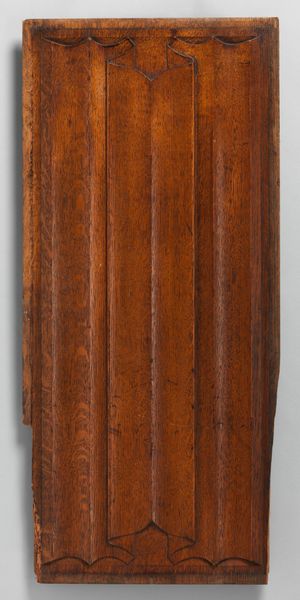
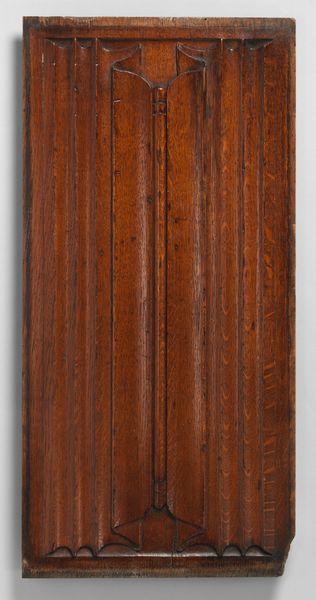
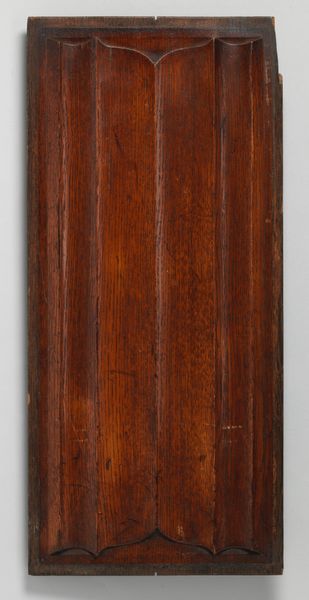
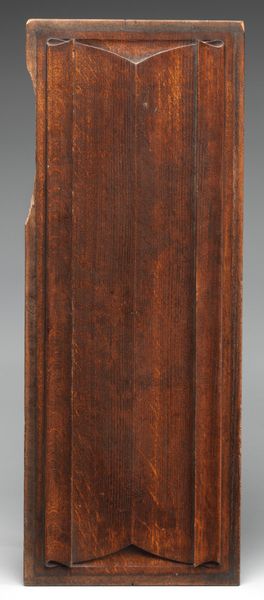
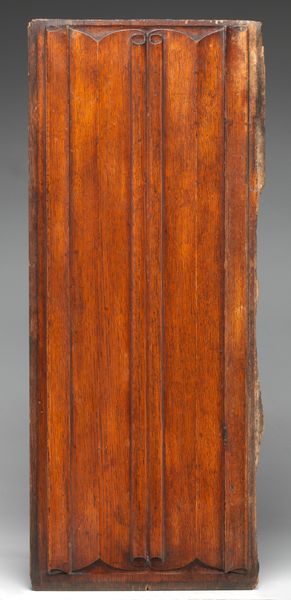
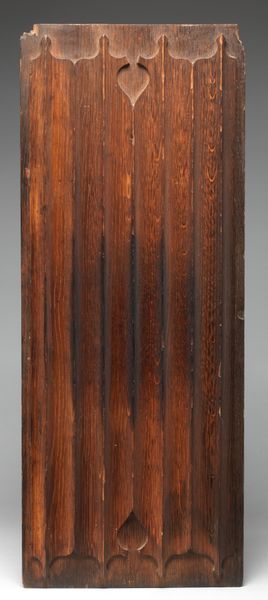
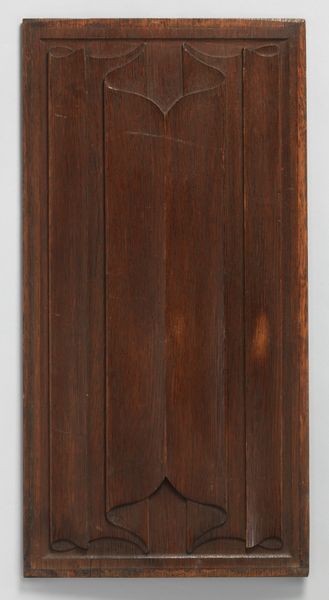
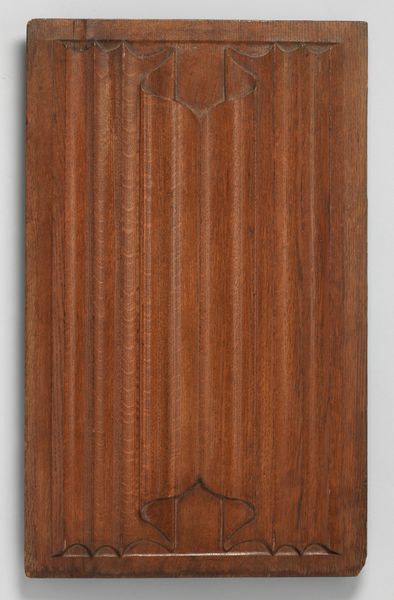
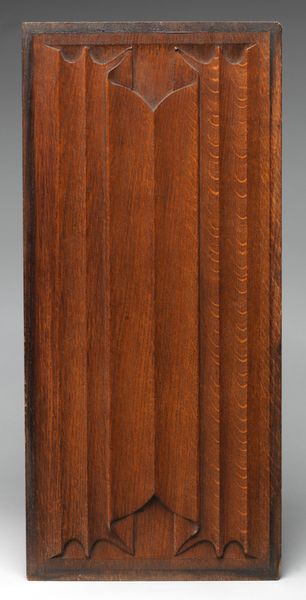
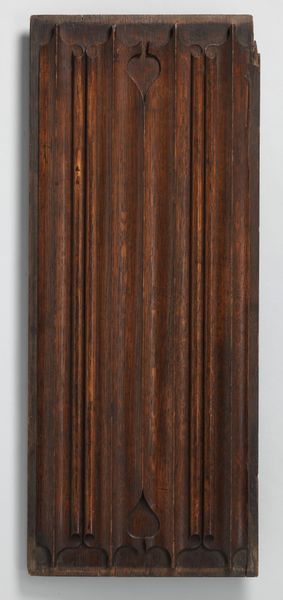
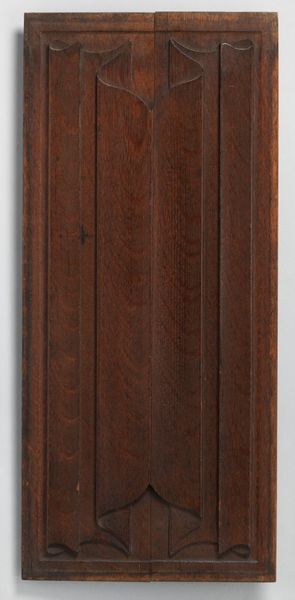
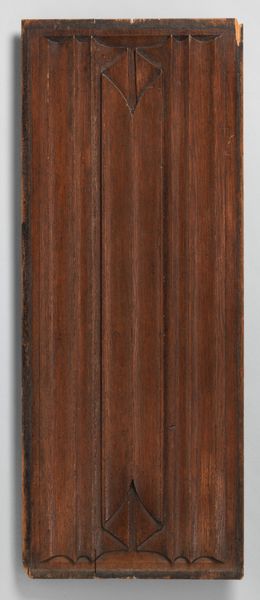
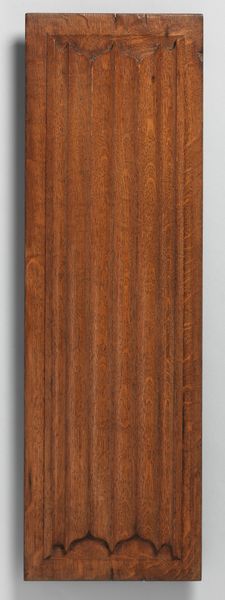
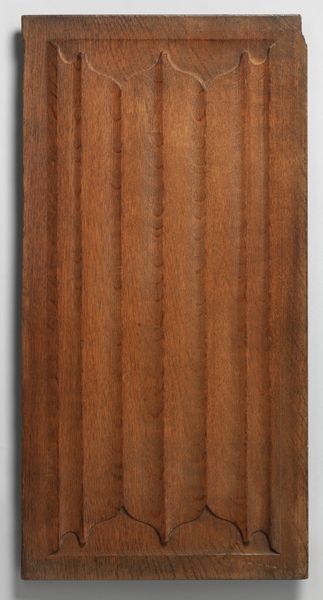
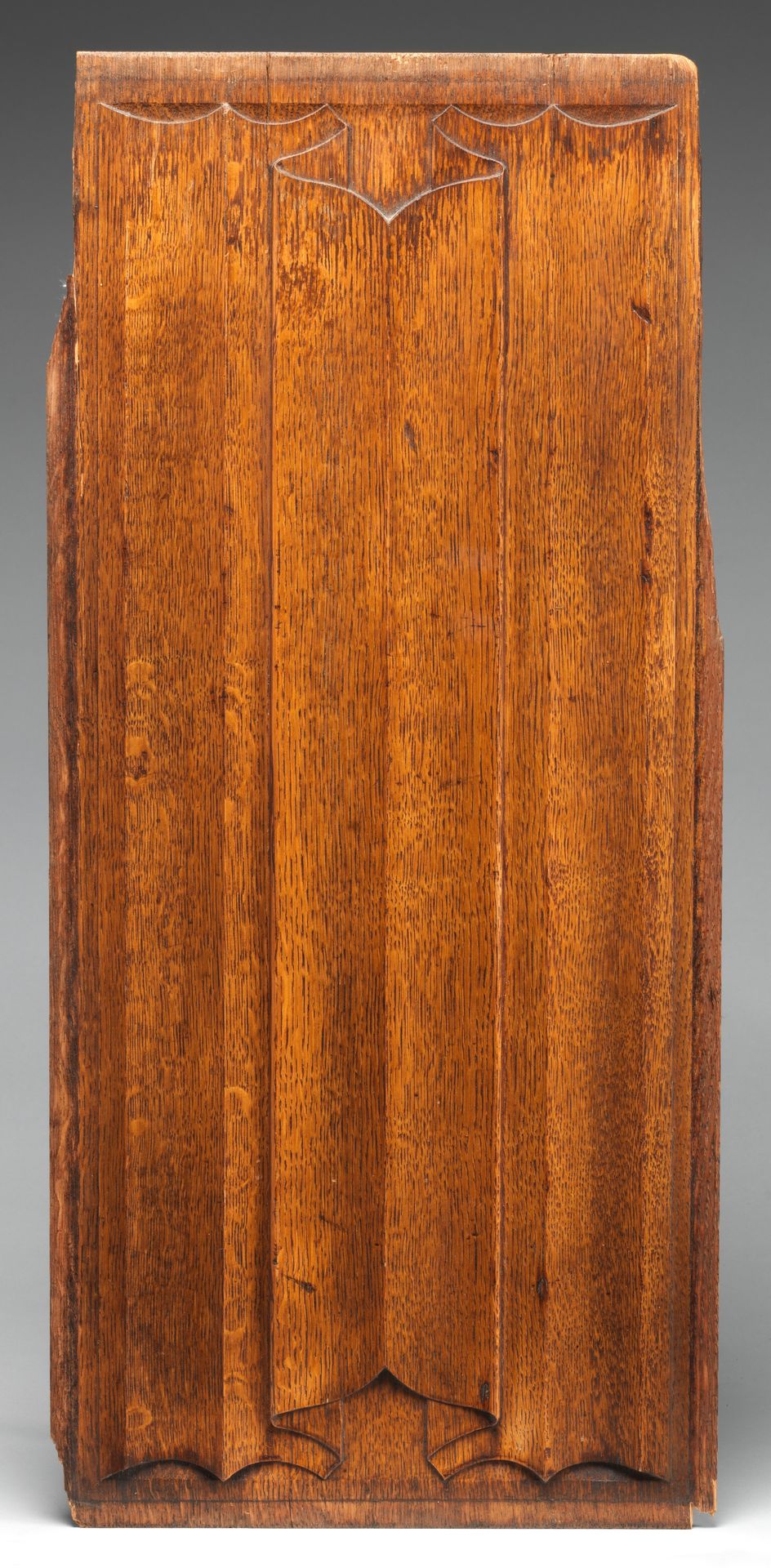
This is a wooden panel by Augustus Welby Northmore Pugin, part of the Palace of Westminster. The panel is made from oak, a traditional material. It showcases the inherent qualities of wood, its grain, texture, and warm color. Pugin's design embraces the qualities of the timber through carving. The design follows a gothic style, with vertical lines and pointed arches that were carved into the surface. The process of creating such a panel, back in Pugin's time, involved skilled labor, and these panels were likely produced in workshops, involving apprentices and craftsmen. This division of labor reflects the era's social and economic structures. Looking at this panel, we can appreciate the handcraft, the work, and the relationship between art, design, and society. By understanding the materials, making, and context, we gain a fuller appreciation of its historical significance and cultural value.
Panel from the Palace of Westminster
1842 - 1852

Augustus Welby Northmore Pugin
1812 - 1852
The Metropolitan Museum of Art
Metropolitan Museum of Art, New York, NYArtwork details
- Dimensions
- Overall (confirmed): 25 × 11 3/8 × 5/8 in. (63.5 × 28.9 × 1.6 cm)
- Location
- Metropolitan Museum of Art, New York, NY
- Copyright
- Public Domain
Comments
Share your thoughts
About this artwork
This is a wooden panel by Augustus Welby Northmore Pugin, part of the Palace of Westminster. The panel is made from oak, a traditional material. It showcases the inherent qualities of wood, its grain, texture, and warm color. Pugin's design embraces the qualities of the timber through carving. The design follows a gothic style, with vertical lines and pointed arches that were carved into the surface. The process of creating such a panel, back in Pugin's time, involved skilled labor, and these panels were likely produced in workshops, involving apprentices and craftsmen. This division of labor reflects the era's social and economic structures. Looking at this panel, we can appreciate the handcraft, the work, and the relationship between art, design, and society. By understanding the materials, making, and context, we gain a fuller appreciation of its historical significance and cultural value.
Comments
Share your thoughts