About this artwork
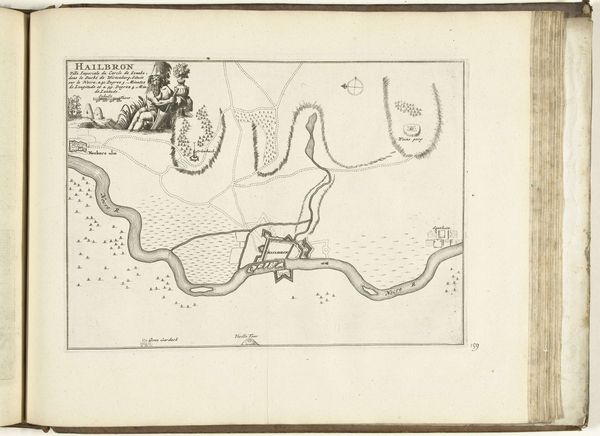
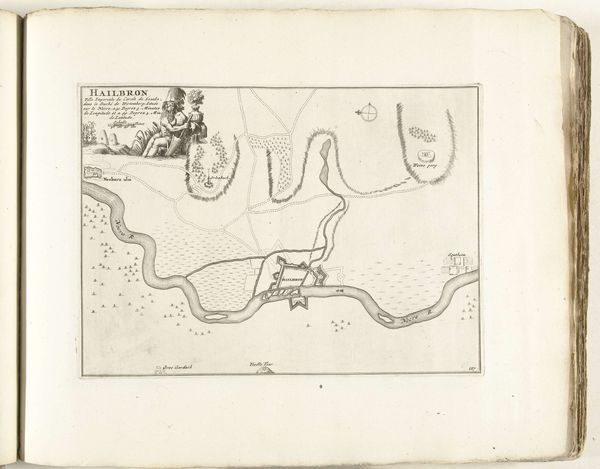
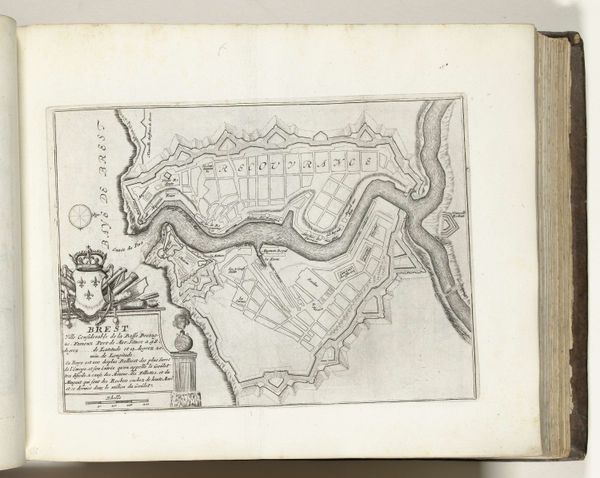
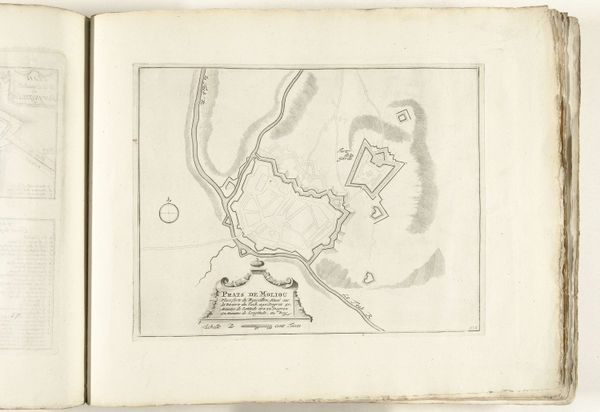
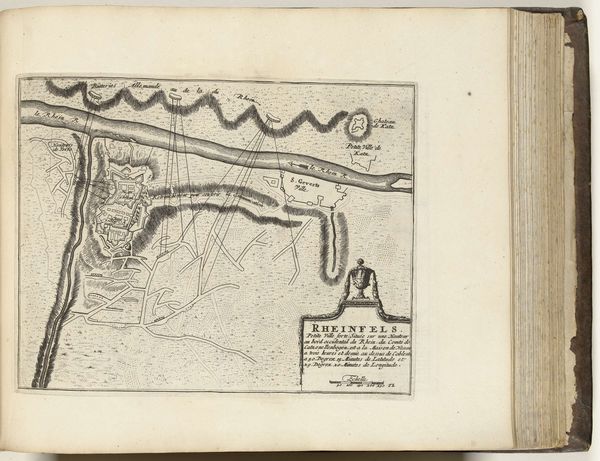
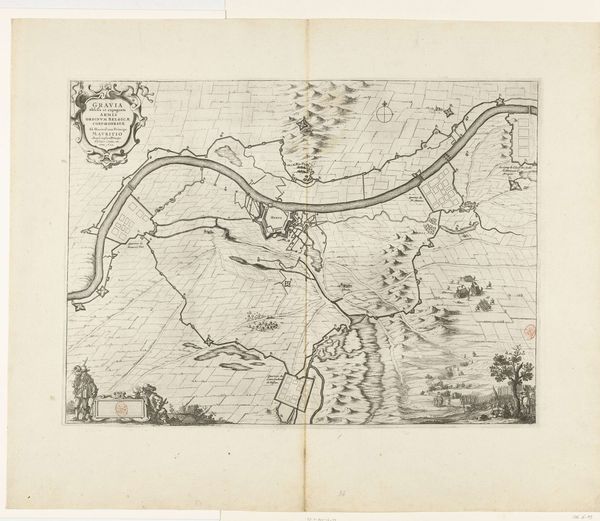
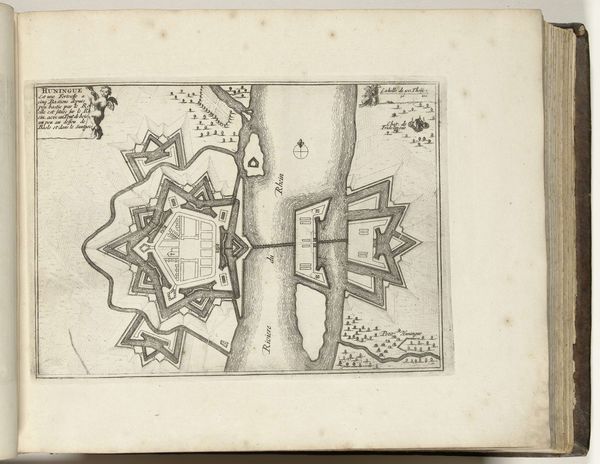
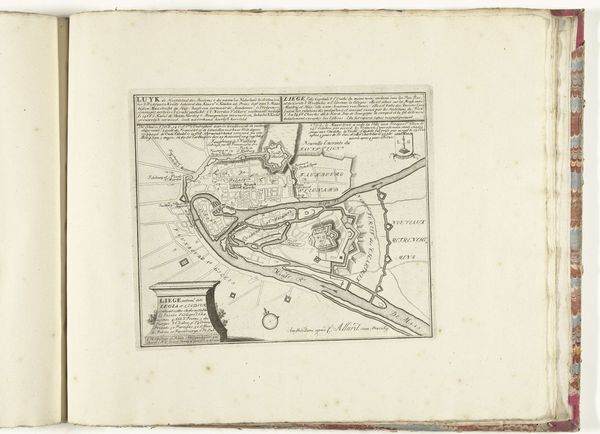
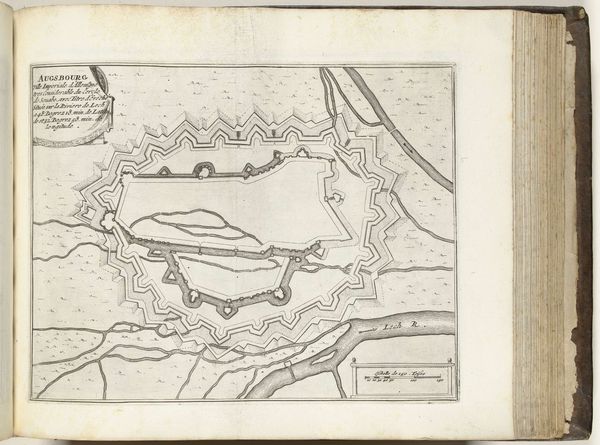
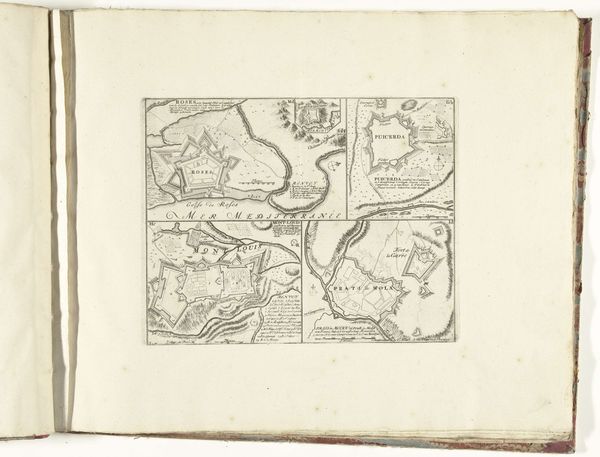
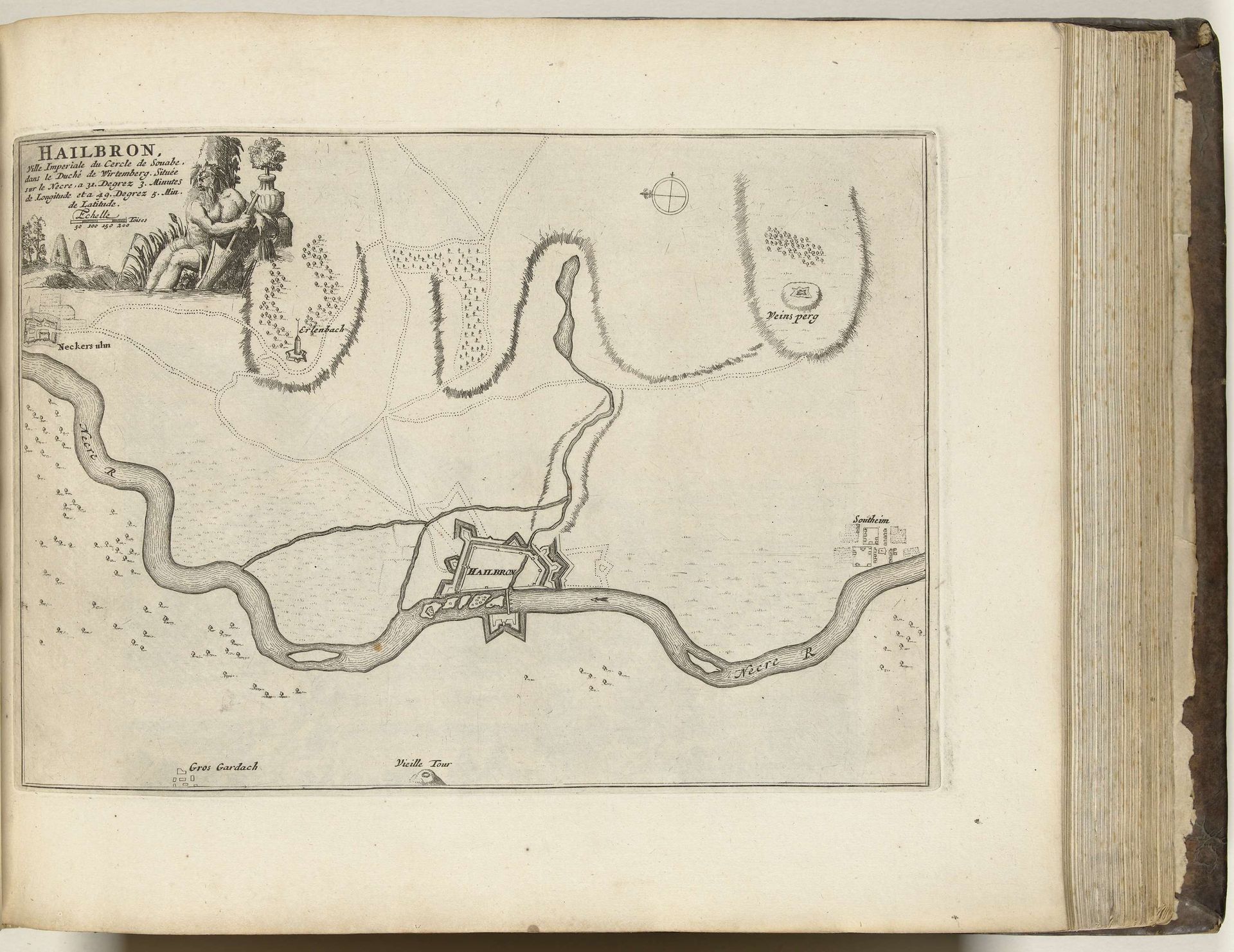
This is an ink drawing, made around 1693 to 1696 by an anonymous artist, depicting a plan of Heilbronn, in modern-day Germany. The image shows the city surrounded by fortifications and natural barriers. The cultural references are mainly military and strategic, typical of the late 17th century when the balance of power in Europe was constantly challenged in a series of wars. The position of the city along the river Neckar influenced its economic and defensive capabilities. Heilbronn, as a Free Imperial City, possessed certain autonomy within the Holy Roman Empire. Maps like these were not just geographical tools; they symbolized power, control, and civic pride. The details included reflect an institutional desire to project an image of strength and order. The historian helps us to understand the social conditions that shaped artistic production by consulting archives, comparing different maps, and studying the political history of the city. The meaning of this artwork is contingent on its social and institutional context.

Artwork details
- Medium
- drawing, print, paper, ink
- Dimensions
- height 212 mm, width 301 mm
- Location
- Rijksmuseum
- Copyright
- Rijks Museum: Open Domain
Tags
drawing
medieval
landscape
paper
ink
geometric
pen-ink sketch
cityscape
history-painting
academic-art
Comments
Be the first to share your thoughts about this work.
About this artwork
This is an ink drawing, made around 1693 to 1696 by an anonymous artist, depicting a plan of Heilbronn, in modern-day Germany. The image shows the city surrounded by fortifications and natural barriers. The cultural references are mainly military and strategic, typical of the late 17th century when the balance of power in Europe was constantly challenged in a series of wars. The position of the city along the river Neckar influenced its economic and defensive capabilities. Heilbronn, as a Free Imperial City, possessed certain autonomy within the Holy Roman Empire. Maps like these were not just geographical tools; they symbolized power, control, and civic pride. The details included reflect an institutional desire to project an image of strength and order. The historian helps us to understand the social conditions that shaped artistic production by consulting archives, comparing different maps, and studying the political history of the city. The meaning of this artwork is contingent on its social and institutional context.
Comments
Be the first to share your thoughts about this work.