About this artwork
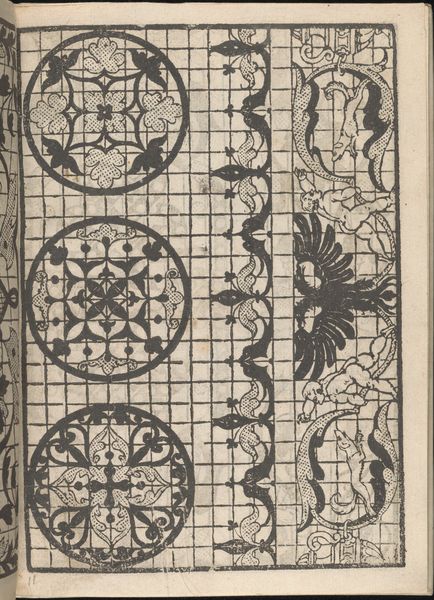
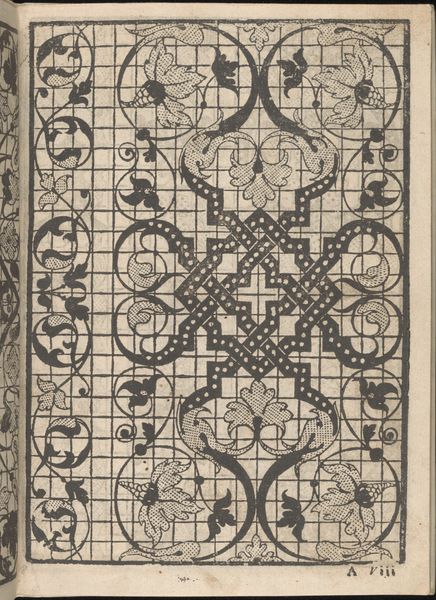
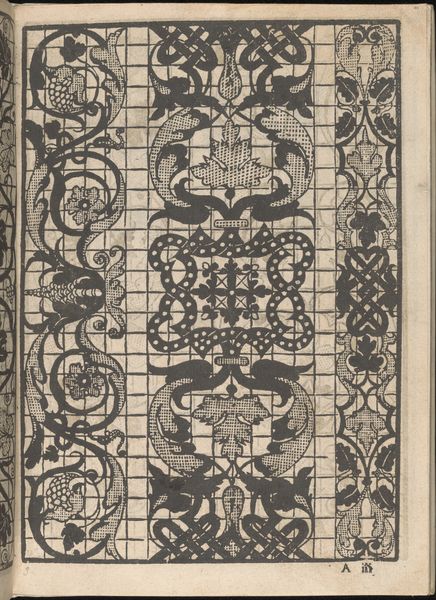
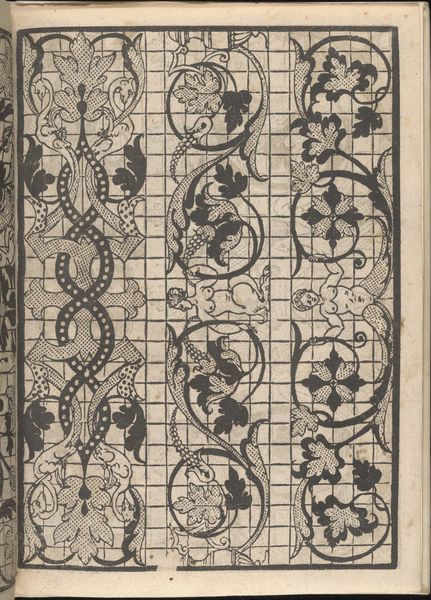
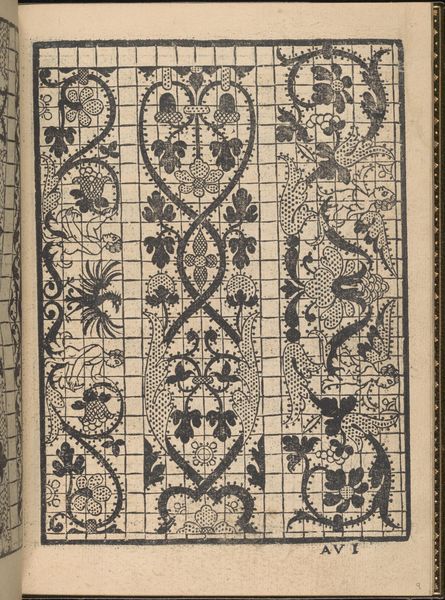
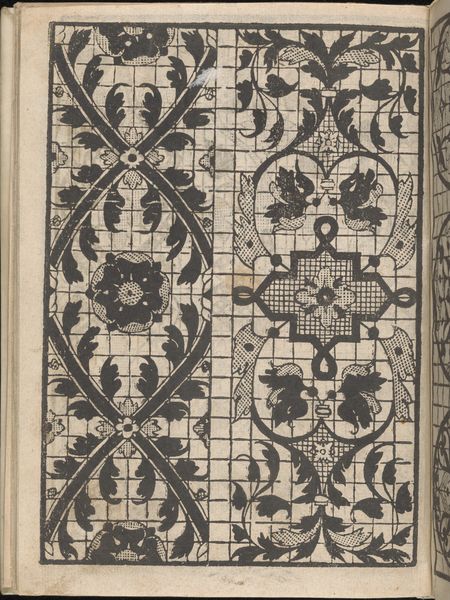
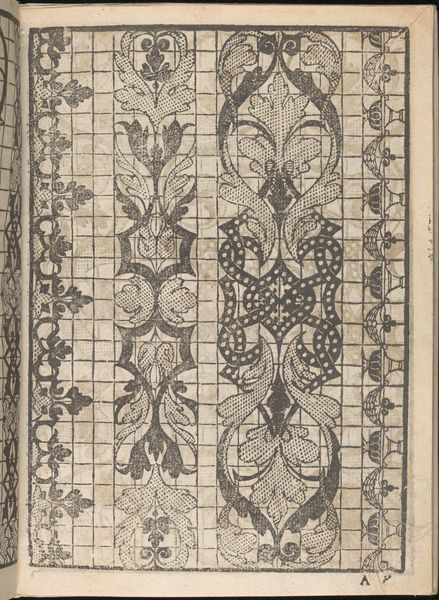
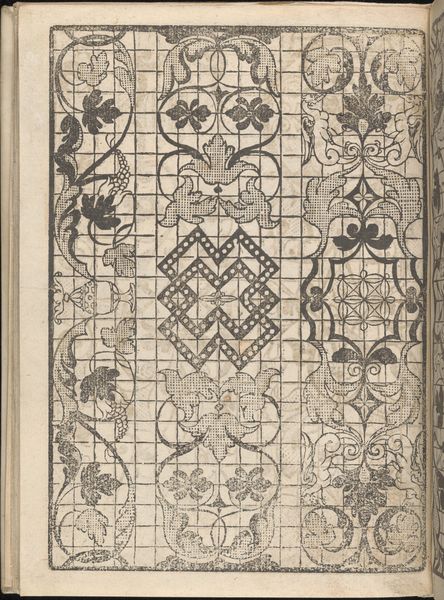
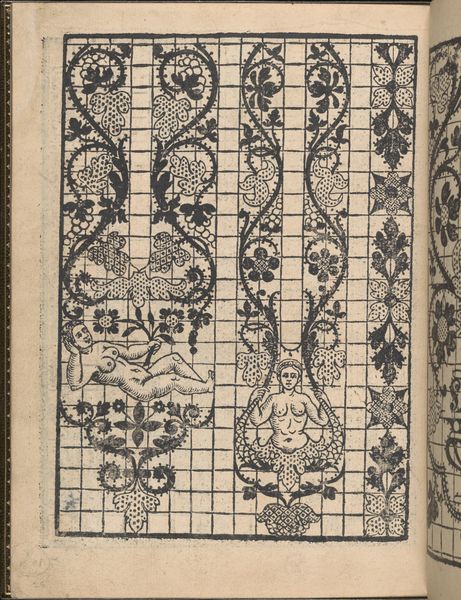
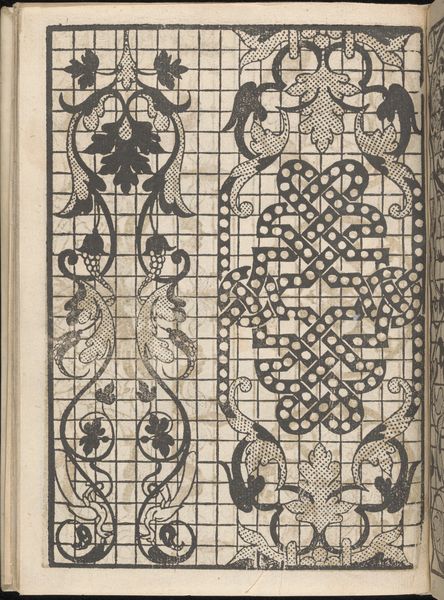
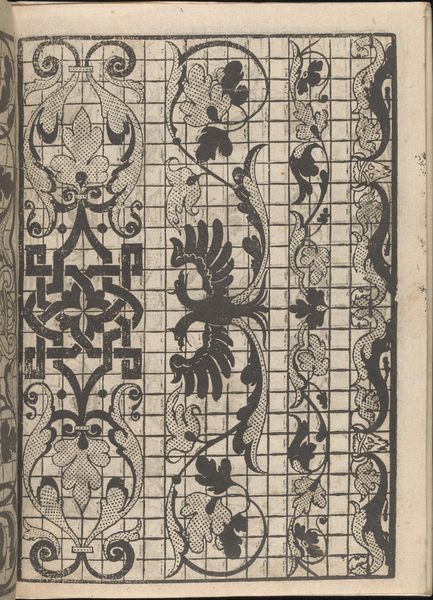
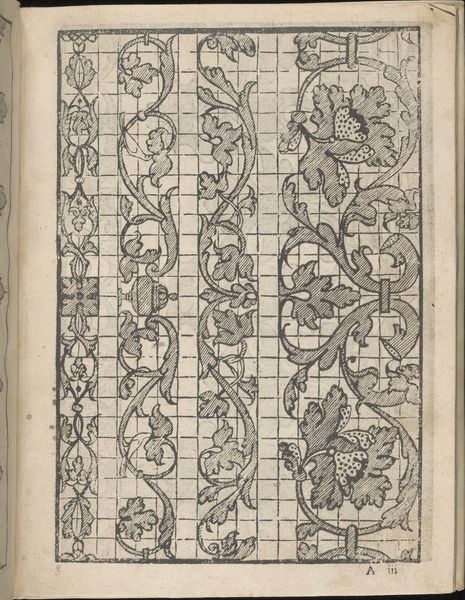
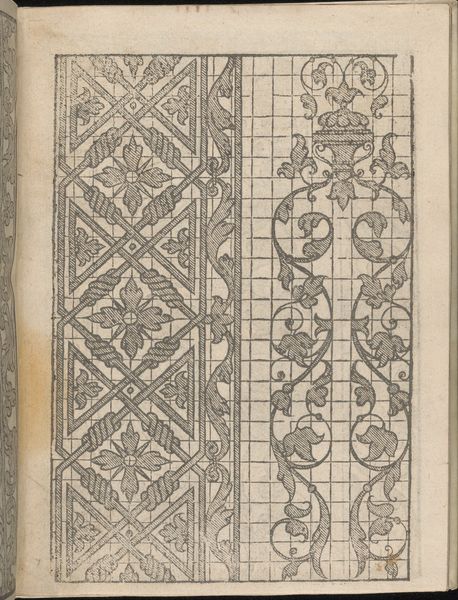
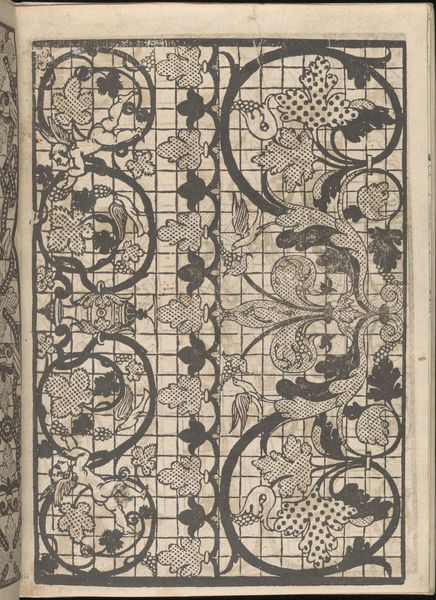
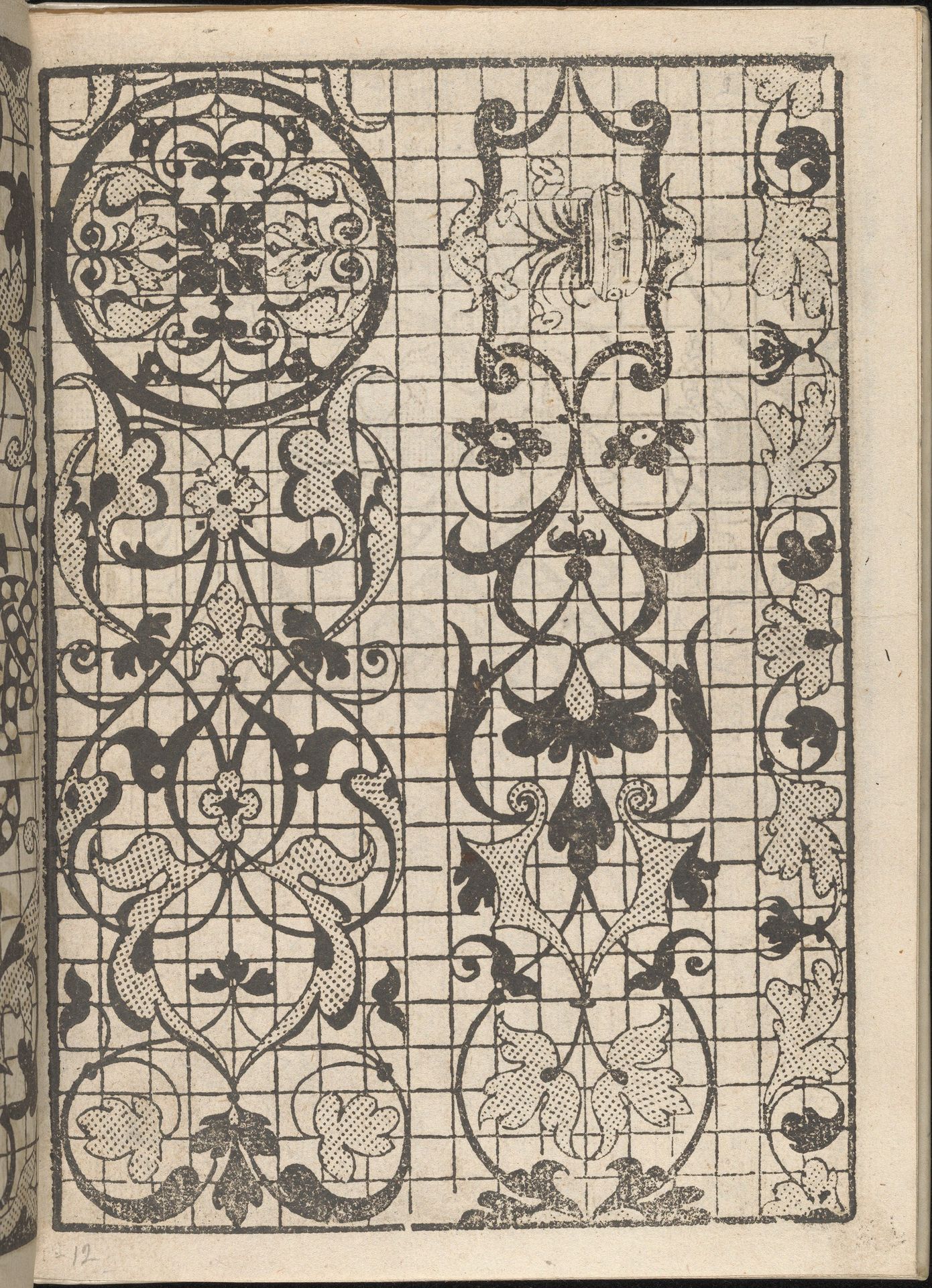
Iseppo Foresto created this woodcut, "Splendore delle virtuose giovani," around the mid-16th century. The crisp black ink on the page presents a structured array of patterns that are both decorative and precise. Observe the grid that underlies the ornate designs, each square acting as a unit of measure. This suggests a systematic approach to creativity, almost architectural in its planning. Floral and geometric motifs are repeated and inverted, forming symmetrical arrangements that invite the eye to trace their complex interrelations. The contrast of solid shapes against the gridded background creates a visual tension, a play between freedom and constraint. This tension is not merely aesthetic; it reflects a broader cultural interest in order and ornamentation. It encourages us to reconsider how the rigidity of form can be tempered by the fluidity of artistic expression.
Splendore delle virtuose giovani, page 6 (verso) 1564


Artwork details
- Medium
- drawing, print, paper, ink
- Dimensions
- Overall: 7 1/2 x 5 1/2 in. (19 x 14 cm)
- Location
- Metropolitan Museum of Art, New York, NY
- Copyright
- Public Domain
Tags
drawing
pen drawing
book
old engraving style
paper
ink
geometric
italian-renaissance
italy
Comments
No comments
About this artwork
Iseppo Foresto created this woodcut, "Splendore delle virtuose giovani," around the mid-16th century. The crisp black ink on the page presents a structured array of patterns that are both decorative and precise. Observe the grid that underlies the ornate designs, each square acting as a unit of measure. This suggests a systematic approach to creativity, almost architectural in its planning. Floral and geometric motifs are repeated and inverted, forming symmetrical arrangements that invite the eye to trace their complex interrelations. The contrast of solid shapes against the gridded background creates a visual tension, a play between freedom and constraint. This tension is not merely aesthetic; it reflects a broader cultural interest in order and ornamentation. It encourages us to reconsider how the rigidity of form can be tempered by the fluidity of artistic expression.
Comments
No comments