About this artwork
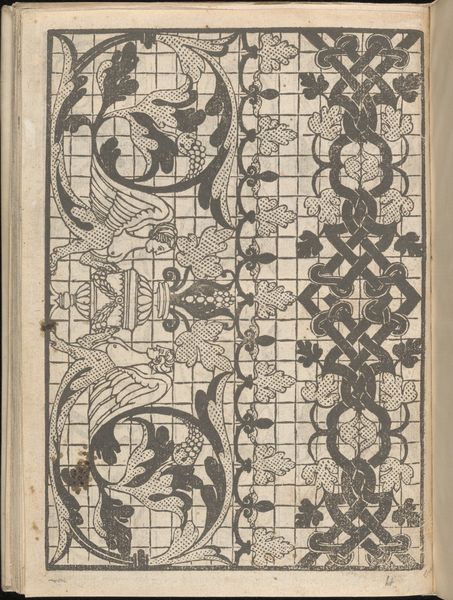
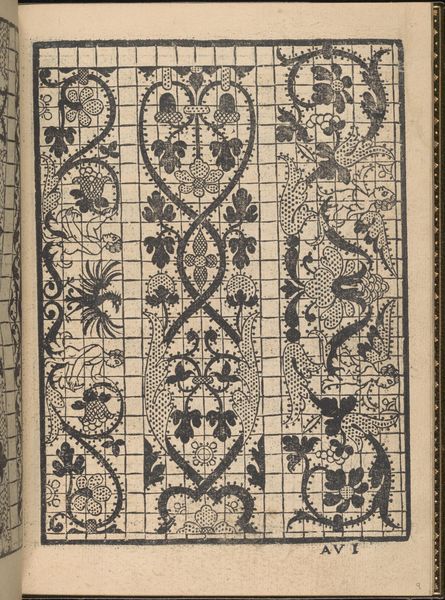
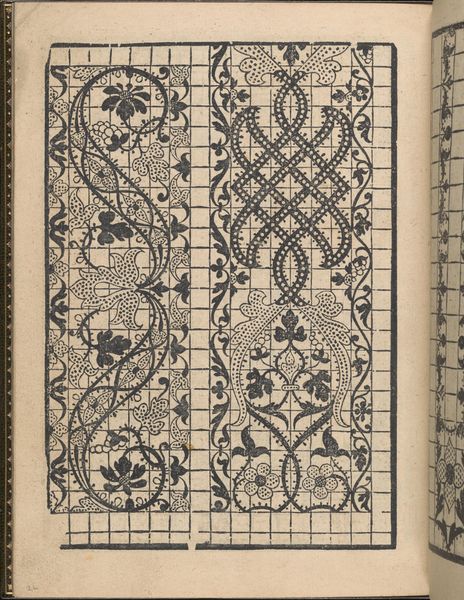
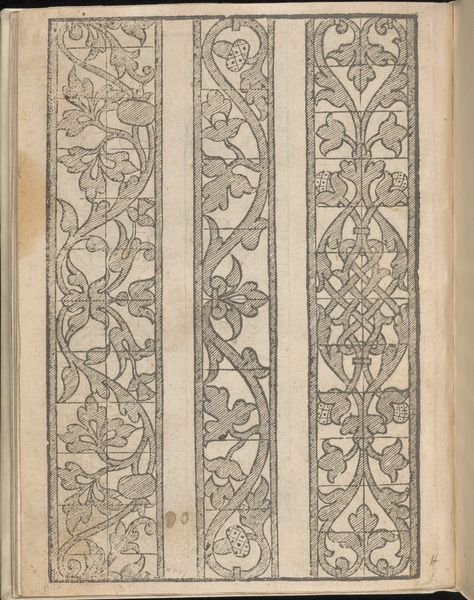
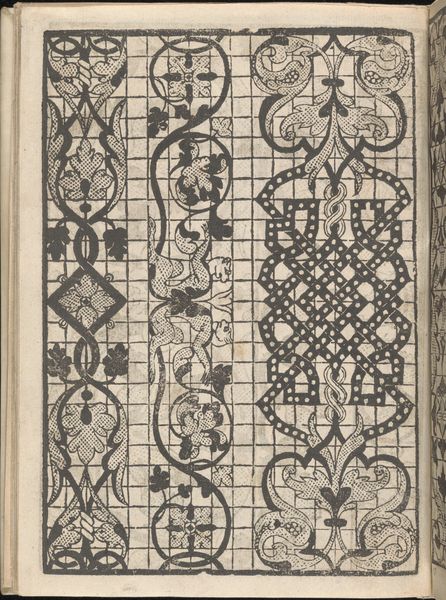
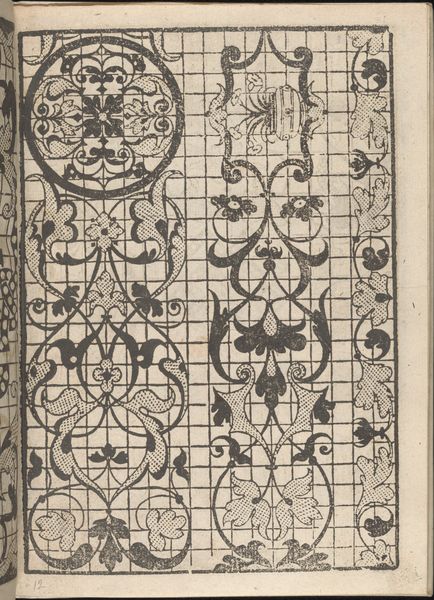
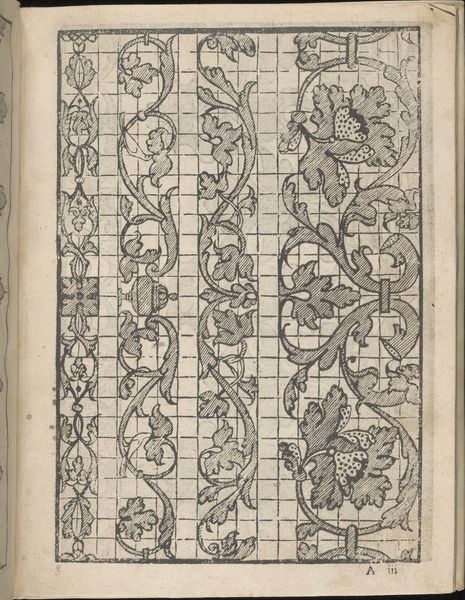
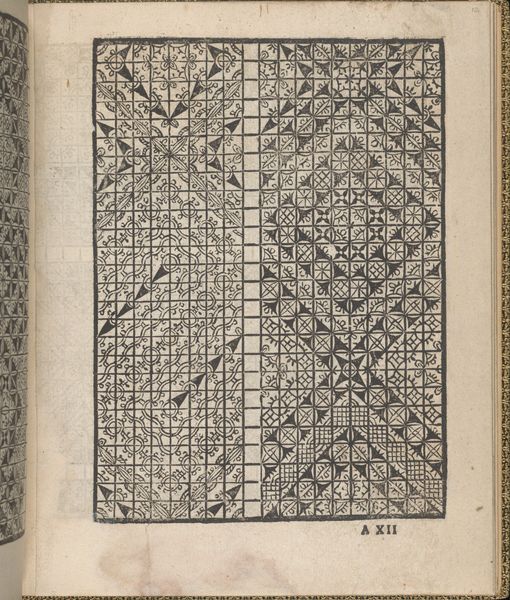
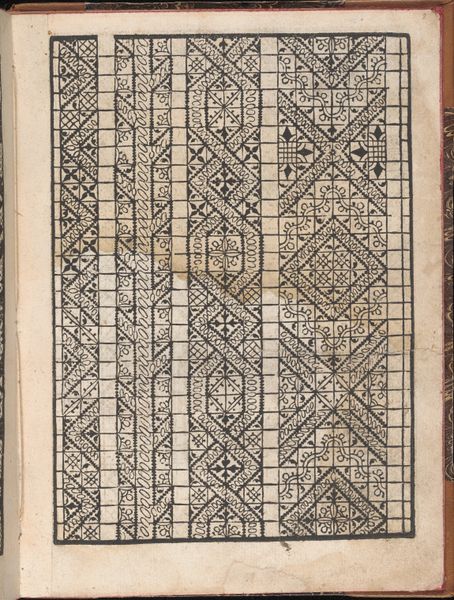
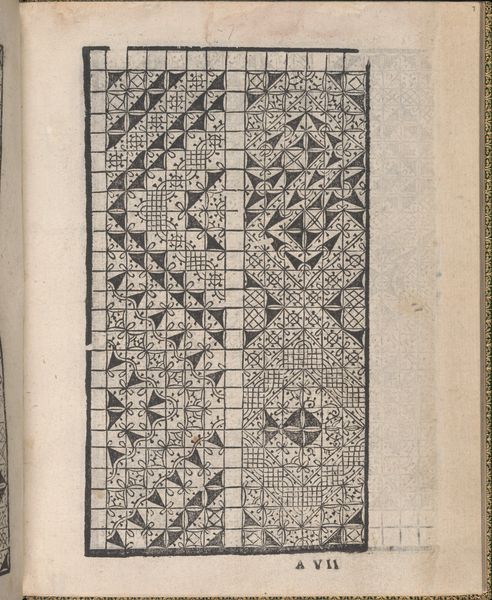
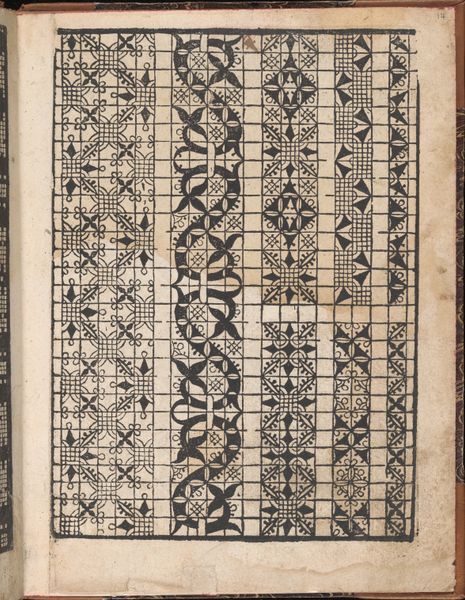
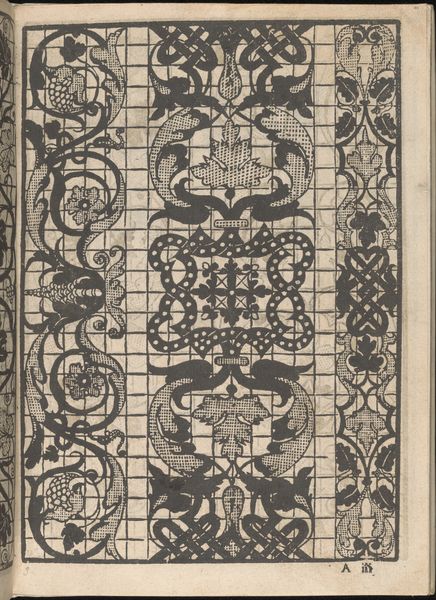
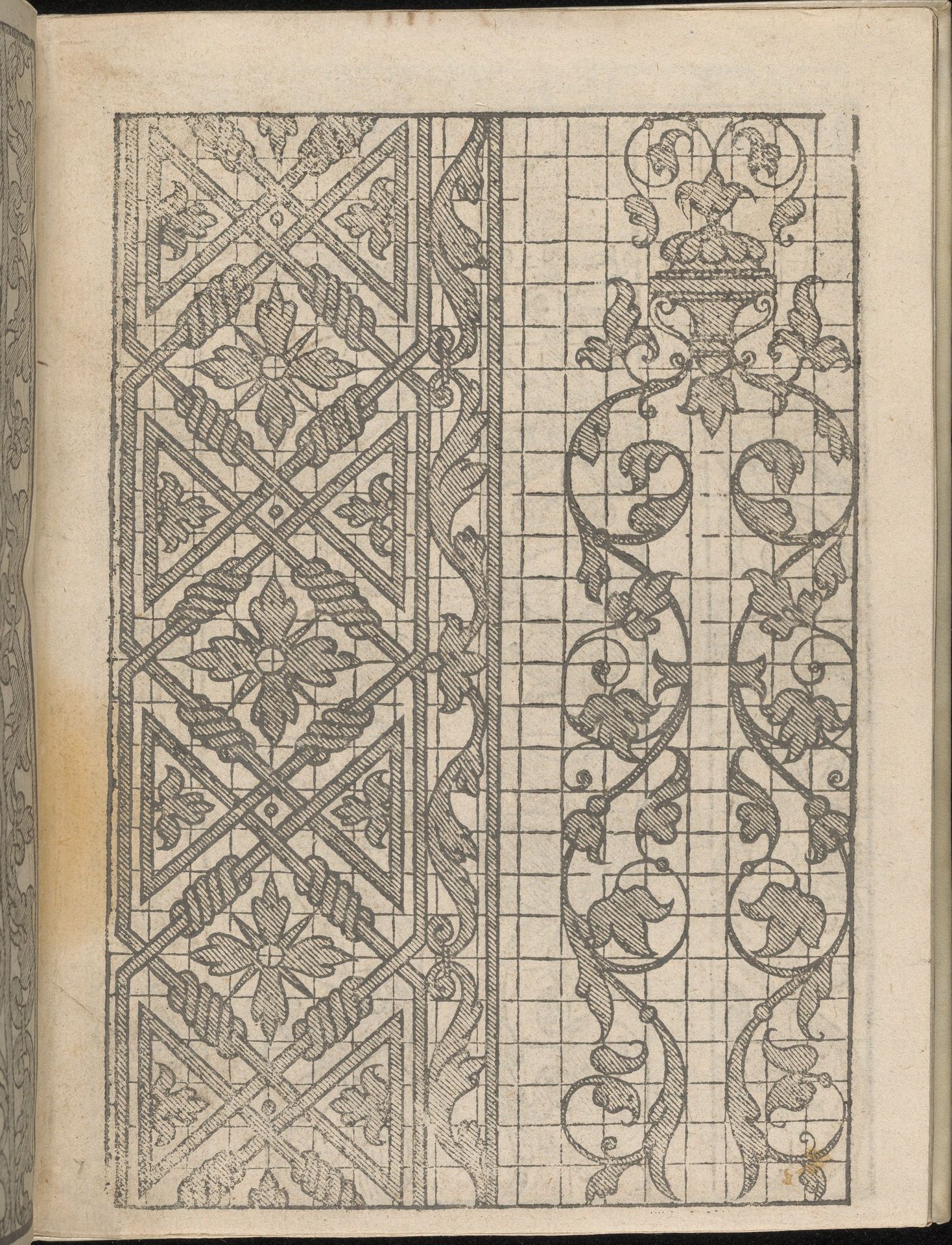
Iseppo Foresto made this page, one of many in his “Lucidario di Recami” around the mid-16th century, using ink on paper. The page is a woodcut, a printmaking technique in which an image is carved into a block of wood, then inked and pressed onto paper. Here, the linear qualities of the woodcut are evident, each line carefully incised to create patterns intended as guides for embroidery. The grid background is a testament to the precision required, almost like an early form of pixelation translated for textile work. This wasn't just art; it was a manual for female labor. Each pattern was to be painstakingly recreated with thread, transforming the printed page into a luxurious fabric. Foresto's work collapses the boundaries between design, craft, and fine art. It's a potent reminder that materials and making are always embedded in social context.
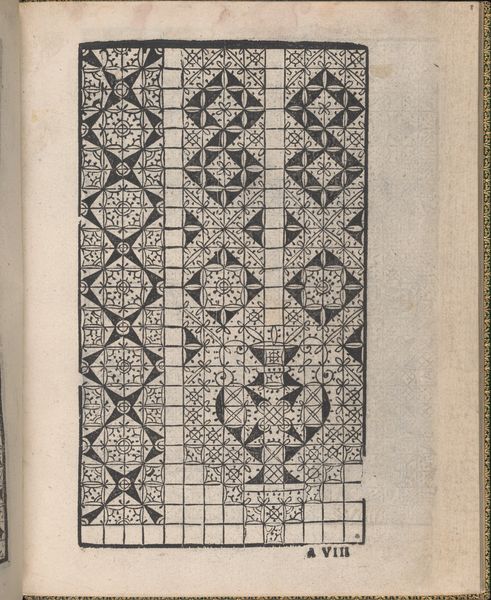
Lucidario di Recami, page 7 (verso) 1564
Artwork details
- Medium
- drawing, print, intaglio, paper, engraving
- Dimensions
- Overall: 7 7/8 x 5 7/8 in. (20 x 15 cm)
- Location
- Metropolitan Museum of Art, New York, NY
- Copyright
- Public Domain
Tags
drawing
book
intaglio
paper
11_renaissance
geometric
engraving
Comments
No comments
About this artwork
Iseppo Foresto made this page, one of many in his “Lucidario di Recami” around the mid-16th century, using ink on paper. The page is a woodcut, a printmaking technique in which an image is carved into a block of wood, then inked and pressed onto paper. Here, the linear qualities of the woodcut are evident, each line carefully incised to create patterns intended as guides for embroidery. The grid background is a testament to the precision required, almost like an early form of pixelation translated for textile work. This wasn't just art; it was a manual for female labor. Each pattern was to be painstakingly recreated with thread, transforming the printed page into a luxurious fabric. Foresto's work collapses the boundaries between design, craft, and fine art. It's a potent reminder that materials and making are always embedded in social context.
Comments
No comments