About this artwork
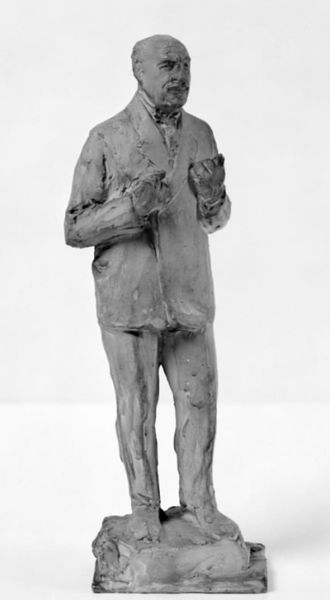
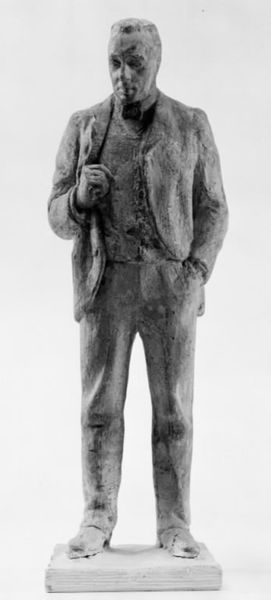
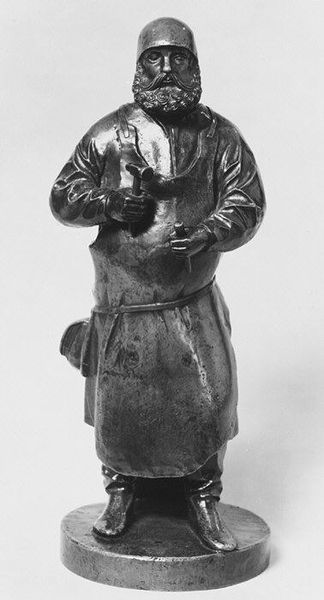
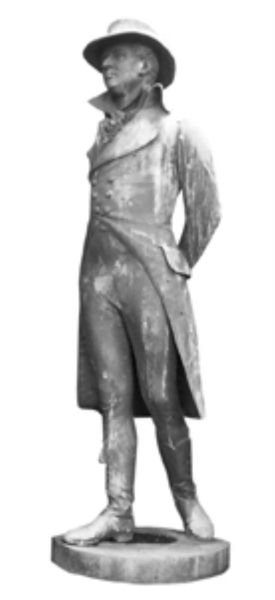
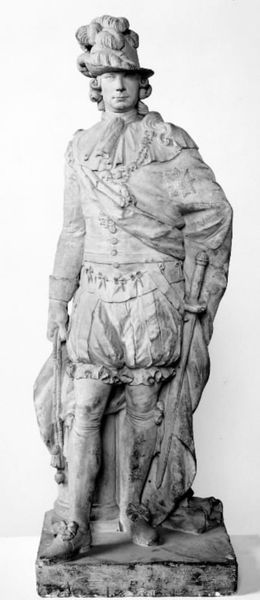
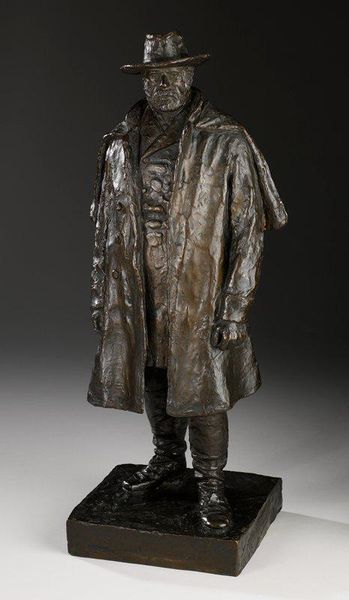
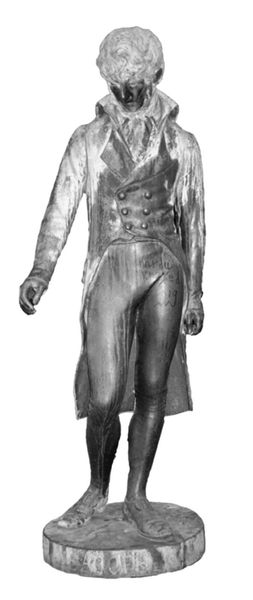
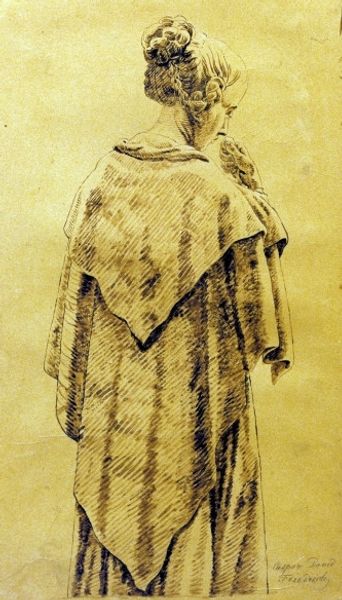
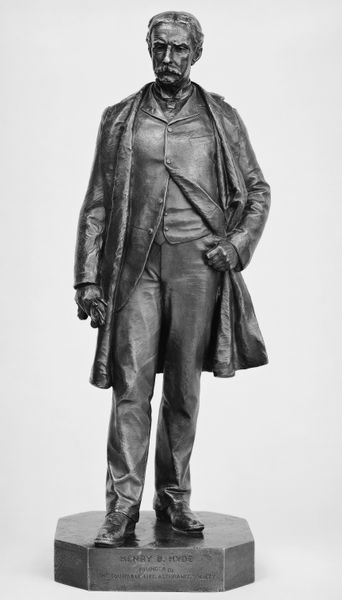
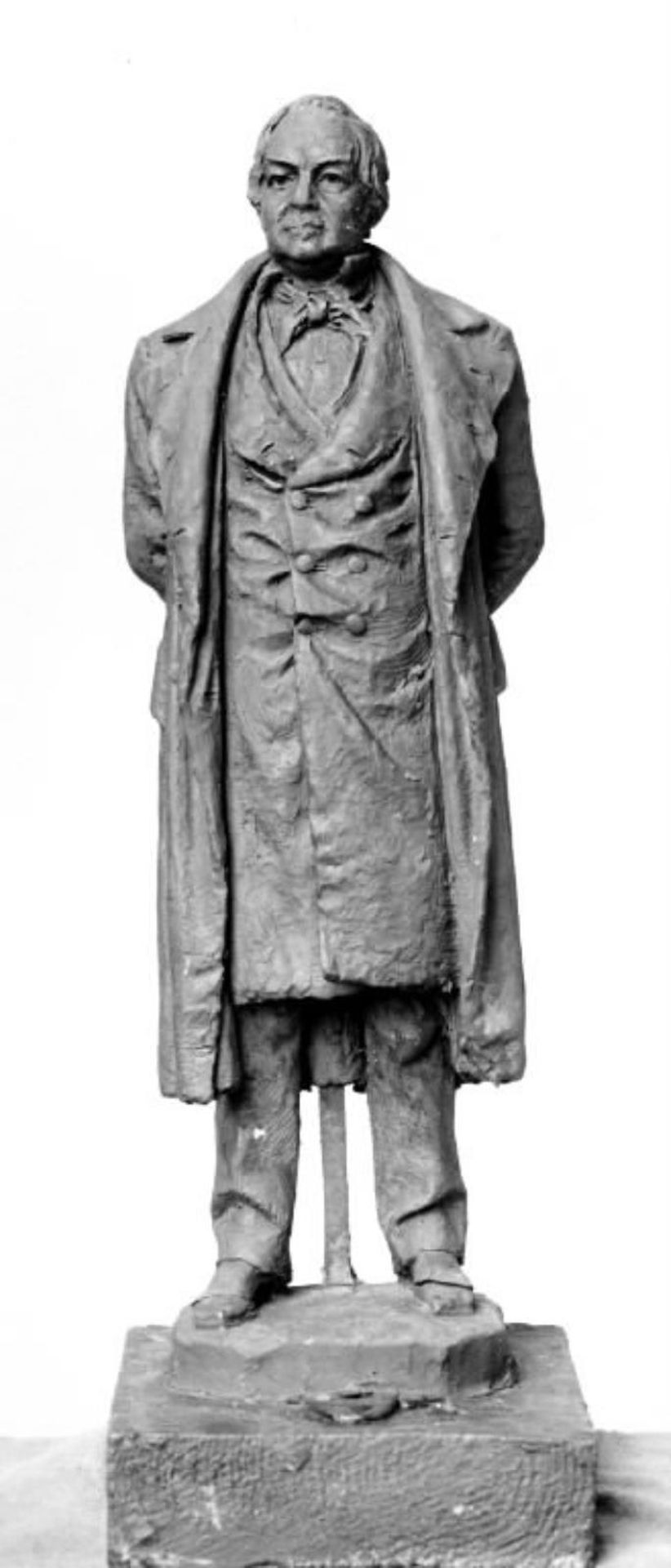
John Börjeson sculpted this likeness of Gustaf Geijer in the round in the 19th century. His hands clasped firmly behind his back, a gesture we might initially read as mere posture, but it carries echoes of contemplation and concealed power. Consider, for instance, the 'thinker' pose, a posture found across centuries, from ancient philosophers to Rodin's iconic sculpture. The act of clasping hands can denote restraint, a gathering of inner strength, a posture rife with psychological tension. The figure is cloaked in the garb of his time, yet these clothes are not merely fabric, they are symbolic armor that denotes status and intellectual rigor. In this way, this sculpture becomes a vessel of memory. The image of the man is not just a portrait, but an emotional bridge connecting us to the past.
Gustaf Geijer
1850 - 1907


Artwork details
- Dimensions
- 35.9 cm (height) x 12 cm (width) x 9 cm (depth) (Netto)
- Location
- SMK - Statens Museum for Kunst
Comments
Share your thoughts
About this artwork
John Börjeson sculpted this likeness of Gustaf Geijer in the round in the 19th century. His hands clasped firmly behind his back, a gesture we might initially read as mere posture, but it carries echoes of contemplation and concealed power. Consider, for instance, the 'thinker' pose, a posture found across centuries, from ancient philosophers to Rodin's iconic sculpture. The act of clasping hands can denote restraint, a gathering of inner strength, a posture rife with psychological tension. The figure is cloaked in the garb of his time, yet these clothes are not merely fabric, they are symbolic armor that denotes status and intellectual rigor. In this way, this sculpture becomes a vessel of memory. The image of the man is not just a portrait, but an emotional bridge connecting us to the past.
Comments
Share your thoughts