1801 - 1804
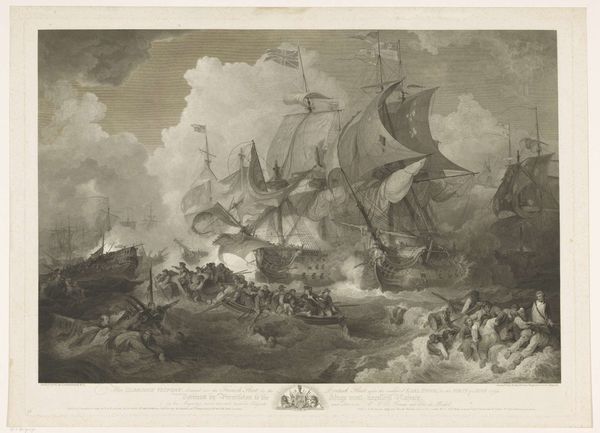
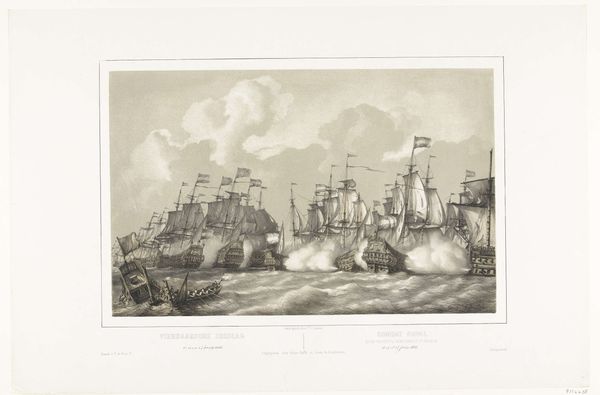
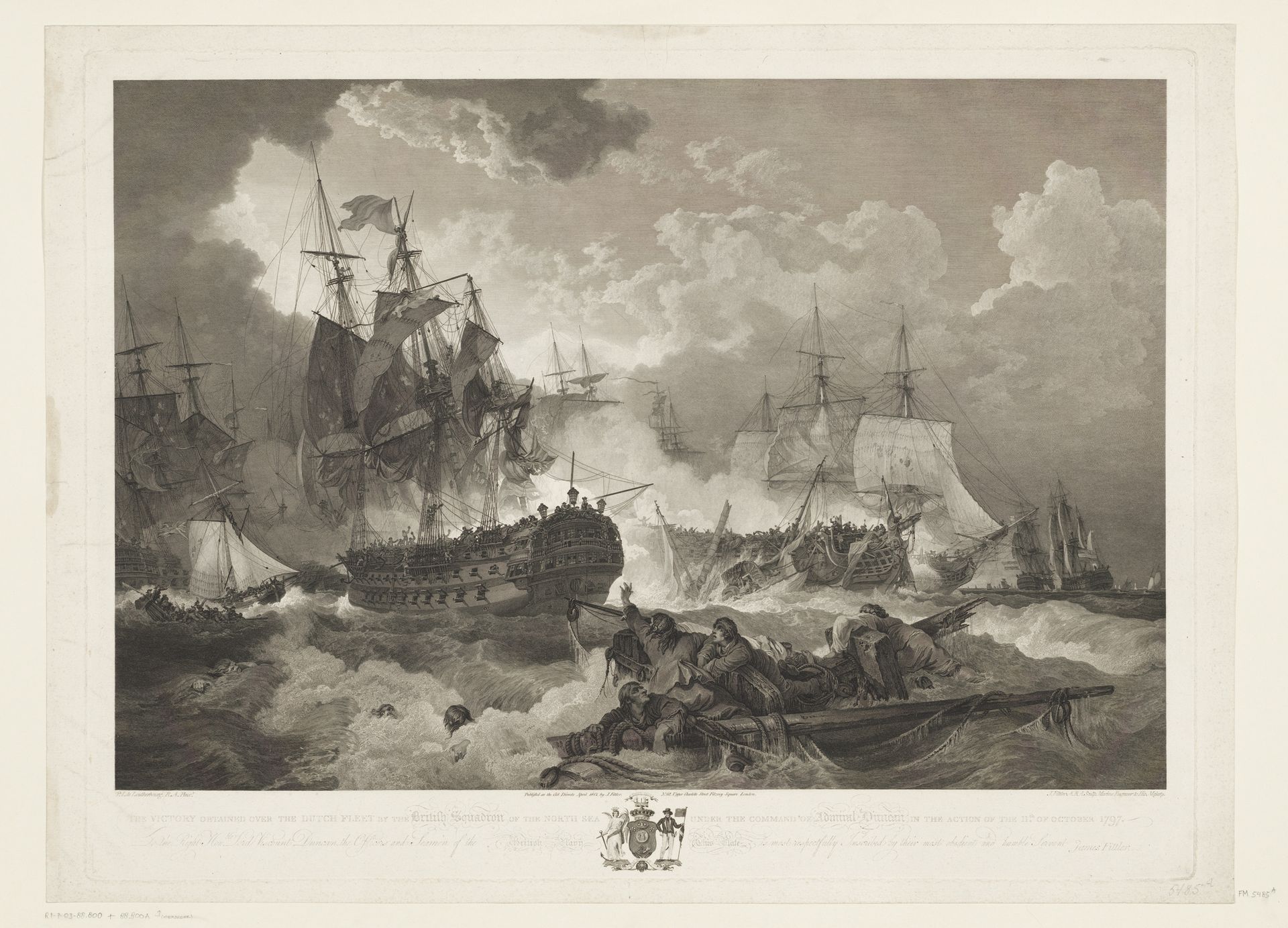
Slag bij Kamperduin, 1797

James Fittler
1758 - 1835Location
RijksmuseumListen to curator's interpretation
Curatorial notes
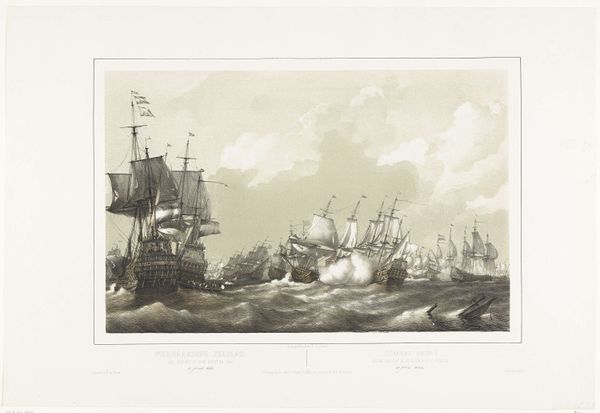
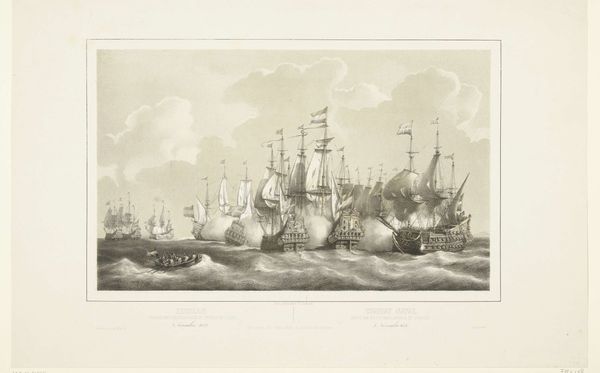
James Fittler's engraving, "Slag bij Kamperduin, 1797," masterfully captures the chaos of naval warfare through its dynamic composition and intricate detailing. The scene is dominated by swirling clouds of smoke and tumultuous waves. These elements evoke a sense of the sublime, echoing Romantic ideals of nature's overwhelming power. Fittler employs a dense network of lines to delineate the ships, figures, and sea, creating a complex interplay of light and shadow. Note how the diagonal lines of the ship masts and rigging intersect. These cut through the horizontal waves to create tension and instability. The engraver uses light and dark to draw the eye through the scene. The semiotic analysis reveals the cultural codes of naval power and conflict. Ships become signs of national strength, and the battle itself is a spectacle of human struggle against nature and each other. The engraving functions not only as a historical record but also as a powerful articulation of the sublime. It shows how nature and technology collide in spectacular and terrifying ways.