About this artwork
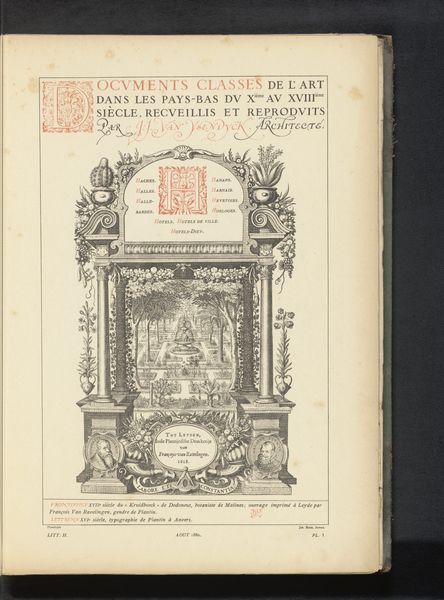
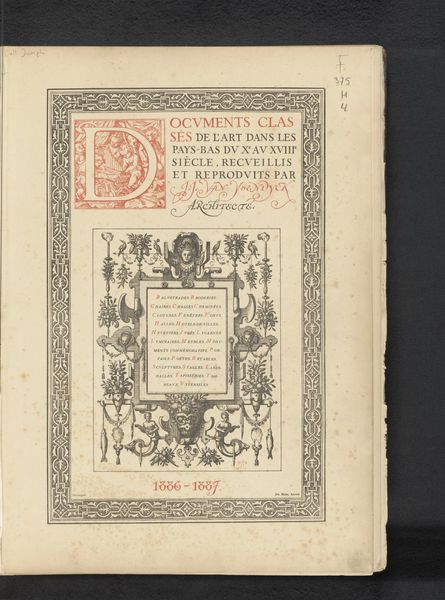
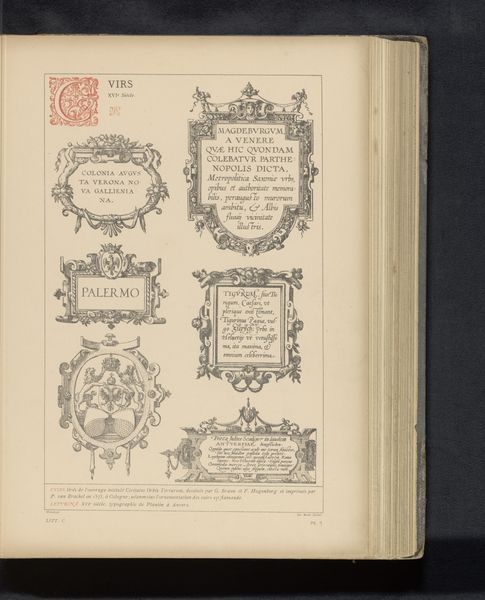
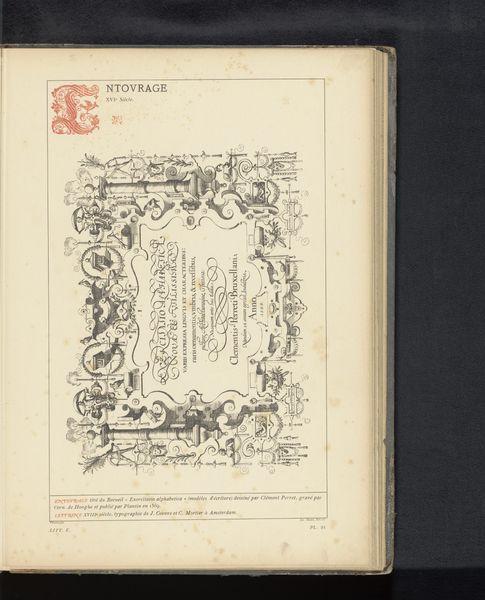
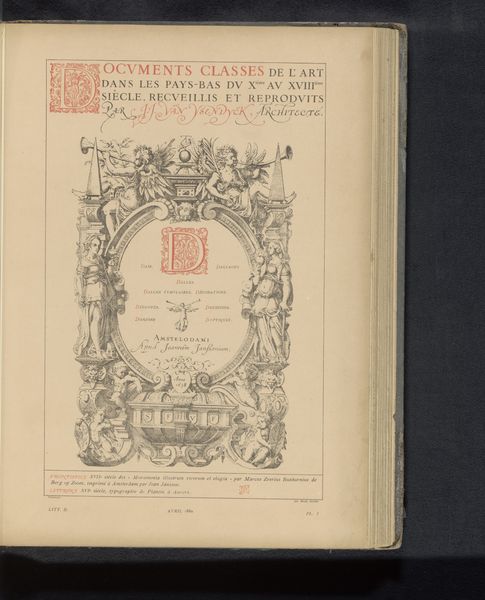
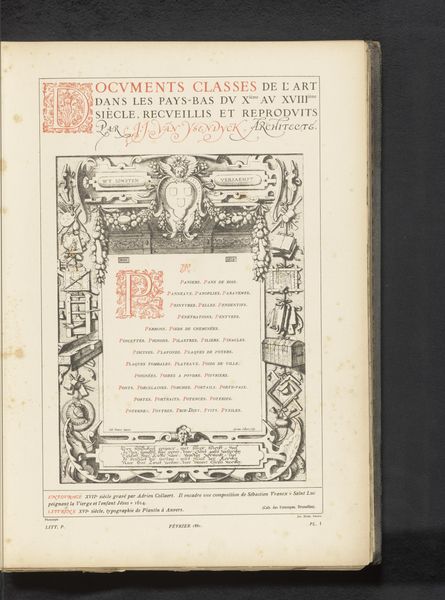
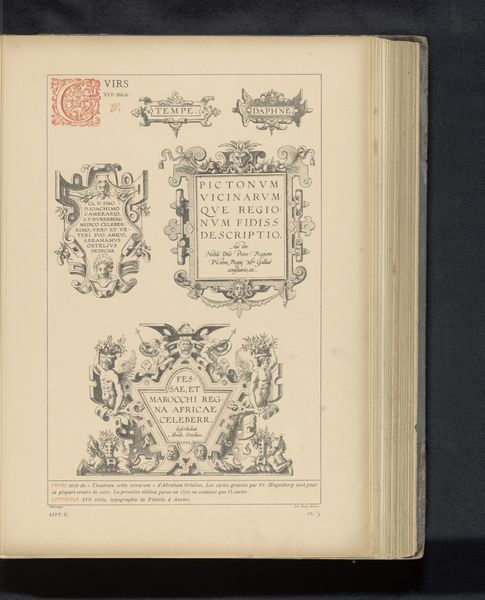
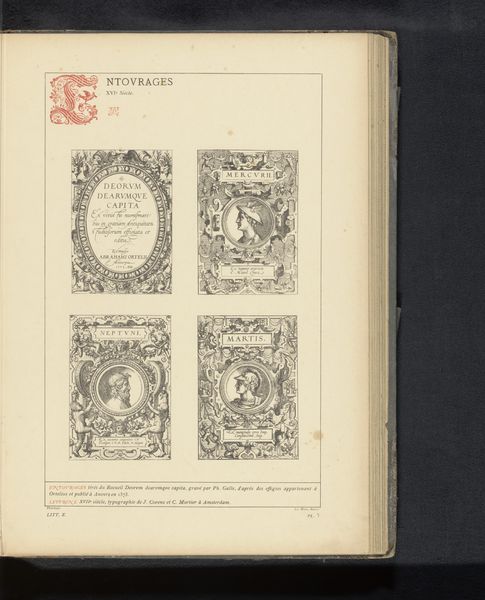
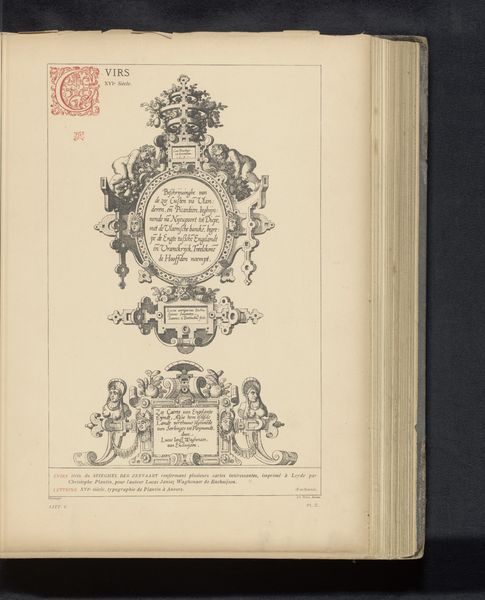
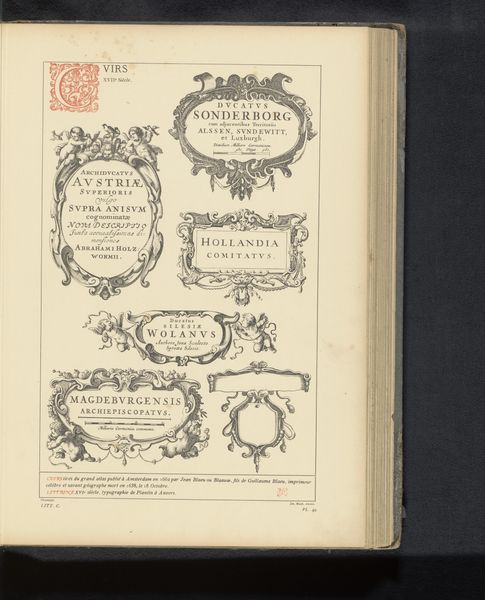
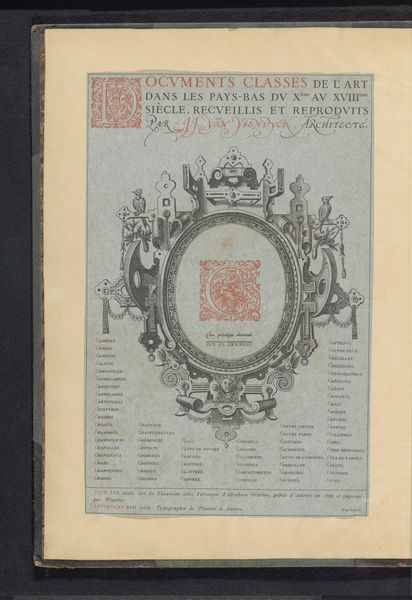
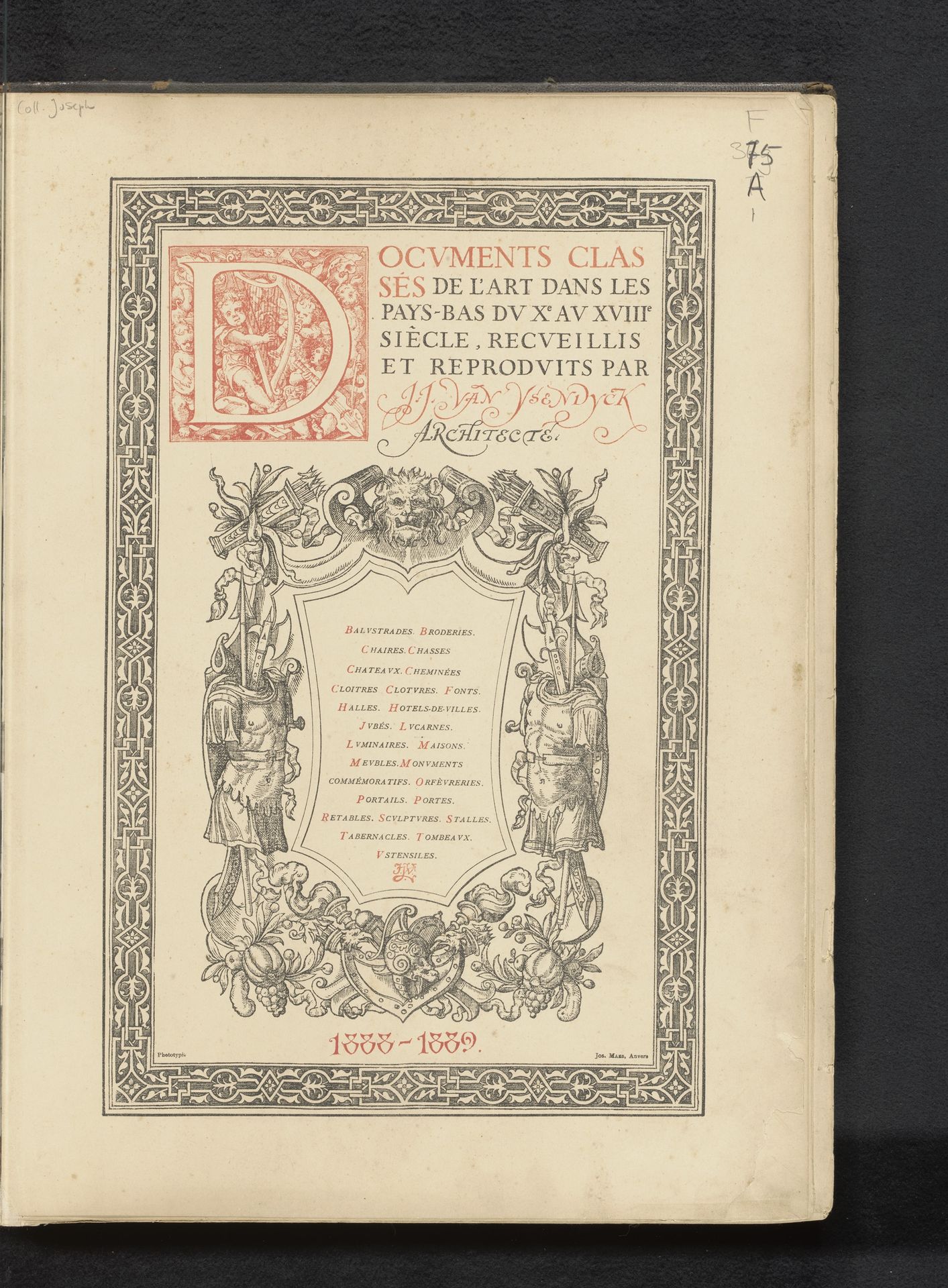
Joseph Maes created this book design, "Documents classés de l'art dans les Pays-Bas du Xe au XVIIIe siècle," sometime between 1838 and 1908. It's a fascinating example of how a nation—in this case, the Netherlands—attempts to define and codify its own artistic heritage. The design itself is a kind of visual archive, a record of the cultural and institutional past. Consider the title, which translates to "Classified Documents of Art in the Netherlands from the 10th to the 18th Century." This is not just a collection of images; it's an attempt to create a sense of historical continuity and national identity through art. Note the classical motifs mixed with gothic lettering, creating a sense of established tradition. As historians, we might ask: What criteria were used to select these "documents"? Who was the intended audience, and what social or political purposes did this publication serve? These questions are crucial to understanding the complex relationship between art, history, and national identity.
Documents classés de l'art dans les Pays-Bas du Xe au XVIIIe siècle 1886 - 1889

Artwork details
- Medium
- drawing, graphic-art, print, paper, typography, engraving
- Dimensions
- height 441 mm, width 356 mm, thickness 63 mm
- Copyright
- Rijks Museum: Open Domain
Tags
drawing
graphic-art
paper
11_renaissance
typography
northern-renaissance
engraving
Comments
No comments
About this artwork
Joseph Maes created this book design, "Documents classés de l'art dans les Pays-Bas du Xe au XVIIIe siècle," sometime between 1838 and 1908. It's a fascinating example of how a nation—in this case, the Netherlands—attempts to define and codify its own artistic heritage. The design itself is a kind of visual archive, a record of the cultural and institutional past. Consider the title, which translates to "Classified Documents of Art in the Netherlands from the 10th to the 18th Century." This is not just a collection of images; it's an attempt to create a sense of historical continuity and national identity through art. Note the classical motifs mixed with gothic lettering, creating a sense of established tradition. As historians, we might ask: What criteria were used to select these "documents"? Who was the intended audience, and what social or political purposes did this publication serve? These questions are crucial to understanding the complex relationship between art, history, and national identity.
Comments
No comments