About this artwork
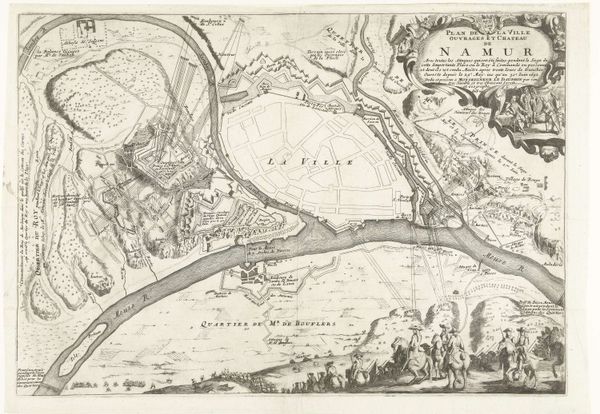
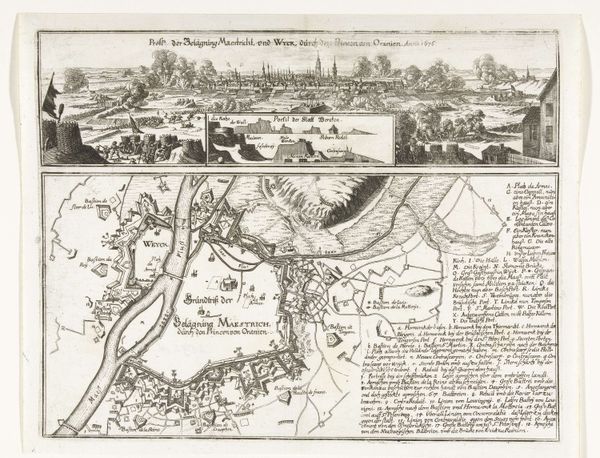
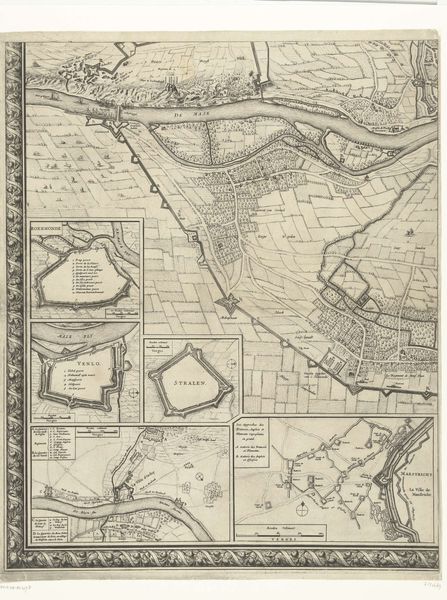
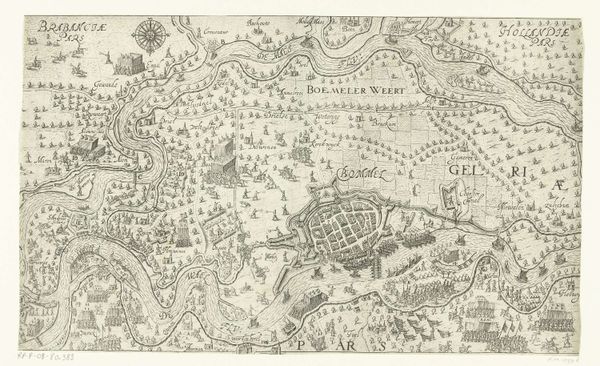
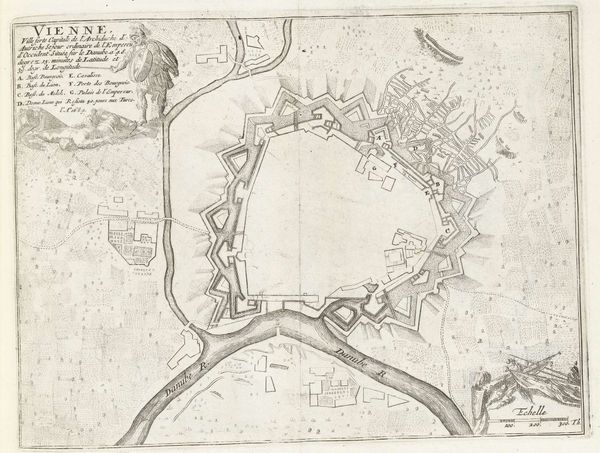
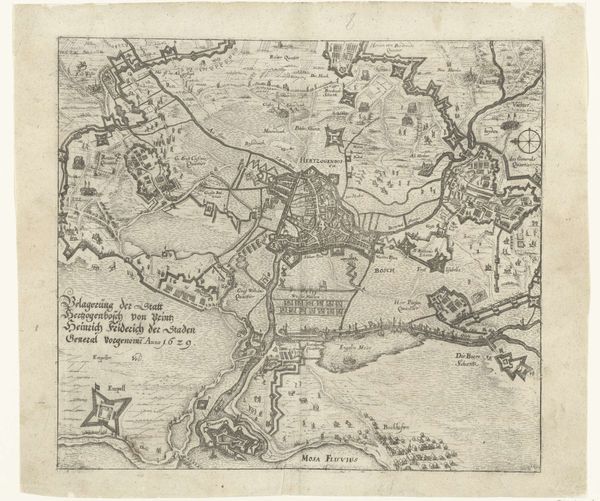
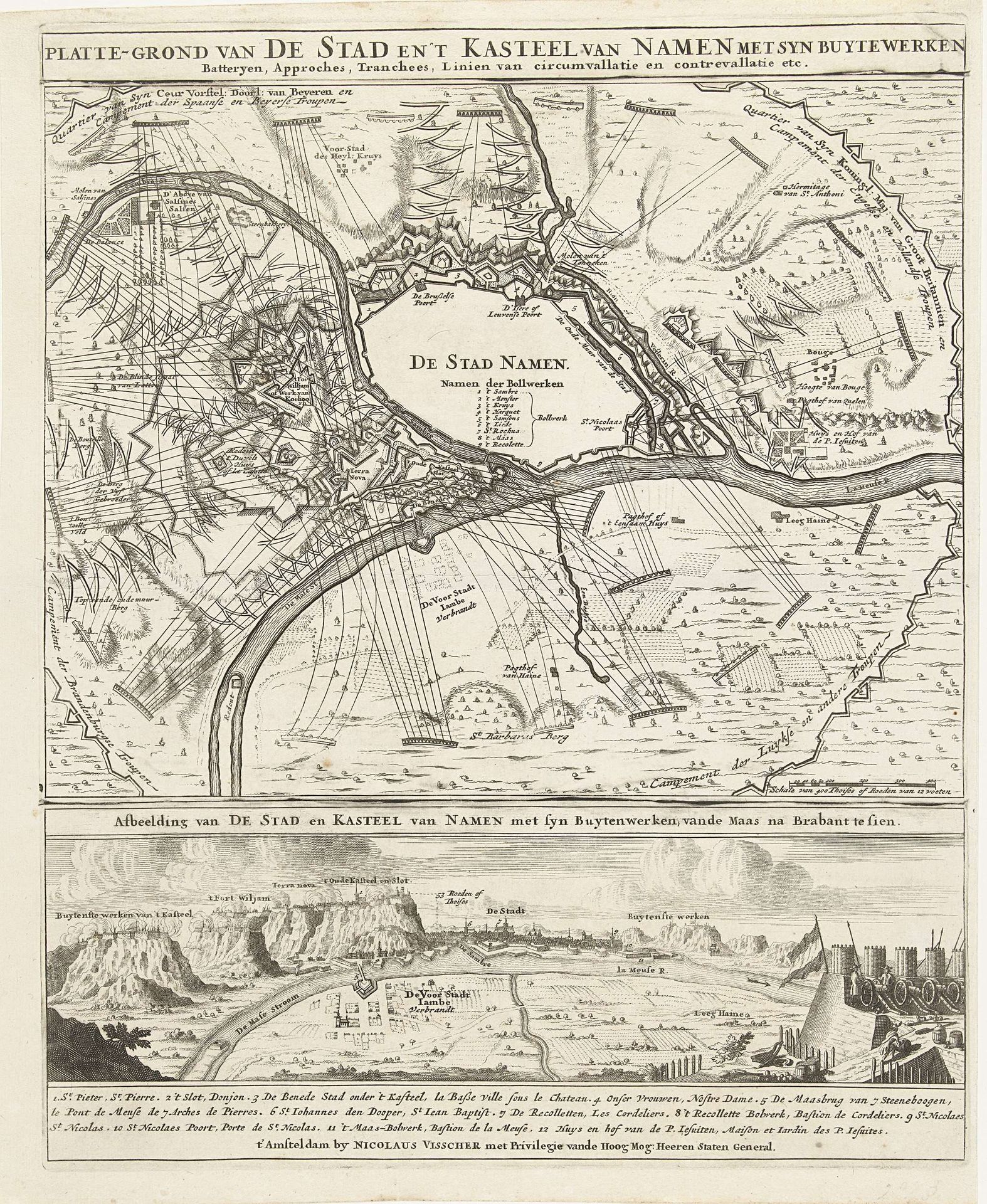
This print, made in the Netherlands in 1695 by an anonymous artist, depicts the siege of Namur. It uses engraving to offer both a bird’s eye view and a profile of the city. What we see represented here is more than just a place. This is a depiction of military strategy and power. The detailed rendering of fortifications and troop movements reflects the intense geopolitical competition of the period. Namur, located in present-day Belgium, was strategically vital, and its sieges were major events in European power struggles. This print is also an artifact of institutional history, a record of the way military campaigns were documented and disseminated to the public. Publishers like Nicolaus Visscher played a key role in shaping public opinion through these images. Historians use such prints alongside military records and diplomatic correspondence to understand the strategies, technologies, and social impacts of 17th-century warfare. Art becomes a primary source, offering insights into the political and cultural landscape of its time.

Artwork details
- Medium
- print, engraving
- Dimensions
- height 352 mm, width 285 mm
- Location
- Rijksmuseum
- Copyright
- Rijks Museum: Open Domain
Tags
baroque
pen illustration
pen sketch
old engraving style
landscape
cityscape
history-painting
engraving
Comments
No comments
About this artwork
This print, made in the Netherlands in 1695 by an anonymous artist, depicts the siege of Namur. It uses engraving to offer both a bird’s eye view and a profile of the city. What we see represented here is more than just a place. This is a depiction of military strategy and power. The detailed rendering of fortifications and troop movements reflects the intense geopolitical competition of the period. Namur, located in present-day Belgium, was strategically vital, and its sieges were major events in European power struggles. This print is also an artifact of institutional history, a record of the way military campaigns were documented and disseminated to the public. Publishers like Nicolaus Visscher played a key role in shaping public opinion through these images. Historians use such prints alongside military records and diplomatic correspondence to understand the strategies, technologies, and social impacts of 17th-century warfare. Art becomes a primary source, offering insights into the political and cultural landscape of its time.
Comments
No comments