About this artwork
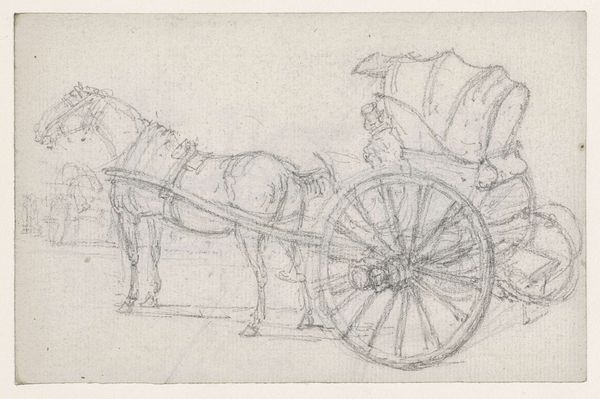
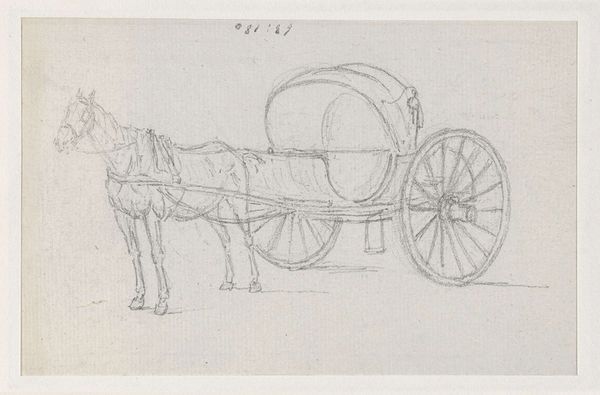
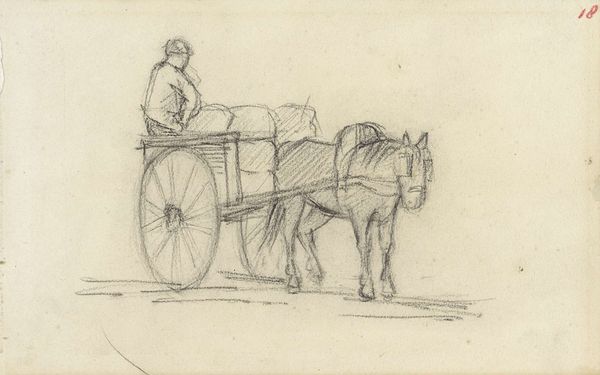
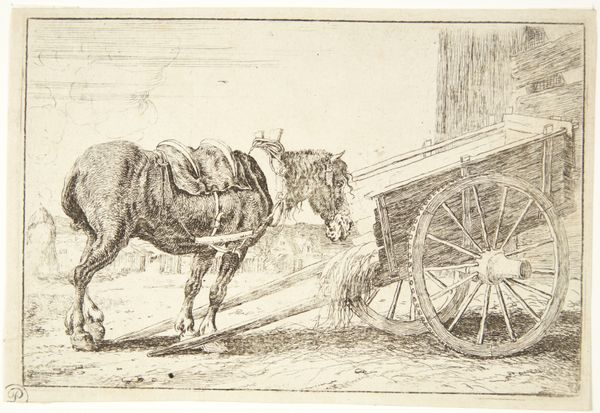
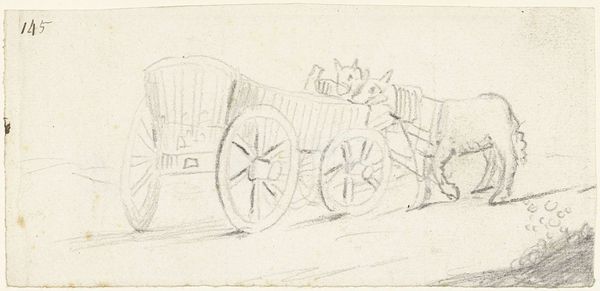
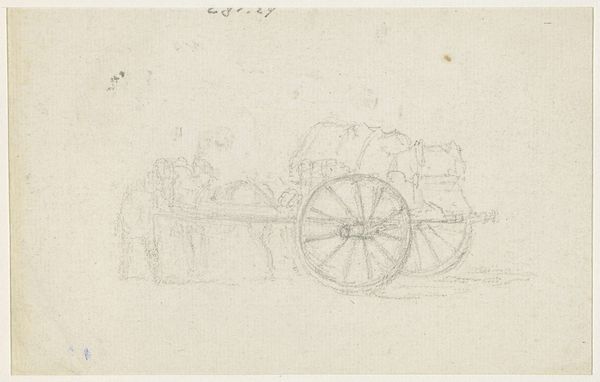
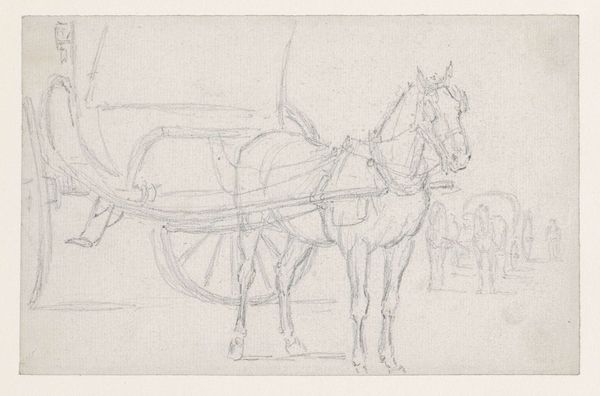
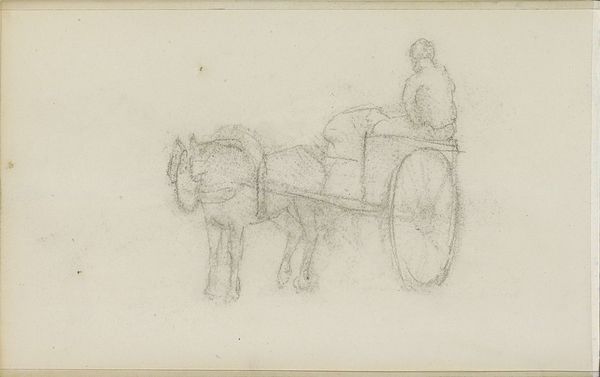
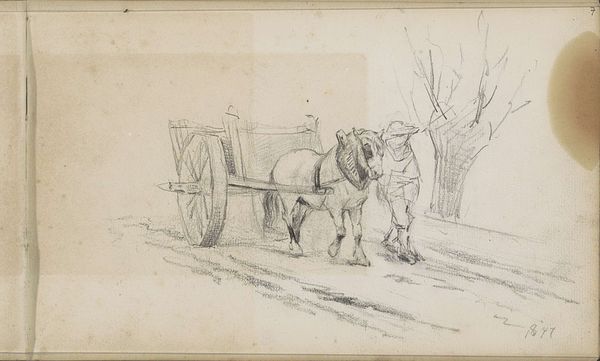
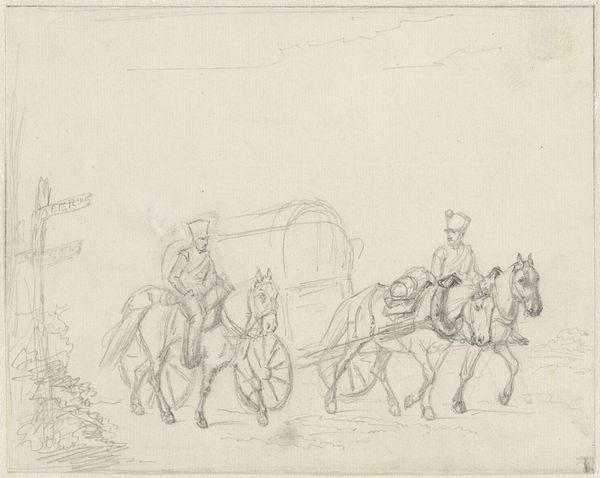
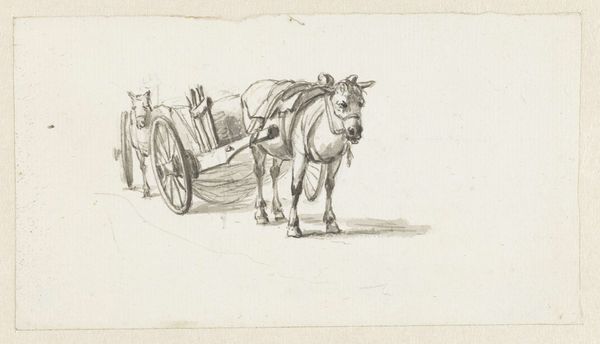
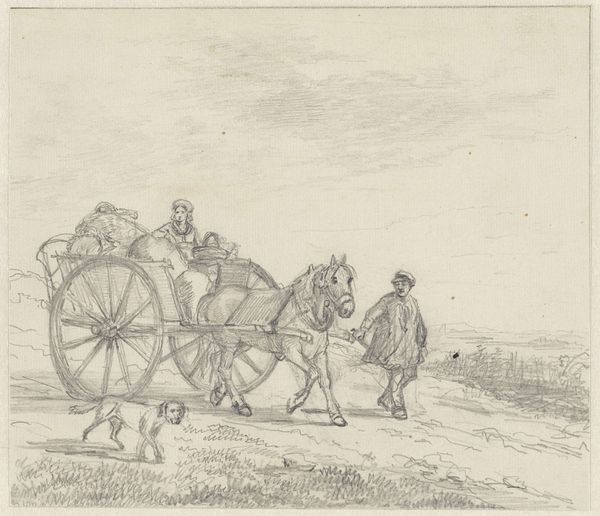
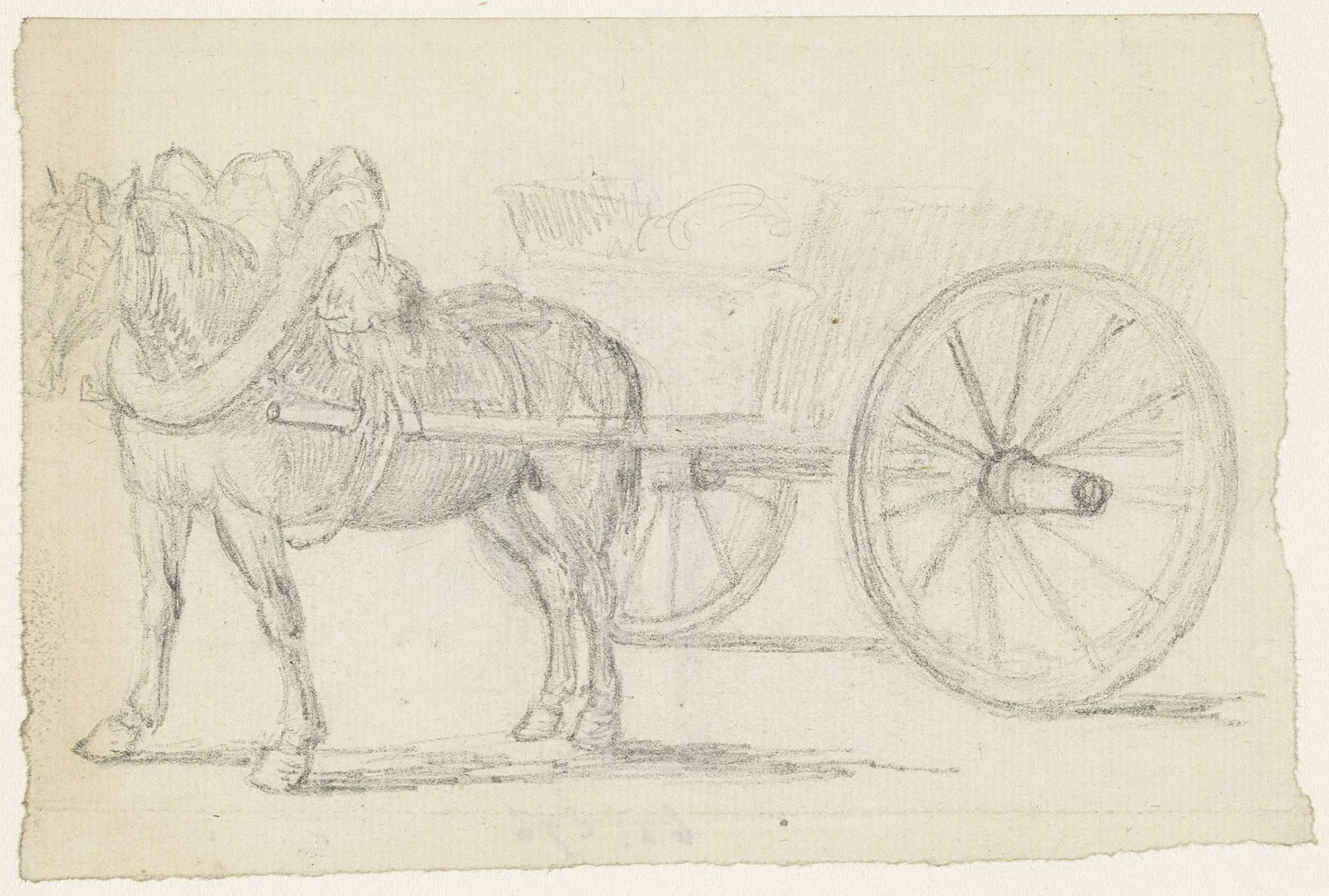
Georges Michel created this pencil drawing on paper entitled Sleperskar around the late 18th to mid 19th century. Michel was a landscape painter in pre-Impressionist France, a period marked by significant social and economic change, including the rise of industrialization and urbanization that displaced rural communities. In the image, a horse stands harnessed to a large wheeled cart. Executed in muted tones, the scene evokes a sense of quiet labor and the everyday lives of working-class people. Consider the horse, a symbol of labor and the animal power that fueled pre-industrial economies. How does the image invite us to think about the relationship between humans, animals, and the land? How might this image speak to the lives of those who depended on such labor for their livelihoods? Michel's work offers a glimpse into a world on the cusp of transformation. It is up to us to consider its quiet commentary on labor, the rural landscape, and the changing face of French society.

Artwork details
- Medium
- drawing, pencil
- Dimensions
- height 85 mm, width 128 mm
- Copyright
- Rijks Museum: Open Domain
Tags
drawing
pencil sketch
landscape
romanticism
pencil
genre-painting
realism
Comments
No comments
About this artwork
Georges Michel created this pencil drawing on paper entitled Sleperskar around the late 18th to mid 19th century. Michel was a landscape painter in pre-Impressionist France, a period marked by significant social and economic change, including the rise of industrialization and urbanization that displaced rural communities. In the image, a horse stands harnessed to a large wheeled cart. Executed in muted tones, the scene evokes a sense of quiet labor and the everyday lives of working-class people. Consider the horse, a symbol of labor and the animal power that fueled pre-industrial economies. How does the image invite us to think about the relationship between humans, animals, and the land? How might this image speak to the lives of those who depended on such labor for their livelihoods? Michel's work offers a glimpse into a world on the cusp of transformation. It is up to us to consider its quiet commentary on labor, the rural landscape, and the changing face of French society.
Comments
No comments