About this artwork
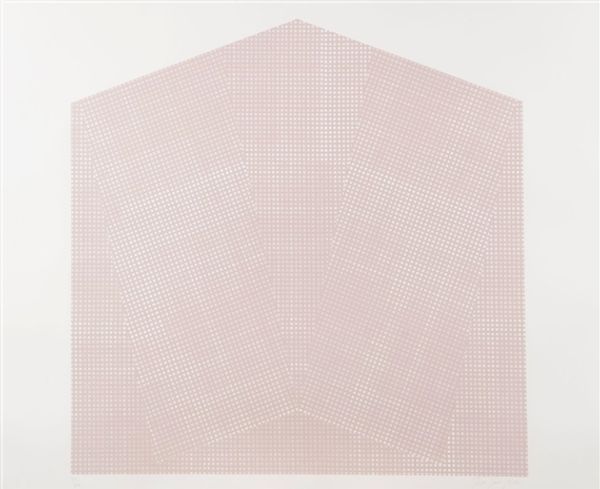
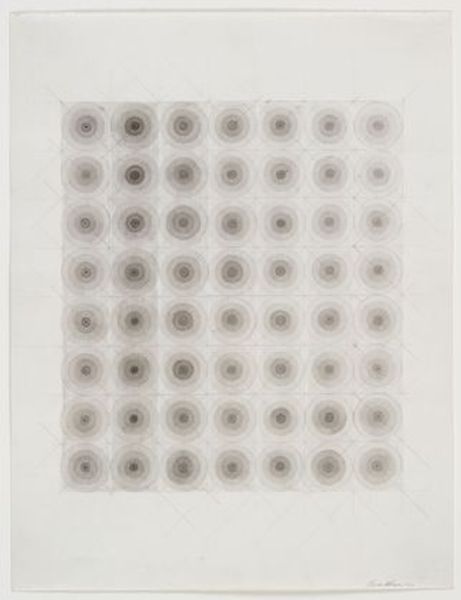
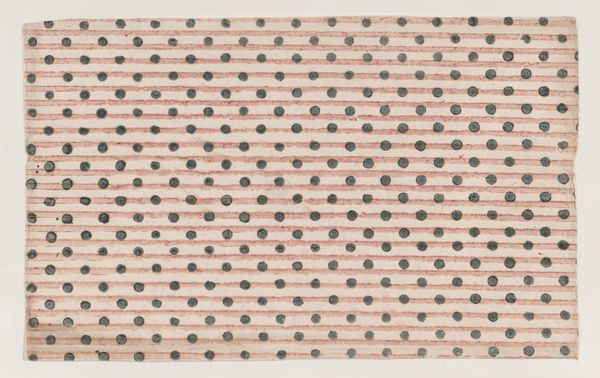
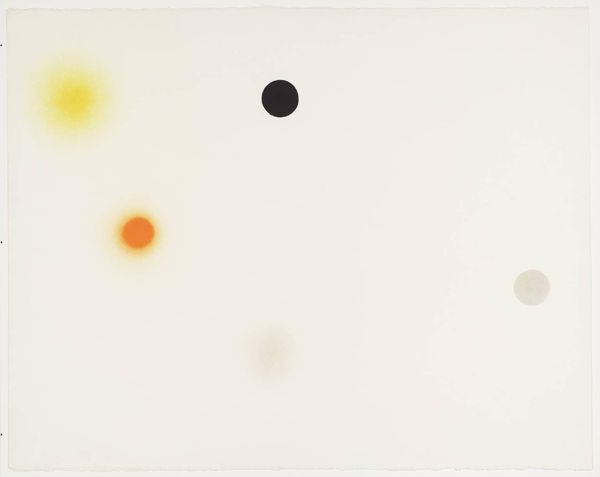
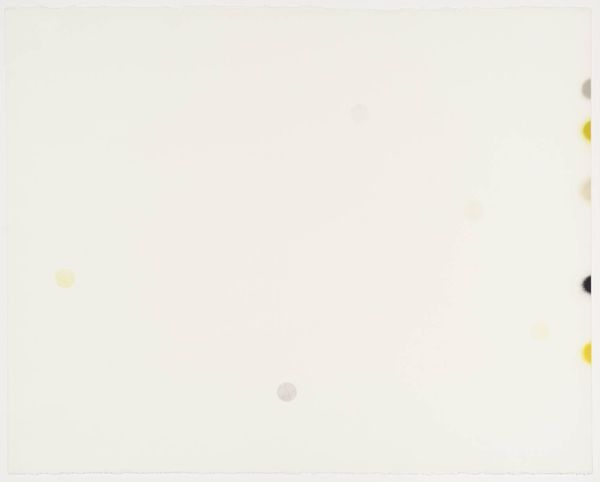
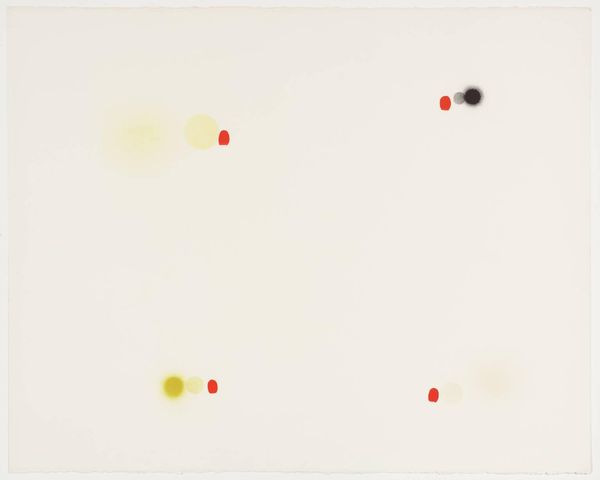
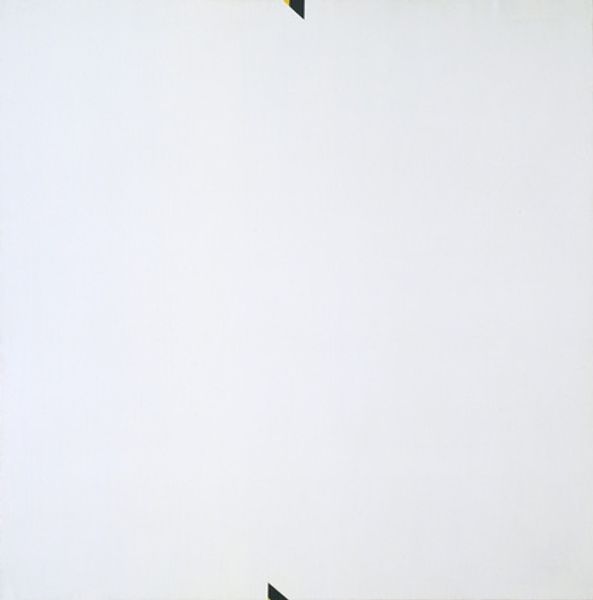
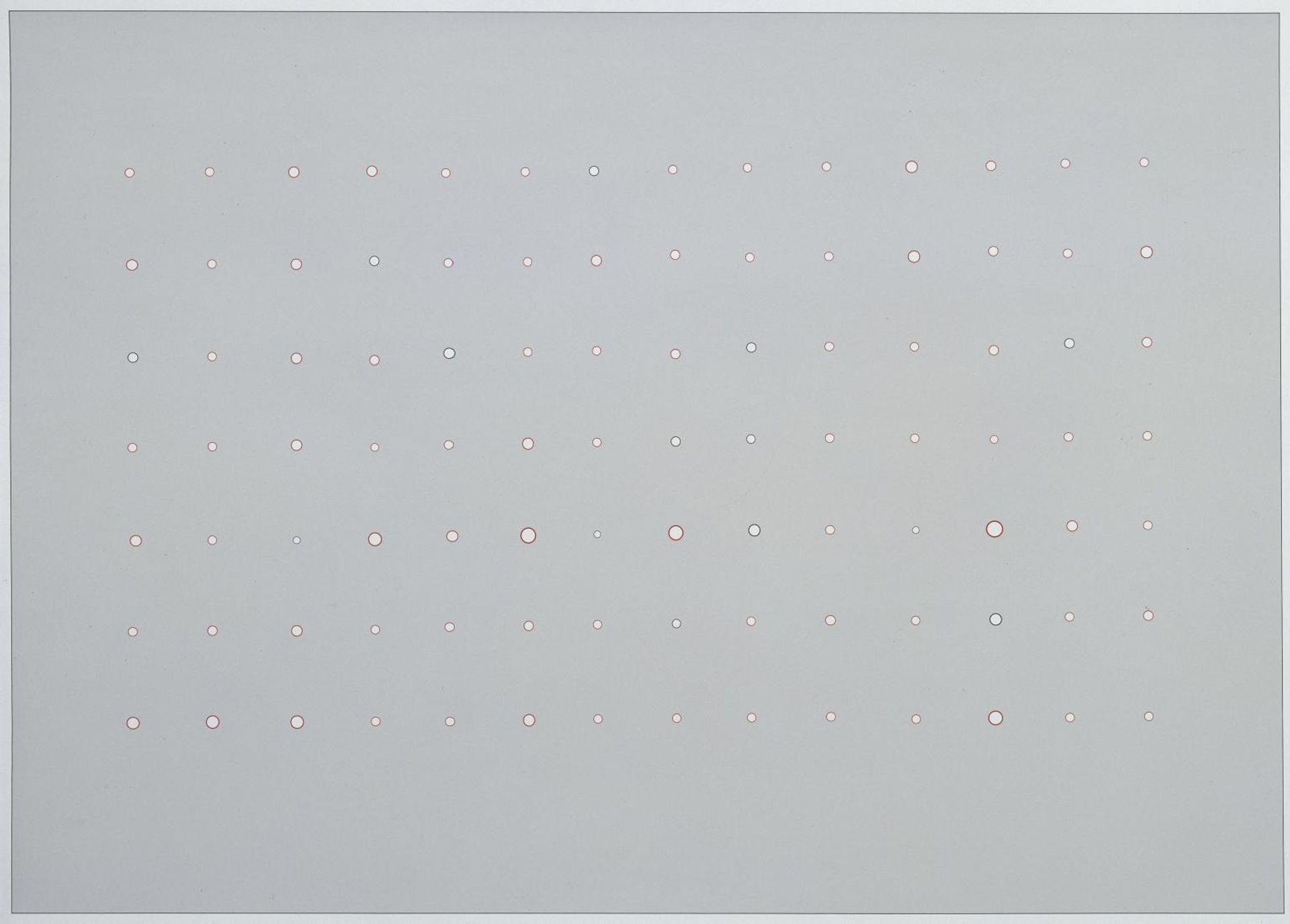
Editor: This is Richard Wright's "Untitled Figure 2" from the Tate Collections. The image, measuring 547 by 770 mm, presents a field of subtle variations. What structural elements stand out to you upon initial viewing? Curator: The interplay between the ordered grid and the subtle deviations in the size and tone of the circles generates a visual tension. How does this tension affect the viewer's perception of space within the composition? Editor: It almost feels like a fluctuating plane. The varying sizes prevent it from being a static grid. Curator: Precisely. The artist uses these minute variations to disrupt any sense of a fixed, stable reading. It becomes a meditation on the very act of seeing, wouldn’t you agree? Editor: I see that now. It's more complex than it initially appeared. Curator: Indeed, it invites a sustained engagement with its formal properties.

Artwork details
- Dimensions
- image: 547 x 770 mm
- Location
- Tate Collections
- Copyright
- © Richard Wright | CC-BY-NC-ND 4.0 DEED, Photo: Tate
Comments

http://www.tate.org.uk/art/artworks/wright-untitled-figure-2-p78707
Richard Wright approaches high art and commercial design on equal terms. This series of posters uses visual quotations from early twentieth-century art movements, such as geometric abstraction, Minimalism and Op art mixed with cartoon imagery, elements from medieval manuscript illumination and biker-jacket motifs. Wright’s improvisational, ‘free-association’ technique reveals his thought processes and conjures up a range of potential meanings. Gallery label, May 2007
About this artwork
Editor: This is Richard Wright's "Untitled Figure 2" from the Tate Collections. The image, measuring 547 by 770 mm, presents a field of subtle variations. What structural elements stand out to you upon initial viewing? Curator: The interplay between the ordered grid and the subtle deviations in the size and tone of the circles generates a visual tension. How does this tension affect the viewer's perception of space within the composition? Editor: It almost feels like a fluctuating plane. The varying sizes prevent it from being a static grid. Curator: Precisely. The artist uses these minute variations to disrupt any sense of a fixed, stable reading. It becomes a meditation on the very act of seeing, wouldn’t you agree? Editor: I see that now. It's more complex than it initially appeared. Curator: Indeed, it invites a sustained engagement with its formal properties.
Comments
http://www.tate.org.uk/art/artworks/wright-untitled-figure-2-p78707
Richard Wright approaches high art and commercial design on equal terms. This series of posters uses visual quotations from early twentieth-century art movements, such as geometric abstraction, Minimalism and Op art mixed with cartoon imagery, elements from medieval manuscript illumination and biker-jacket motifs. Wright’s improvisational, ‘free-association’ technique reveals his thought processes and conjures up a range of potential meanings. Gallery label, May 2007