c. 1500
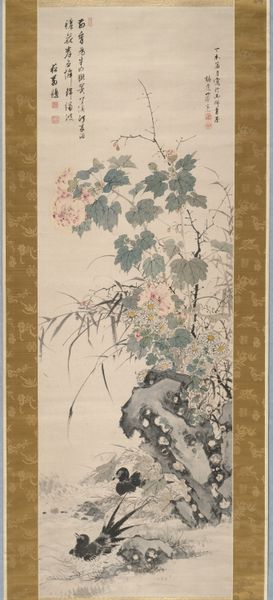
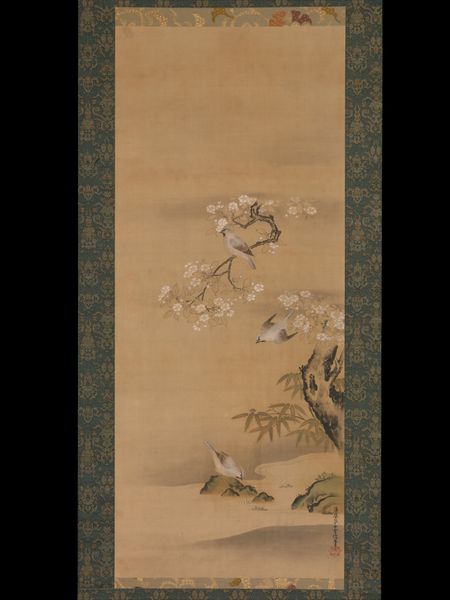
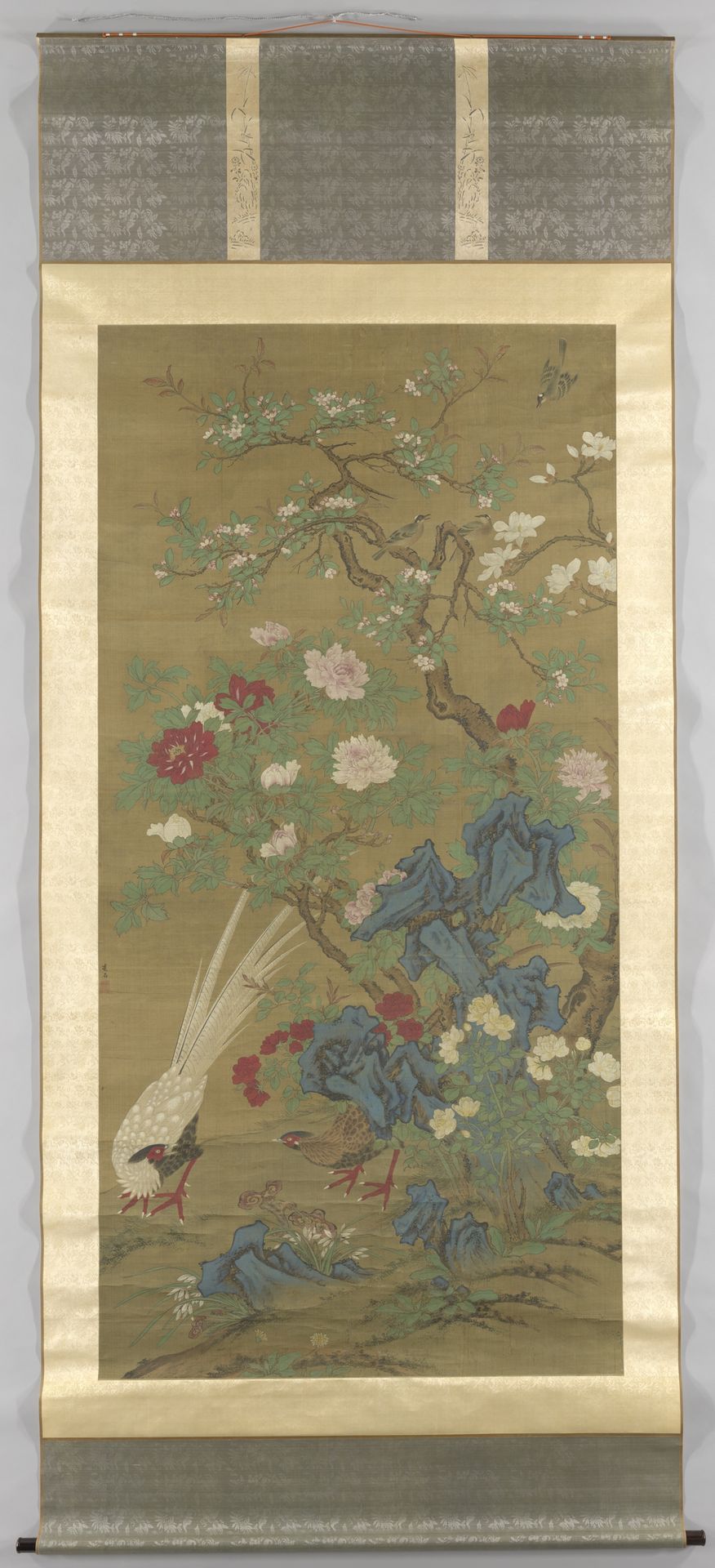
Silver Pheasants under Spring Blossoms

Listen to curator's interpretation
Curatorial notes
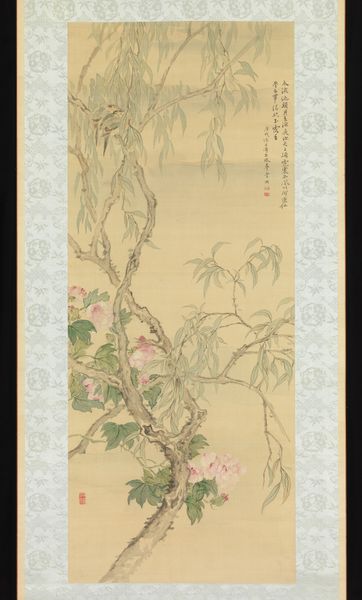
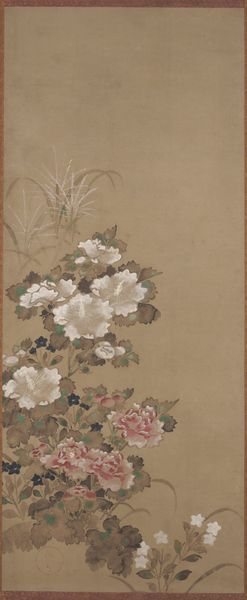
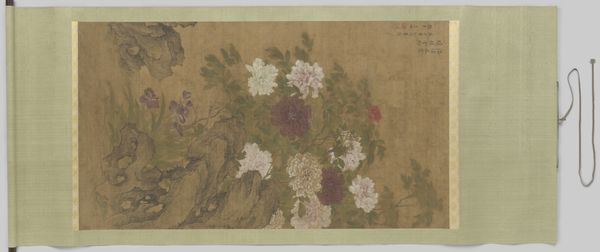
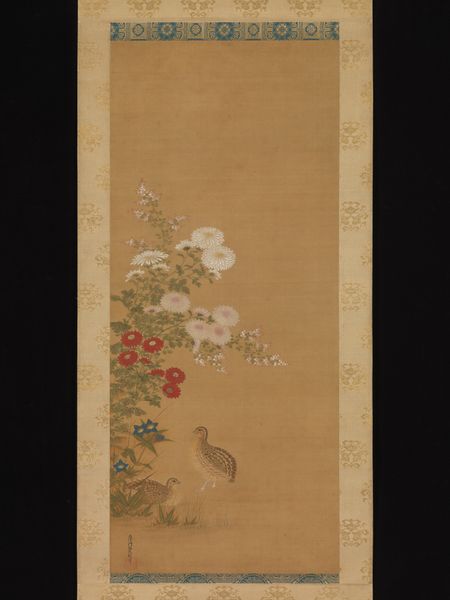
Editor: This is *Silver Pheasants under Spring Blossoms*, a watercolor painting dating back to around 1500 by Ye Shuangshi. The details are incredibly delicate. What stands out to me is how meticulously the blossoms and feathers are rendered. How do you read this piece? Curator: Considering a materialist approach, I see this piece as less about the aesthetic representation of nature and more about the labor and resources invested in its creation. Think about the process of creating pigments in 1500 – the social implications of that, how that shaped artmaking and how it dictated the visual experience. Editor: So you’re saying we should consider the economics of art making when looking at it? How does that change how we perceive the painting? Curator: Absolutely. What pigments were readily available? Who had access to them? What was the socio-economic status of artists who created works like these? Think about how the cultivation of the materials impacted nature and society during this era. Consider the silk used, the process of dying and weaving – these weren't mere backdrops, but integral components reflecting the value systems and social hierarchy of the time. Editor: That’s fascinating. So, the very materials themselves tell a story about production and consumption during the time. Curator: Precisely. The work isn't just a representation of silver pheasants, but evidence of human intervention and material culture. Do you think this shift in perspective allows us to reassess traditional art historical narratives and maybe appreciate some of the other artworks exhibited here, but looking at a new angle? Editor: Yes, absolutely. Thinking about art in terms of its material creation reveals the network of laborers and resources, challenging our romantic notions about art-making and the artist! It brings the art closer to society and even helps understanding art beyond artistic skills. Curator: Exactly. A lens that might inform many artworks on display in the gallery.