About this artwork
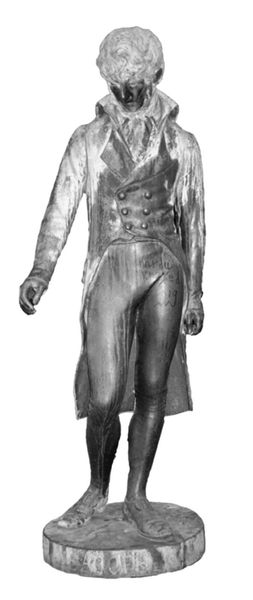
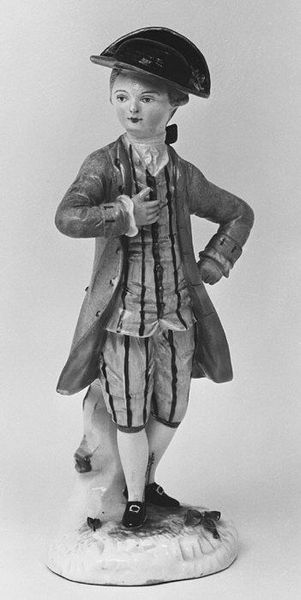
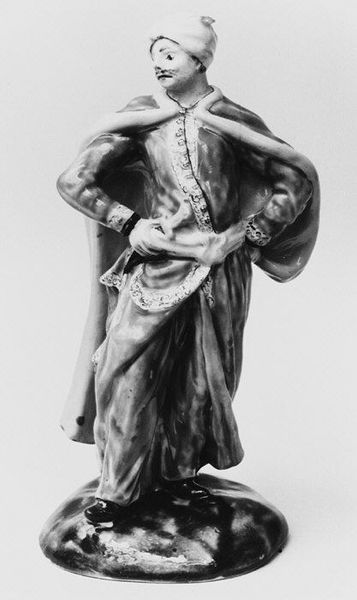
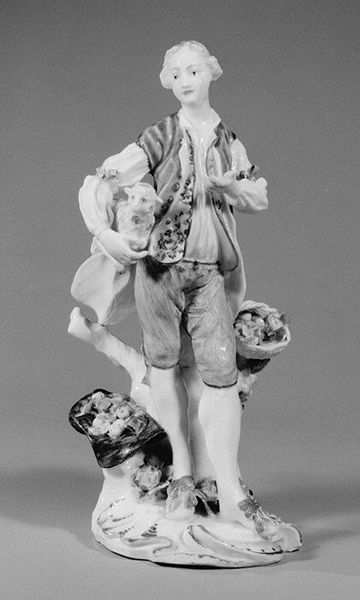
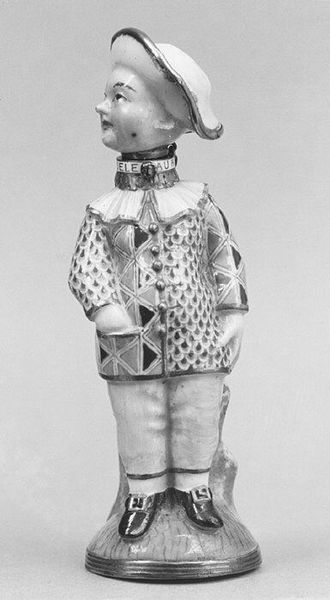
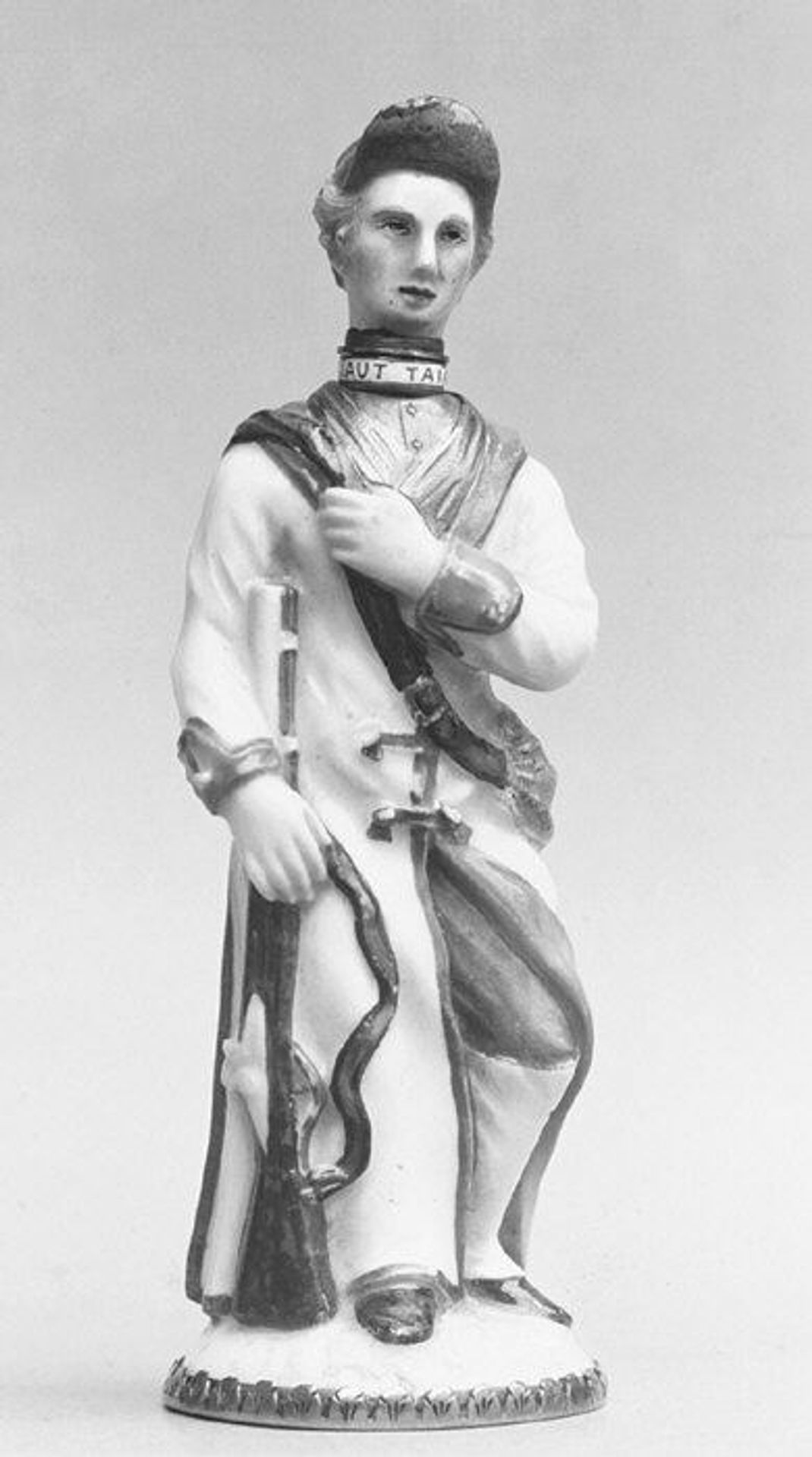
This scent bottle, in the form of a hunter, was made by the Meissen Manufactory, which was established in the early 18th century. It's made from porcelain, a relatively new and highly prized material at that time. Porcelain production was a complex and labor-intensive process. It involved sourcing the right raw materials, carefully mixing and shaping the clay, and then firing it at extremely high temperatures, a process that often resulted in failure. The Meissen factory developed sophisticated techniques for molding, glazing, and painting porcelain, requiring skilled artisans at every stage. The figurine itself is carefully modeled, with attention to detail in the hunter's clothing, weapon, and facial features. It was then hand-painted. In its day, this would have been considered both a luxury good and a demonstration of technical and artistic prowess, reflecting the social status of its owner and the expertise of the Meissen artisans. It is important to recognize how the intensive labor and skill involved in its production contributed to its value and cultural significance.
Scent bottle in the form of a hunter
1735 - 1745


Artwork details
- Medium
- ceramic, porcelain, sculpture
- Dimensions
- Height: 3 7/8 in. (9.8 cm)
- Location
- Metropolitan Museum of Art, New York, NY
- Copyright
- Public Domain
Tags
Comments
Share your thoughts
About this artwork
This scent bottle, in the form of a hunter, was made by the Meissen Manufactory, which was established in the early 18th century. It's made from porcelain, a relatively new and highly prized material at that time. Porcelain production was a complex and labor-intensive process. It involved sourcing the right raw materials, carefully mixing and shaping the clay, and then firing it at extremely high temperatures, a process that often resulted in failure. The Meissen factory developed sophisticated techniques for molding, glazing, and painting porcelain, requiring skilled artisans at every stage. The figurine itself is carefully modeled, with attention to detail in the hunter's clothing, weapon, and facial features. It was then hand-painted. In its day, this would have been considered both a luxury good and a demonstration of technical and artistic prowess, reflecting the social status of its owner and the expertise of the Meissen artisans. It is important to recognize how the intensive labor and skill involved in its production contributed to its value and cultural significance.
Comments
Share your thoughts