About this artwork
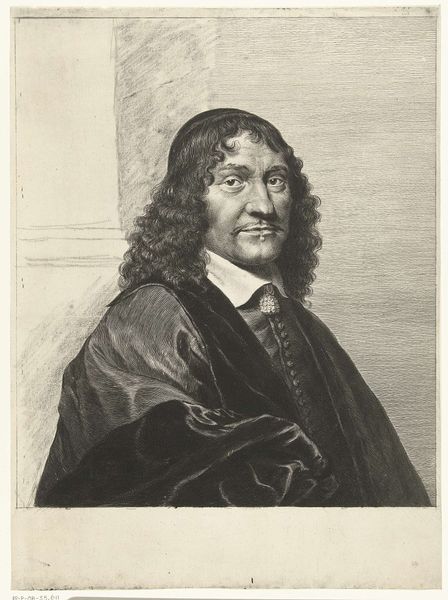
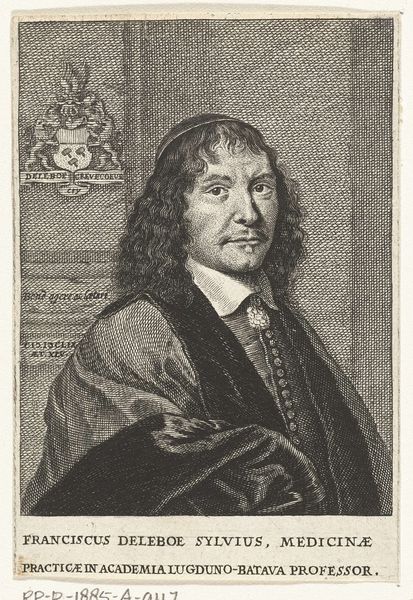
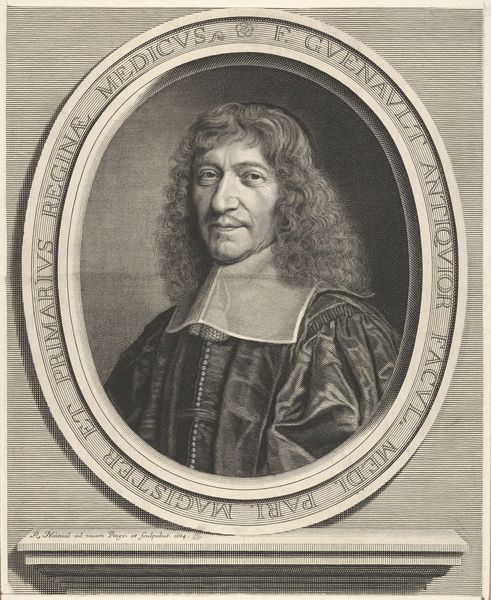
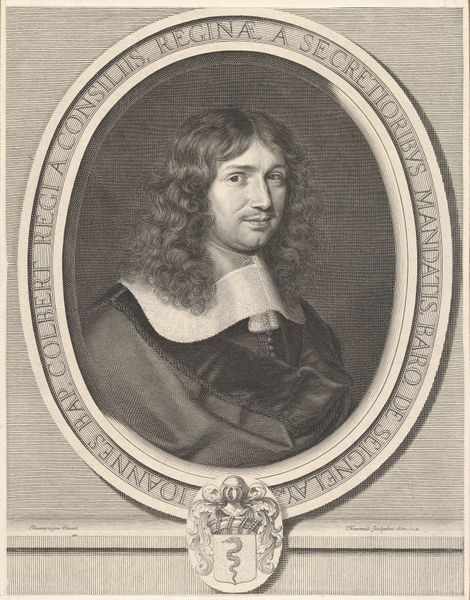
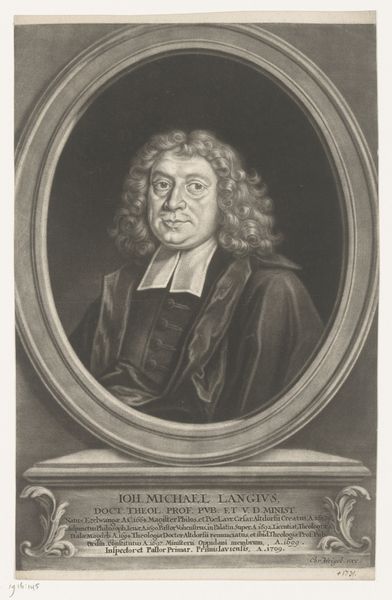
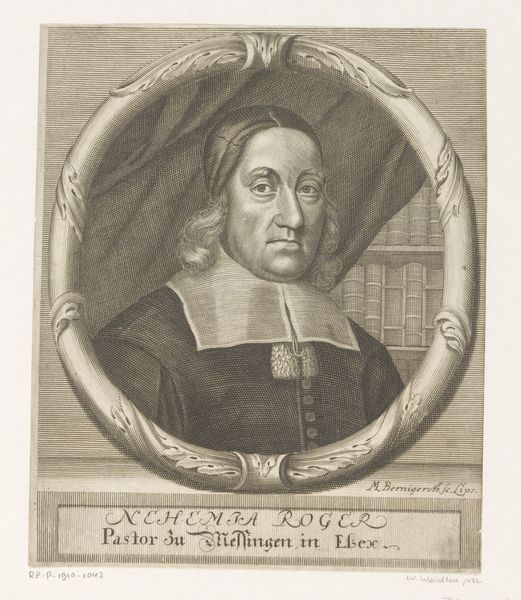
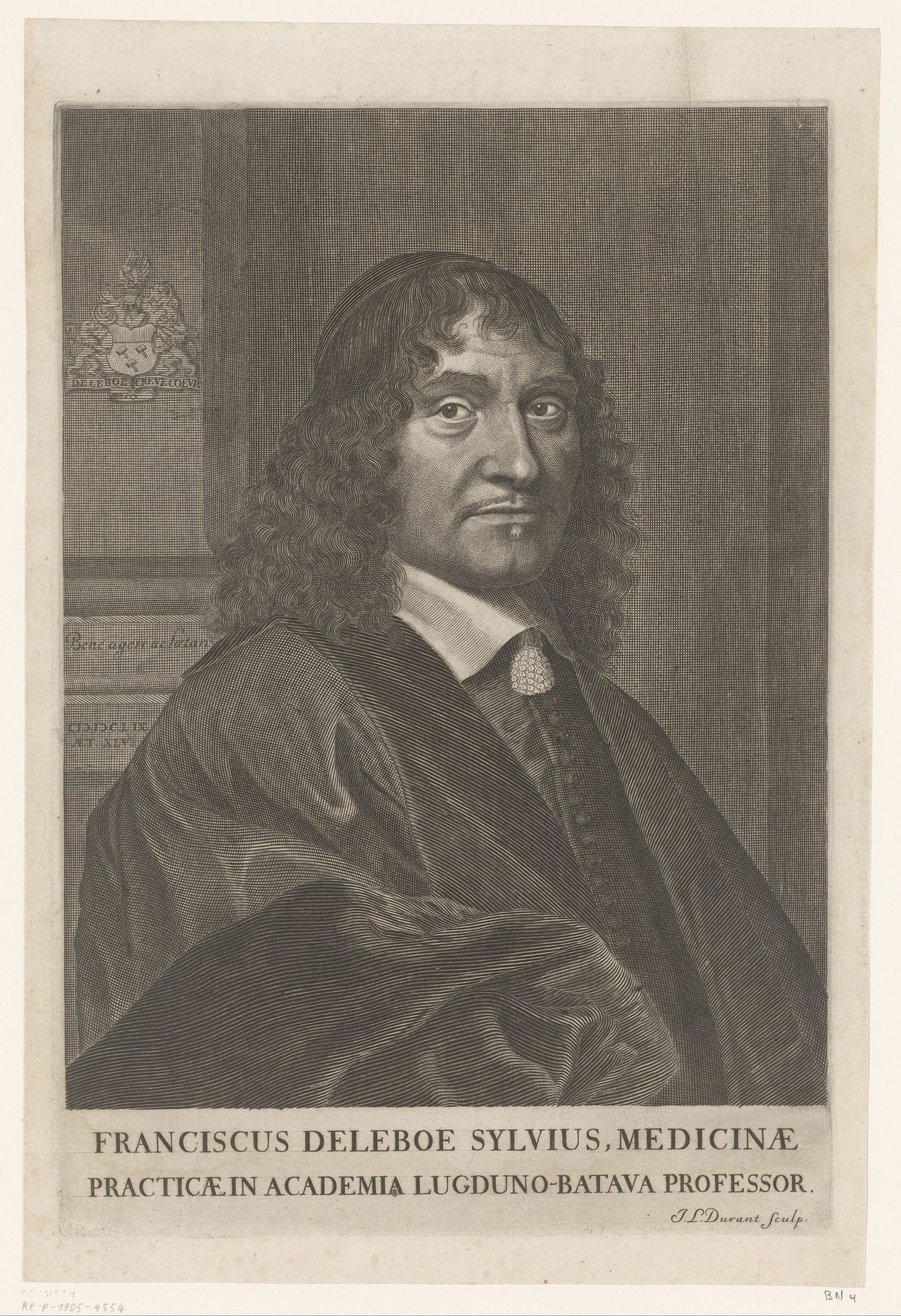
Jacques Louis Durant created this print of Franciscus de le Boë Sylvius, a professor of medicine at Leiden University, sometime in the mid-17th century. Prints like this one served an important social function in the Dutch Republic. As there were no readily available photographs, printed portraits provided a means of circulating images of prominent individuals. Sylvius himself contributed significantly to medical knowledge through his research into the chemical processes of the human body. Durant presents Sylvius in a formal pose, befitting his status as a leading academic. His robes and the inscription below further emphasize his professional standing. But this image also reflects the rising prestige of scientific inquiry in the Dutch Golden Age. Institutions such as Leiden University played a key role in fostering intellectual innovation, and portraits like this helped to celebrate and legitimize the achievements of its scholars. To better understand the full context of this print, we might consult archival records of Leiden University, as well as biographical accounts of Sylvius and Durant. The meaning of art is always contingent on its social and institutional context.
Portret van Franciscus de le Boë Sylvius op 45-jarige leeftijd
1659

Jacques Louis Durant
1622Location
RijksmuseumArtwork details
- Medium
- print, engraving
- Dimensions
- height 286 mm, width 195 mm
- Location
- Rijksmuseum
- Copyright
- Rijks Museum: Open Domain
Tags
Comments
Share your thoughts
About this artwork
Jacques Louis Durant created this print of Franciscus de le Boë Sylvius, a professor of medicine at Leiden University, sometime in the mid-17th century. Prints like this one served an important social function in the Dutch Republic. As there were no readily available photographs, printed portraits provided a means of circulating images of prominent individuals. Sylvius himself contributed significantly to medical knowledge through his research into the chemical processes of the human body. Durant presents Sylvius in a formal pose, befitting his status as a leading academic. His robes and the inscription below further emphasize his professional standing. But this image also reflects the rising prestige of scientific inquiry in the Dutch Golden Age. Institutions such as Leiden University played a key role in fostering intellectual innovation, and portraits like this helped to celebrate and legitimize the achievements of its scholars. To better understand the full context of this print, we might consult archival records of Leiden University, as well as biographical accounts of Sylvius and Durant. The meaning of art is always contingent on its social and institutional context.
Comments
Share your thoughts