About this artwork
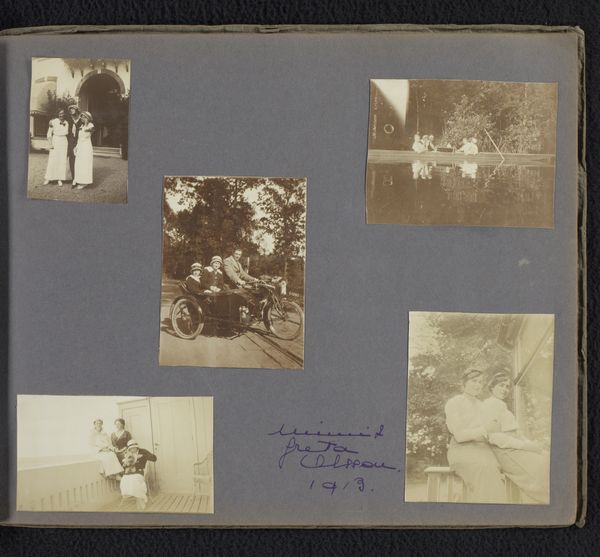
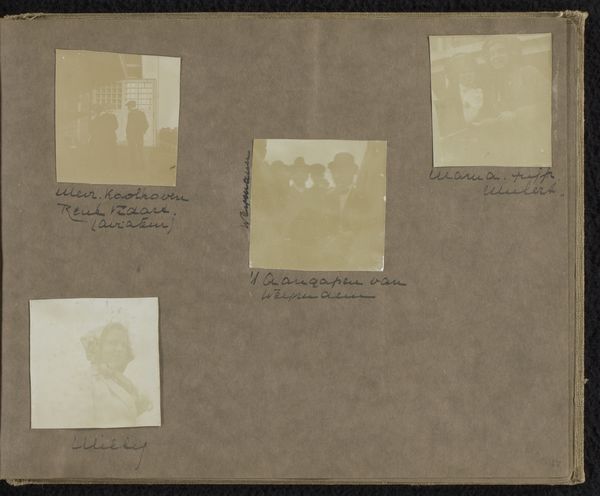
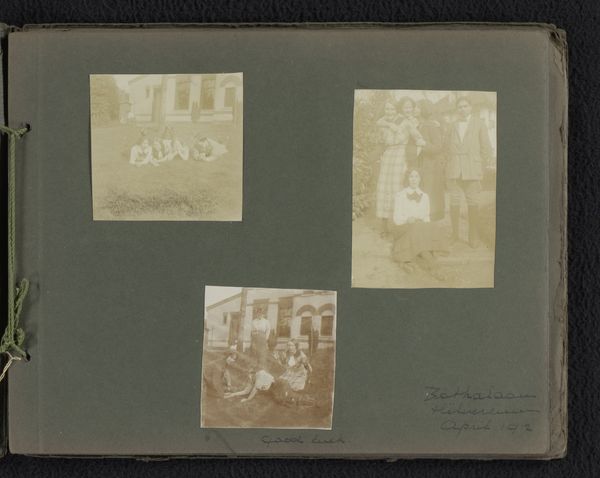
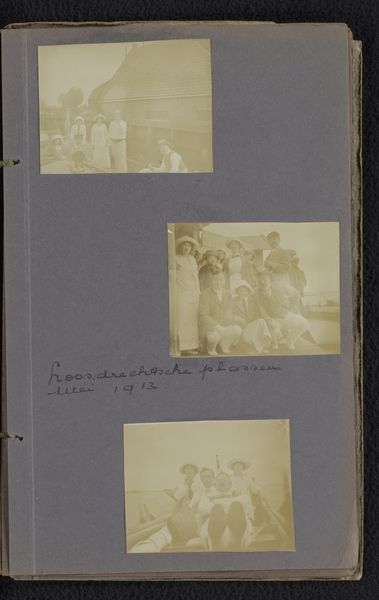
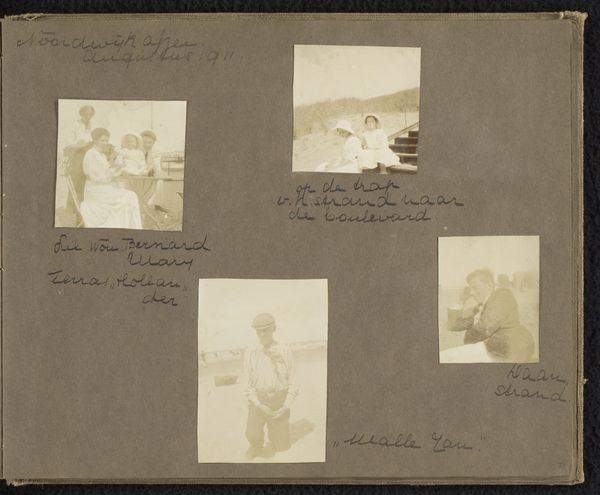
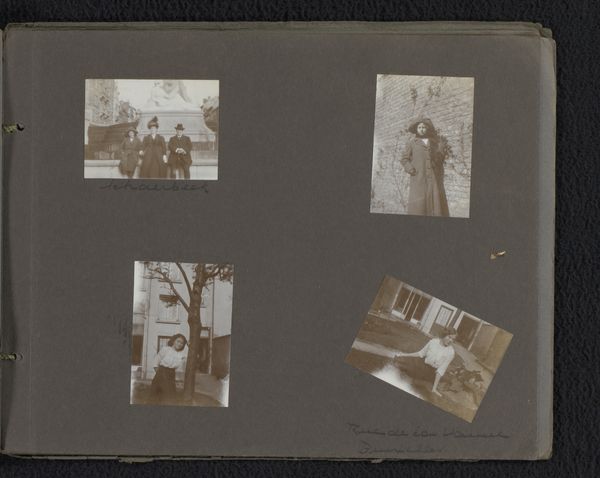
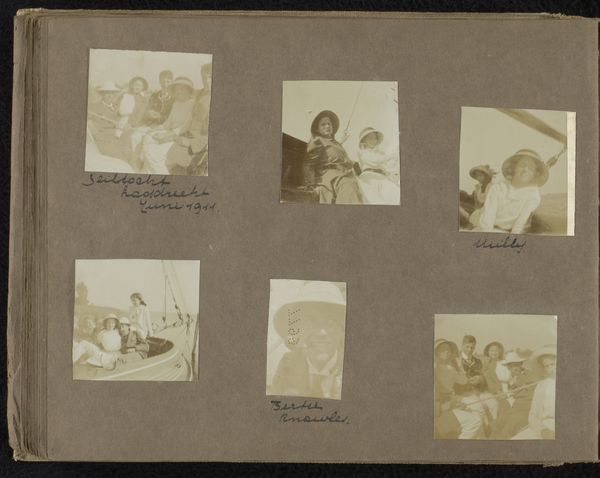
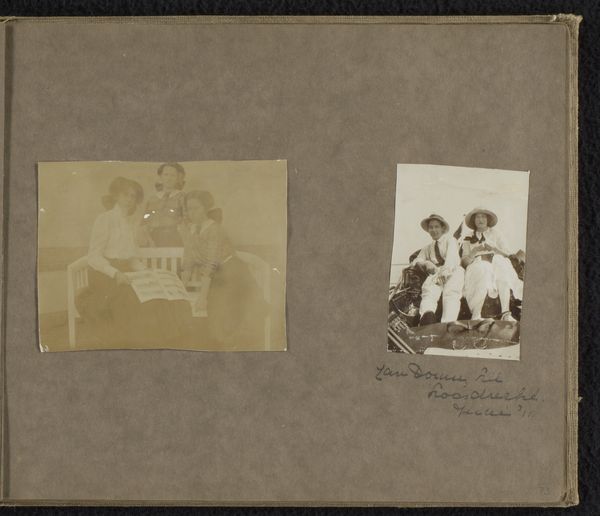
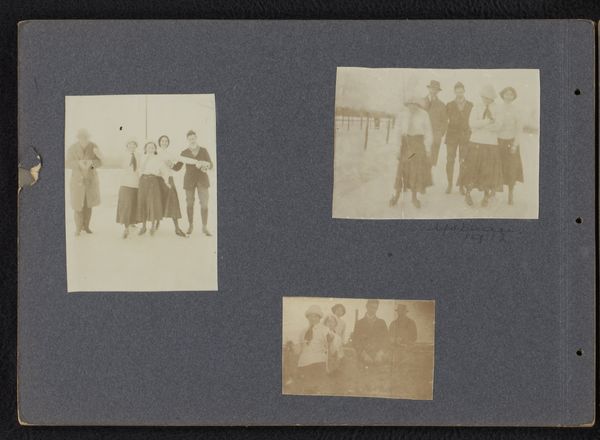
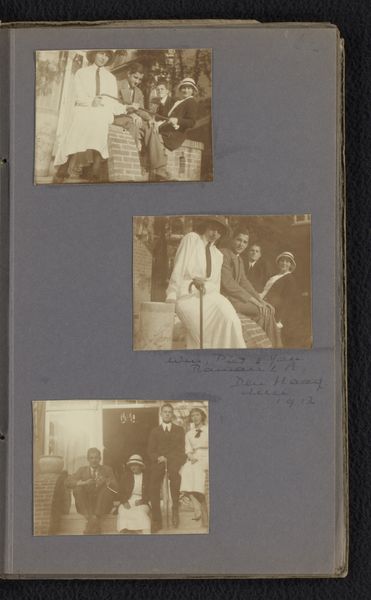
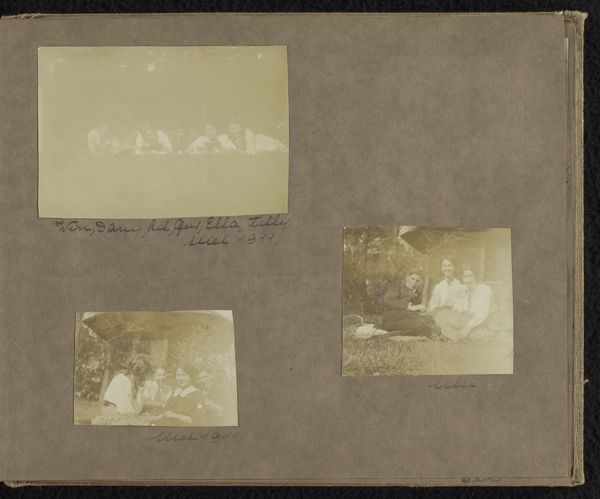
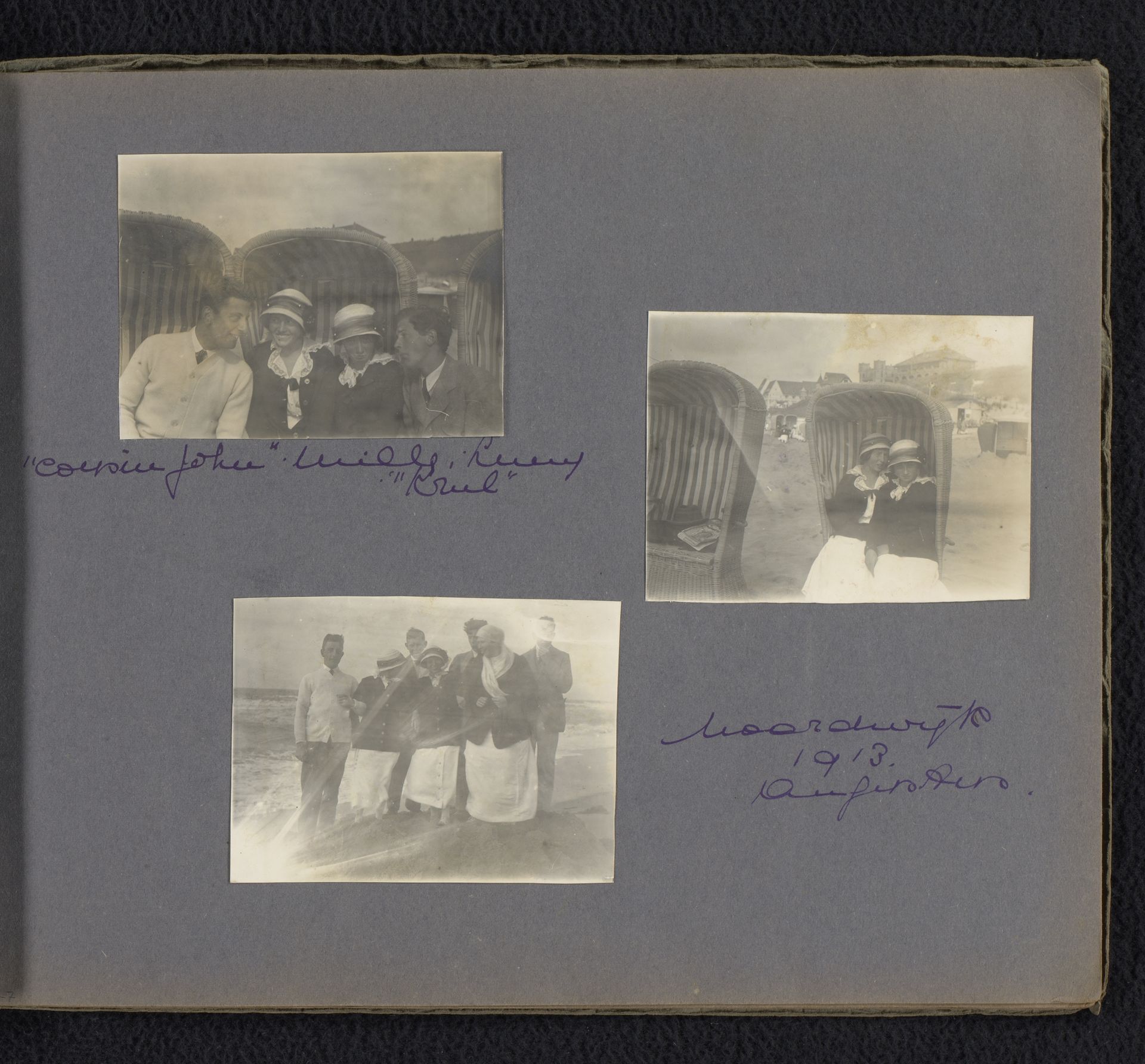
This is a photograph from 1913, found in an anonymous photo album and titled 'Vriendengroep op het strand van Noordwijk, met Willy Onnen, Lenny en 'Krul'.' The image offers a glimpse into a specific social milieu of the early 20th century in the Netherlands. The subjects, likely middle to upper-class, are captured enjoying leisure time at the beach, a site that was increasingly becoming a space for recreation and social display. The beach huts, in which some of the figures sit, provide a sense of privacy, and their presence speaks to the commodification of leisure and tourism during this period. This image may seem simple, but it is a poignant reflection of the changing social norms and the emergence of modern identities. It raises questions about who had access to these leisure spaces and how gender and class influenced these experiences. While we may not know the full stories of Willy, Lenny, or "Krul," their presence in this photograph invites us to consider the intimate moments that shape history.
Vriendengroep op het strand van Noordwijk, met Willy Onnen, Lenny en 'Krul'
1913 - 1918

Artwork details
- Medium
- print, photography, gelatin-silver-print
- Dimensions
- height 270 mm, width 335 mm
- Copyright
- Rijks Museum: Open Domain
Tags
Comments
Share your thoughts
About this artwork
This is a photograph from 1913, found in an anonymous photo album and titled 'Vriendengroep op het strand van Noordwijk, met Willy Onnen, Lenny en 'Krul'.' The image offers a glimpse into a specific social milieu of the early 20th century in the Netherlands. The subjects, likely middle to upper-class, are captured enjoying leisure time at the beach, a site that was increasingly becoming a space for recreation and social display. The beach huts, in which some of the figures sit, provide a sense of privacy, and their presence speaks to the commodification of leisure and tourism during this period. This image may seem simple, but it is a poignant reflection of the changing social norms and the emergence of modern identities. It raises questions about who had access to these leisure spaces and how gender and class influenced these experiences. While we may not know the full stories of Willy, Lenny, or "Krul," their presence in this photograph invites us to consider the intimate moments that shape history.
Comments
Share your thoughts