About this artwork
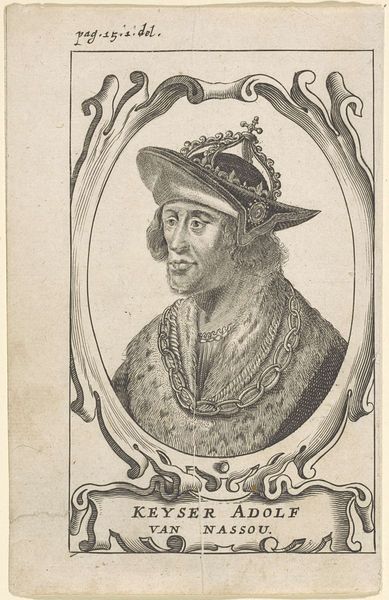
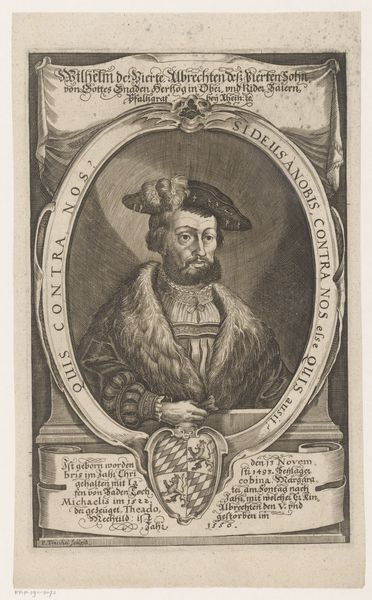
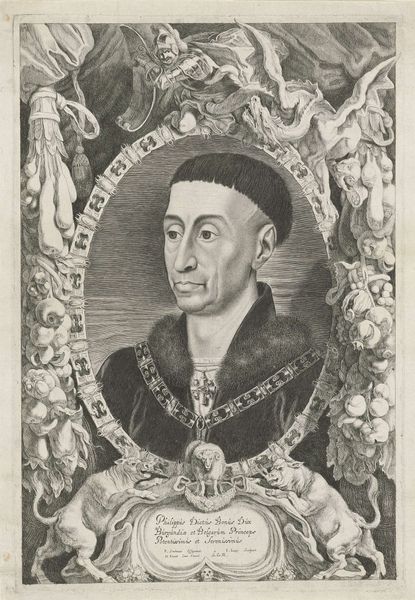
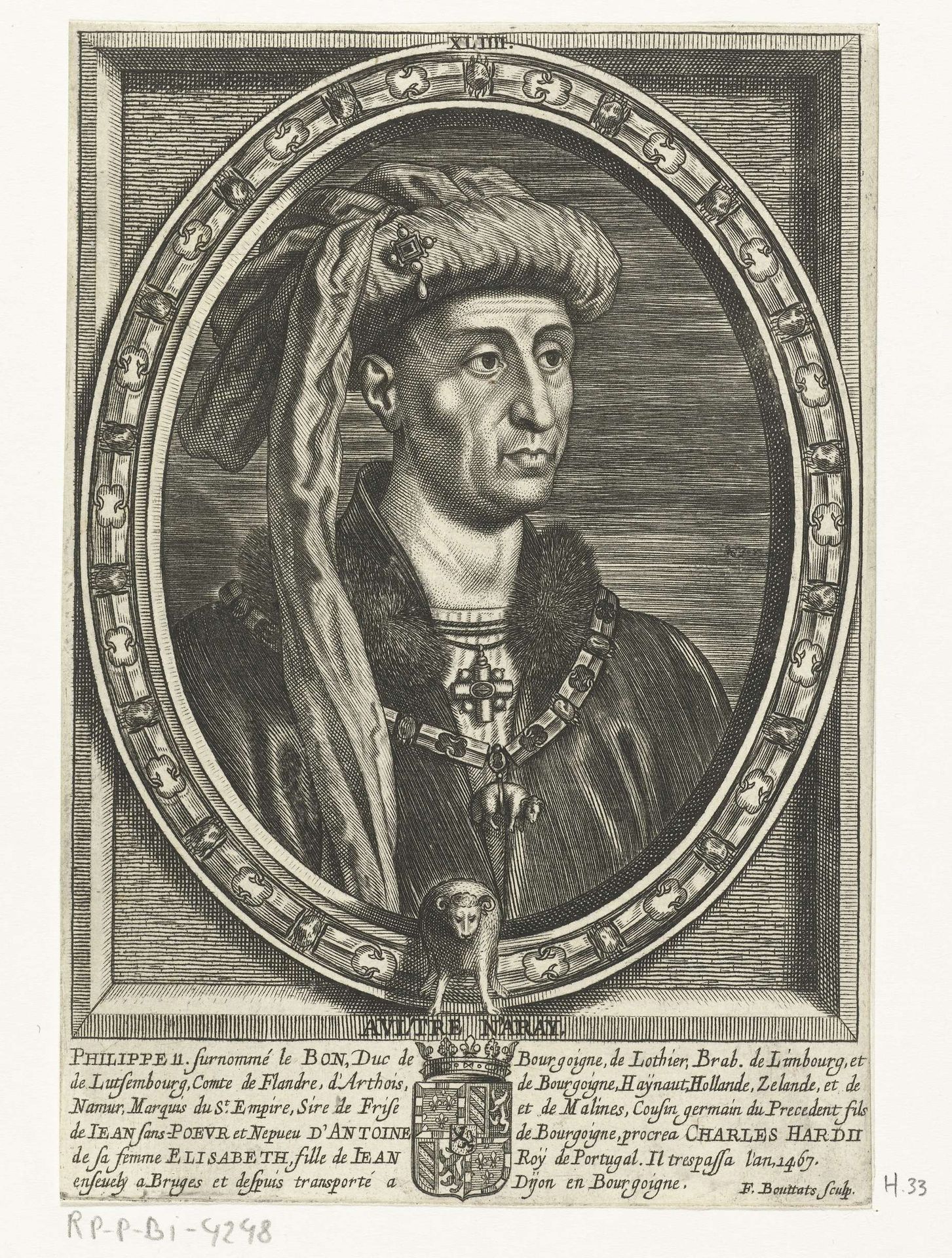
This is Frederik Bouttats' portrait of Philip the Good, rendered with etching, a technique known for its precision. The portrait’s impact arises from its study of structure, carefully arranged within a rectangular frame containing an oval. This directs our focus inward, towards the detailed representation of Philip. Observe the contrast in textures—the soft rendering of his turban against the firm lines defining his face. The intricate chain and fur collar add depth and complexity. The composition invites a semiotic reading. The oval shape symbolizes continuity and the cyclical nature of power. The gaze is directed off to the right, suggesting a forward-thinking vision. Bouttats uses line and form to not only depict but also to interpret Philip’s role and character. The contrast of light and shadow gives volume to the piece and enhances its solemnity. Ultimately, this portrait encapsulates an era, using form and structure to articulate narratives of power, legacy, and perception.

Artwork details
- Medium
- print, engraving
- Dimensions
- height 174 mm, width 119 mm
- Location
- Rijksmuseum
- Copyright
- Rijks Museum: Open Domain
Tags
Comments
Share your thoughts
About this artwork
This is Frederik Bouttats' portrait of Philip the Good, rendered with etching, a technique known for its precision. The portrait’s impact arises from its study of structure, carefully arranged within a rectangular frame containing an oval. This directs our focus inward, towards the detailed representation of Philip. Observe the contrast in textures—the soft rendering of his turban against the firm lines defining his face. The intricate chain and fur collar add depth and complexity. The composition invites a semiotic reading. The oval shape symbolizes continuity and the cyclical nature of power. The gaze is directed off to the right, suggesting a forward-thinking vision. Bouttats uses line and form to not only depict but also to interpret Philip’s role and character. The contrast of light and shadow gives volume to the piece and enhances its solemnity. Ultimately, this portrait encapsulates an era, using form and structure to articulate narratives of power, legacy, and perception.
Comments
Share your thoughts