About this artwork
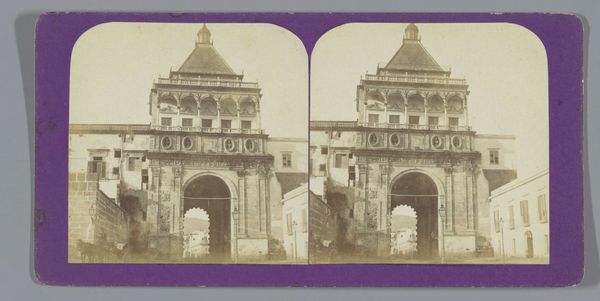
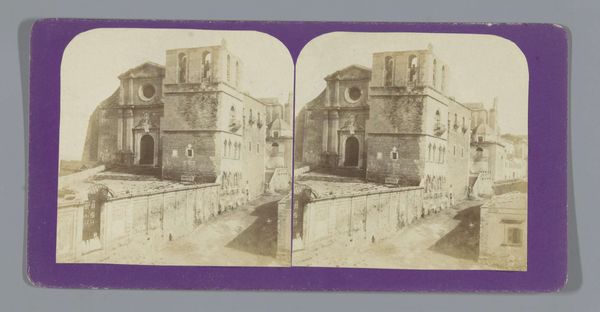
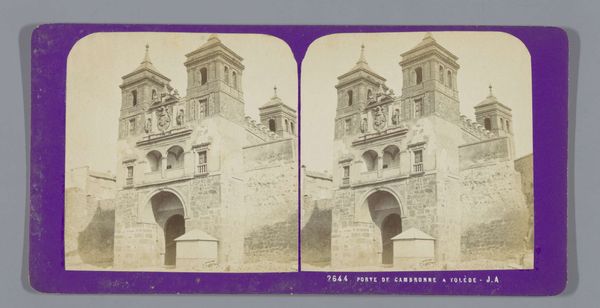
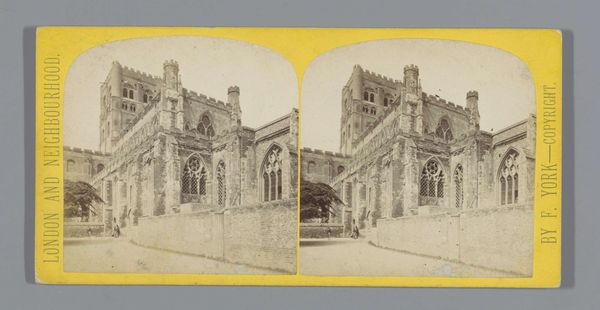
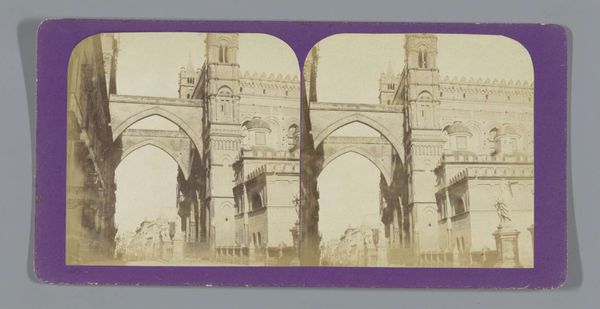
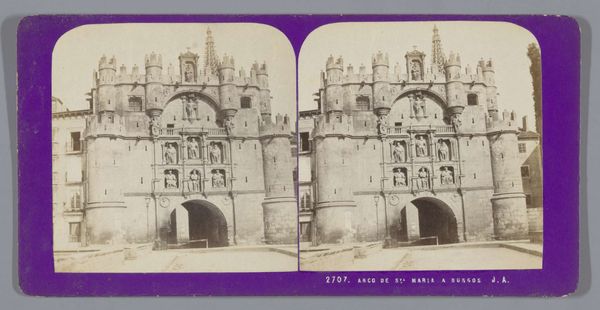
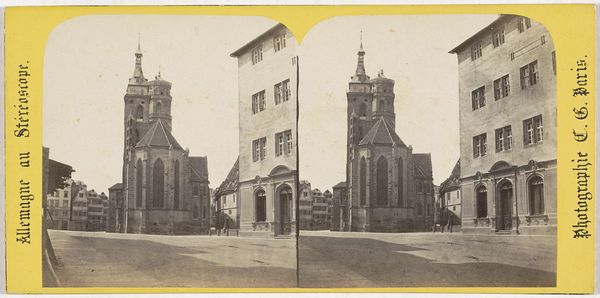
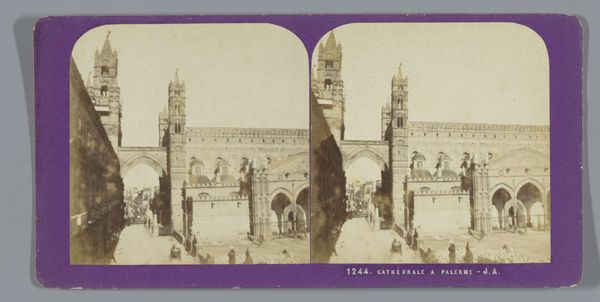
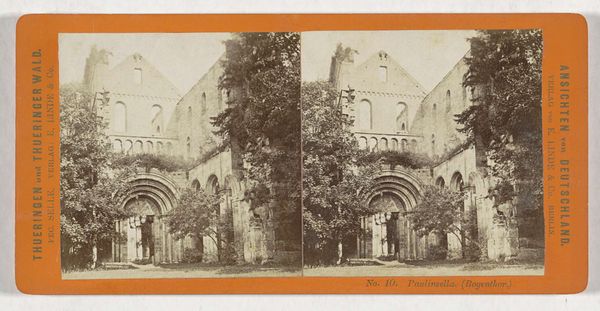
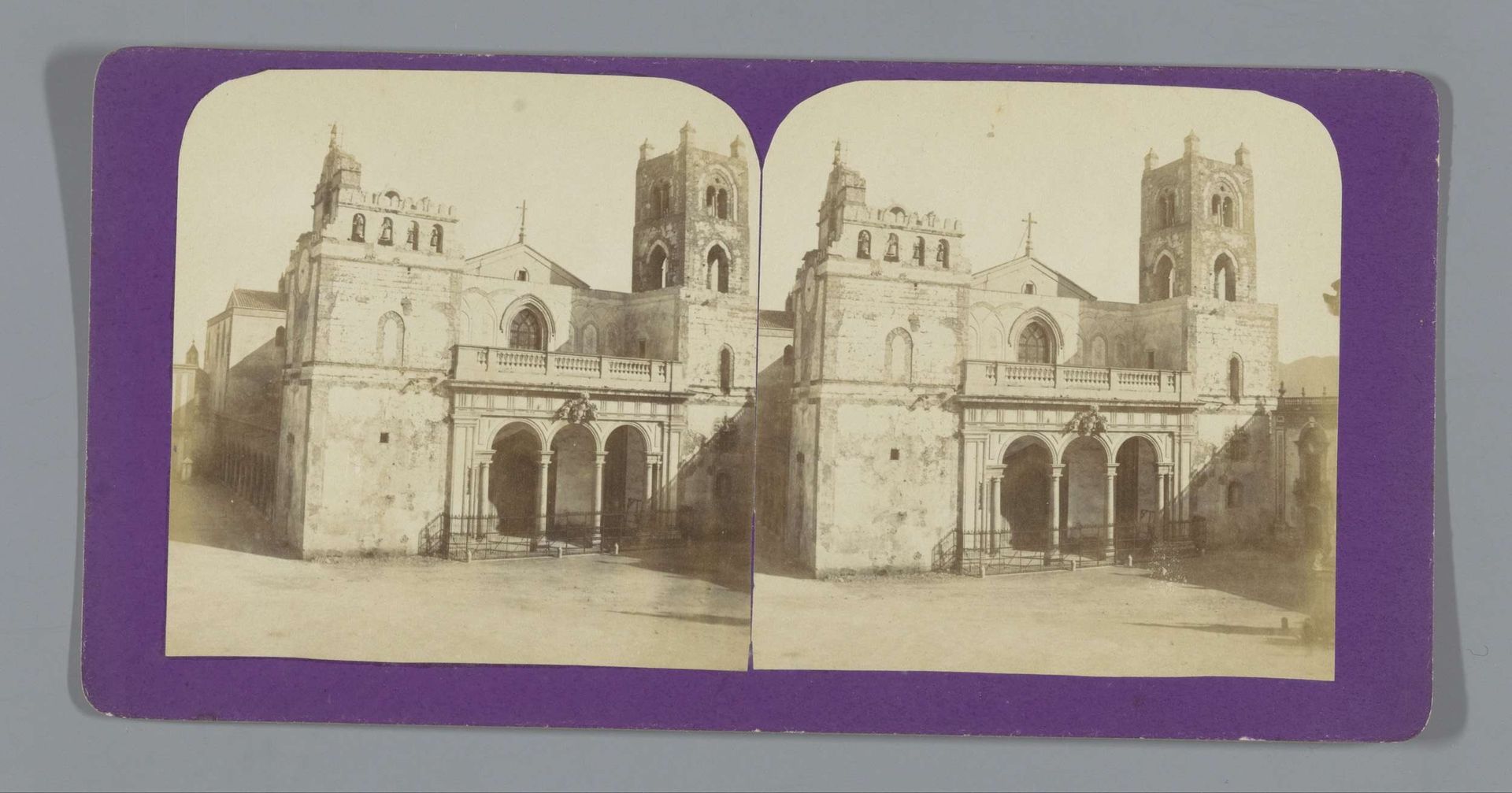
Jean Andrieu made this stereoscopic photograph of the Cathedral of Monreale using the albumen print process. This image captures not just a building, but a moment in the complex history of Sicily under Norman rule in the 12th century. The Cathedral itself is a powerful declaration of Norman identity and authority. Its architecture and ornamentation reflect a deliberate fusion of Norman, Arab, and Byzantine artistic traditions, indicative of the cultural complexities of the time. Stereoscopic images like these gained popularity in the 19th century, as a tool of exploration and documentation. The photograph flattens the Cathedral’s layered history into a single, consumable image. Consider, as you look at it, the identities and powers that shaped this place. The photograph serves as both a historical document and a silent witness to the passage of time, inviting us to reflect on the legacies of cultural exchange.

Artwork details
- Medium
- photography, gelatin-silver-print, albumen-print, architecture
- Dimensions
- height 88 mm, width 177 mm
- Copyright
- Rijks Museum: Open Domain
Tags
landscape
photography
coloured pencil
gelatin-silver-print
watercolor
albumen-print
architecture
realism
Comments
No comments
About this artwork
Jean Andrieu made this stereoscopic photograph of the Cathedral of Monreale using the albumen print process. This image captures not just a building, but a moment in the complex history of Sicily under Norman rule in the 12th century. The Cathedral itself is a powerful declaration of Norman identity and authority. Its architecture and ornamentation reflect a deliberate fusion of Norman, Arab, and Byzantine artistic traditions, indicative of the cultural complexities of the time. Stereoscopic images like these gained popularity in the 19th century, as a tool of exploration and documentation. The photograph flattens the Cathedral’s layered history into a single, consumable image. Consider, as you look at it, the identities and powers that shaped this place. The photograph serves as both a historical document and a silent witness to the passage of time, inviting us to reflect on the legacies of cultural exchange.
Comments
No comments