About this artwork
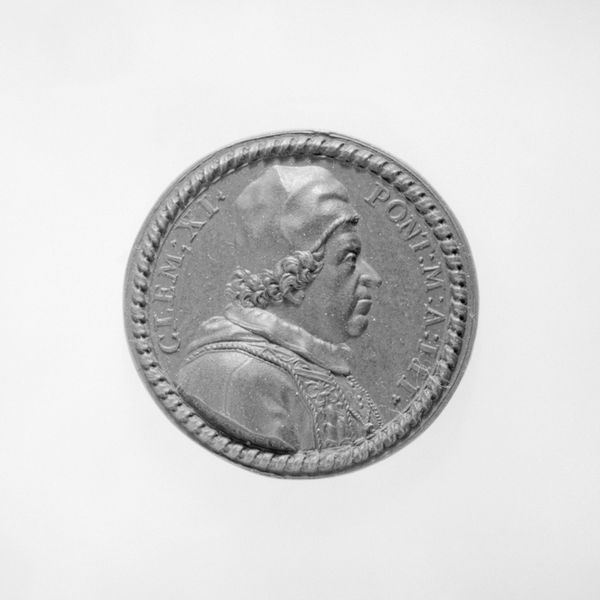
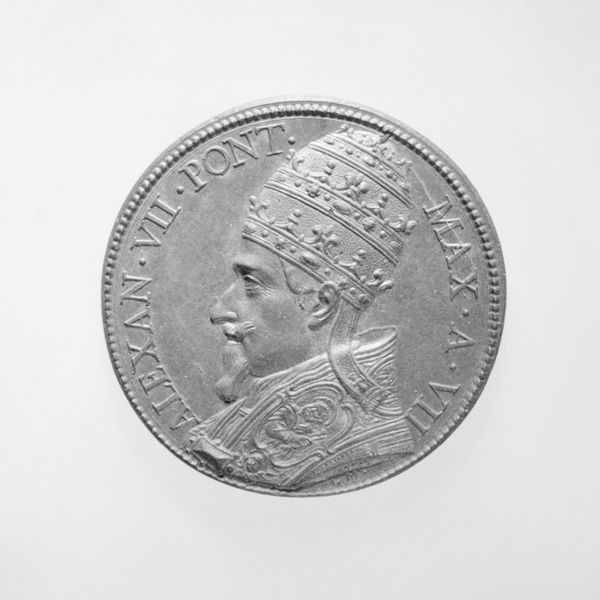
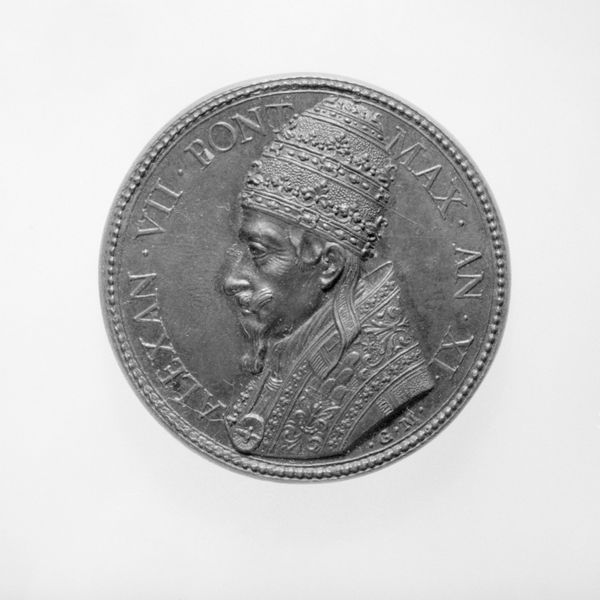
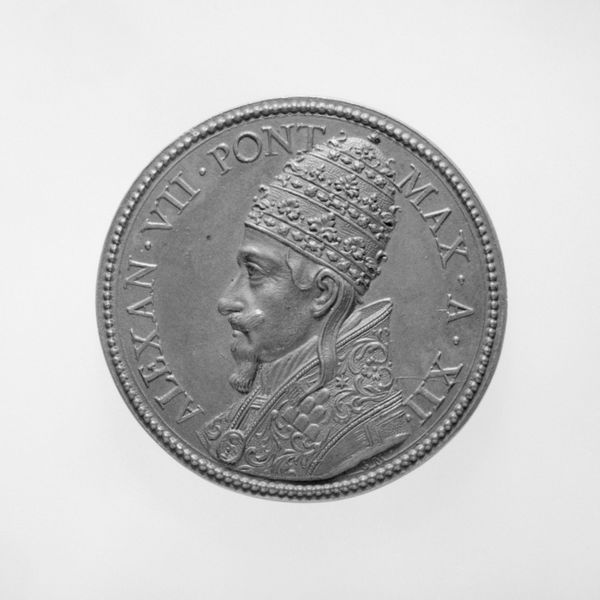
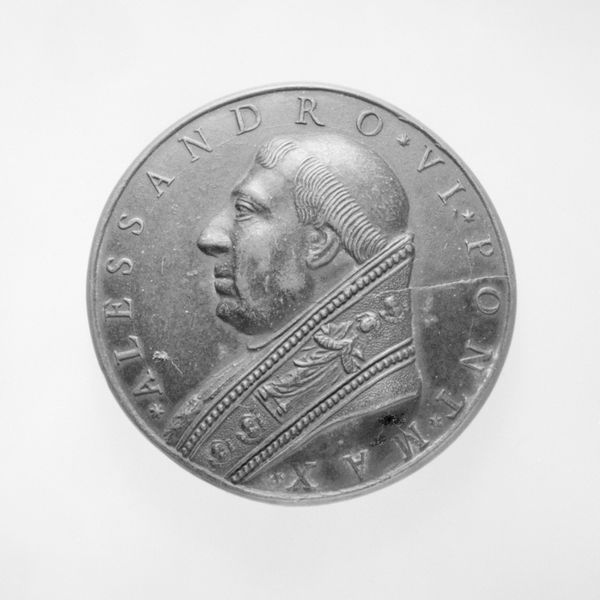
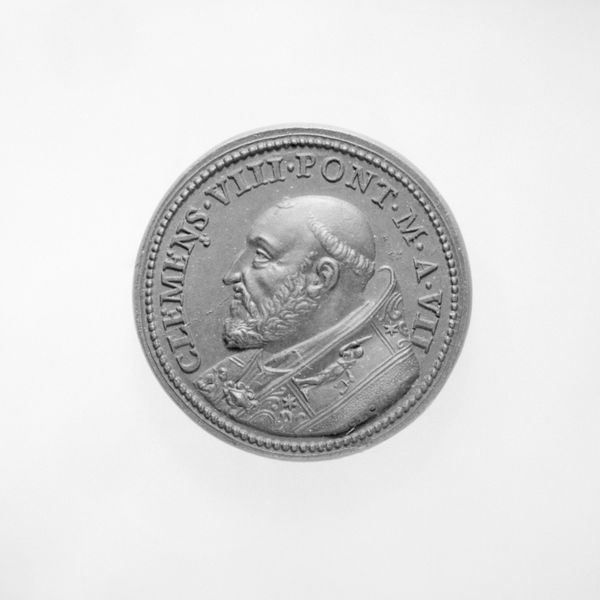
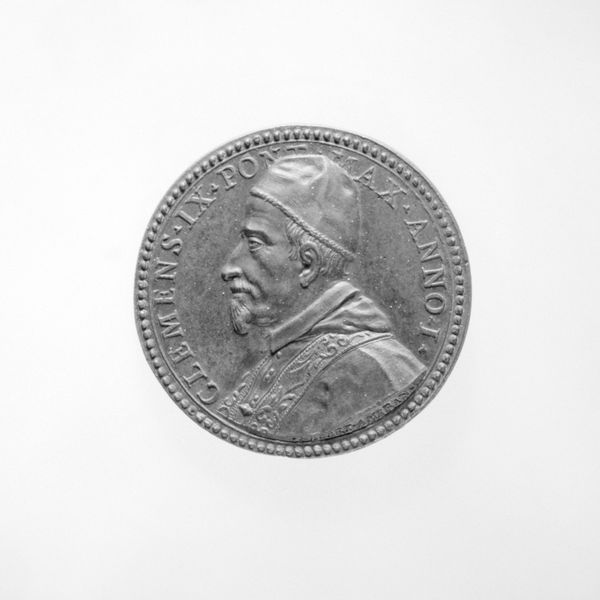
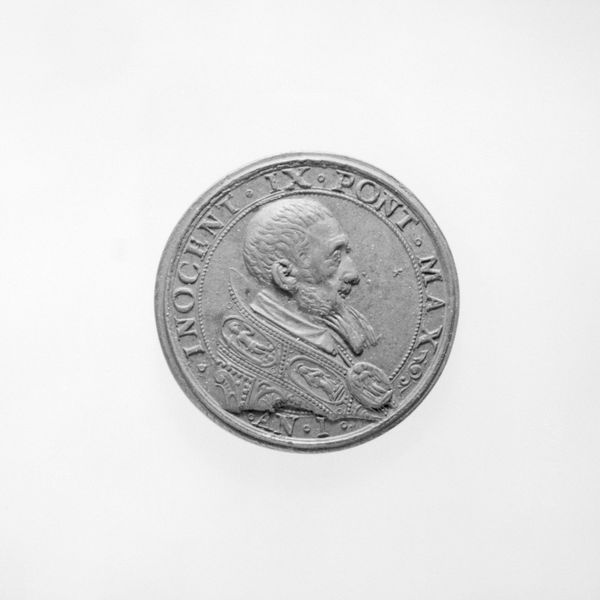
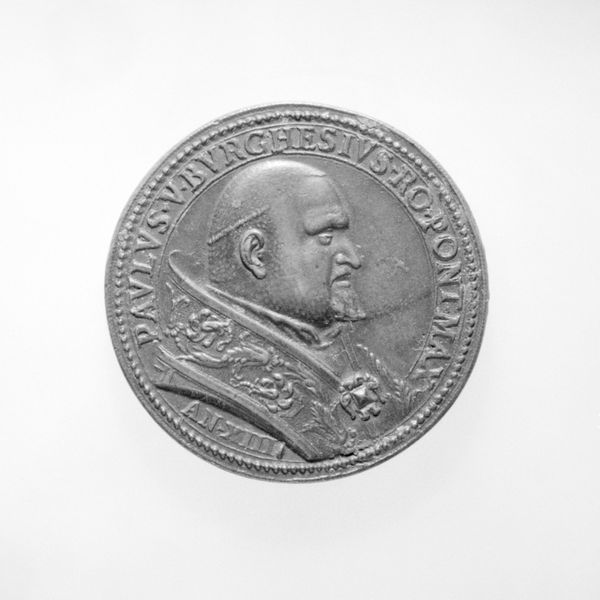
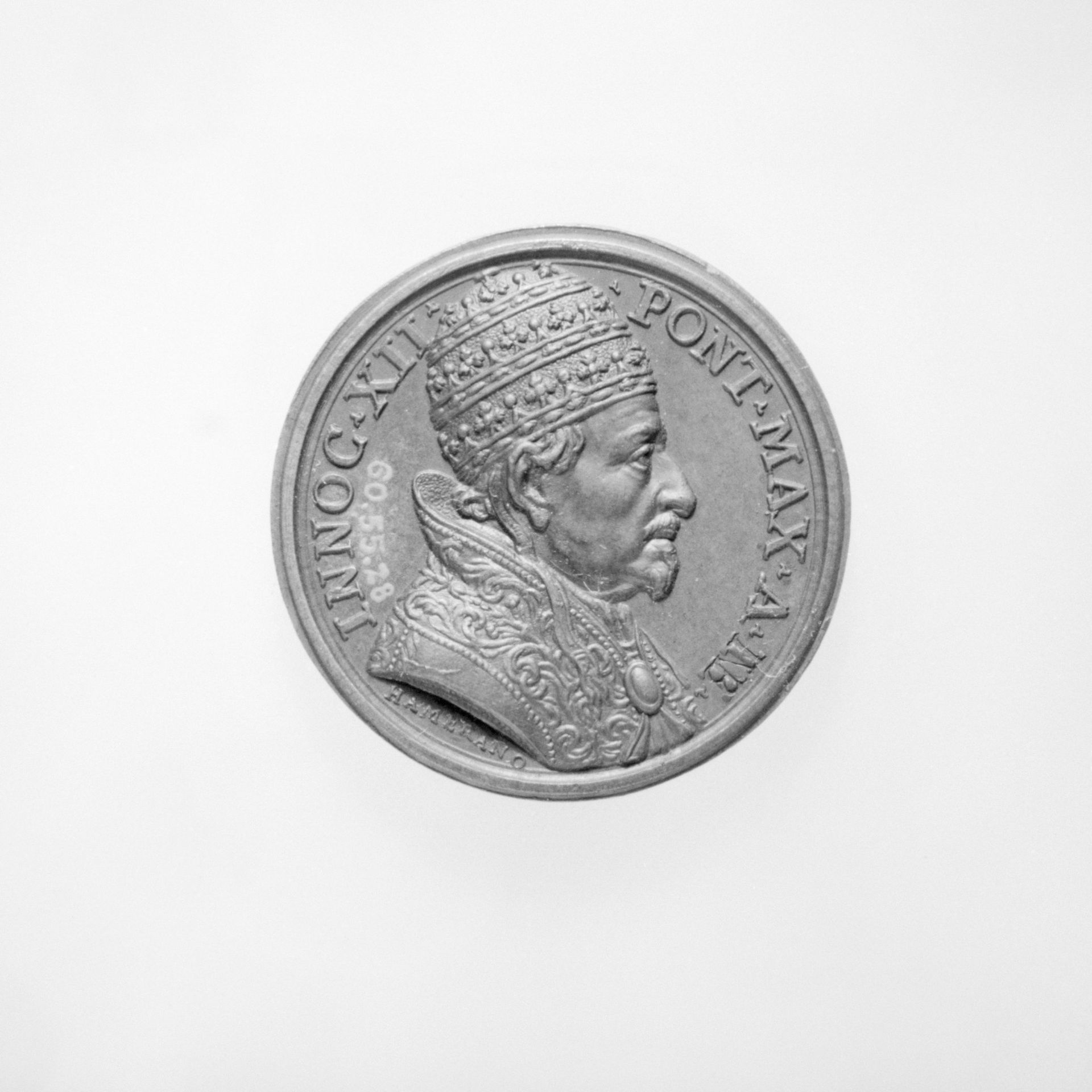
This medal of Pope Innocent XII was made in Rome by Giovanni Martino Hamerani, likely during Innocent’s papacy from 1691 to 1700. It offers a glimpse into the politics of imagery and the public role of art in the Catholic Church. The medal presents Innocent XII in profile, wearing elaborate papal regalia. The inscription employs abbreviated Latin to declare Innocent XII as Pontifex Maximus, or supreme pontiff. During his reign, Innocent was known for his attempts to reform the Church. He sought to curb nepotism and corruption, addressing issues of social structure within the institution. To understand this piece fully, we can consult Vatican archives, historical records of the papal mint, and Hamerani’s other works. Art history reminds us that even small objects can reflect the significant social and institutional dynamics of their time.
Innocent XII (Pope, 1691–1700)
17th century

Giovanni Martino Hamerani
1646 - 1705
The Metropolitan Museum of Art
Metropolitan Museum of Art, New York, NYArtwork details
- Medium
- bronze, sculpture
- Dimensions
- Diameter: 1 1/4 in. (3.2 cm)
- Location
- Metropolitan Museum of Art, New York, NY
- Copyright
- Public Domain
Tags
Comments
Share your thoughts
About this artwork
This medal of Pope Innocent XII was made in Rome by Giovanni Martino Hamerani, likely during Innocent’s papacy from 1691 to 1700. It offers a glimpse into the politics of imagery and the public role of art in the Catholic Church. The medal presents Innocent XII in profile, wearing elaborate papal regalia. The inscription employs abbreviated Latin to declare Innocent XII as Pontifex Maximus, or supreme pontiff. During his reign, Innocent was known for his attempts to reform the Church. He sought to curb nepotism and corruption, addressing issues of social structure within the institution. To understand this piece fully, we can consult Vatican archives, historical records of the papal mint, and Hamerani’s other works. Art history reminds us that even small objects can reflect the significant social and institutional dynamics of their time.
Comments
Share your thoughts