About this artwork
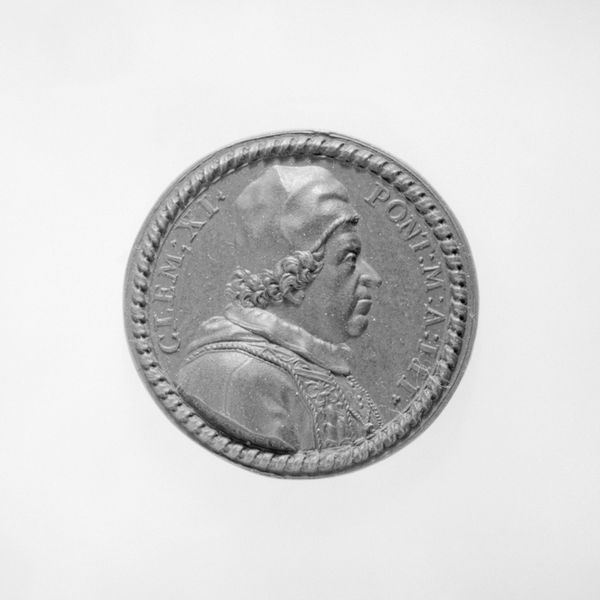
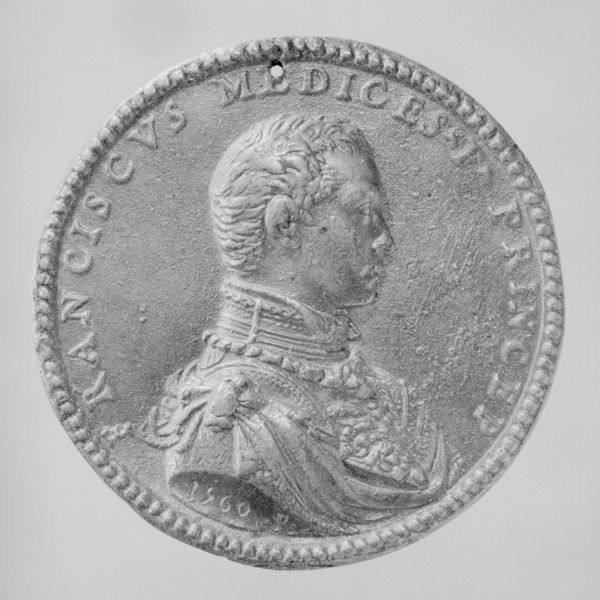
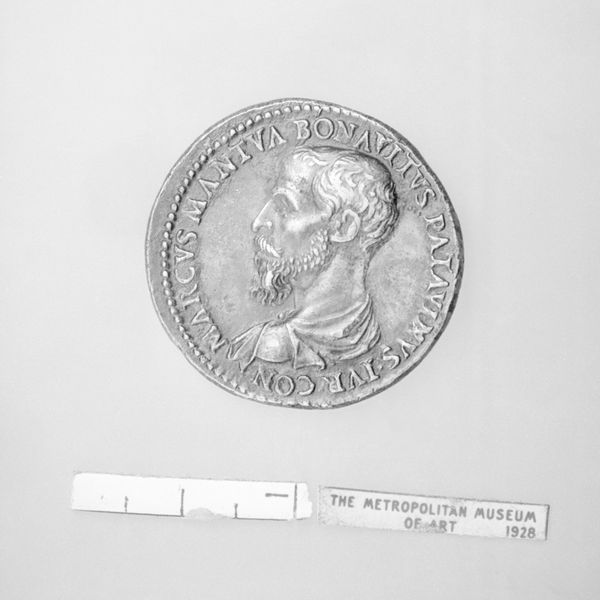
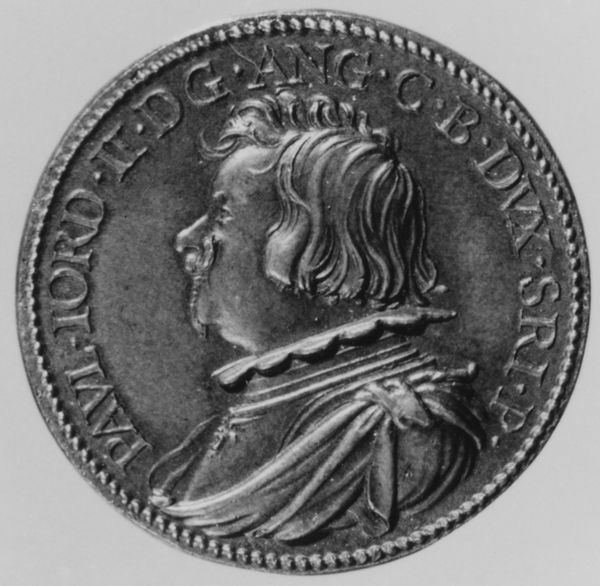
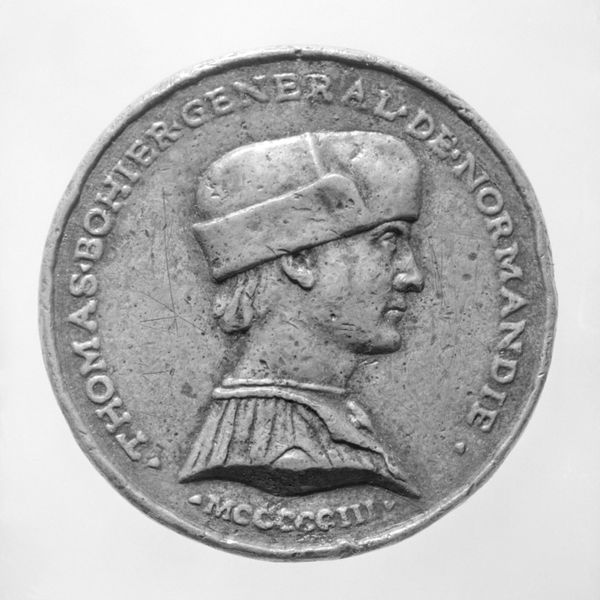
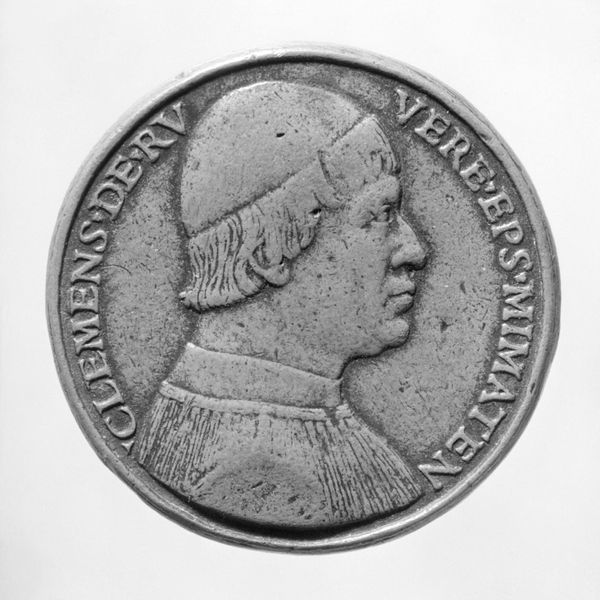
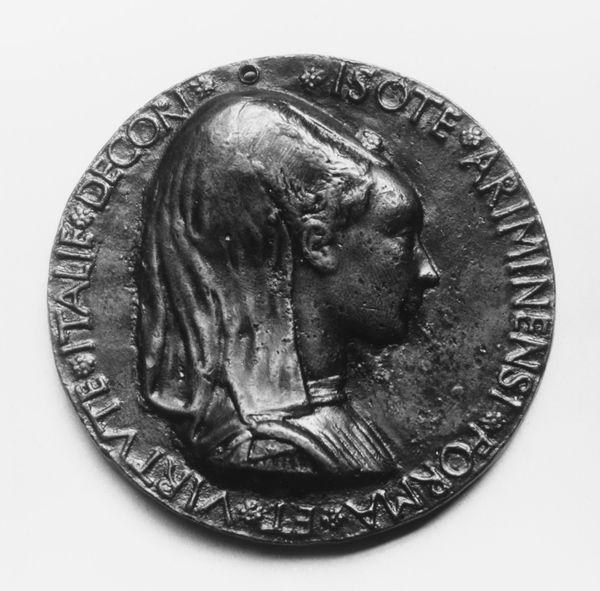
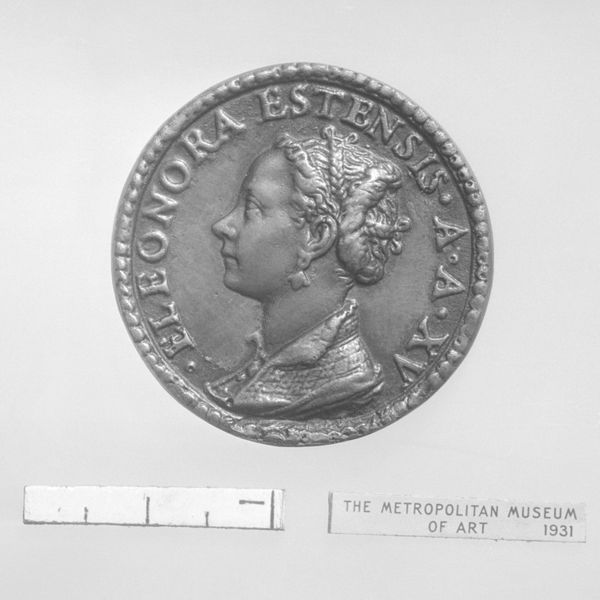
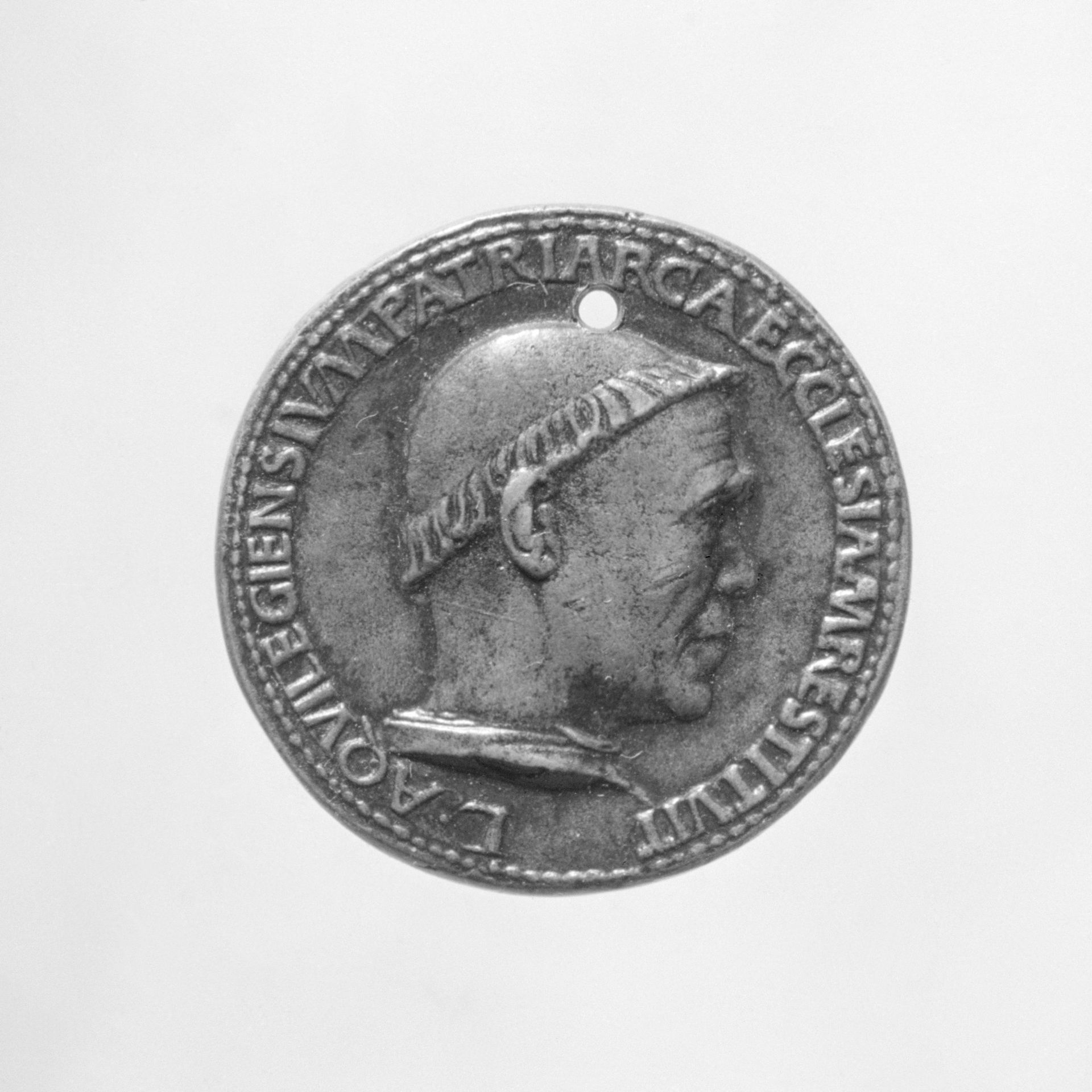
This small bronze medal depicting Ludovico Scarampi was made by Cristoforo di Geremia in Italy around 1460. Scarampi was a powerful Cardinal who, in the spirit of Renaissance humanism, was keen to have his likeness circulated. The medal acts as a kind of portable monument, associating Scarampi with the glories of the classical past. He is shown in profile, a format revived from ancient coins to evoke imperial authority and intellectual virtue. Inscriptions around the edge declare his status as Patriarch. Medals like this one reveal how art served to consolidate power in the Renaissance. They remind us that what we see in museums is only part of a larger story about how images were used to shape reputations and broadcast political messages. Understanding this requires us to look beyond the aesthetic qualities of artworks and consider their place within the social and institutional contexts of their time. Examining letters, diaries, and financial records can tell us more.
Ludovico Scarampi (or Mezzarota), 1402–1465
1461 - 1470

Cristoforo di Geremia
1456 - 1476
The Metropolitan Museum of Art
Metropolitan Museum of Art, New York, NYArtwork details
- Medium
- metal, bronze, sculpture
- Dimensions
- Diameter: 38 mm
- Location
- Metropolitan Museum of Art, New York, NY
- Copyright
- Public Domain
Tags
Comments
Share your thoughts
About this artwork
This small bronze medal depicting Ludovico Scarampi was made by Cristoforo di Geremia in Italy around 1460. Scarampi was a powerful Cardinal who, in the spirit of Renaissance humanism, was keen to have his likeness circulated. The medal acts as a kind of portable monument, associating Scarampi with the glories of the classical past. He is shown in profile, a format revived from ancient coins to evoke imperial authority and intellectual virtue. Inscriptions around the edge declare his status as Patriarch. Medals like this one reveal how art served to consolidate power in the Renaissance. They remind us that what we see in museums is only part of a larger story about how images were used to shape reputations and broadcast political messages. Understanding this requires us to look beyond the aesthetic qualities of artworks and consider their place within the social and institutional contexts of their time. Examining letters, diaries, and financial records can tell us more.
Comments
Share your thoughts