About this artwork
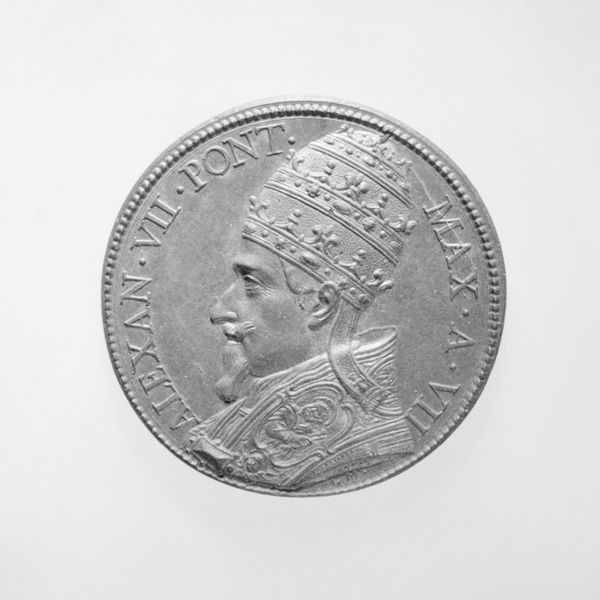
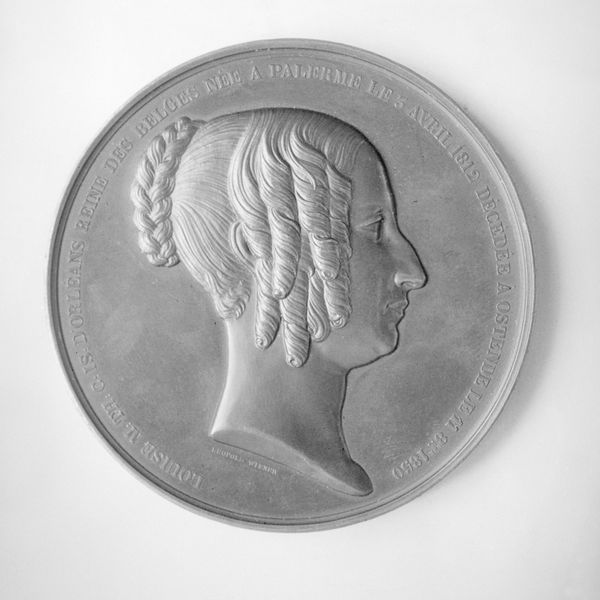
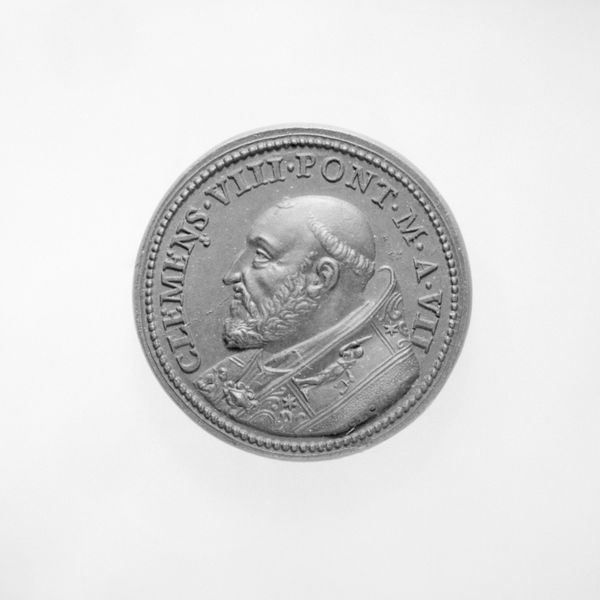
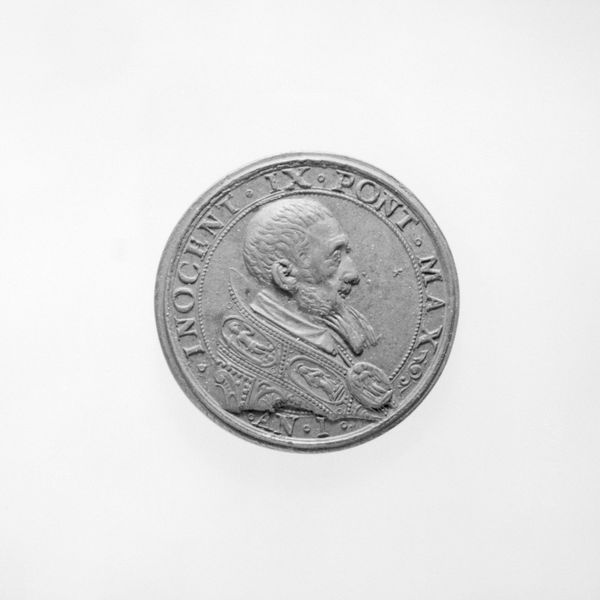
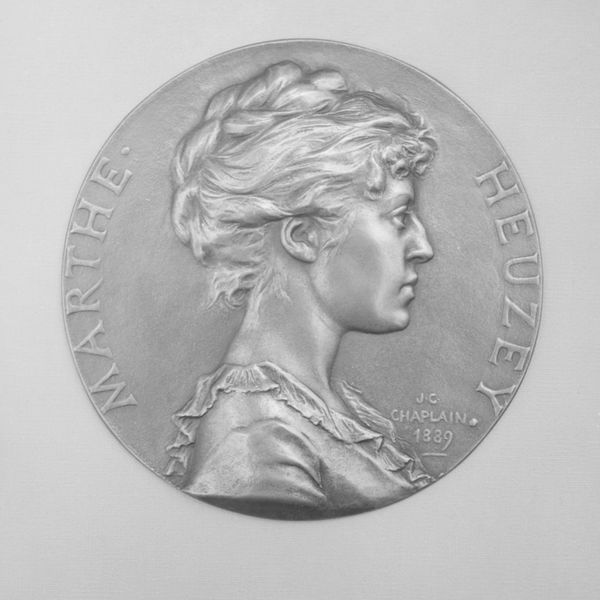
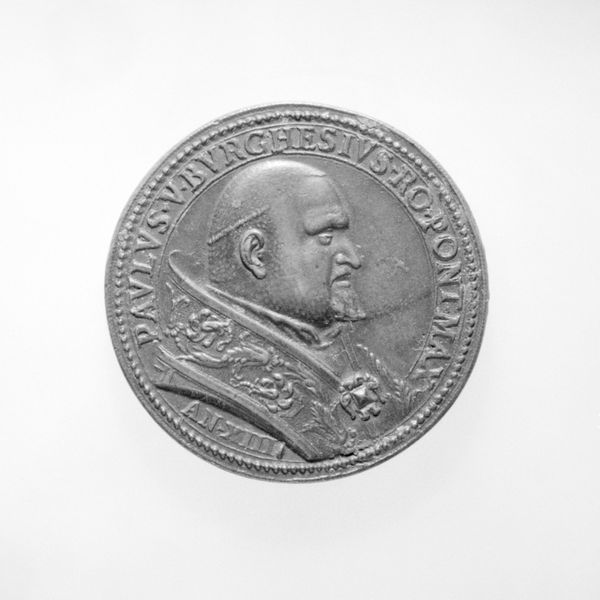
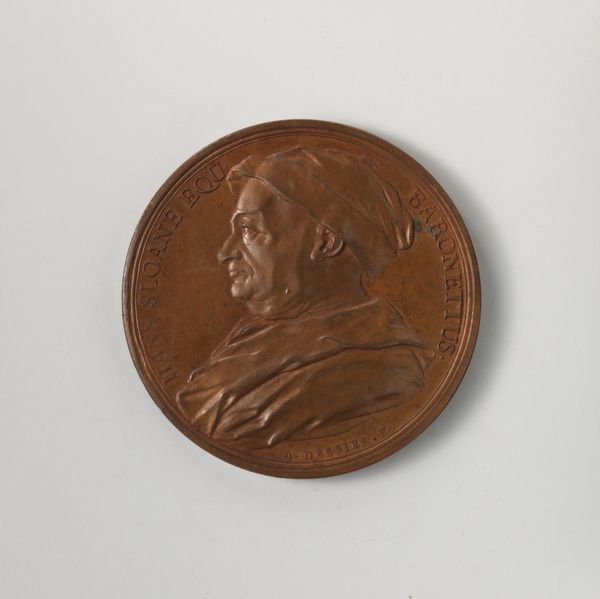
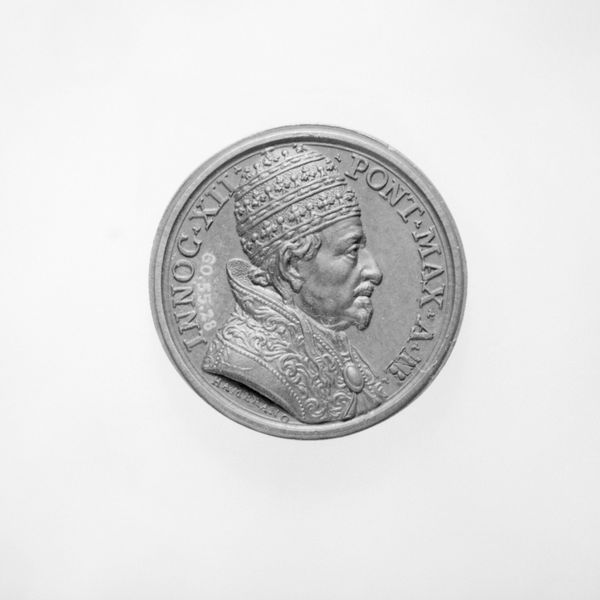
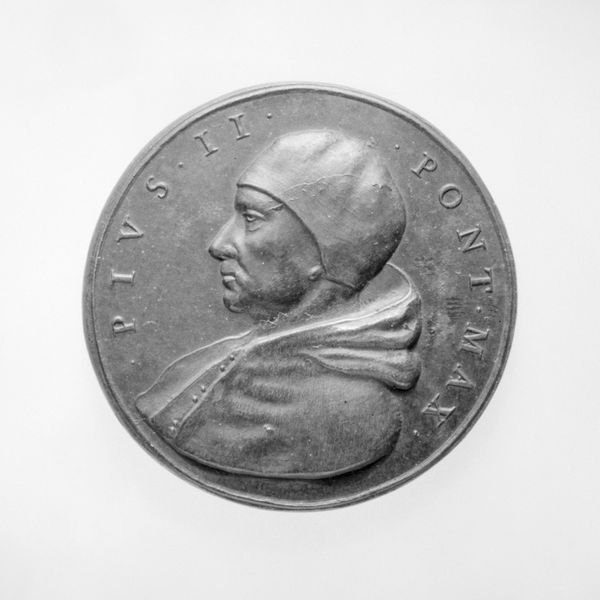
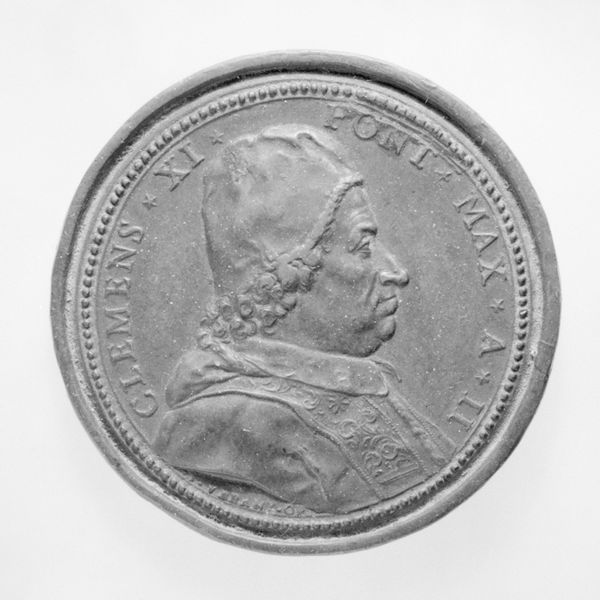
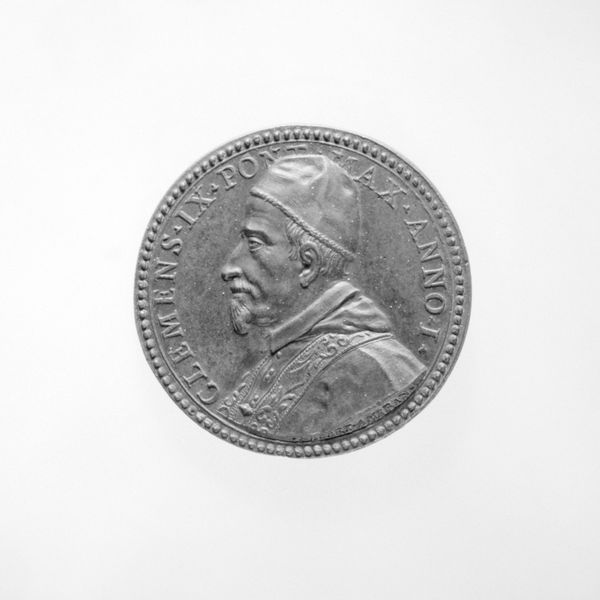
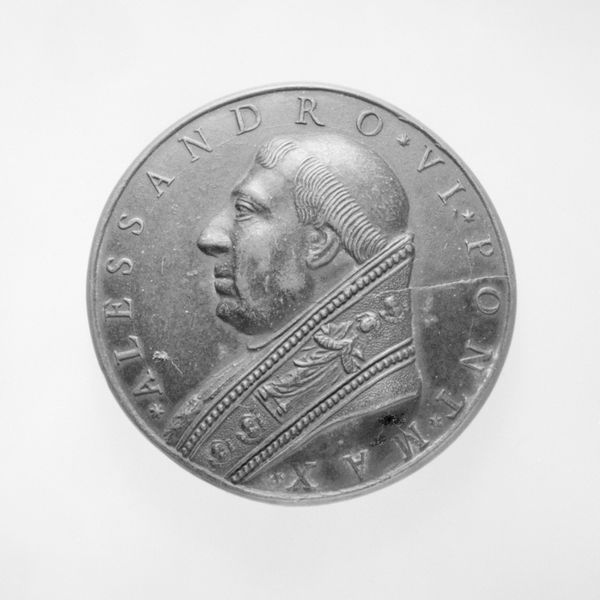
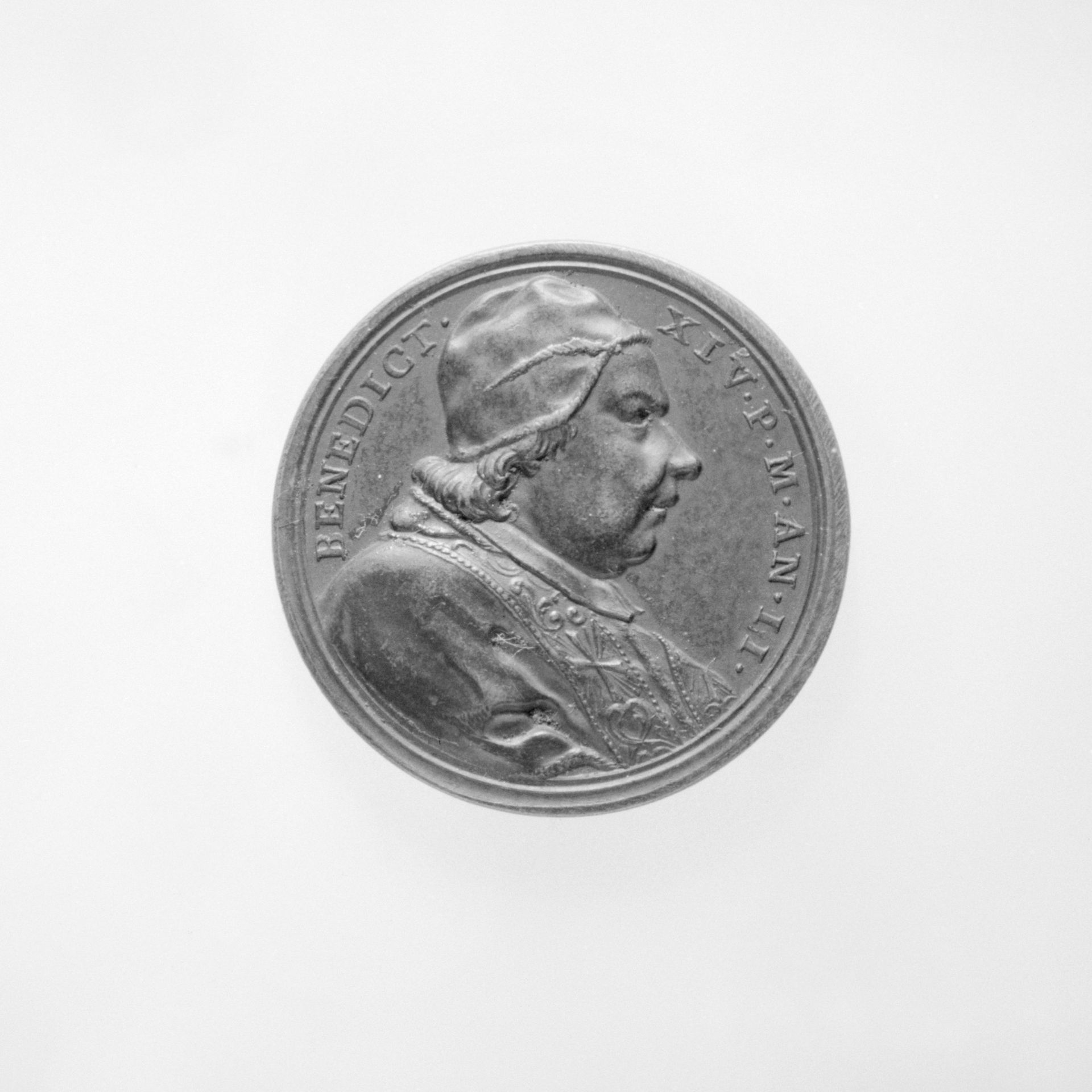
This bronze medal portraying Pope Benedict XIV was created by Ottone Hamerani, likely in Rome, sometime during the pontiff’s reign from 1740 to 1758. Look closely, and you can see how the fine details have been captured. Hamerani was one of a family of celebrated die engravers to the Vatican mint. They were effectively miniature sculptors, but instead of clay or stone, they worked with steel. To create a medal like this, the design would be meticulously cut in negative into a steel die. This required immense skill, and the knowledge of how metal would flow under immense pressure. The die would then be used to strike the medal, transferring the image in positive onto the bronze. This process, which dates back to antiquity, is a powerful one. It takes something ephemeral – in this case, the Pope’s authority – and makes it permanent, multiple and easily disseminated. Next time you hold a coin in your hand, remember the deep history of craft, labor, and power that it represents.
Benedict XIV (Pope 1740–58)
1742


Artwork details
- Medium
- sculpture
- Dimensions
- Diameter: 32 mm
- Location
- Metropolitan Museum of Art, New York, NY
- Copyright
- Public Domain
Tags
Comments
Share your thoughts
About this artwork
This bronze medal portraying Pope Benedict XIV was created by Ottone Hamerani, likely in Rome, sometime during the pontiff’s reign from 1740 to 1758. Look closely, and you can see how the fine details have been captured. Hamerani was one of a family of celebrated die engravers to the Vatican mint. They were effectively miniature sculptors, but instead of clay or stone, they worked with steel. To create a medal like this, the design would be meticulously cut in negative into a steel die. This required immense skill, and the knowledge of how metal would flow under immense pressure. The die would then be used to strike the medal, transferring the image in positive onto the bronze. This process, which dates back to antiquity, is a powerful one. It takes something ephemeral – in this case, the Pope’s authority – and makes it permanent, multiple and easily disseminated. Next time you hold a coin in your hand, remember the deep history of craft, labor, and power that it represents.
Comments
Share your thoughts