About this artwork
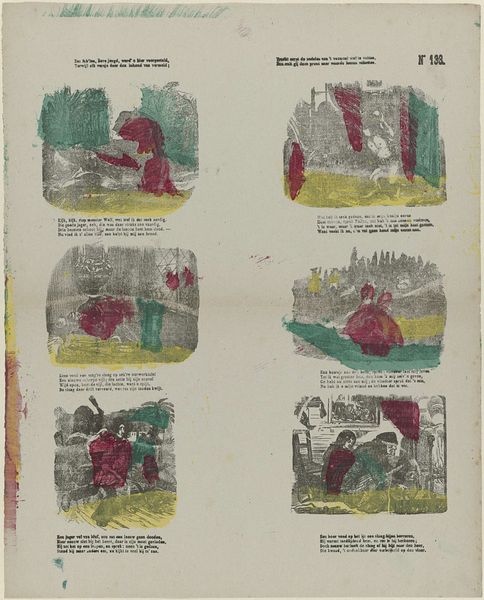
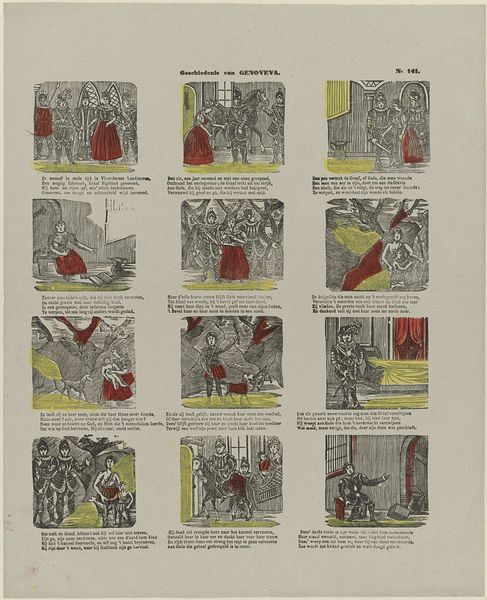
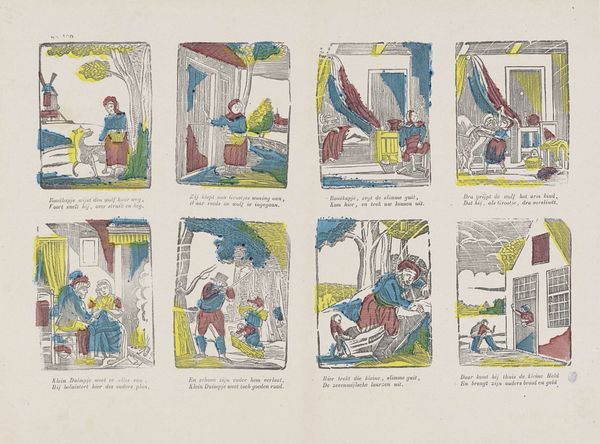
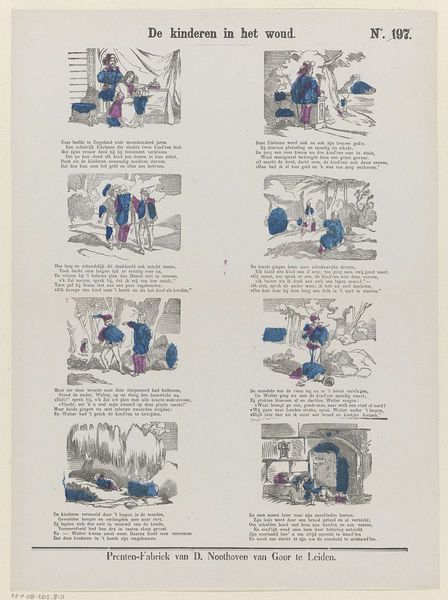
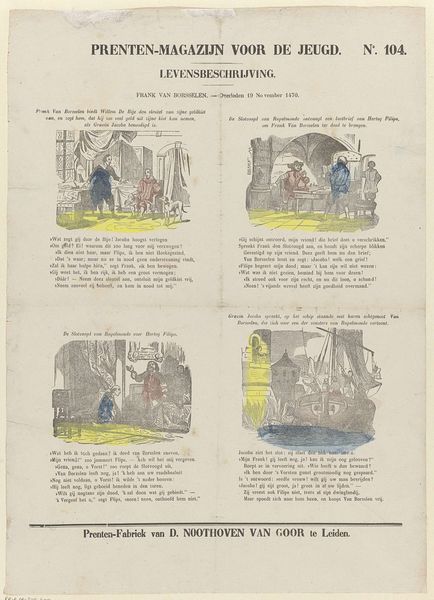
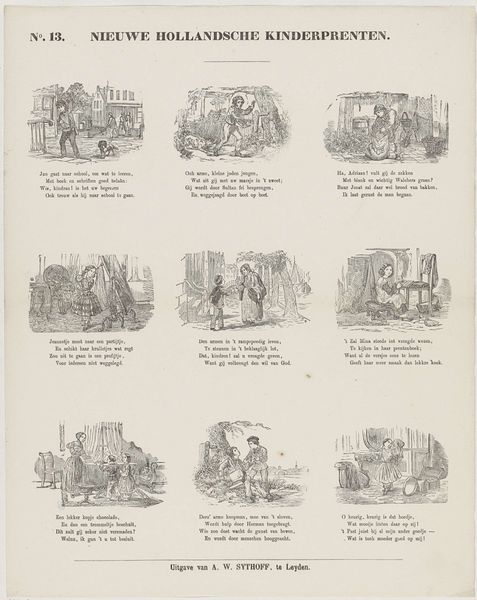
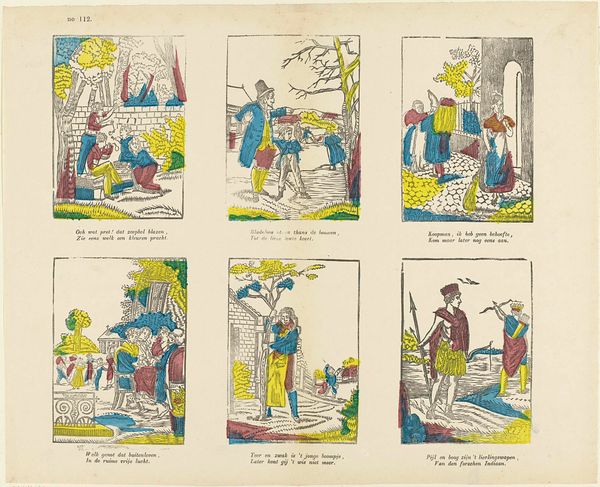
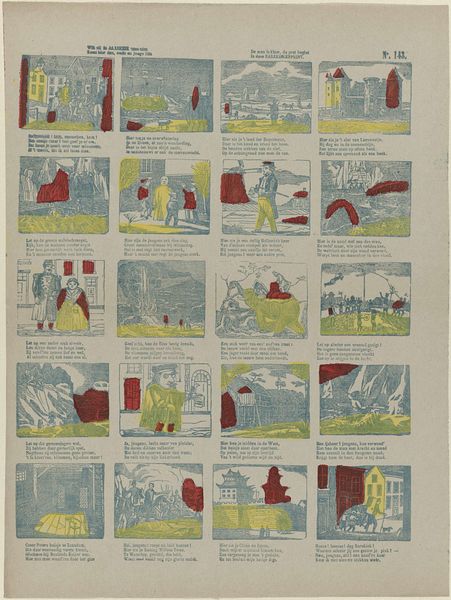
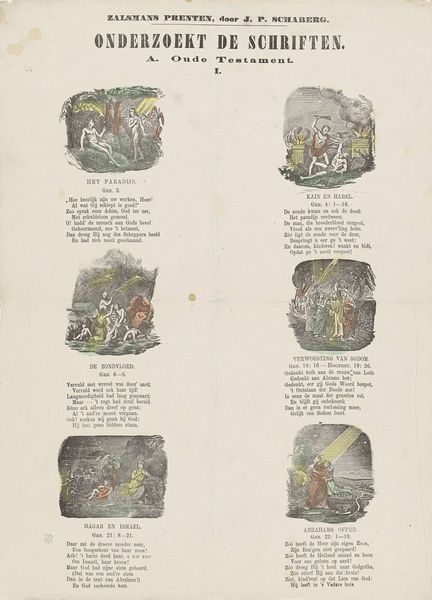
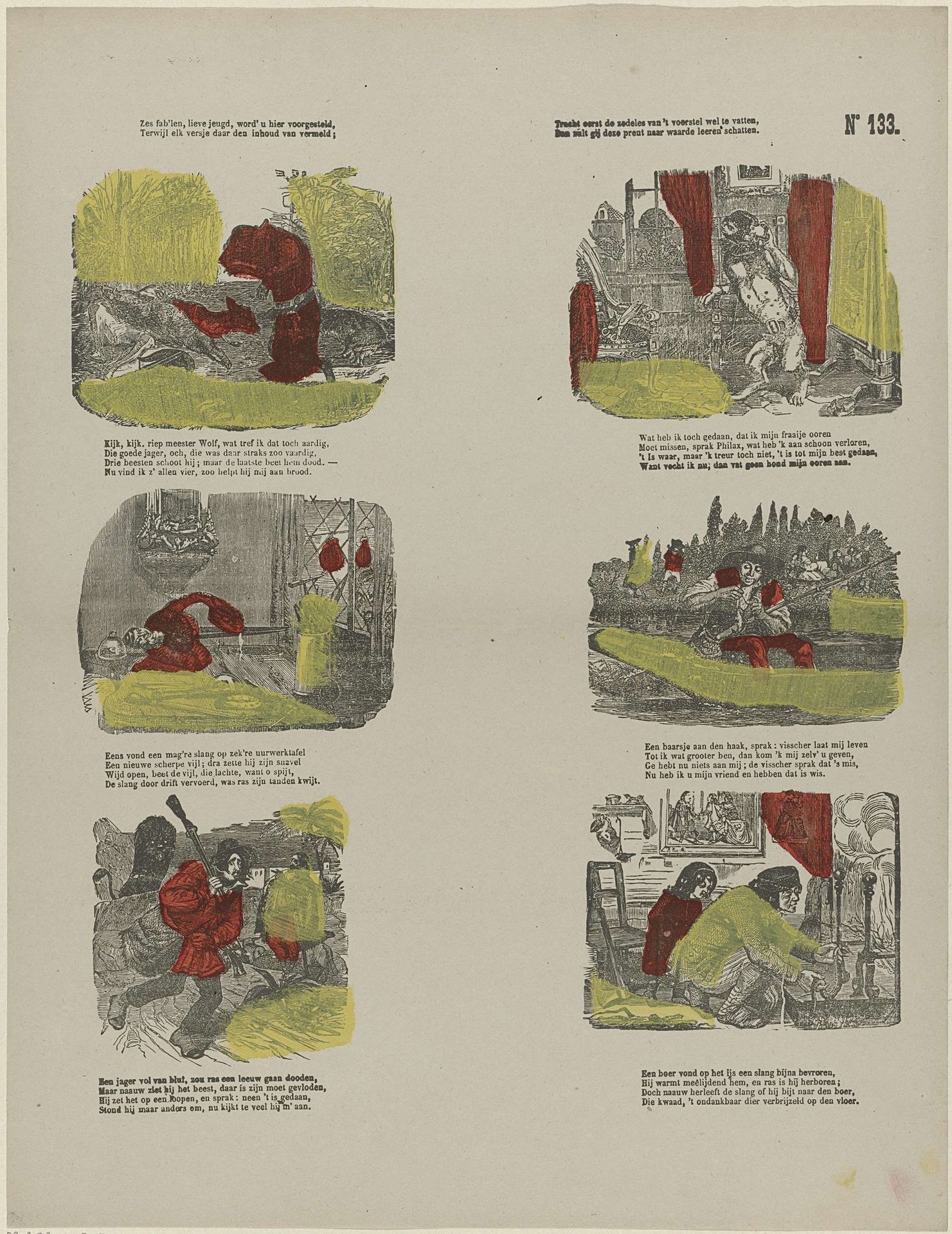
M. Hemeleers-van Houter created this print titled 'Zes fab'len, lieve jeugd, word' u hier voorgesteld' using an undefined medium. Hemeleers-van Houter, who died in 1880, lived in a society where the role of women in art was often confined to specific genres or themes, like illustrations for children's literature. The print presents six fables, each accompanied by a verse, and invites the viewer to grasp the moral lessons within. This educational intent speaks to the cultural values of the time, where art was seen as a tool for moral instruction. The use of fables, with their simple narratives and clear moral messages, reflects a desire to shape the character and values of young viewers. Consider how the artist, as a woman, might have navigated the prevailing social expectations while engaging in creative expression and moral instruction through art. The print serves as a window into the cultural and societal values of the 19th century.
Zes fab'len, lieve jeugd, word' u hier voorgesteld, / Terwijl elk versje daar den inhoud van vermeld; / Tracht eerst de zedeles van 't voorstel wel te vatten, / Dan zult gij deze prent naar waarde leeren schatten 1827 - 1894

M. Hemeleers-van Houter
1880Location
RijksmuseumArtwork details
- Medium
- graphic-art, print, woodcut
- Dimensions
- height 396 mm, width 308 mm
- Location
- Rijksmuseum
- Copyright
- Rijks Museum: Open Domain
Tags
graphic-art
narrative-art
folk-art
woodcut
Comments
No comments
About this artwork
M. Hemeleers-van Houter created this print titled 'Zes fab'len, lieve jeugd, word' u hier voorgesteld' using an undefined medium. Hemeleers-van Houter, who died in 1880, lived in a society where the role of women in art was often confined to specific genres or themes, like illustrations for children's literature. The print presents six fables, each accompanied by a verse, and invites the viewer to grasp the moral lessons within. This educational intent speaks to the cultural values of the time, where art was seen as a tool for moral instruction. The use of fables, with their simple narratives and clear moral messages, reflects a desire to shape the character and values of young viewers. Consider how the artist, as a woman, might have navigated the prevailing social expectations while engaging in creative expression and moral instruction through art. The print serves as a window into the cultural and societal values of the 19th century.
Comments
No comments