![[Metcalfe House, Delhi] by Jean Baptiste Oscar Mallitte](https://d2w8kbdekdi1gv.cloudfront.net/eyJidWNrZXQiOiAiYXJ0ZXJhLWltYWdlcy1idWNrZXQiLCAia2V5IjogImFydHdvcmtzLzc4OGUxYzFlLTZjZDAtNDI0MS04ZTBiLWNiYWYyZWFkZDY5ZS83ODhlMWMxZS02Y2QwLTQyNDEtOGUwYi1jYmFmMmVhZGQ2OWVfZnVsbC5qcGciLCAiZWRpdHMiOiB7InJlc2l6ZSI6IHsid2lkdGgiOiAxOTIwLCAiaGVpZ2h0IjogMTkyMCwgImZpdCI6ICJpbnNpZGUifX19)
About this artwork
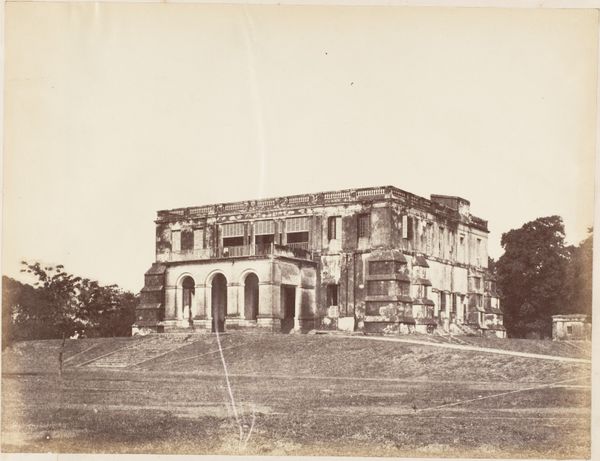
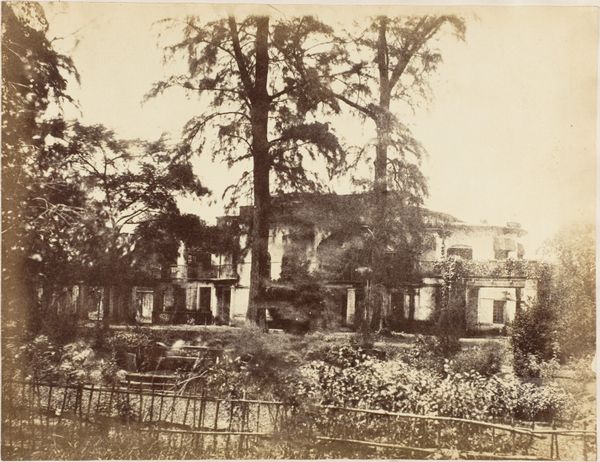
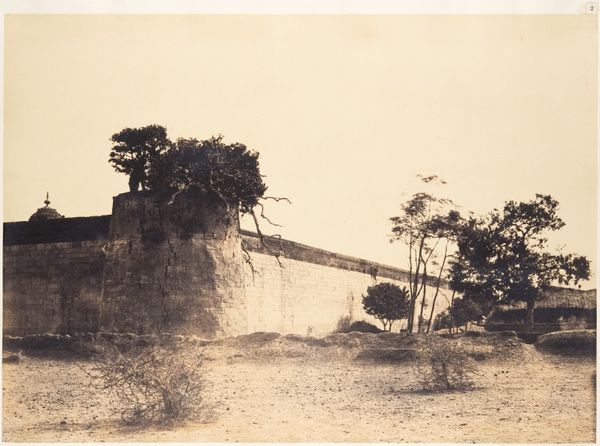
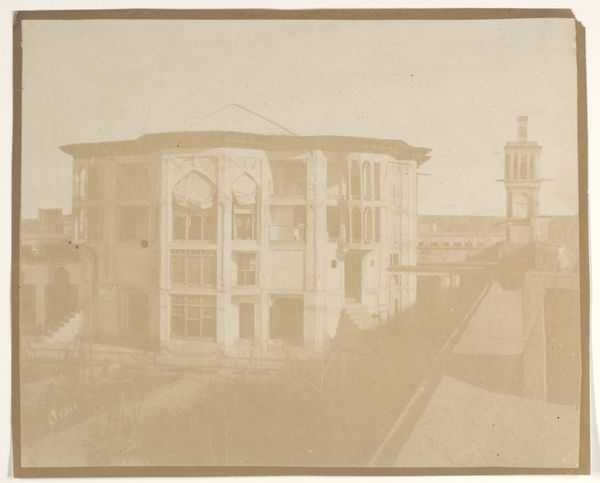
Jean Baptiste Oscar Mallitte captured this photograph of Metcalfe House in Delhi using a method of printing called Albumen silver print. This image presents a stark depiction of colonial life in India. The grand architecture, now marred by ruin and decay, speaks to the complex and often fraught relationship between the British colonizers and the Indian landscape. The photograph was likely taken after the Indian Rebellion of 1857, which had a devastating impact on Delhi and its built environment. The Metcalfe House, once a symbol of British power and opulence, appears vulnerable. The inclusion of the untamed vegetation in the foreground contrasts with the formal structure of the building, perhaps hinting at the ultimate futility of colonial control in the face of India's natural and cultural resilience. To fully understand the photograph's meaning, research into British colonial history, the events surrounding the 1857 rebellion, and the role of photography in shaping perceptions of the colonized world can be illuminating.
[Metcalfe House, Delhi]
1858 - 1861

Jean Baptiste Oscar Mallitte
1829 - 1905
The Metropolitan Museum of Art
Metropolitan Museum of Art, New York, NYArtwork details
- Medium
- photography, photomontage, albumen-print, architecture
- Dimensions
- Image: 21 x 28.4 cm (8 1/4 x 11 3/16 in.) Mount: 33 x 26 cm (13 x 10 1/4 in.) Pritn mounted vertically.
- Location
- Metropolitan Museum of Art, New York, NY
- Copyright
- Public Domain
Tags
Comments
Share your thoughts
About this artwork
Jean Baptiste Oscar Mallitte captured this photograph of Metcalfe House in Delhi using a method of printing called Albumen silver print. This image presents a stark depiction of colonial life in India. The grand architecture, now marred by ruin and decay, speaks to the complex and often fraught relationship between the British colonizers and the Indian landscape. The photograph was likely taken after the Indian Rebellion of 1857, which had a devastating impact on Delhi and its built environment. The Metcalfe House, once a symbol of British power and opulence, appears vulnerable. The inclusion of the untamed vegetation in the foreground contrasts with the formal structure of the building, perhaps hinting at the ultimate futility of colonial control in the face of India's natural and cultural resilience. To fully understand the photograph's meaning, research into British colonial history, the events surrounding the 1857 rebellion, and the role of photography in shaping perceptions of the colonized world can be illuminating.
Comments
Share your thoughts