1830 - 1900
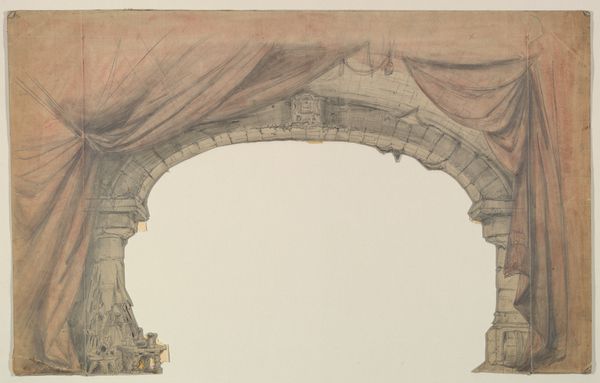
Design for a Stage Set


Listen to curator's interpretation
Curatorial notes
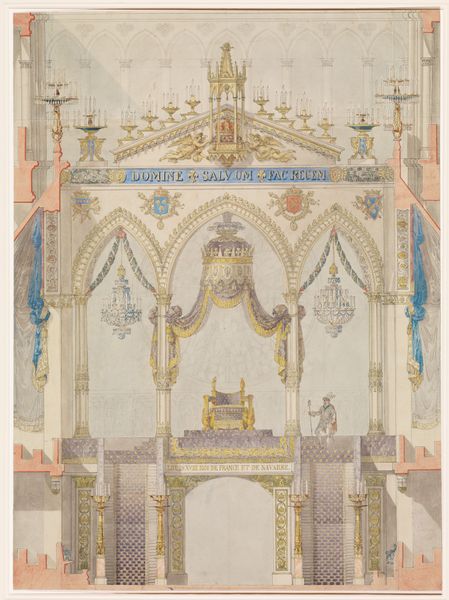
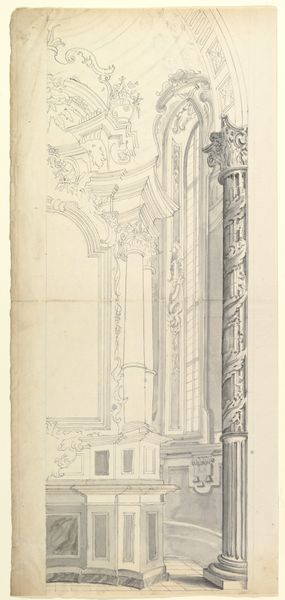
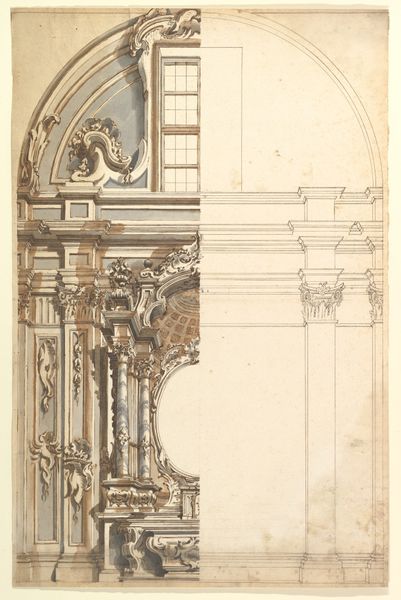
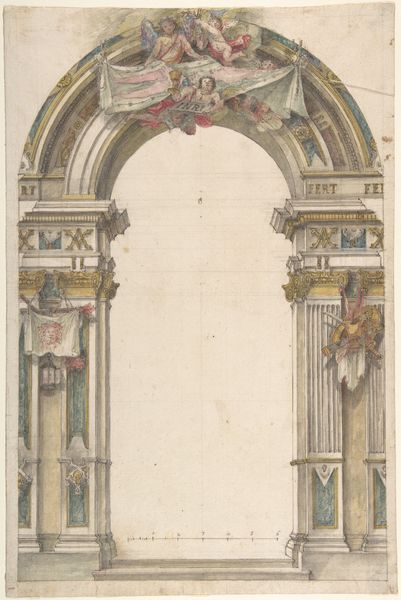
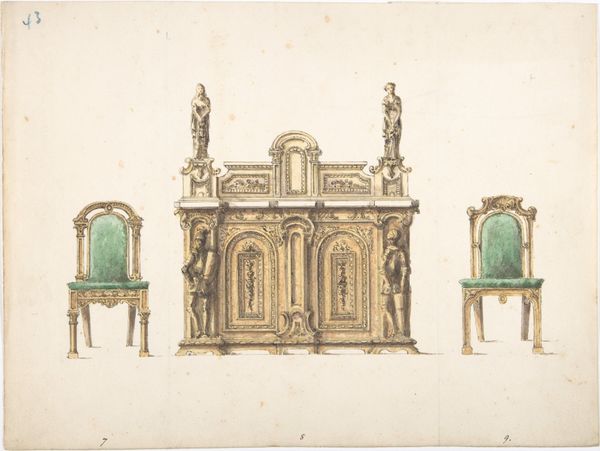
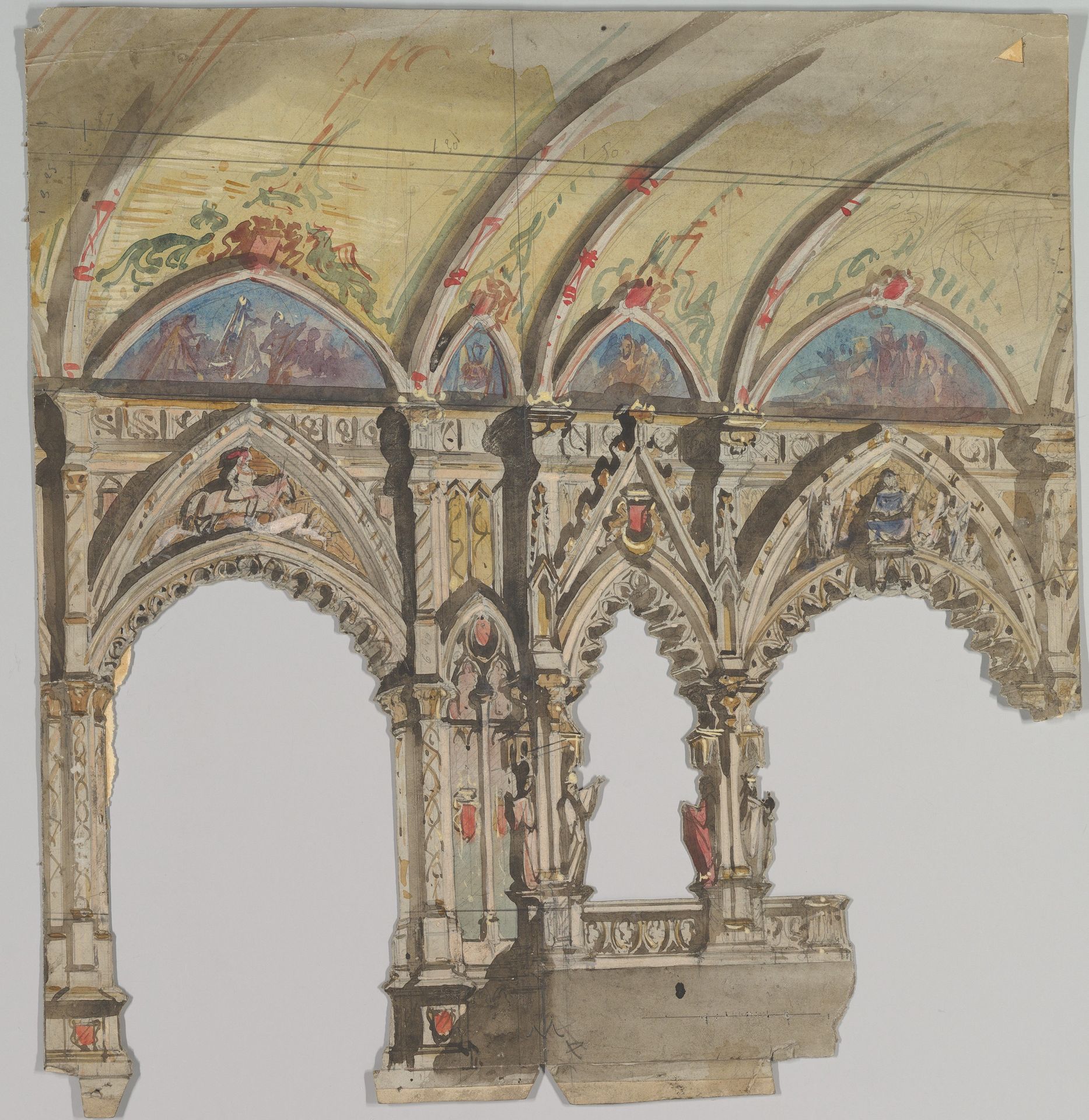
Eugène Cicéri made this stage set design with watercolor, gouache, and graphite, sometime in the 19th century. Designs like these point to the rise of the theater as a significant public institution in nineteenth-century France. The architecture here references the Gothic style, which was then experiencing a revival, and stagecraft of this kind served to transport audiences to another time and place. The theater played a crucial role in shaping public opinion and national identity, and this design suggests a taste for historical dramas and romantic fantasies. But beyond its aesthetic appeal, the design raises questions about the political and social functions of art. Does it perpetuate a nostalgic view of the past, or does it offer a critical perspective on contemporary society? To answer this, we might explore the cultural politics of nineteenth-century France, and the patronage of the Second Empire. The history of the institutions is key to answering these kinds of questions.