About this artwork
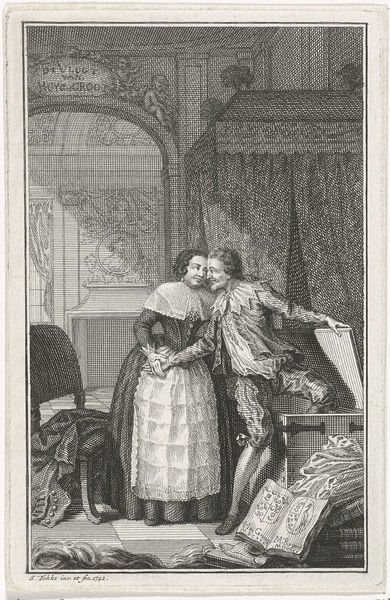
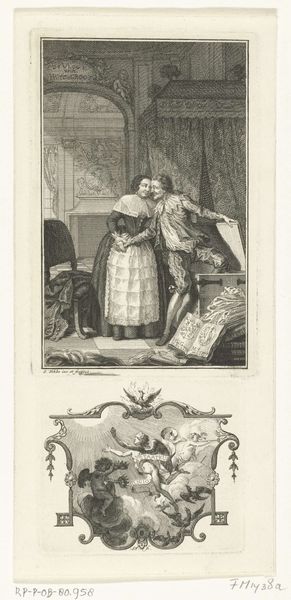
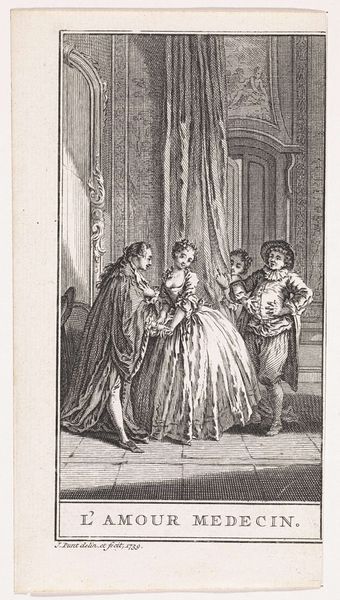
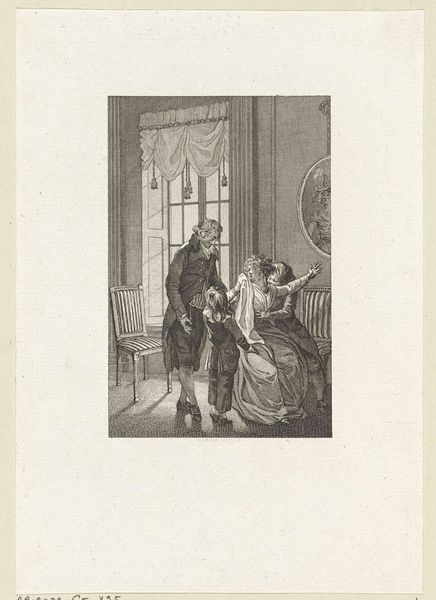
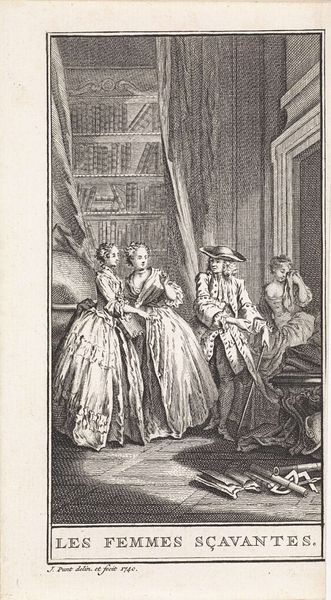
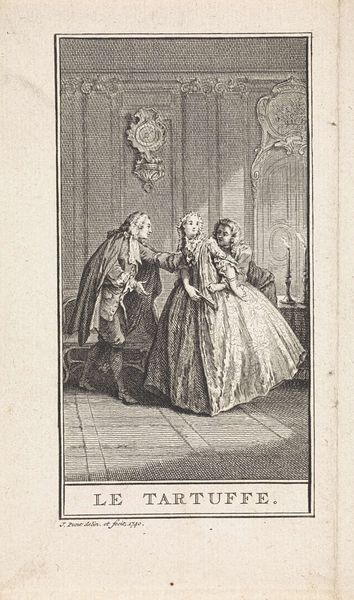
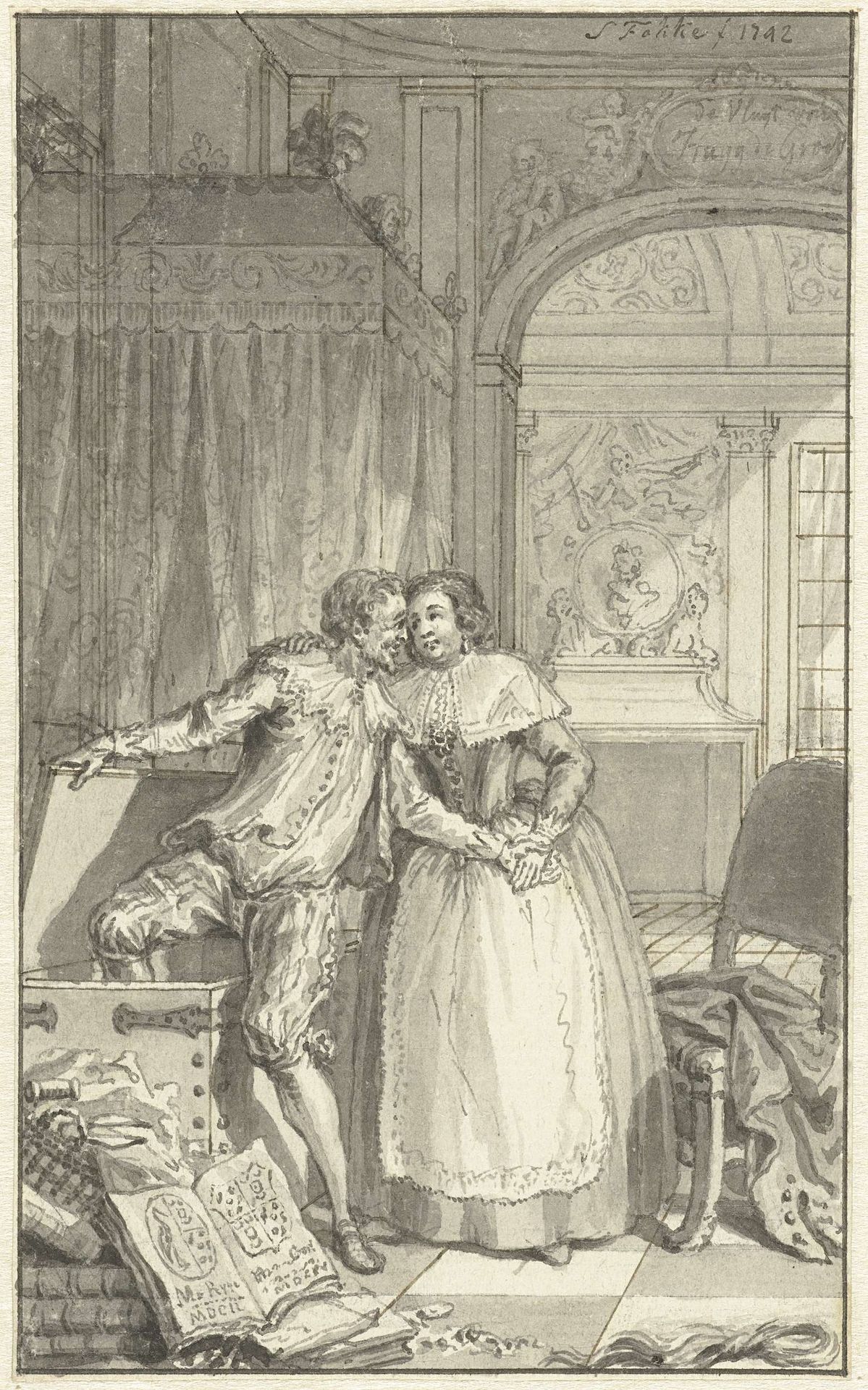
Simon Fokke made this drawing titled ‘The Escape of Hugo de Groot, 1621’ in 1742. It presents a dramatic historical episode: the escape of the jurist Hugo de Groot from Loevestein Castle. The drawing is filled with coded references. De Groot is shown leaving in a chest, aided by his wife. Fokke's work invites us to think about the image's cultural references and historical associations. Made in the Netherlands, it alludes to the country's complex history of political and religious conflict. De Groot was a key figure in the Dutch Republic, advocating for a strong central government during a time of factionalism. His imprisonment and daring escape became a symbol of resistance against tyranny. To understand this drawing, we need to delve into the political and intellectual climate of the 17th and 18th century Netherlands, consulting historical documents and political pamphlets. This work's meaning is contingent on its historical and institutional context.

Artwork details
- Medium
- drawing, paper, ink
- Dimensions
- height 121 mm, width 74 mm
- Location
- Rijksmuseum
- Copyright
- Rijks Museum: Open Domain
Tags
portrait
drawing
narrative-art
baroque
figuration
paper
ink
genre-painting
Comments
No comments
About this artwork
Simon Fokke made this drawing titled ‘The Escape of Hugo de Groot, 1621’ in 1742. It presents a dramatic historical episode: the escape of the jurist Hugo de Groot from Loevestein Castle. The drawing is filled with coded references. De Groot is shown leaving in a chest, aided by his wife. Fokke's work invites us to think about the image's cultural references and historical associations. Made in the Netherlands, it alludes to the country's complex history of political and religious conflict. De Groot was a key figure in the Dutch Republic, advocating for a strong central government during a time of factionalism. His imprisonment and daring escape became a symbol of resistance against tyranny. To understand this drawing, we need to delve into the political and intellectual climate of the 17th and 18th century Netherlands, consulting historical documents and political pamphlets. This work's meaning is contingent on its historical and institutional context.
Comments
No comments