About this artwork
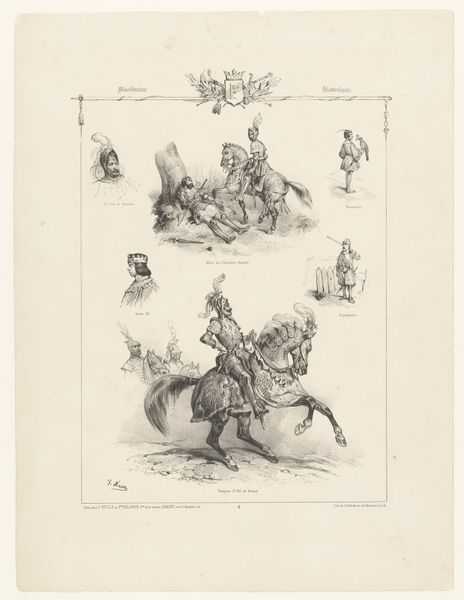
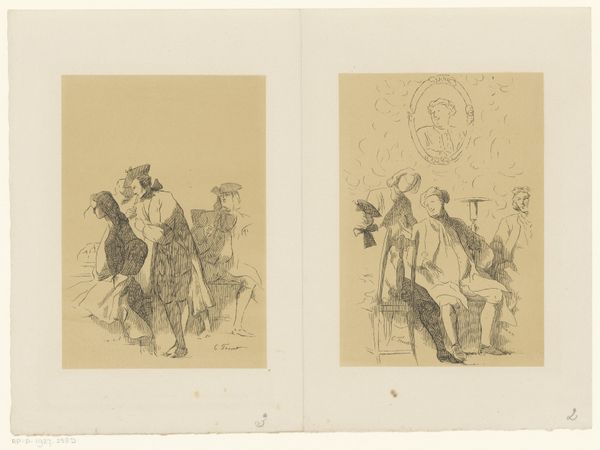
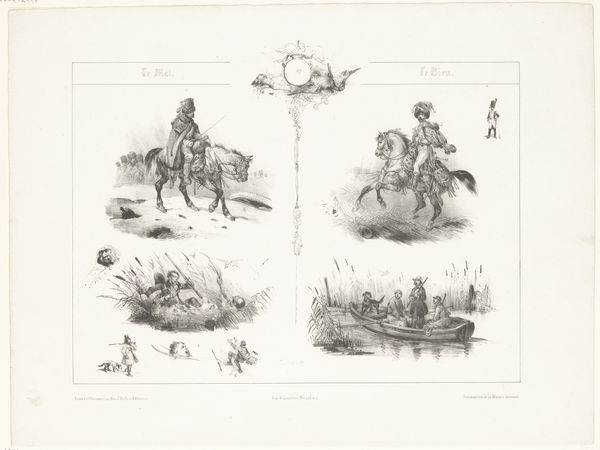
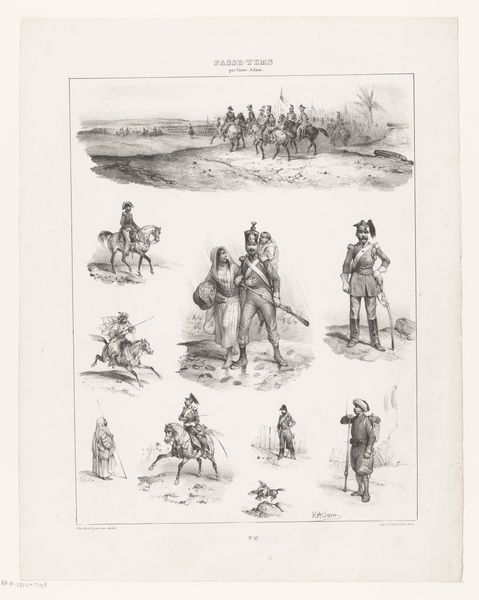
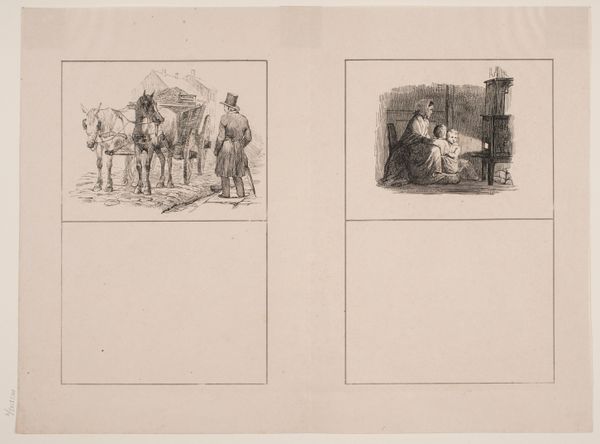
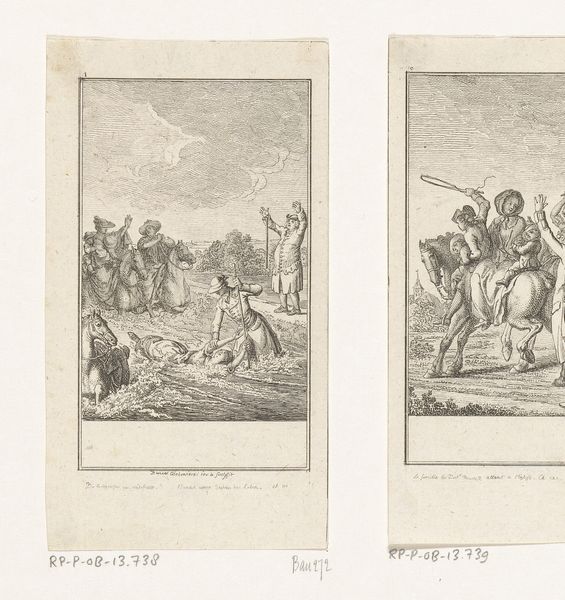
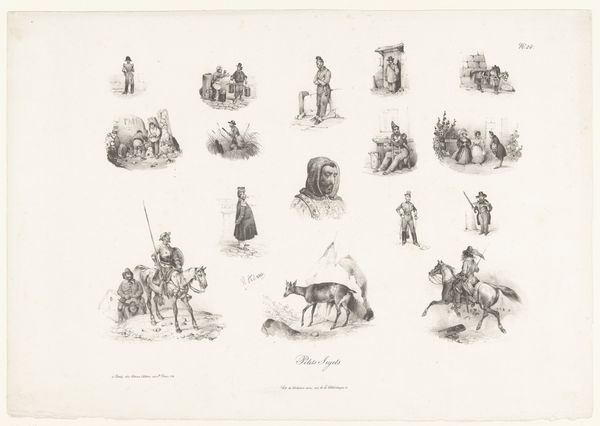
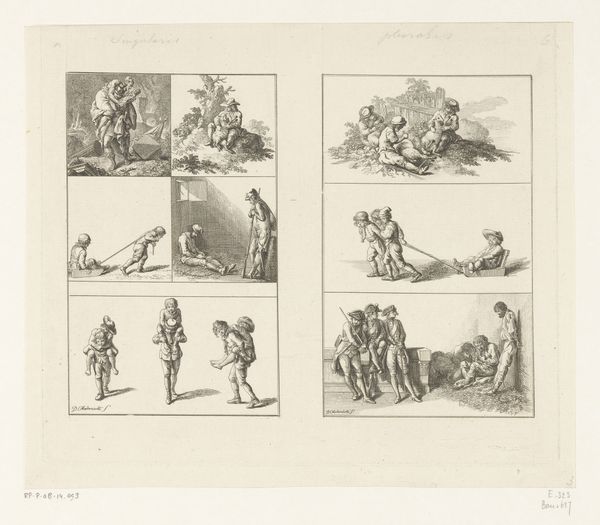
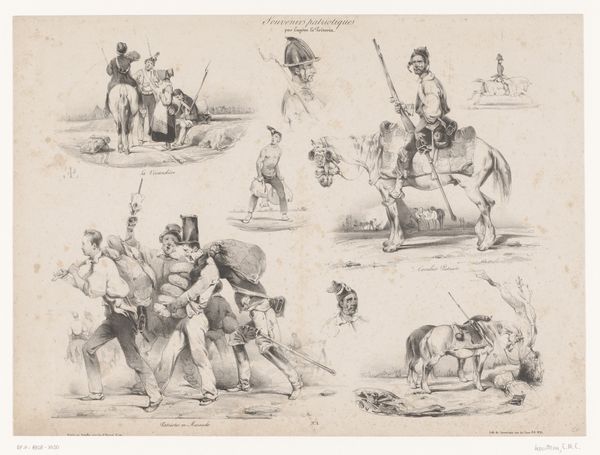
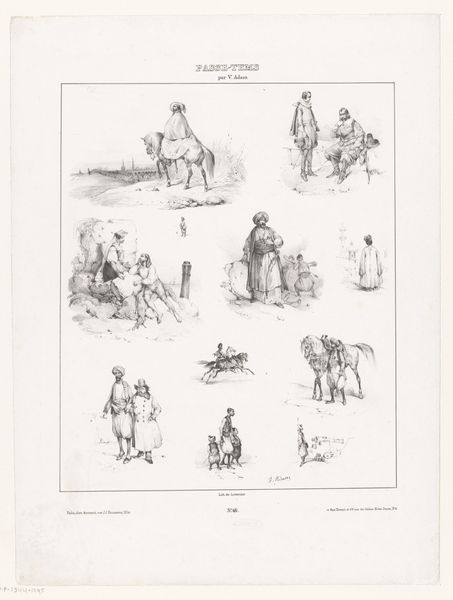
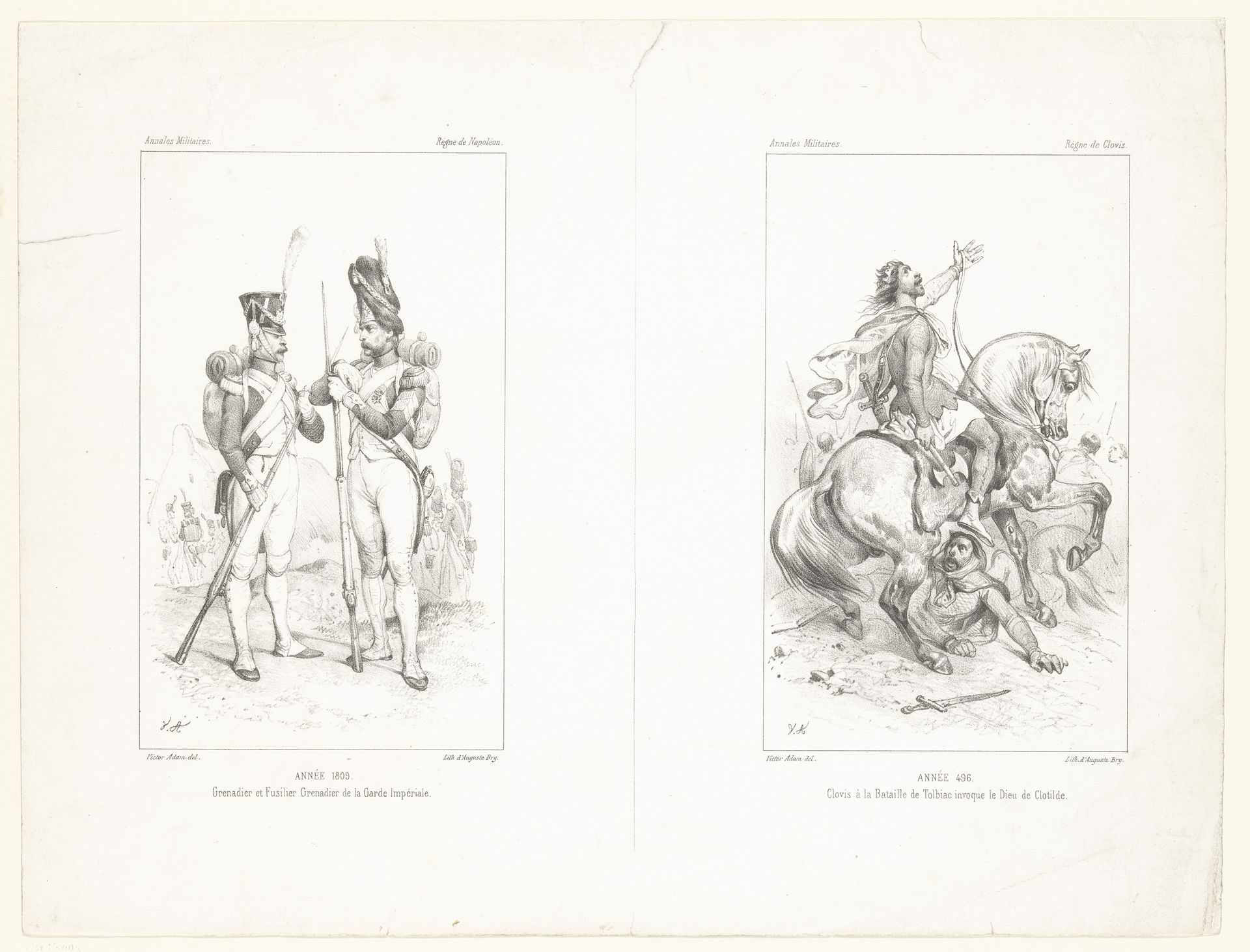
Victor Adam created this print, “Twee voorstellingen met infanteristen van de Keizerlijke Garde en koning Clovis te paard,” sometime in the first half of the 19th century. The lithograph presents two scenes: on the left, uniformed infantrymen, and on the right, King Clovis on horseback. Considering the period of its creation, this work is shaped by the rise of nationalism and romanticism in Europe. The detailed depiction of military figures romanticizes the idea of national identity, yet omits the brutal realities of war. Victor Adam actively participated in this movement. It is worth noting that the positioning of King Clovis, appealing to a higher power during battle, introduces a divine element. This glorification of historical and military figures often served to unite a population under a shared, yet idealized, past. How do we reconcile this romantic vision of war and national identity with the realities of conflict and its impact on diverse populations?
Twee voorstellingen met infanteristen van de Keizerlijke Garde en koning Clovis te paard
1830 - 1880

Victor Adam
1801 - 1866Location
RijksmuseumArtwork details
- Dimensions
- height 271 mm, width 356 mm
- Location
- Rijksmuseum
- Copyright
- Rijks Museum: Open Domain
Comments
Share your thoughts
About this artwork
Victor Adam created this print, “Twee voorstellingen met infanteristen van de Keizerlijke Garde en koning Clovis te paard,” sometime in the first half of the 19th century. The lithograph presents two scenes: on the left, uniformed infantrymen, and on the right, King Clovis on horseback. Considering the period of its creation, this work is shaped by the rise of nationalism and romanticism in Europe. The detailed depiction of military figures romanticizes the idea of national identity, yet omits the brutal realities of war. Victor Adam actively participated in this movement. It is worth noting that the positioning of King Clovis, appealing to a higher power during battle, introduces a divine element. This glorification of historical and military figures often served to unite a population under a shared, yet idealized, past. How do we reconcile this romantic vision of war and national identity with the realities of conflict and its impact on diverse populations?
Comments
Share your thoughts