1873
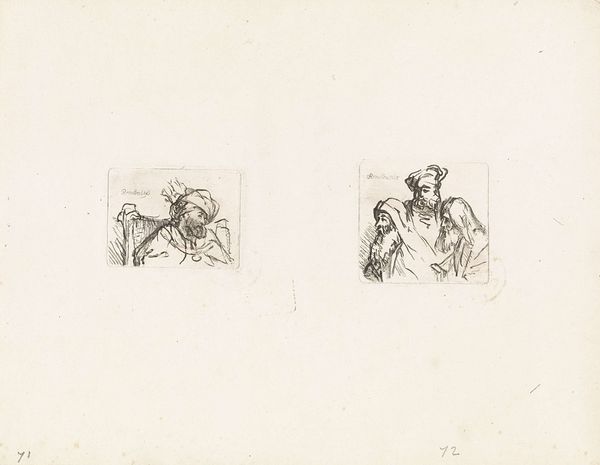
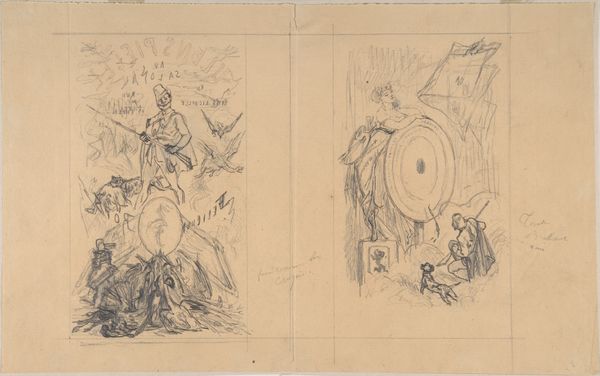
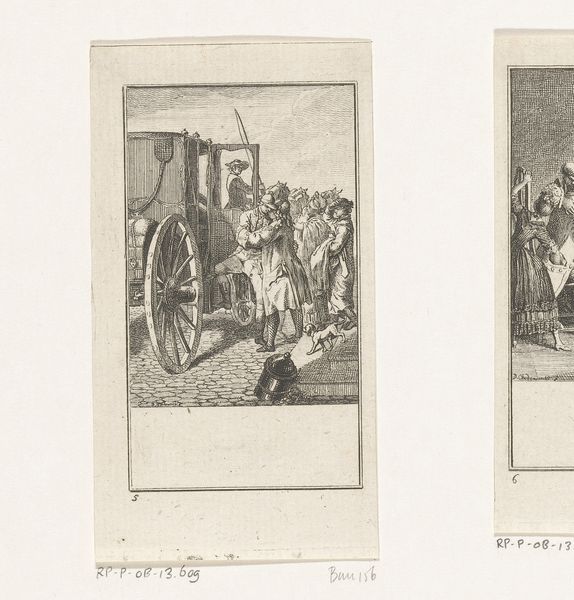
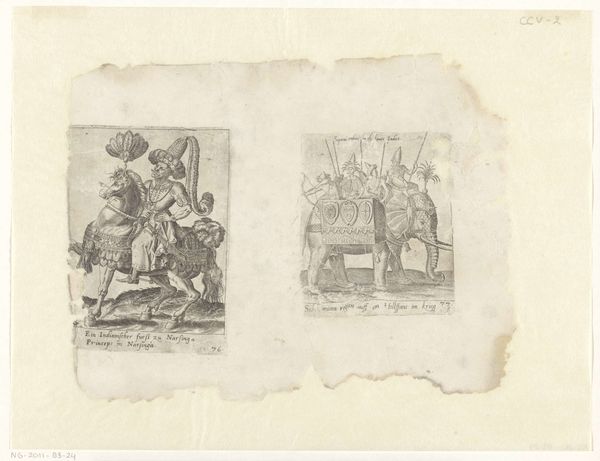
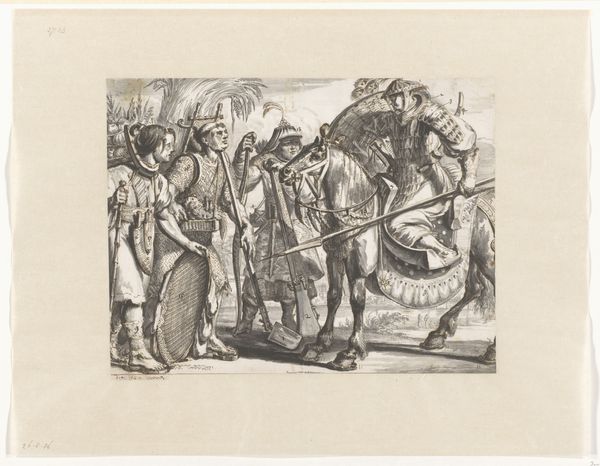
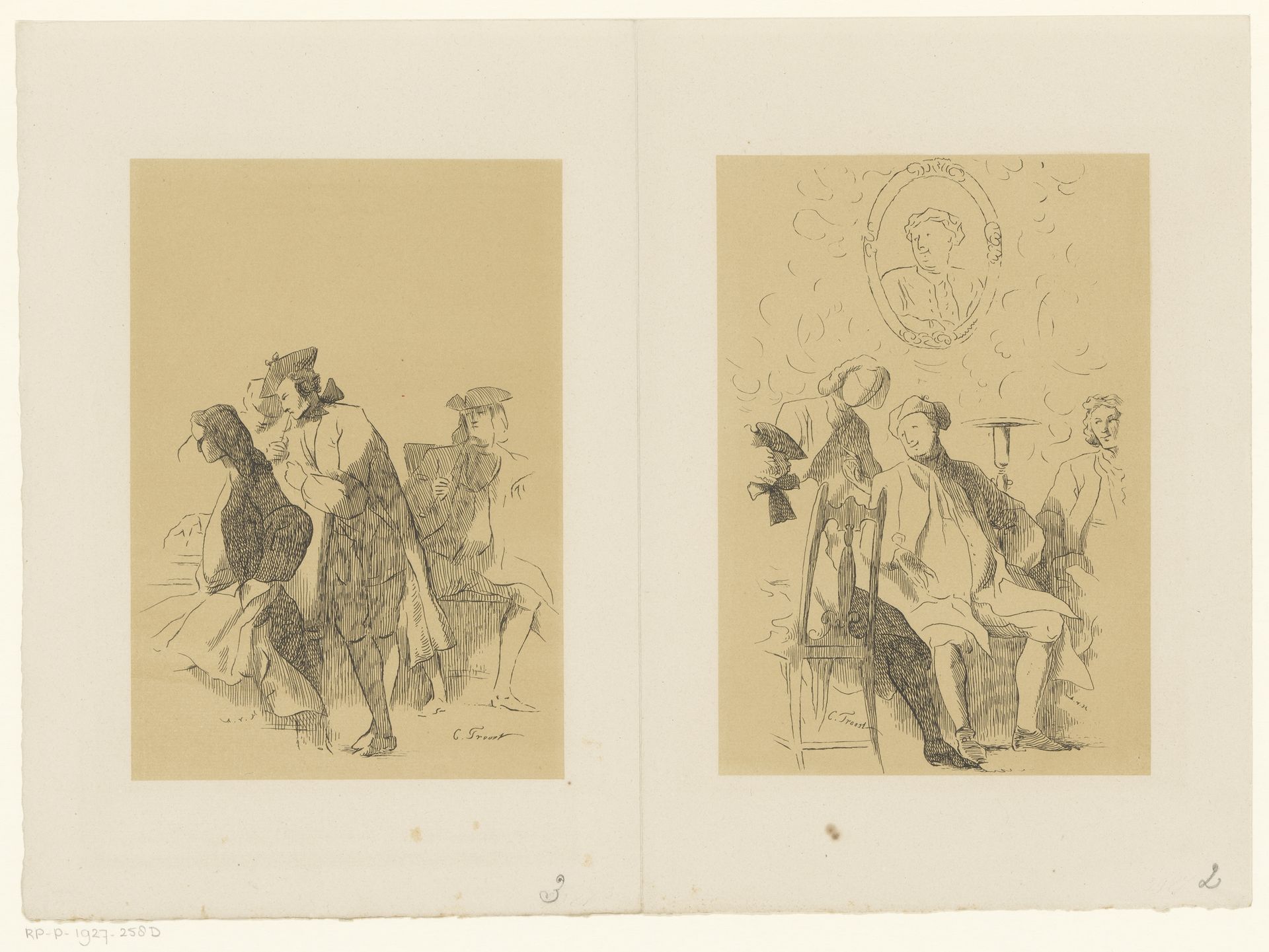
Twee groepen mannen

Alexander Ver Huell
1822 - 1897Location
RijksmuseumListen to curator's interpretation
Curatorial notes
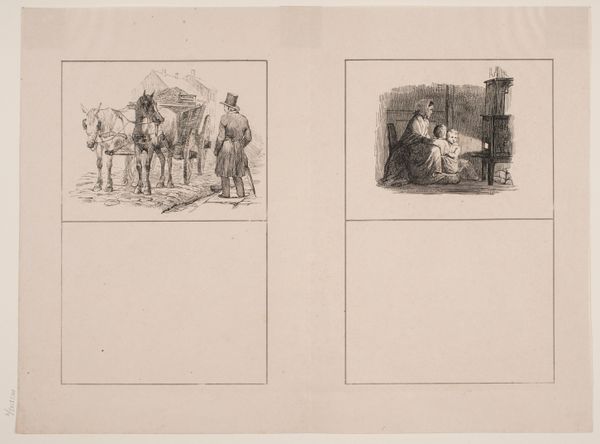
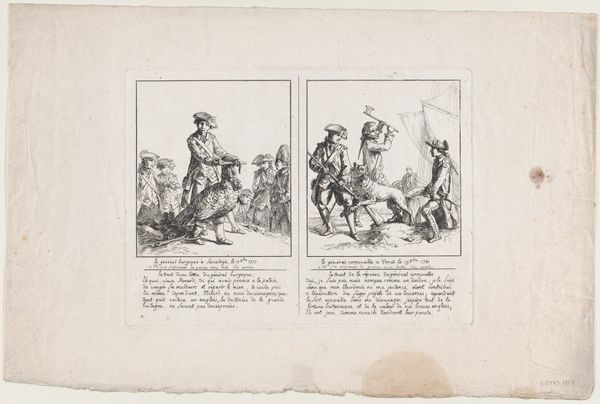
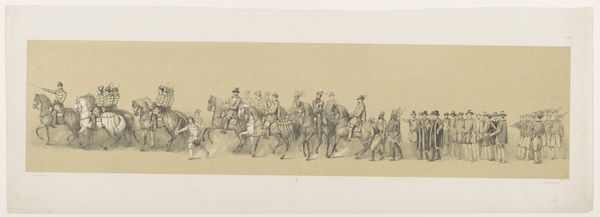
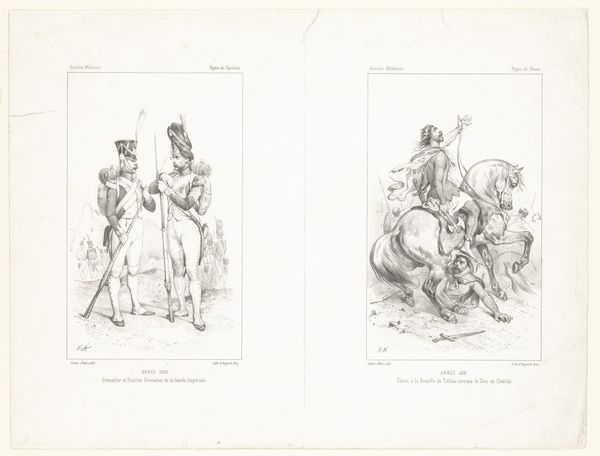
Alexander Ver Huell created this print, "Twee groepen mannen", using etching and possibly drypoint. See how the incised lines of the print capture informal social scenes. The process involves drawing with a sharp needle on a coated metal plate, which is then bathed in acid, leaving behind grooves. These grooves hold ink, which is then transferred to paper under great pressure. The character of the line – its crispness, depth, and variation – all speak to the artist's hand and the etchant's bite. This print speaks to the rise of printmaking as a means of circulating images and ideas. Prints like these allowed artists to reach wider audiences beyond wealthy patrons, democratizing art and fostering a sense of shared visual culture. The nature of its production also hints at a more commercialized art world, where artists could produce multiples and cater to a growing market. By attending to these techniques and their histories, we gain a richer understanding of the artwork's place within a broader social and economic context, challenging the traditional distinction between fine art and craft.