About this artwork
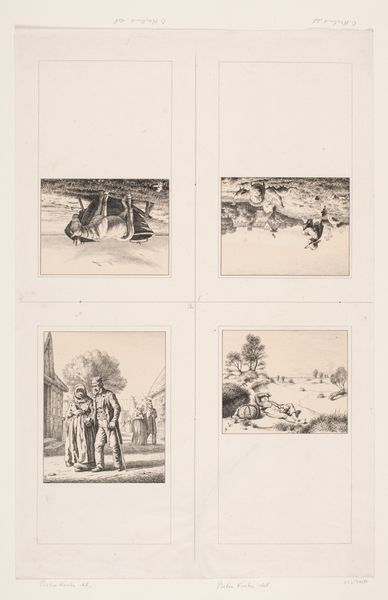
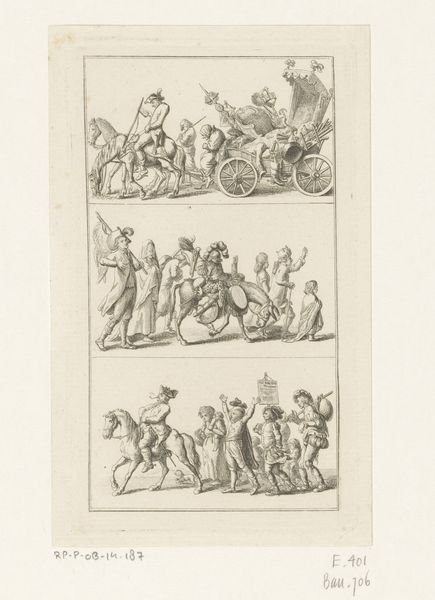
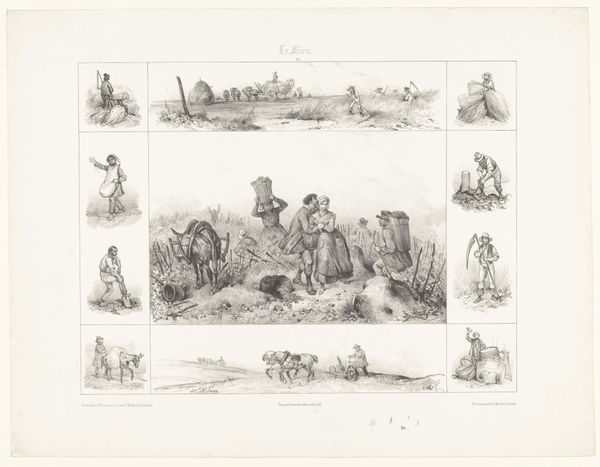
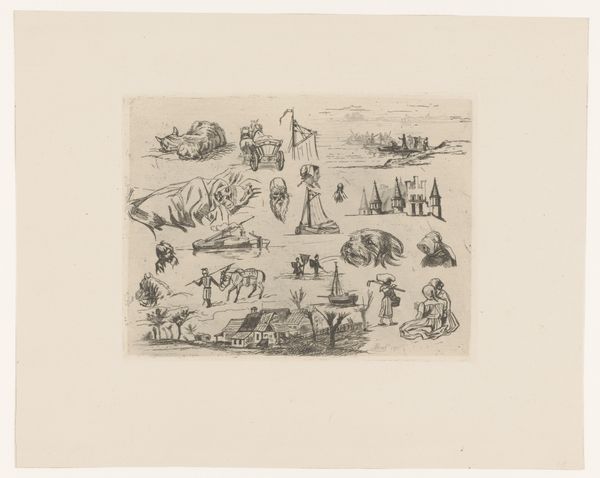
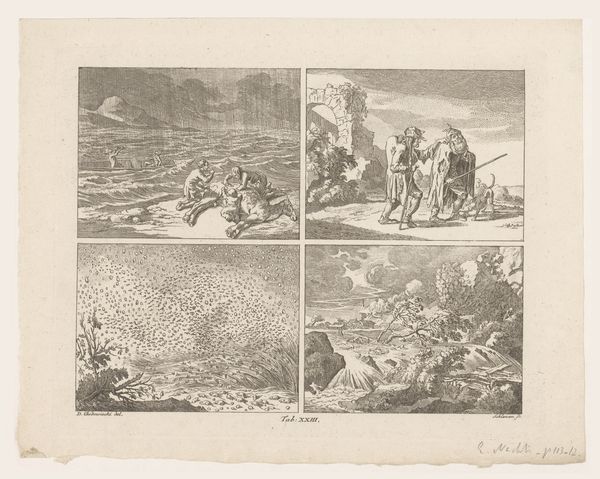
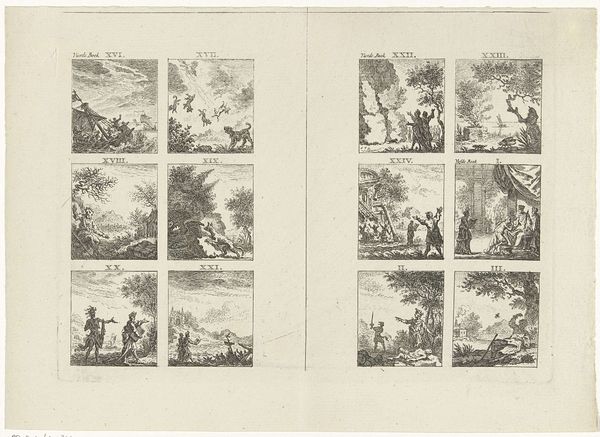
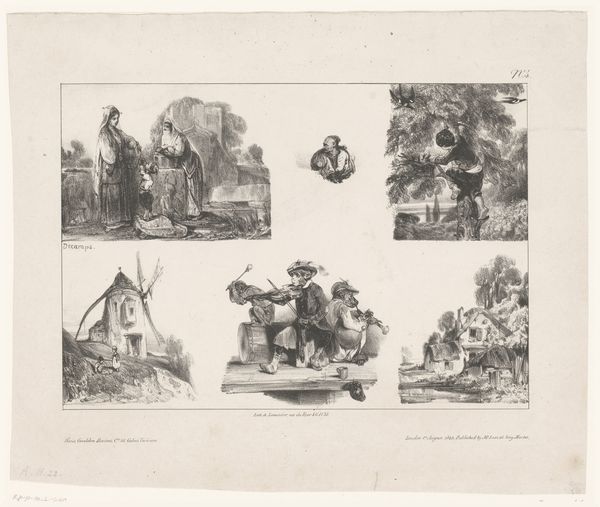
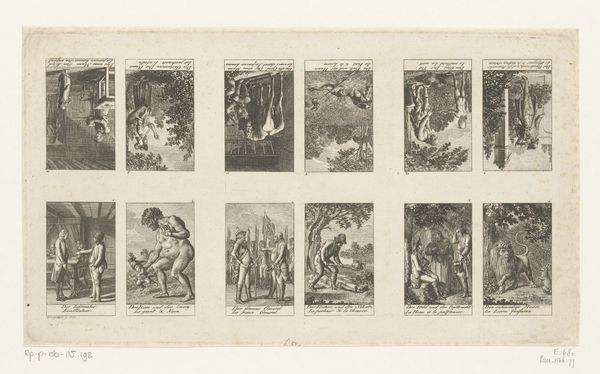
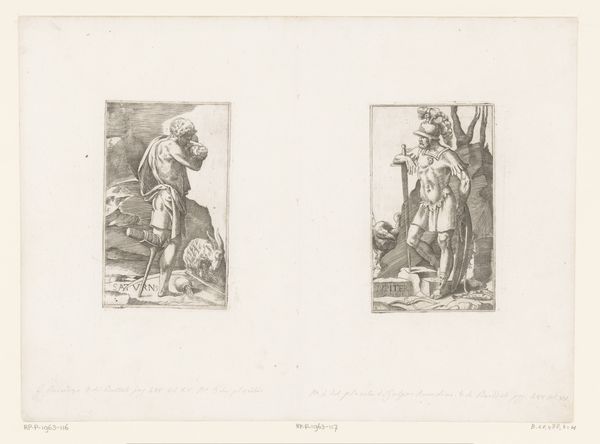
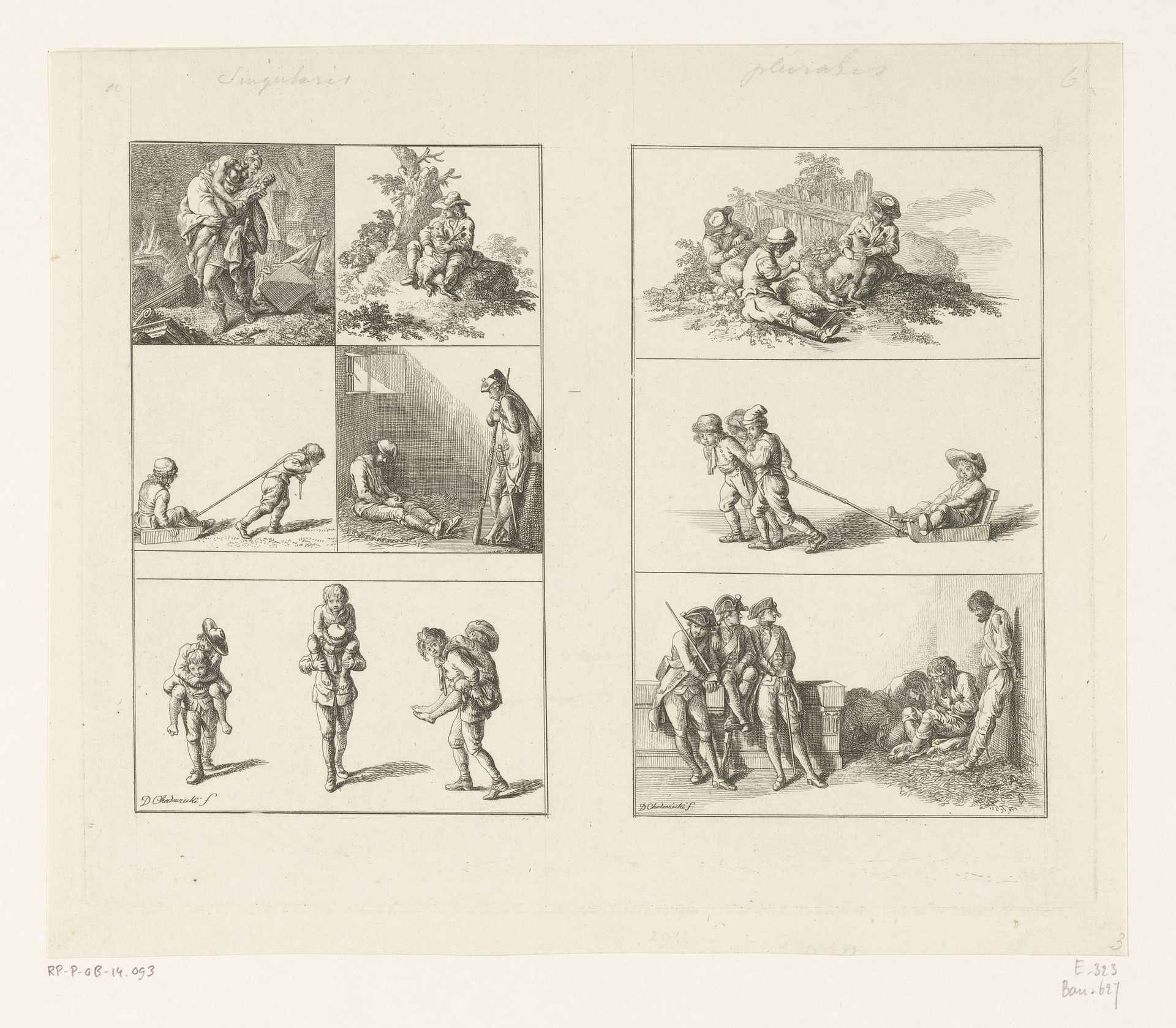
This print, made by Daniel Nikolaus Chodowiecki, uses etching - a process involving acid, metal, and skilled labor. Chodowiecki's image is sharply rendered. He made this by coating a metal plate with wax, scratching an image into the wax, and then dipping the plate in acid, which bites away the exposed lines. It is a relatively indirect process, allowing for fine detail. The print depicts scenes of labor and leisure, contrasting the singular and plural forms of Latin nouns. The way the image is made, through this somewhat painstaking printmaking process, is at odds with what's being shown. Etching was increasingly used in the 18th century for mass production, distributing images widely. Here, that very method throws into stark relief scenes of work – or the absence of it. This contrast between the detailed craft of printmaking and the varying states of labor depicted invites us to reflect on the social and economic structures that underpin both the artwork's creation and its subject matter. It reminds us that every image, like every object, is the product of specific materials, processes, and social contexts.
Voorbeelden van enkelvoudige en meervoudige zelfstandige naamwoorden in het Latijn (singularis / pluralis)
1779

Daniel Nikolaus Chodowiecki
1726 - 1801Location
RijksmuseumArtwork details
- Medium
- print, etching
- Dimensions
- height 202 mm, width 240 mm
- Location
- Rijksmuseum
- Copyright
- Rijks Museum: Open Domain
Tags
Comments
Share your thoughts
About this artwork
This print, made by Daniel Nikolaus Chodowiecki, uses etching - a process involving acid, metal, and skilled labor. Chodowiecki's image is sharply rendered. He made this by coating a metal plate with wax, scratching an image into the wax, and then dipping the plate in acid, which bites away the exposed lines. It is a relatively indirect process, allowing for fine detail. The print depicts scenes of labor and leisure, contrasting the singular and plural forms of Latin nouns. The way the image is made, through this somewhat painstaking printmaking process, is at odds with what's being shown. Etching was increasingly used in the 18th century for mass production, distributing images widely. Here, that very method throws into stark relief scenes of work – or the absence of it. This contrast between the detailed craft of printmaking and the varying states of labor depicted invites us to reflect on the social and economic structures that underpin both the artwork's creation and its subject matter. It reminds us that every image, like every object, is the product of specific materials, processes, and social contexts.
Comments
Share your thoughts