About this artwork
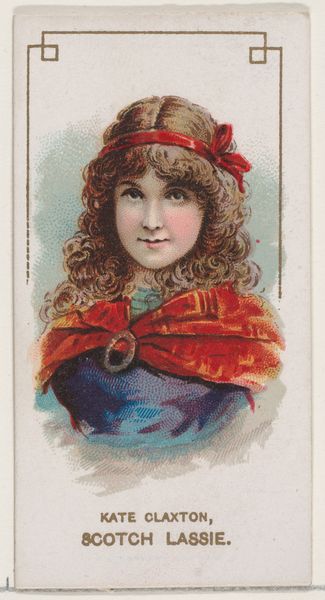
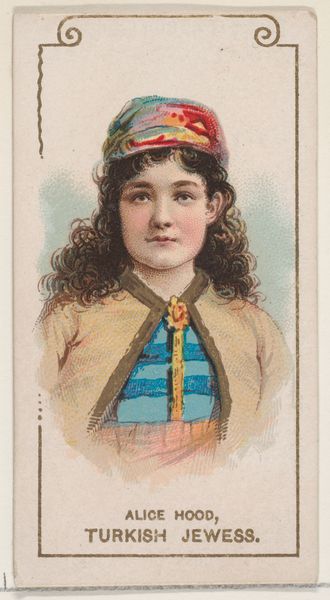
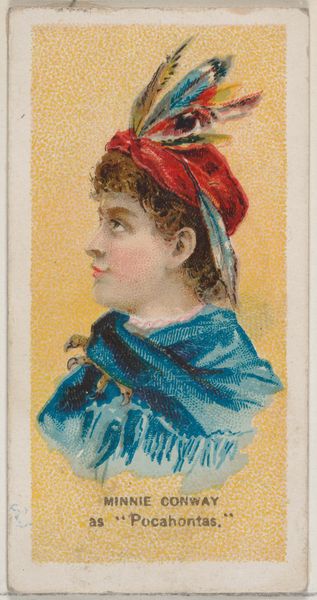
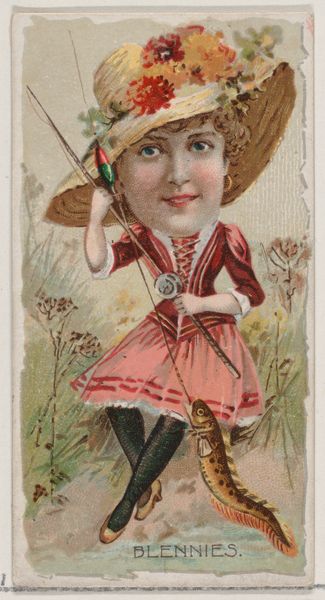
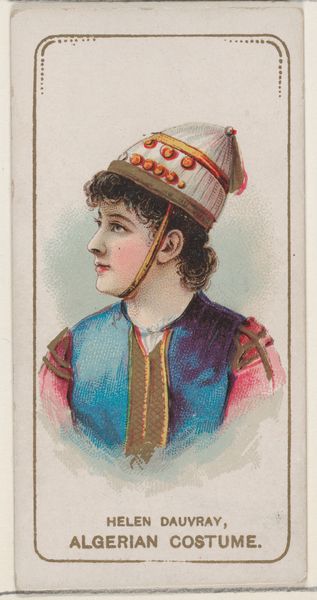
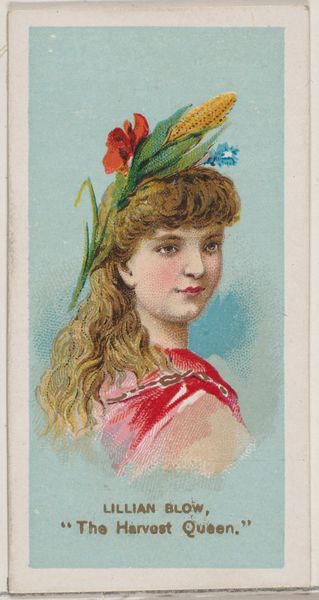
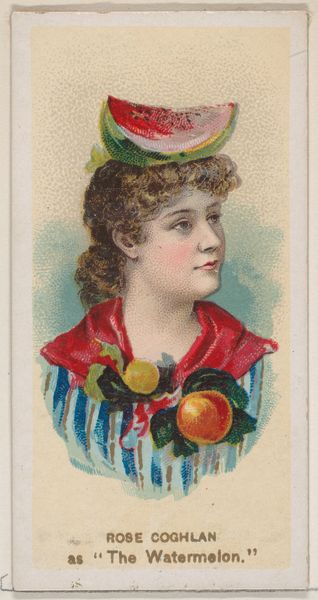
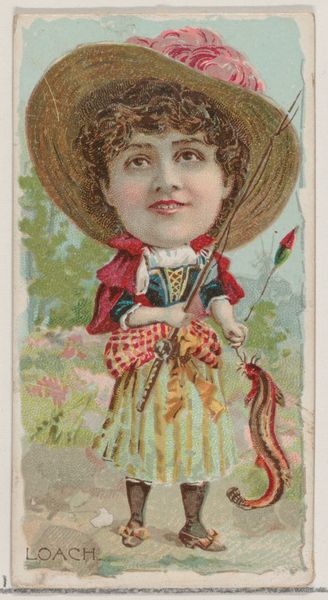
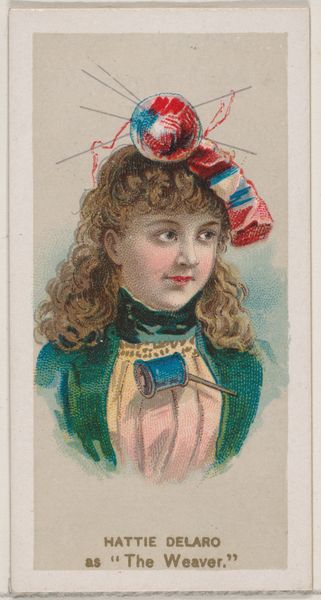
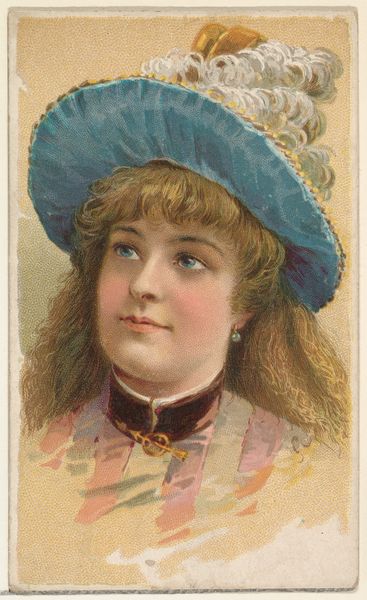
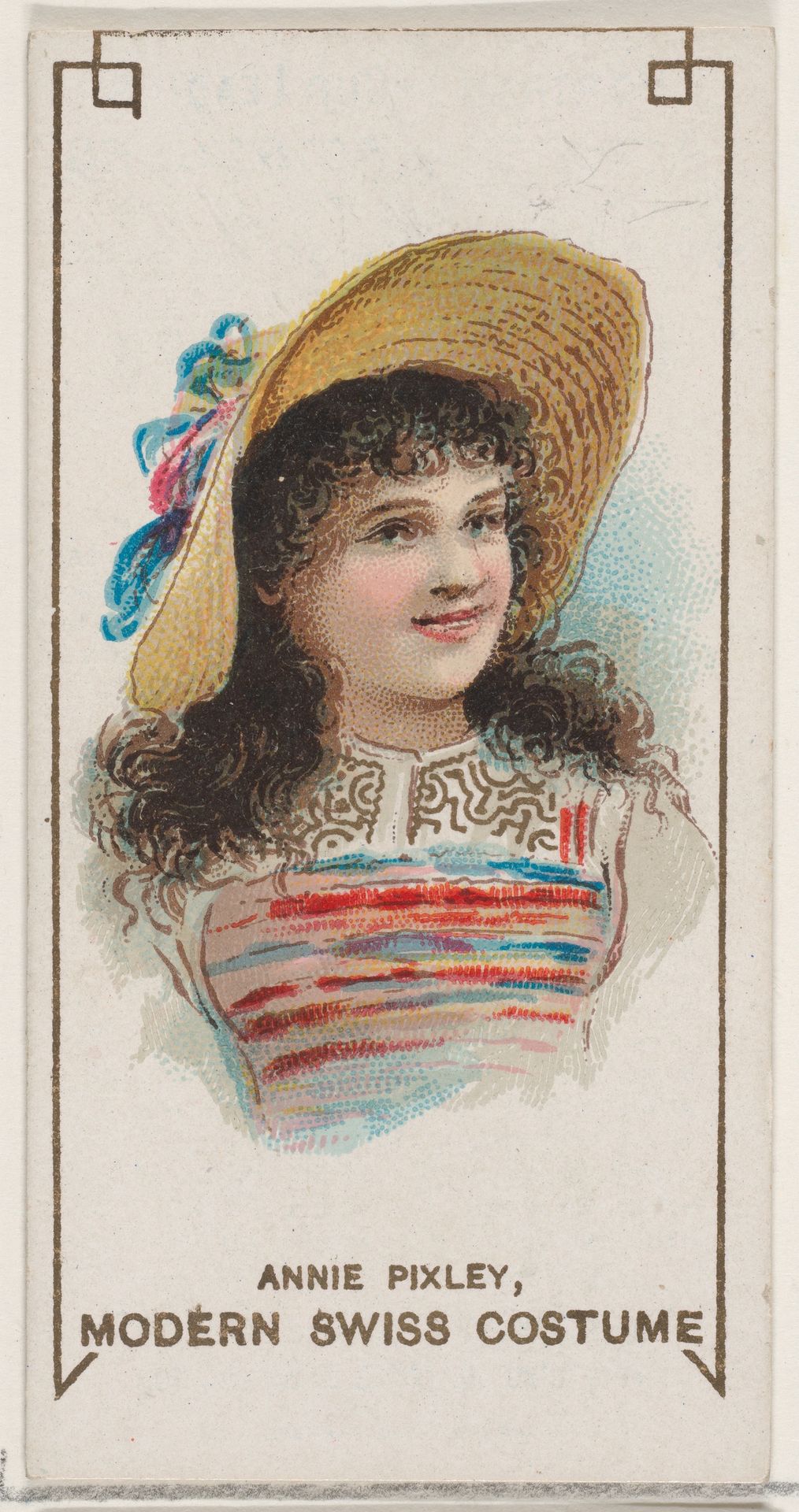
This lithograph of Annie Pixley dressed in a Swiss costume was made around 1888 by W. Duke Sons & Co. for their cigarette brand. The composition presents a bust-length portrait framed by a delicate border, typical for trade cards of the era. The interplay of colors strikes a delicate balance between the warm tones of Pixley's complexion and the cool hues of her attire. The horizontal stripes of red, white, and blue create a visual rhythm, drawing the eye across the surface. The artist uses line and color to create visual interest that challenges fixed meanings. The lines in her clothing, for example, are not strictly representational but evoke something of the "Swissness" of her outfit. The seemingly straightforward image destabilizes established categories and values. It functions not just aesthetically but also as part of a larger cultural and philosophical discourse about identity, representation, and the commercialization of culture.
Annie Pixley Dressed in Modern Swiss Costume, from the set Actors and Actresses, Second Series (N71) for Duke brand cigarettes
1888 - 1890

W. Duke, Sons & Co.
1870 - 1920
The Metropolitan Museum of Art
Metropolitan Museum of Art, New York, NYArtwork details
- Medium
- drawing, collage, print
- Dimensions
- Sheet: 2 3/4 x 1 1/2 in. (7 x 3.8 cm)
- Location
- Metropolitan Museum of Art, New York, NY
- Copyright
- Public Domain
Tags
Comments
Share your thoughts
About this artwork
This lithograph of Annie Pixley dressed in a Swiss costume was made around 1888 by W. Duke Sons & Co. for their cigarette brand. The composition presents a bust-length portrait framed by a delicate border, typical for trade cards of the era. The interplay of colors strikes a delicate balance between the warm tones of Pixley's complexion and the cool hues of her attire. The horizontal stripes of red, white, and blue create a visual rhythm, drawing the eye across the surface. The artist uses line and color to create visual interest that challenges fixed meanings. The lines in her clothing, for example, are not strictly representational but evoke something of the "Swissness" of her outfit. The seemingly straightforward image destabilizes established categories and values. It functions not just aesthetically but also as part of a larger cultural and philosophical discourse about identity, representation, and the commercialization of culture.
Comments
Share your thoughts