About this artwork
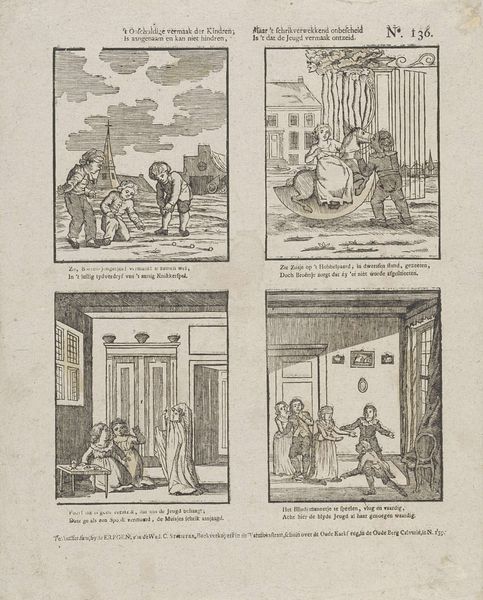
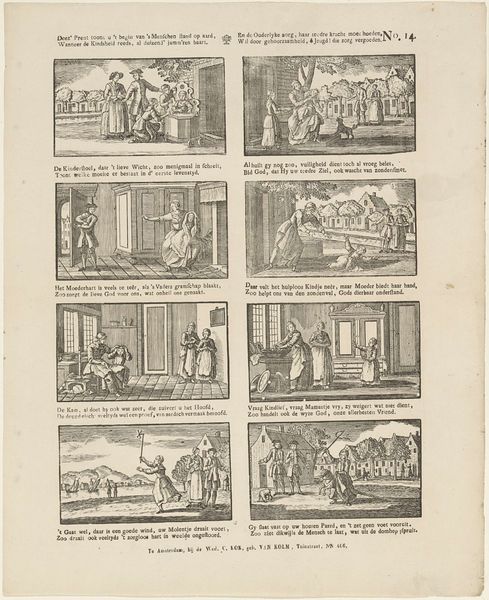
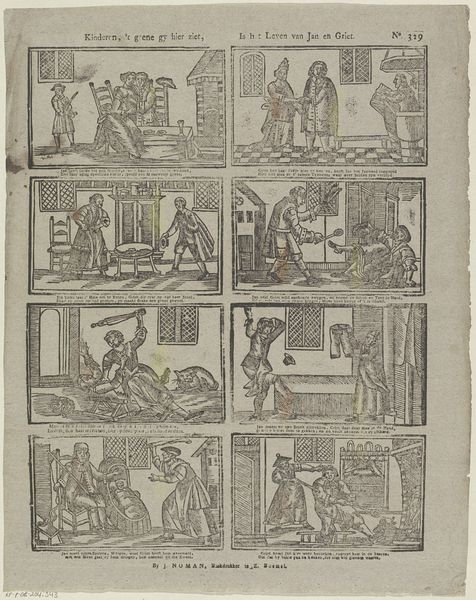
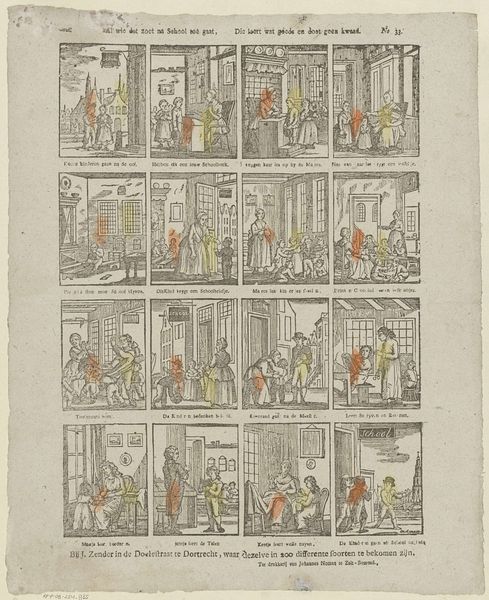
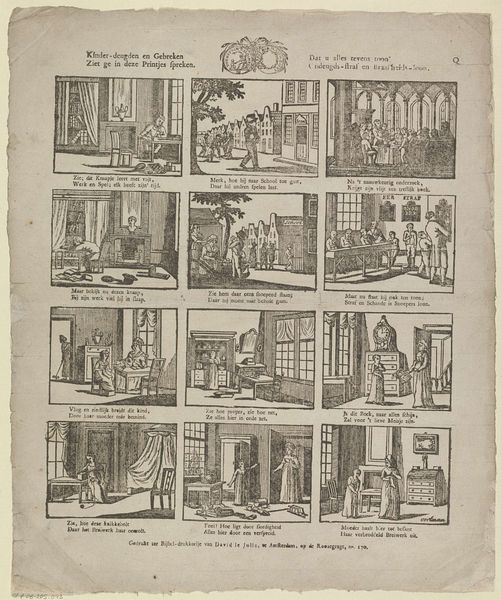
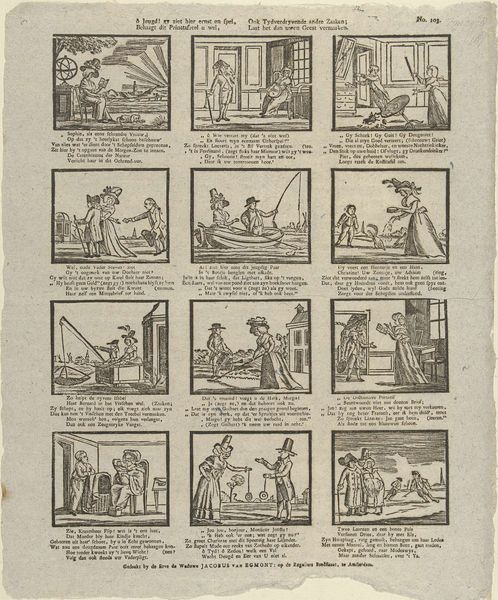
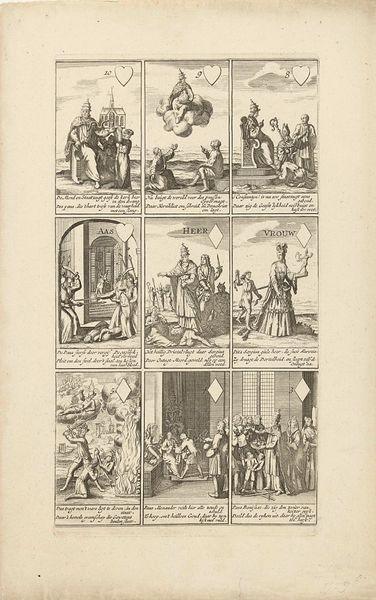
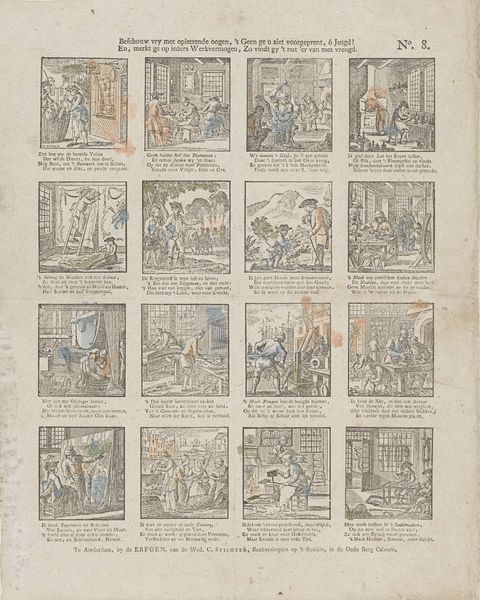
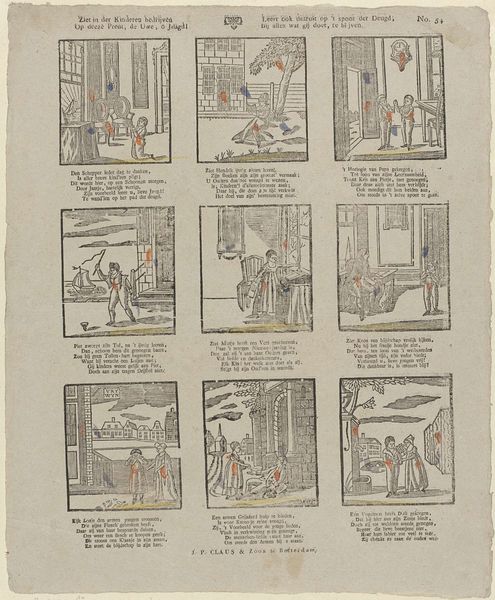
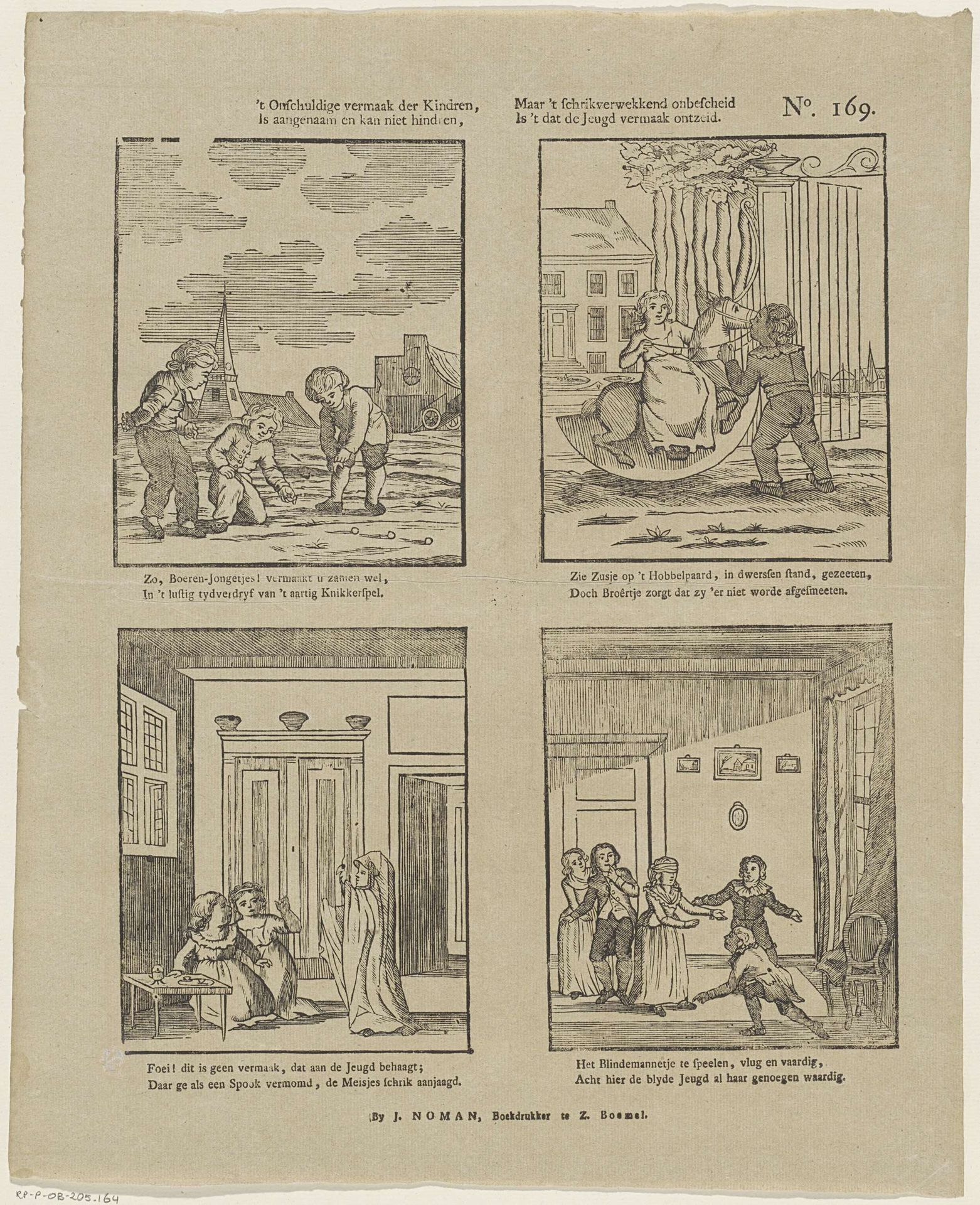
This print by Johan Noman, made without a specified date, uses etching to explore the relationship between innocence, pleasure, and authority in childhood. The print is divided into four scenes, each accompanied by a rhyming couplet. These verses contrast harmless pastimes with those deemed inappropriate, subtly hinting at the constraints placed upon children's play. The images portray children playing games, riding a rocking horse, dressing as a ghost and playing blind man's buff. The verses underscore the didactic intent of the artwork, framing certain behaviors as acceptable while cautioning against others, reflecting the era’s emphasis on moral instruction. Noman’s work offers a glimpse into the social values and expectations projected onto children, revealing a world where pleasure is carefully managed and innocence is both celebrated and regulated. It evokes a sense of nostalgia tinged with a critical awareness of the power dynamics inherent in representations of childhood.
´T onschuldige vermaak der kindren, / Is aangenaam en kan niet hindren, / Maar 't schrikverwekkend onbescheid / Is 't dat de jeugd vermaak ontzeid
1806 - 1830

Johan Noman
1833Location
RijksmuseumArtwork details
- Medium
- drawing, print, paper, engraving
- Dimensions
- height 389 mm, width 316 mm
- Location
- Rijksmuseum
- Copyright
- Rijks Museum: Open Domain
Tags
Comments
Share your thoughts
About this artwork
This print by Johan Noman, made without a specified date, uses etching to explore the relationship between innocence, pleasure, and authority in childhood. The print is divided into four scenes, each accompanied by a rhyming couplet. These verses contrast harmless pastimes with those deemed inappropriate, subtly hinting at the constraints placed upon children's play. The images portray children playing games, riding a rocking horse, dressing as a ghost and playing blind man's buff. The verses underscore the didactic intent of the artwork, framing certain behaviors as acceptable while cautioning against others, reflecting the era’s emphasis on moral instruction. Noman’s work offers a glimpse into the social values and expectations projected onto children, revealing a world where pleasure is carefully managed and innocence is both celebrated and regulated. It evokes a sense of nostalgia tinged with a critical awareness of the power dynamics inherent in representations of childhood.
Comments
Share your thoughts