1746
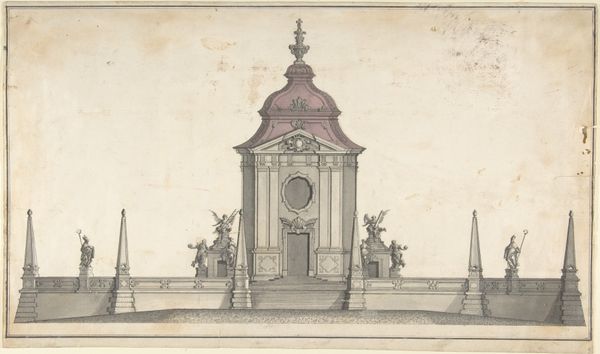
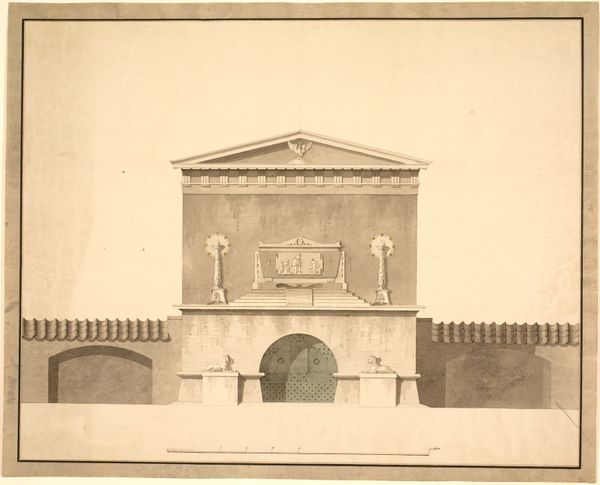
Design for a City Gate in Trier


Listen to curator's interpretation
Curatorial notes
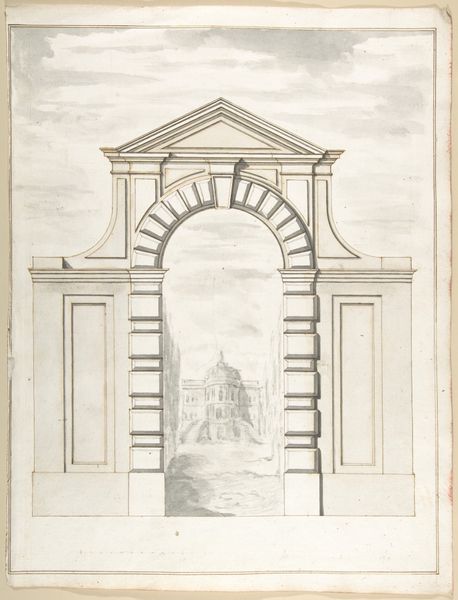
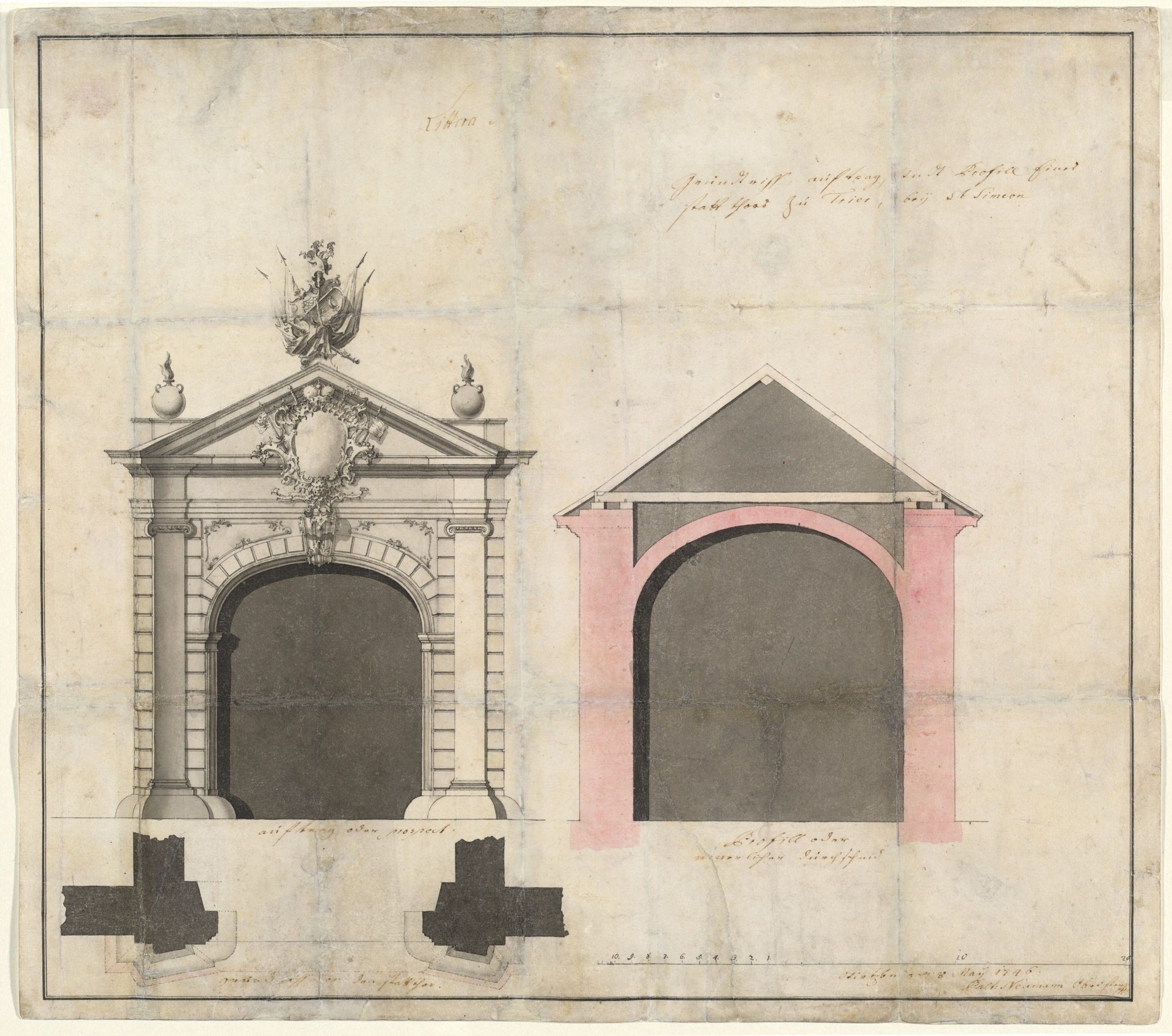
Balthasar Neumann made this design for a city gate in Trier using pen, black ink, and watercolor on paper. In the 18th century, city gates were more than just entrances; they were powerful symbols of a city's identity and authority. Neumann, a prominent architect of the German Baroque, uses classical elements like columns and arches, topped with elaborate ornamentation, to convey a sense of grandeur and sophistication. This design reflects the cultural values of the time, where cities sought to project an image of strength and refinement. Trier, with its rich Roman history and ecclesiastical significance, would have sought a gate that reflected its unique heritage. Details, like the heraldic crest, would have reinforced local pride and civic identity. Understanding the history of Trier, its political landscape, and the aspirations of its leaders, helps us interpret the social and institutional functions of this design. By studying architectural drawings and historical records, we can uncover the complex interplay between artistic expression and social context.