About this artwork
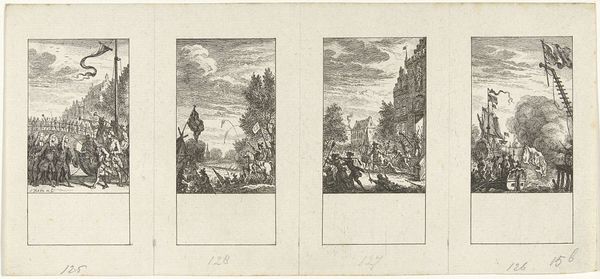
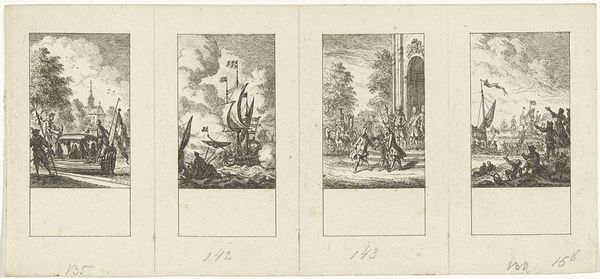
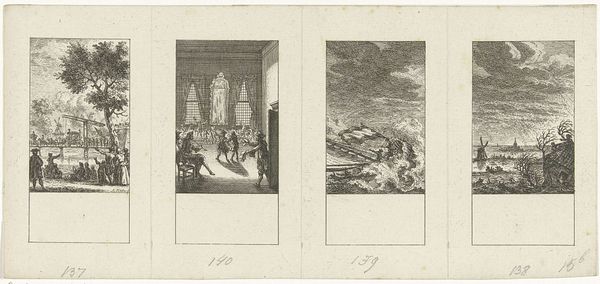
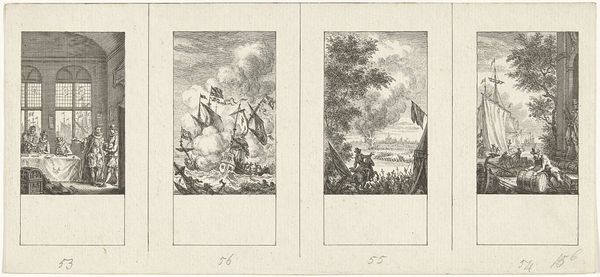
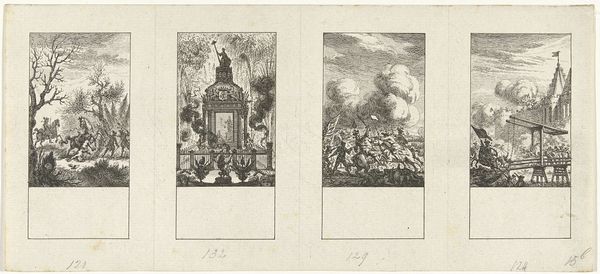
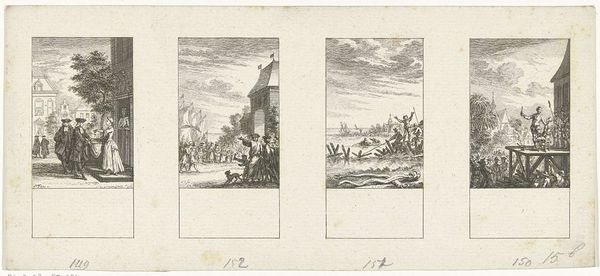
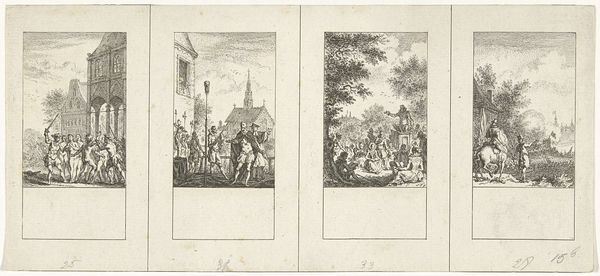
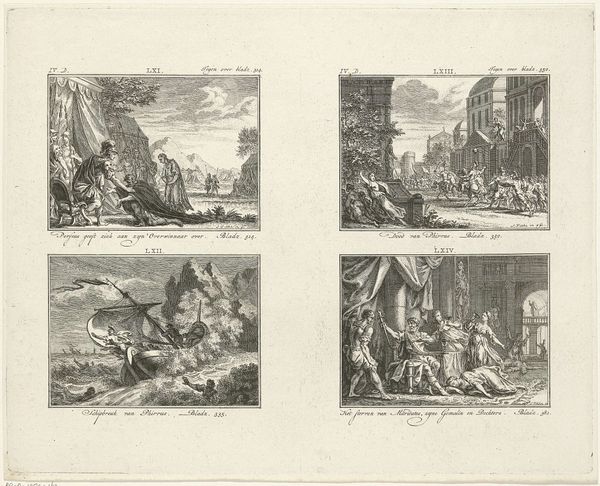
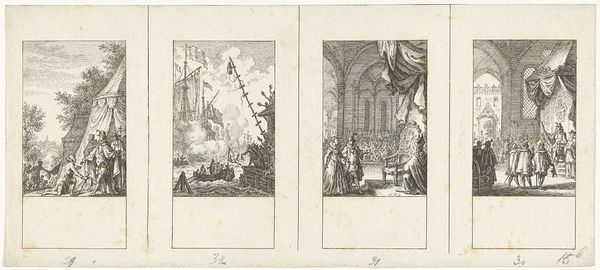
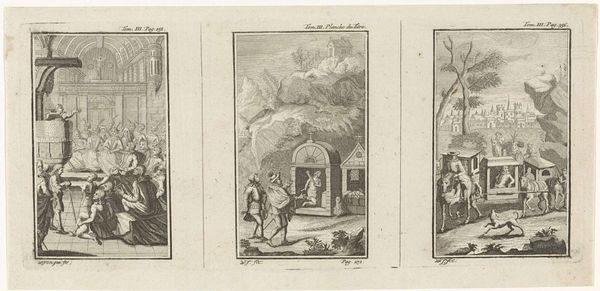
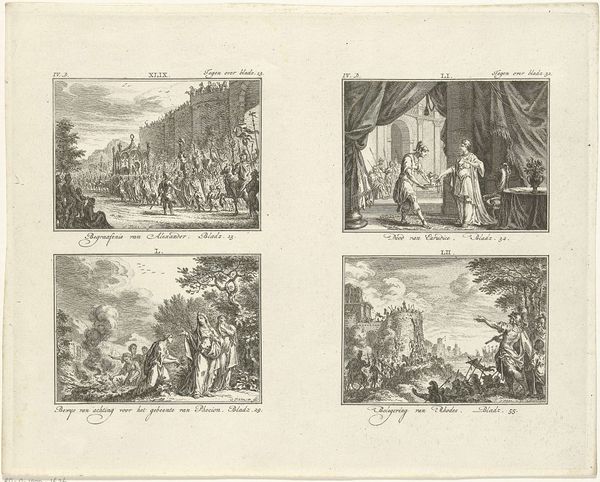
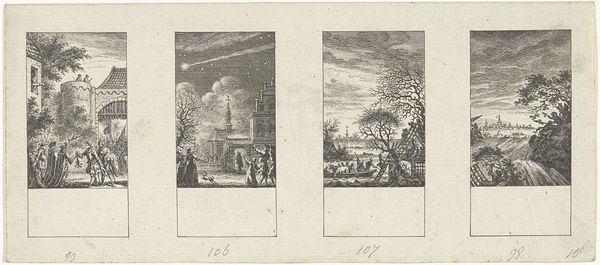
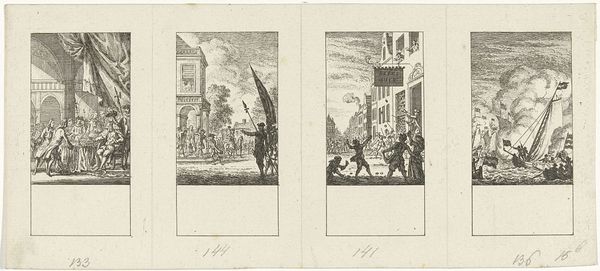
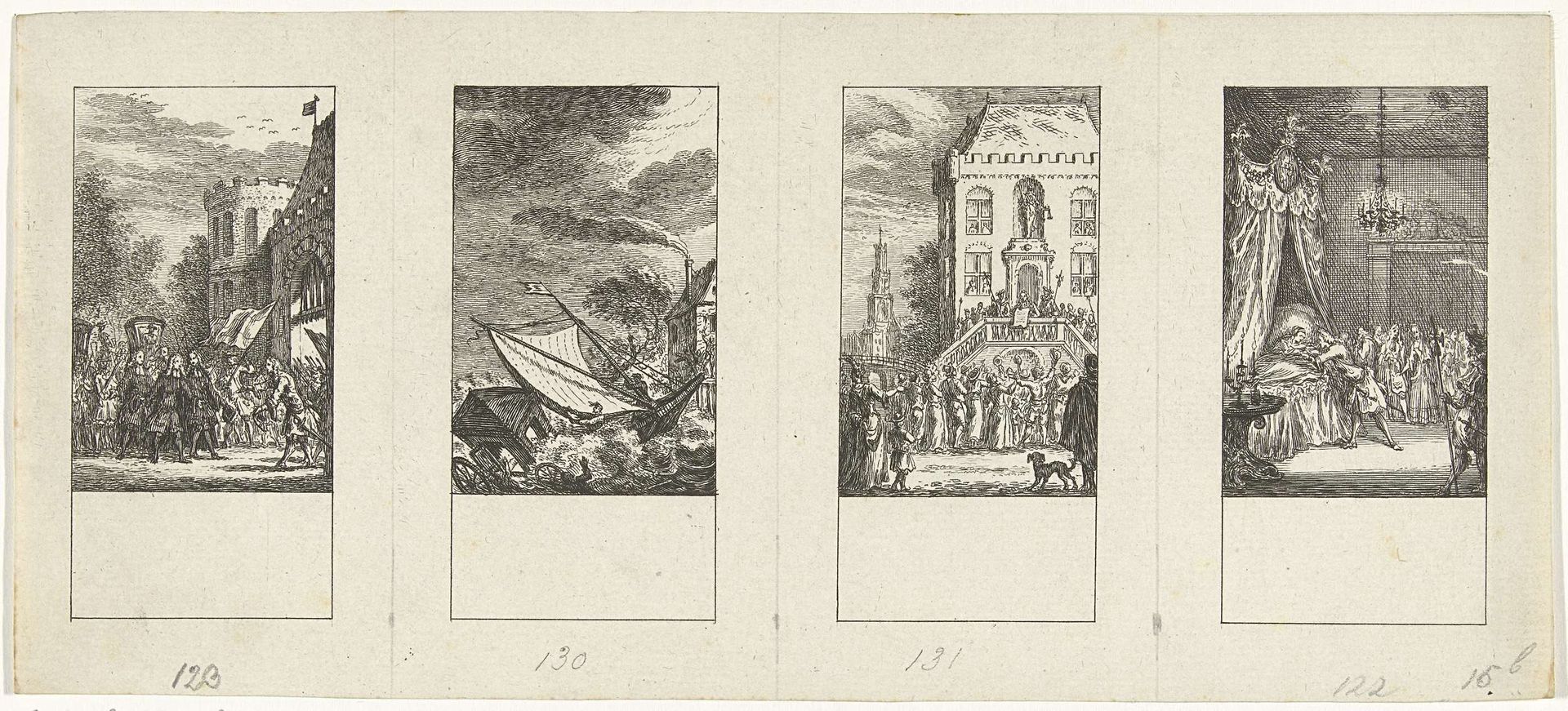
This is a print from the hand of Simon Fokke, made in the Netherlands in the eighteenth century. In four panels, the artist represents key moments in the history of the Dutch nation. Fokke was active at a time when there was great interest in Dutch national identity and history. Thinkers and artists were reflecting on what it meant to be Dutch, and looking back to the past for inspiration. This print speaks to the spirit of the Dutch Enlightenment, when intellectuals were committed to reason, progress, and civic virtue. The choice of historical episodes would have resonated with contemporary political debates. Note the emphasis on the role of the House of Orange in securing Dutch independence and prosperity. Studying Fokke's prints helps us understand the political and cultural context in which they were made. Historians consult a range of sources, including pamphlets, newspapers, and archival documents, to reconstruct the past. By situating art in its historical context, we gain a deeper understanding of its meaning and significance.
Vier episodes uit de vaderlandse geschiedenis
1722 - 1784

Simon Fokke
1712 - 1784Location
RijksmuseumArtwork details
- Medium
- print, engraving
- Dimensions
- height 111 mm, width 248 mm
- Location
- Rijksmuseum
- Copyright
- Rijks Museum: Open Domain
Tags
Comments
Share your thoughts
About this artwork
This is a print from the hand of Simon Fokke, made in the Netherlands in the eighteenth century. In four panels, the artist represents key moments in the history of the Dutch nation. Fokke was active at a time when there was great interest in Dutch national identity and history. Thinkers and artists were reflecting on what it meant to be Dutch, and looking back to the past for inspiration. This print speaks to the spirit of the Dutch Enlightenment, when intellectuals were committed to reason, progress, and civic virtue. The choice of historical episodes would have resonated with contemporary political debates. Note the emphasis on the role of the House of Orange in securing Dutch independence and prosperity. Studying Fokke's prints helps us understand the political and cultural context in which they were made. Historians consult a range of sources, including pamphlets, newspapers, and archival documents, to reconstruct the past. By situating art in its historical context, we gain a deeper understanding of its meaning and significance.
Comments
Share your thoughts