About this artwork
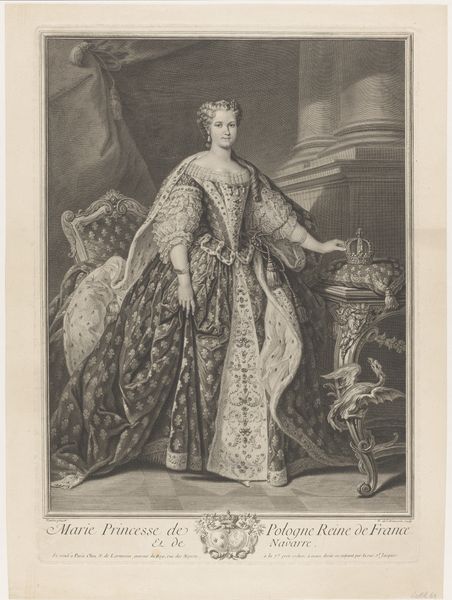
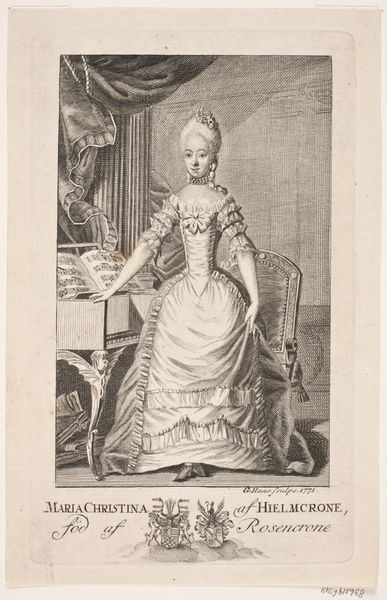
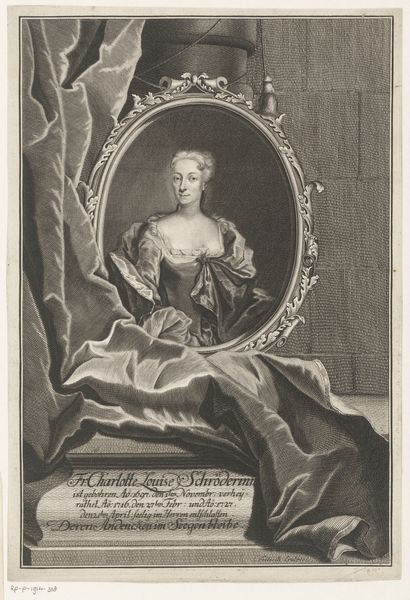
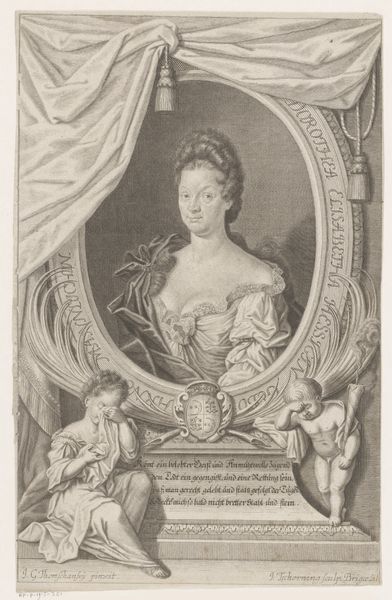
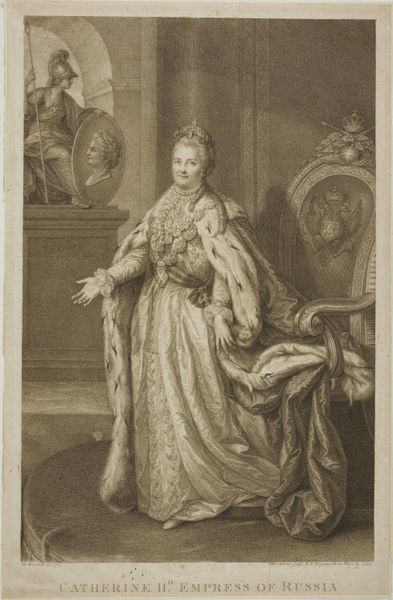
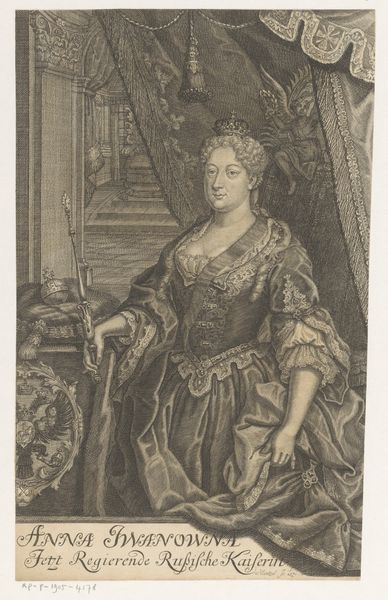
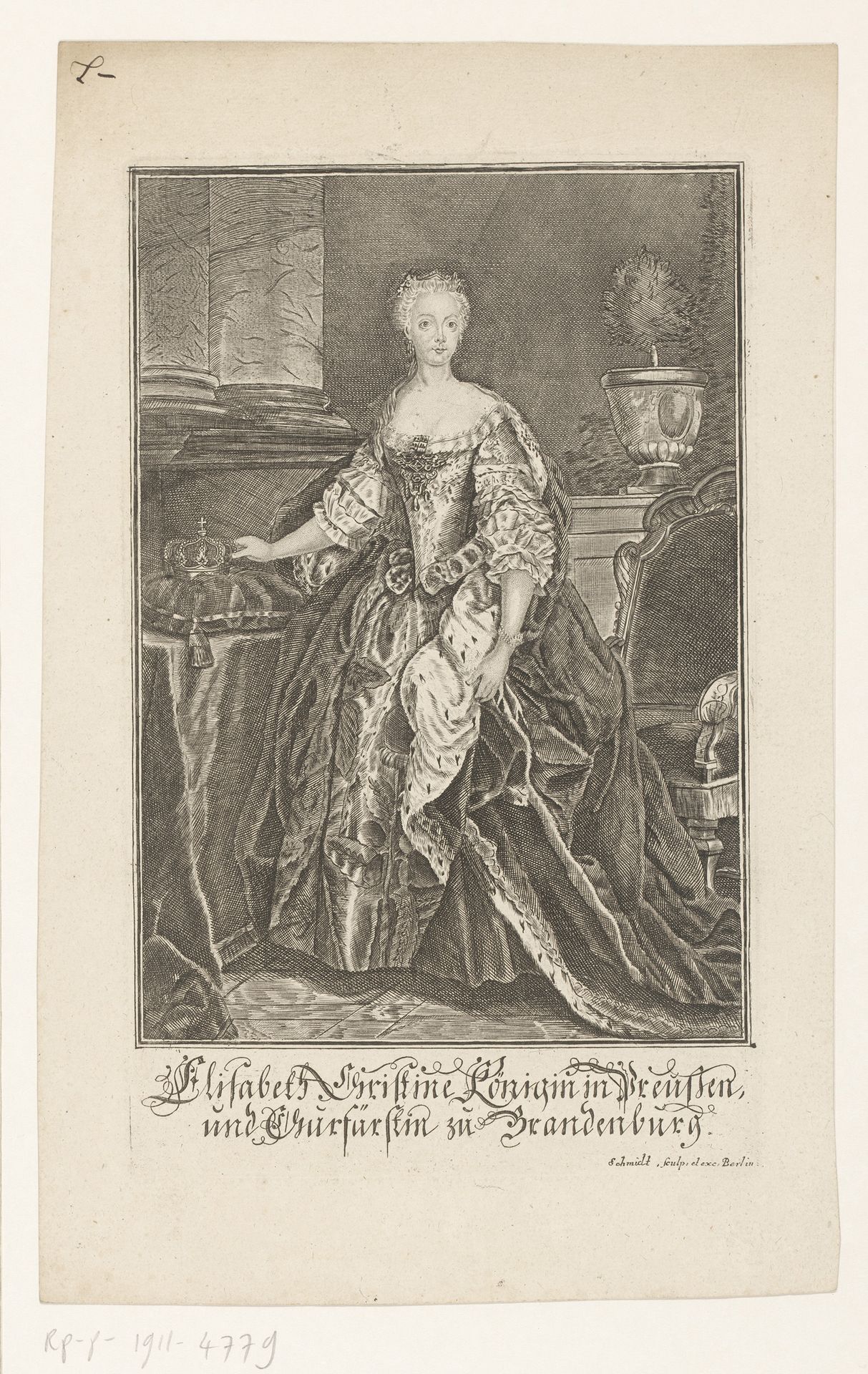
Georg Christoph Schmidt created this portrait of Elisabeth Christina, Queen of Prussia, using etching. The regal symbols of power command attention: a crown, a royal mantle, and classically inspired columns. These are not merely decorative; they are potent symbols of authority. Observe the crown resting on the table, almost casually presented. Throughout history, the crown signifies not only sovereignty but also divine legitimacy, echoing motifs seen in ancient Roman imperial portraits and Byzantine mosaics. The columns in the background are a visual metaphor for the strength and stability of the monarchy. This harks back to classical antiquity, where columns were architectural assertions of power, adorning temples and palaces. It reminds me of the way these motifs resurface, evolved and taking on new meanings in different historical contexts.
Portret van Elisabeth Christina, koningin van Pruissen
1750 - 1811

Artwork details
- Dimensions
- height 257 mm, width 161 mm
- Copyright
- Rijks Museum: Open Domain
Tags
Comments
Share your thoughts
About this artwork
Georg Christoph Schmidt created this portrait of Elisabeth Christina, Queen of Prussia, using etching. The regal symbols of power command attention: a crown, a royal mantle, and classically inspired columns. These are not merely decorative; they are potent symbols of authority. Observe the crown resting on the table, almost casually presented. Throughout history, the crown signifies not only sovereignty but also divine legitimacy, echoing motifs seen in ancient Roman imperial portraits and Byzantine mosaics. The columns in the background are a visual metaphor for the strength and stability of the monarchy. This harks back to classical antiquity, where columns were architectural assertions of power, adorning temples and palaces. It reminds me of the way these motifs resurface, evolved and taking on new meanings in different historical contexts.
Comments
Share your thoughts