About this artwork
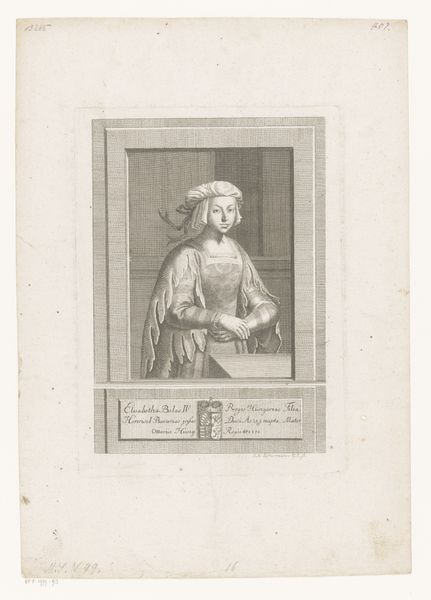
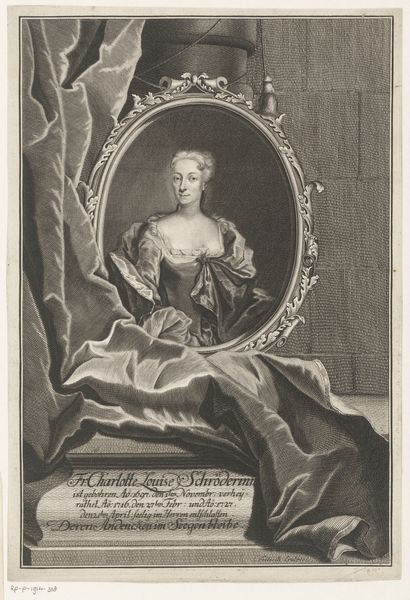
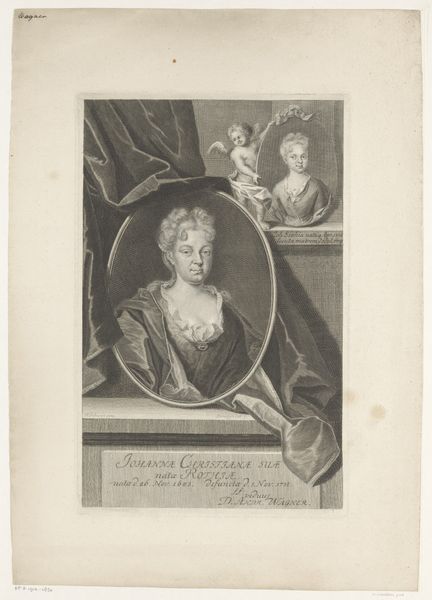
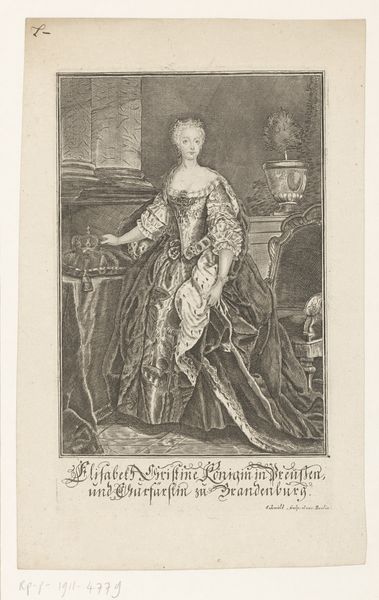
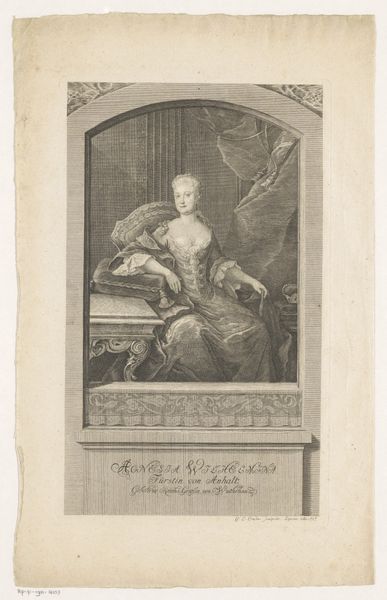
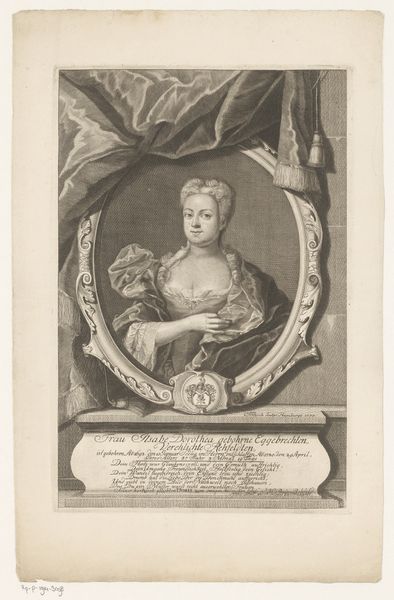
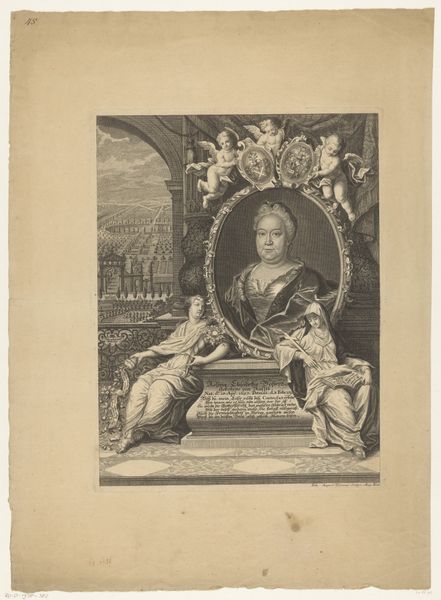
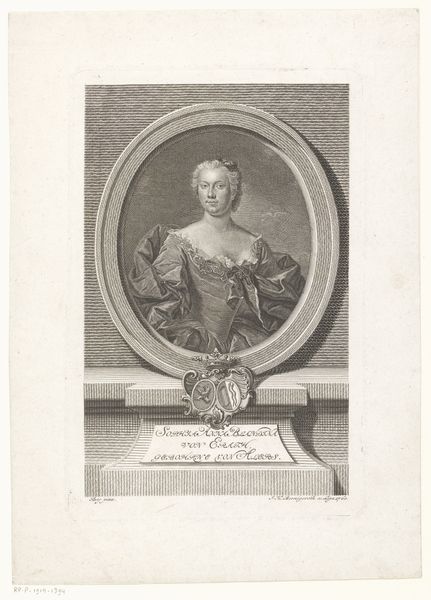
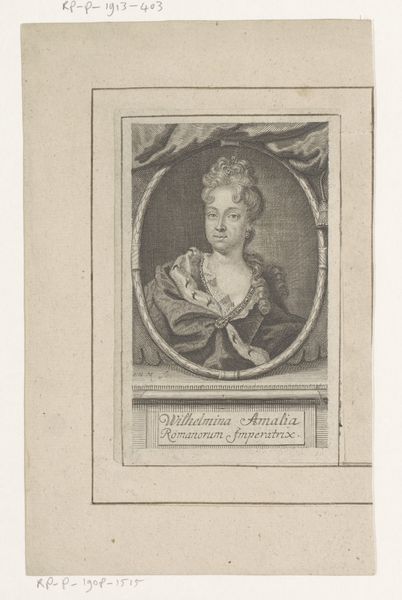
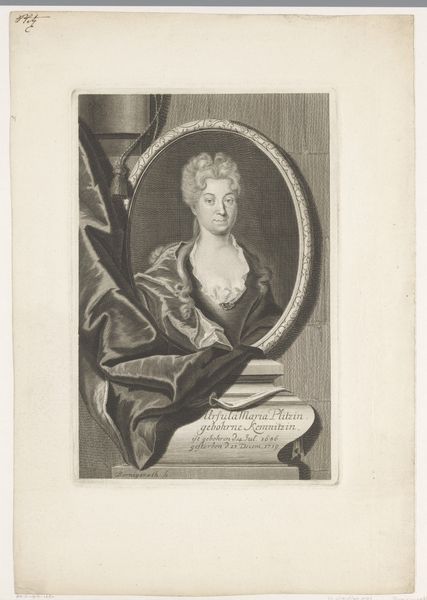
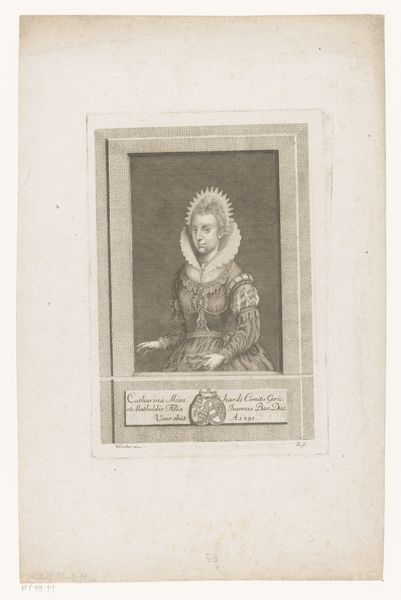
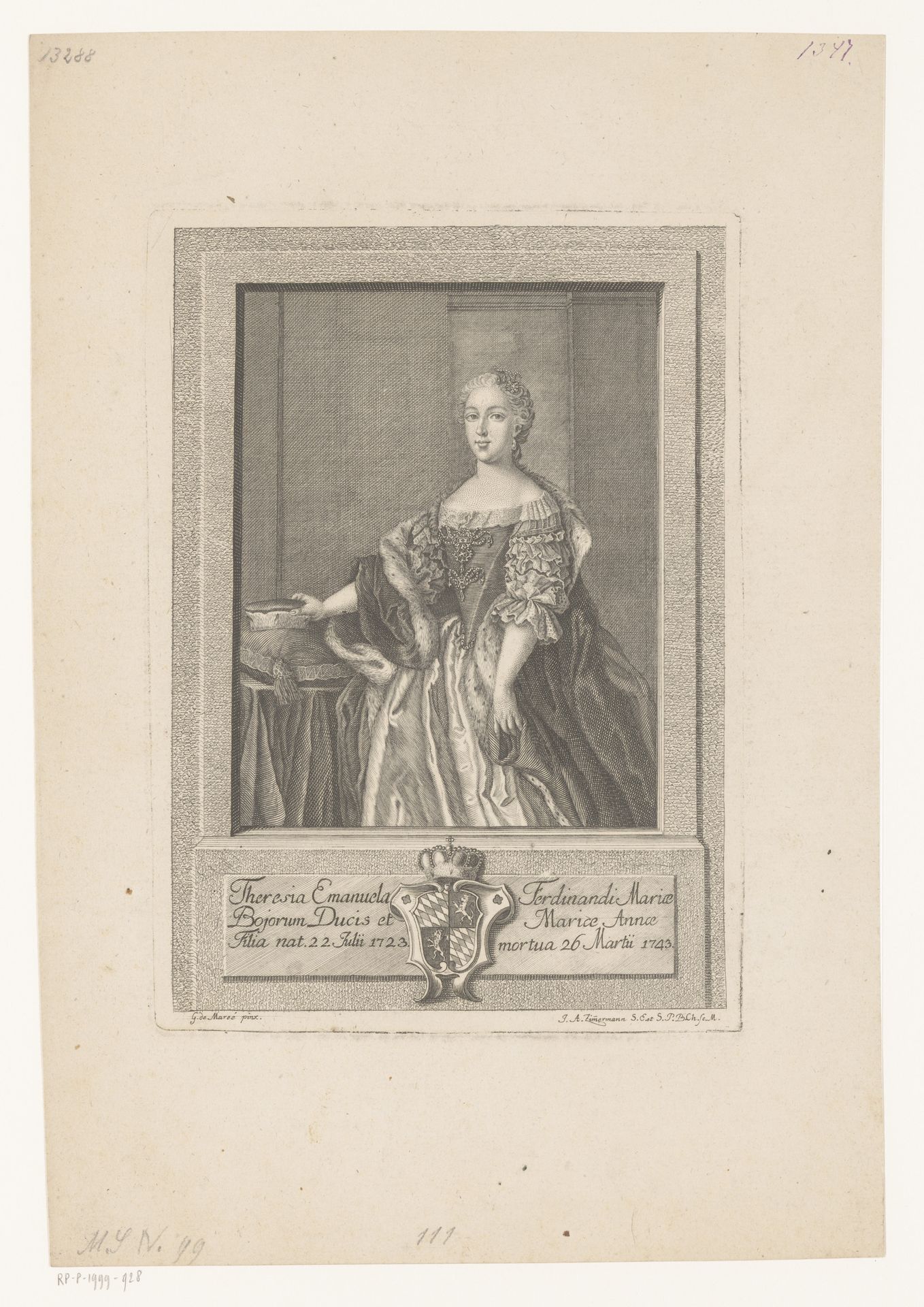
Joseph Anton Zimmermann created this engraving of Theresia Emanuela of Bavaria sometime in the 18th century. Zimmermann, a German artist, here depicts Theresia as a young woman of status and wealth. During this period, portraiture played a critical role in defining social hierarchies. The sitter's clothing, pose, and setting were all carefully constructed to convey messages about their identity, family, and social standing. Here, Theresia's elaborate gown and refined bearing speak to her aristocratic status, while the architectural backdrop alludes to the palaces and estates that were typical of her class. This image could have been commissioned by the sitter to demonstrate their status in society. The engraver or printmaker played a vital role in disseminating images and information throughout society. To fully understand this image, a social historian might consult resources such as genealogical records, fashion history, and studies of courtly life in 18th-century Europe.

Artwork details
- Dimensions
- height 264 mm, width 190 mm
- Copyright
- Rijks Museum: Open Domain
Comments
Share your thoughts
About this artwork
Joseph Anton Zimmermann created this engraving of Theresia Emanuela of Bavaria sometime in the 18th century. Zimmermann, a German artist, here depicts Theresia as a young woman of status and wealth. During this period, portraiture played a critical role in defining social hierarchies. The sitter's clothing, pose, and setting were all carefully constructed to convey messages about their identity, family, and social standing. Here, Theresia's elaborate gown and refined bearing speak to her aristocratic status, while the architectural backdrop alludes to the palaces and estates that were typical of her class. This image could have been commissioned by the sitter to demonstrate their status in society. The engraver or printmaker played a vital role in disseminating images and information throughout society. To fully understand this image, a social historian might consult resources such as genealogical records, fashion history, and studies of courtly life in 18th-century Europe.
Comments
Share your thoughts