About this artwork
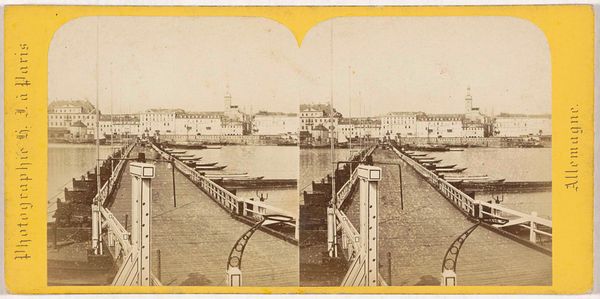
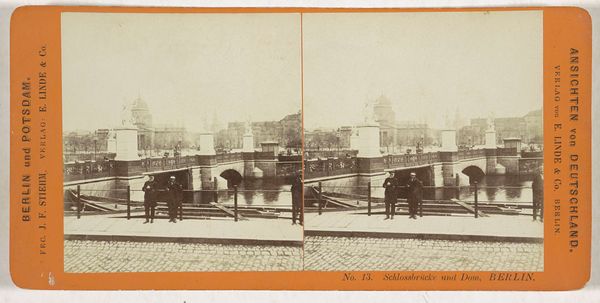
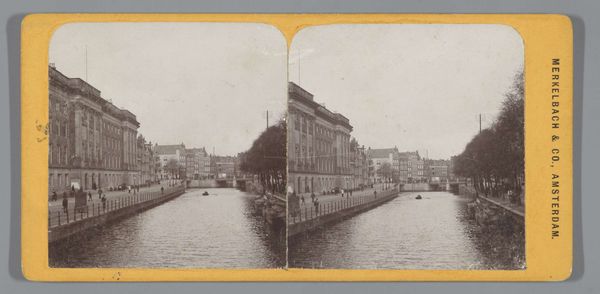
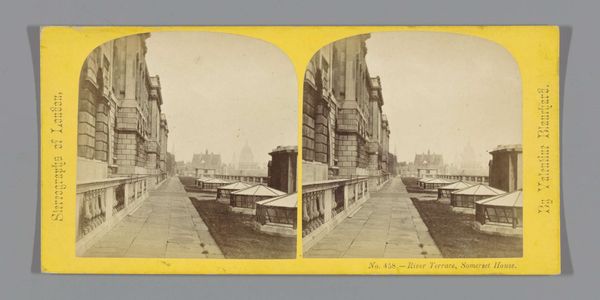
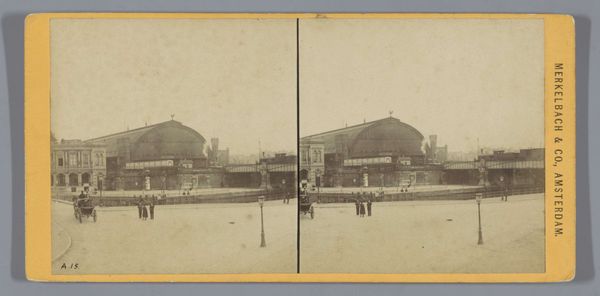
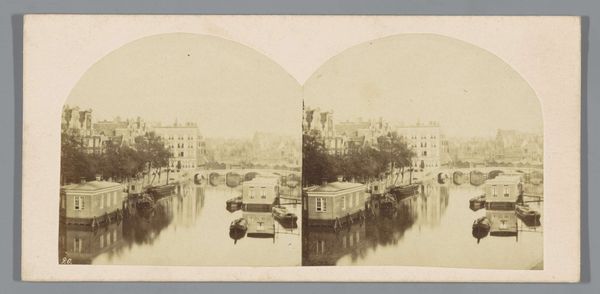
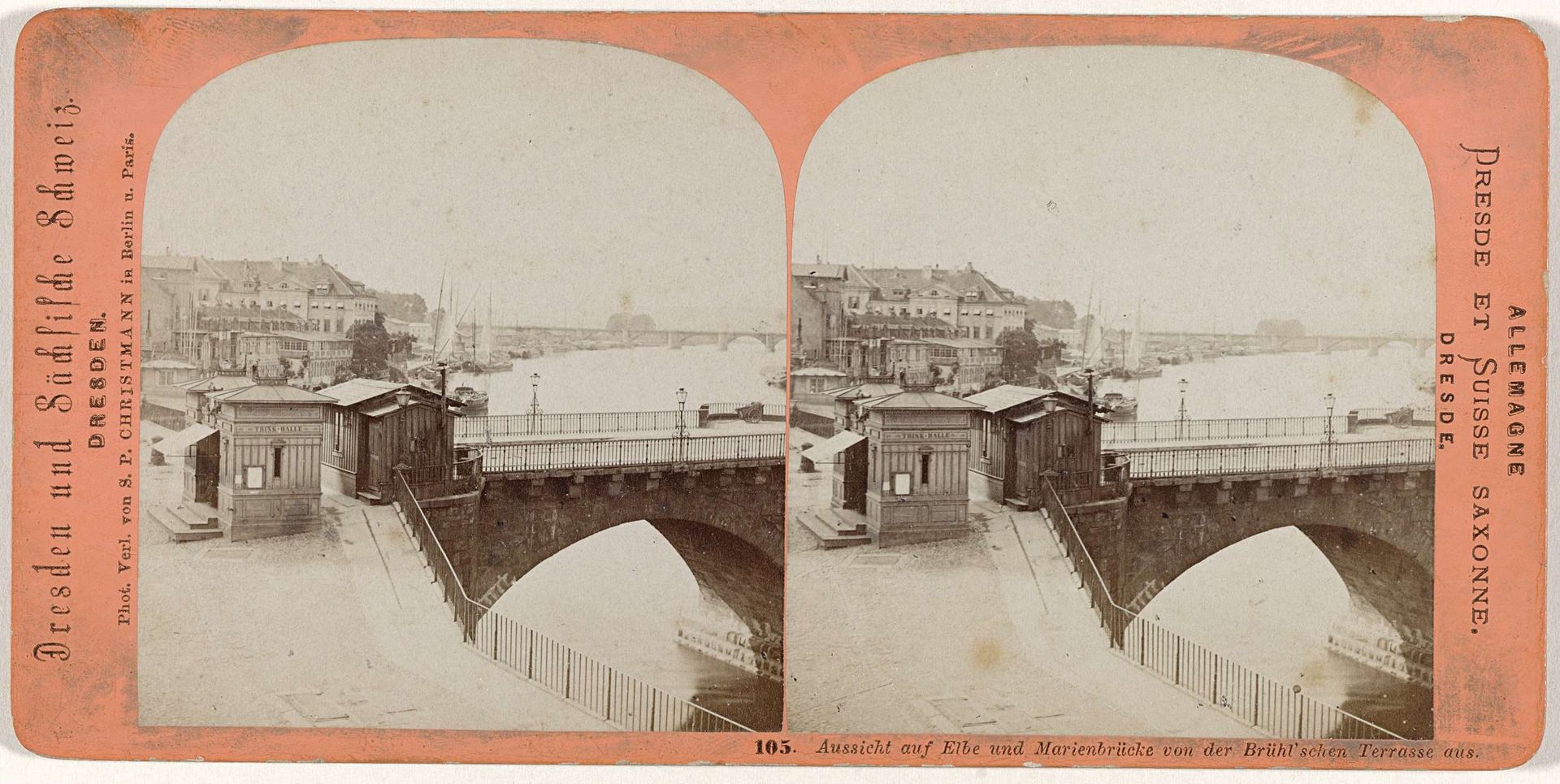
This stereoscopic card showing the Elbe and the Marienbrücke in Dresden was created by S.P. Christmann, a photographer active in Berlin and Paris. Such cards were a popular form of entertainment and a means of experiencing places from afar in the late 19th century. The image presents us with a picturesque view of Dresden, highlighting its architecture and the natural beauty of the Elbe River. The Marienbrücke, a bridge symbolizing progress and connectivity, is presented here for a growing urban population. As an artistic and cultural center, Dresden was also a site of political tensions and social change. This image, by circulating widely, might have contributed to a sense of shared identity and pride or to the creation of stereotypes about German culture and landscape. Understanding this image means knowing about 19th-century photography, German history, and the growth of tourism. Research into photographic archives, city planning documents, and guidebooks can provide further insights into the making and meaning of this image.
Gezicht op de Elbe en de Marienbrücke in Dresden, Duitsland
1873 - 1890

Artwork details
- Medium
- daguerreotype, photography
- Dimensions
- height 87 mm, width 176 mm
- Copyright
- Rijks Museum: Open Domain
Tags
Comments
Share your thoughts
About this artwork
This stereoscopic card showing the Elbe and the Marienbrücke in Dresden was created by S.P. Christmann, a photographer active in Berlin and Paris. Such cards were a popular form of entertainment and a means of experiencing places from afar in the late 19th century. The image presents us with a picturesque view of Dresden, highlighting its architecture and the natural beauty of the Elbe River. The Marienbrücke, a bridge symbolizing progress and connectivity, is presented here for a growing urban population. As an artistic and cultural center, Dresden was also a site of political tensions and social change. This image, by circulating widely, might have contributed to a sense of shared identity and pride or to the creation of stereotypes about German culture and landscape. Understanding this image means knowing about 19th-century photography, German history, and the growth of tourism. Research into photographic archives, city planning documents, and guidebooks can provide further insights into the making and meaning of this image.
Comments
Share your thoughts