About this artwork
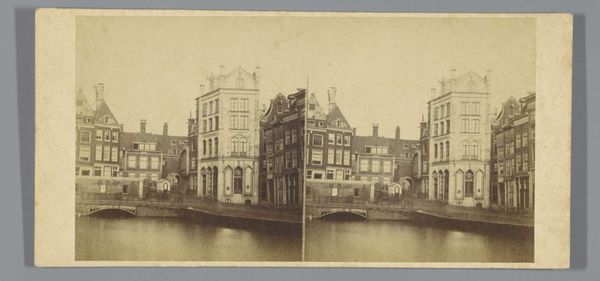
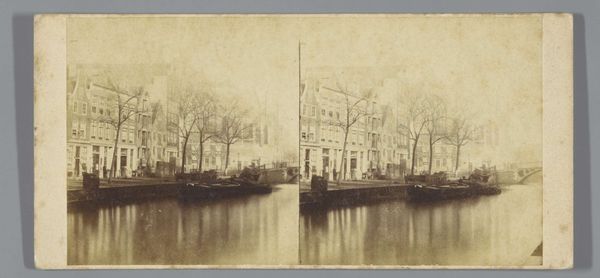
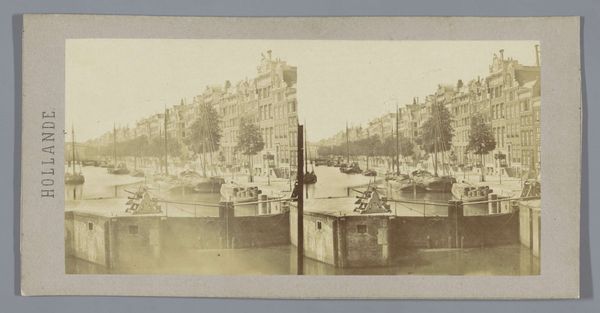
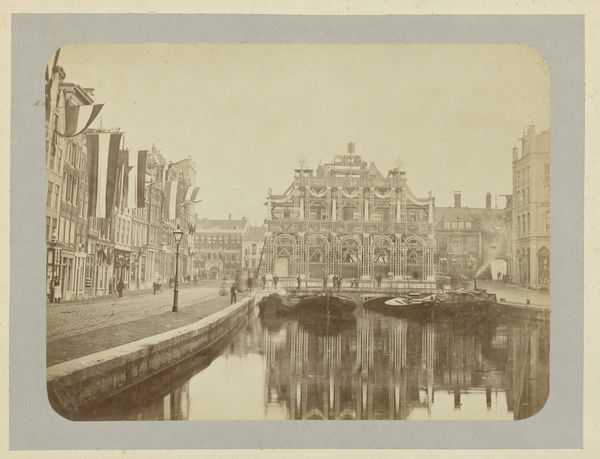
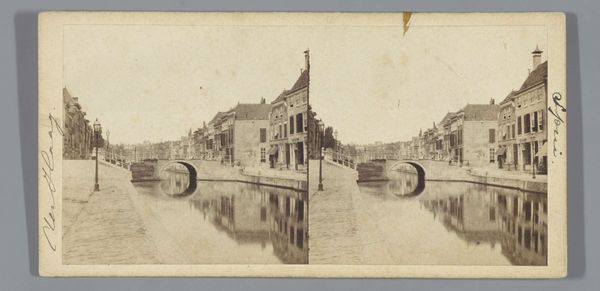
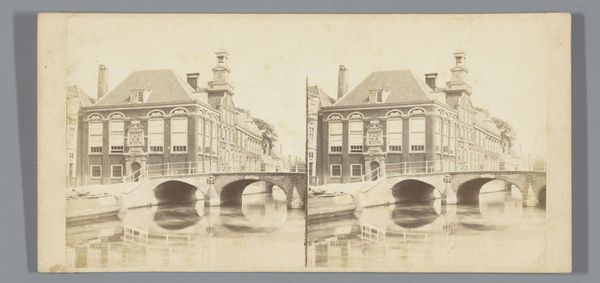
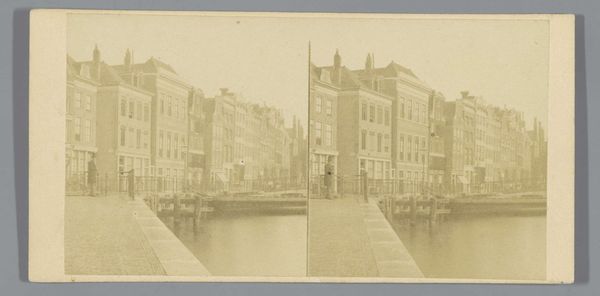
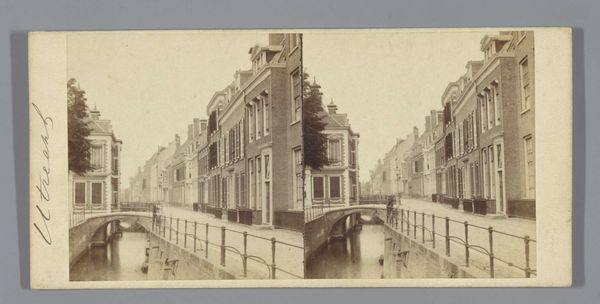
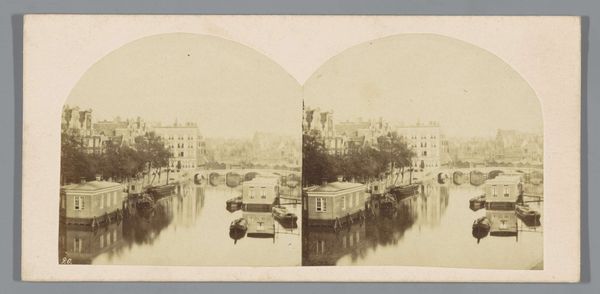
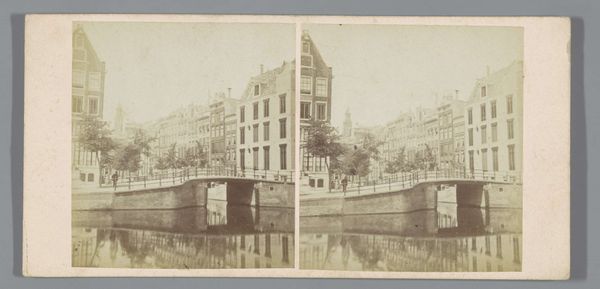
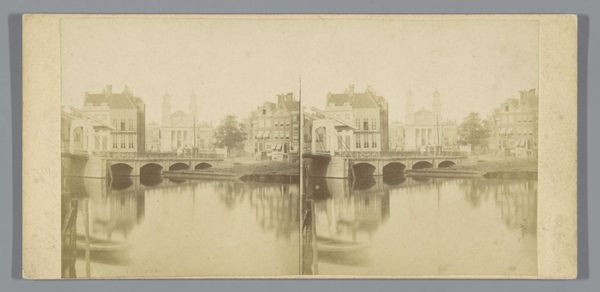
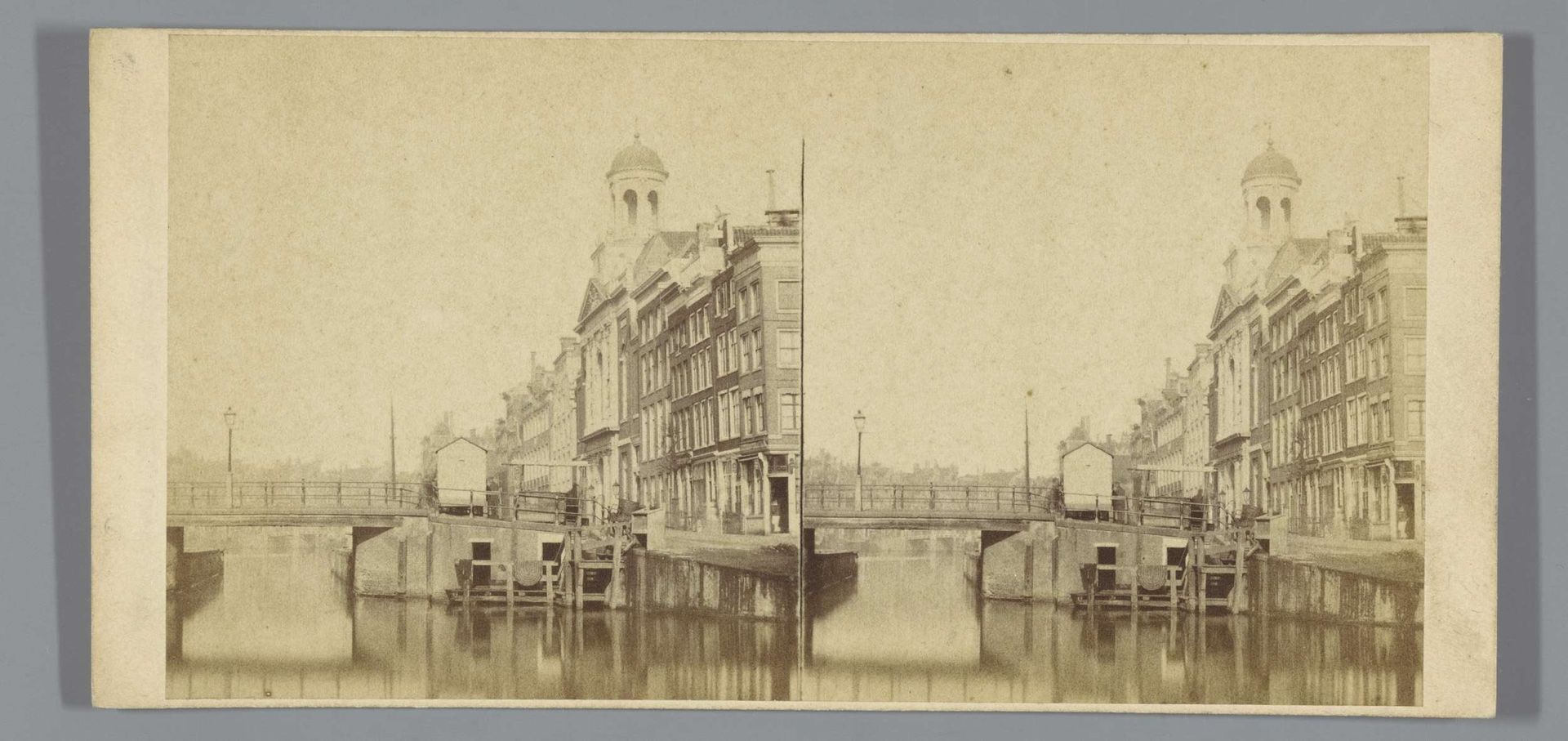
Pieter Oosterhuis captured this stereoscopic photograph of the Singel canal in Amsterdam using the wet collodion process. This technique, popular in the mid-19th century, involved coating a glass plate with light-sensitive chemicals just before exposure in the camera. Notice the incredible detail rendered through this method, from the brickwork of the Sint-Catharinakerk to the reflections in the water. The stereoscopic format, creating a 3D effect when viewed through a special device, was not just a novelty. It reflected a broader interest in scientific accuracy and realism during this period. The labor-intensive nature of wet collodion photography meant that each print was a unique object. This contrasted with the increasing mechanization of other industries. Oosterhuis was not only documenting Amsterdam; he was also participating in a visual culture shaped by technological change and new modes of production.
Gezicht op de Singel, met rechts de Sint-Catharinakerk, Amsterdam 1859 - 1870

Pieter Oosterhuis
1816 - 1885Location
RijksmuseumArtwork details
- Medium
- photography
- Dimensions
- height 82 mm, width 171 mm
- Location
- Rijksmuseum
- Copyright
- Rijks Museum: Open Domain
Tags
photography
cityscape
realism
Comments
No comments
About this artwork
Pieter Oosterhuis captured this stereoscopic photograph of the Singel canal in Amsterdam using the wet collodion process. This technique, popular in the mid-19th century, involved coating a glass plate with light-sensitive chemicals just before exposure in the camera. Notice the incredible detail rendered through this method, from the brickwork of the Sint-Catharinakerk to the reflections in the water. The stereoscopic format, creating a 3D effect when viewed through a special device, was not just a novelty. It reflected a broader interest in scientific accuracy and realism during this period. The labor-intensive nature of wet collodion photography meant that each print was a unique object. This contrasted with the increasing mechanization of other industries. Oosterhuis was not only documenting Amsterdam; he was also participating in a visual culture shaped by technological change and new modes of production.
Comments
No comments