About this artwork
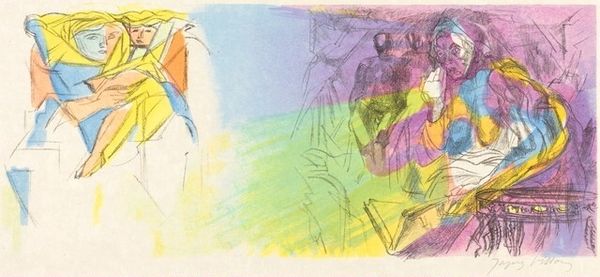
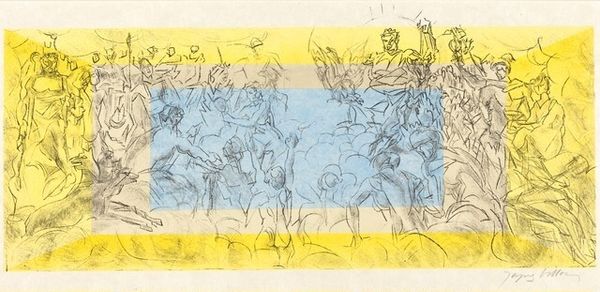
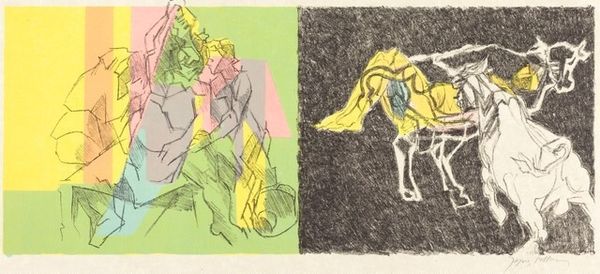
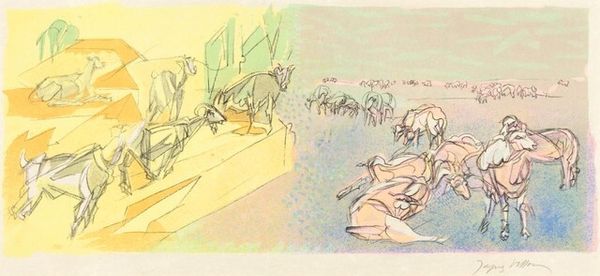
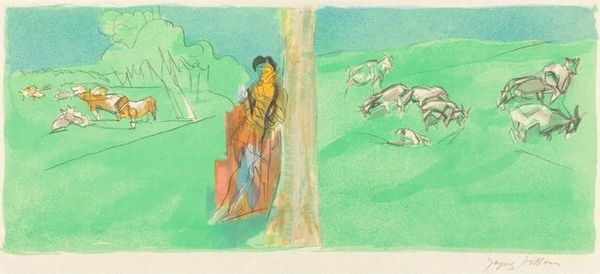
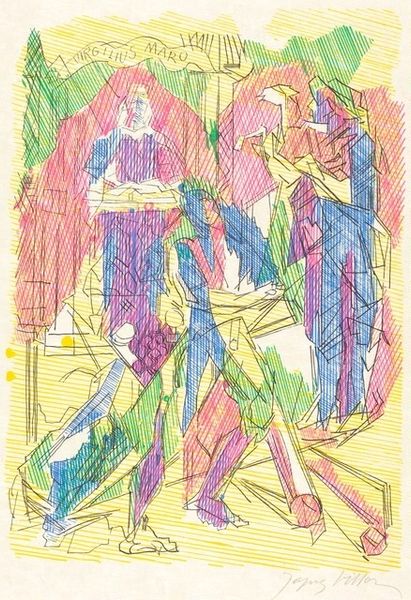
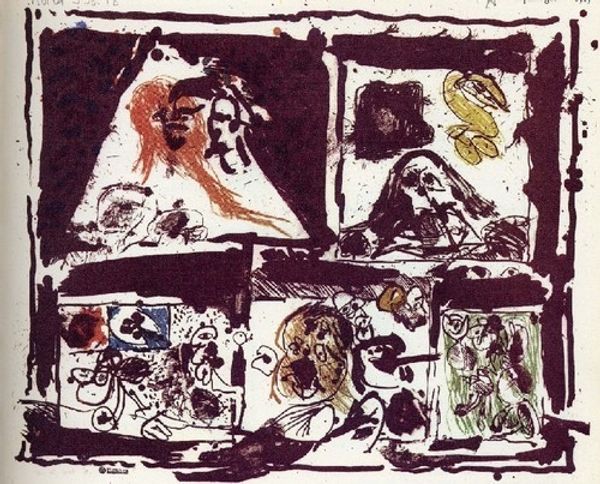
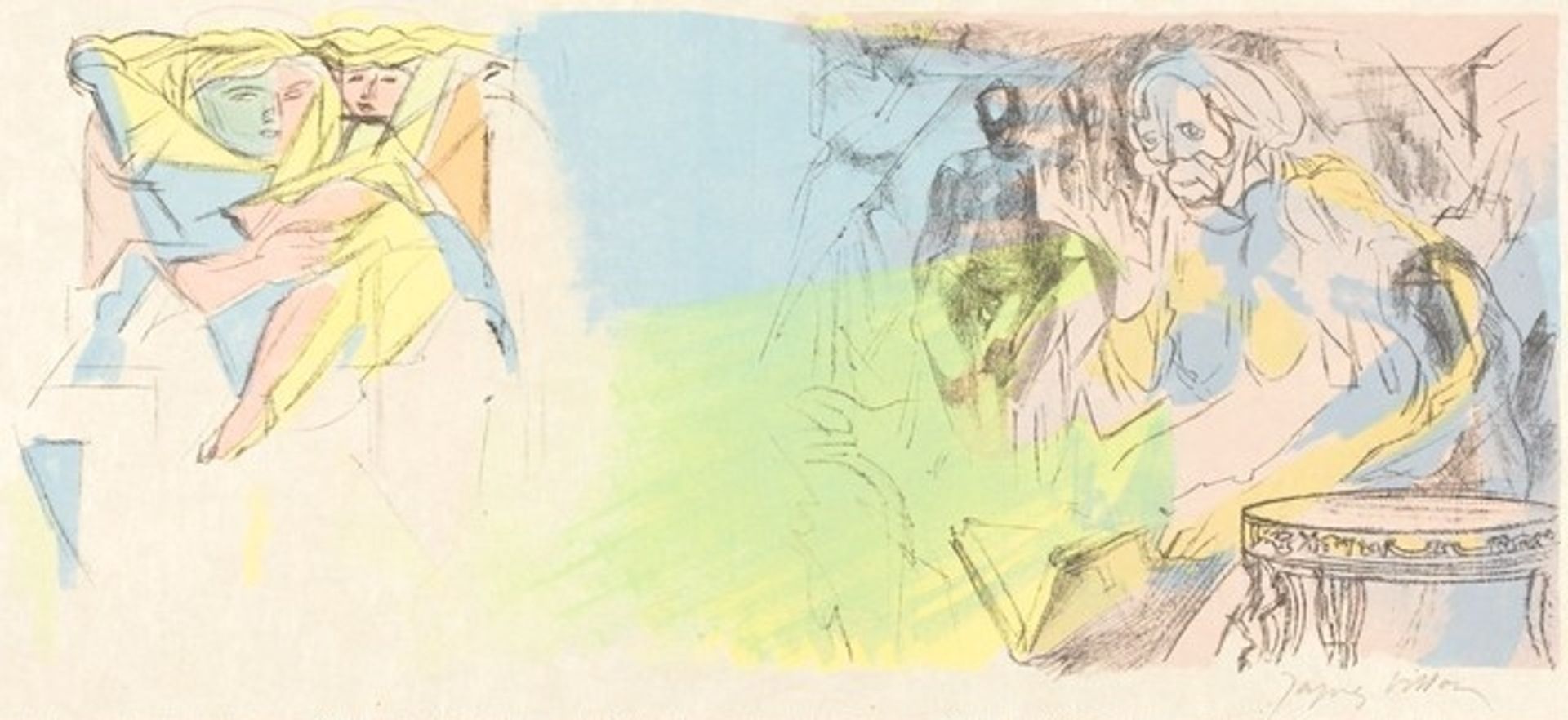
Jacques Villon made this intriguing image called Fourth Bucolic: Pollion using a printmaking technique with a soft, almost pastel-like color scheme. It's not about perfection, but more about the dance of colors and lines. Look at how Villon balances detailed linework with broad, translucent washes of color. The way he lays down color in these flat planes—like that sky-blue block—adds a whole other layer to the image. It’s like he's playing with the push and pull between representation and pure abstraction. Take for instance the figure on the right: a web of tiny marks describe the features, while just behind and to the left, a darker form almost melts into the background. There's a dialogue happening in this piece with artists like Picasso and Braque, but Villon brings his own lyrical spin, inviting us to lose ourselves in its ambiguous beauty. It shows how art can be both a reflection of what we see and a portal to new ways of experiencing the world.


Artwork details
- Medium
- mixed-media, print
- Copyright
- National Gallery of Art: CC0 1.0
Tags
portrait
cubism
mixed-media
figuration
Comments
Be the first to share your thoughts about this work.
About this artwork
Jacques Villon made this intriguing image called Fourth Bucolic: Pollion using a printmaking technique with a soft, almost pastel-like color scheme. It's not about perfection, but more about the dance of colors and lines. Look at how Villon balances detailed linework with broad, translucent washes of color. The way he lays down color in these flat planes—like that sky-blue block—adds a whole other layer to the image. It’s like he's playing with the push and pull between representation and pure abstraction. Take for instance the figure on the right: a web of tiny marks describe the features, while just behind and to the left, a darker form almost melts into the background. There's a dialogue happening in this piece with artists like Picasso and Braque, but Villon brings his own lyrical spin, inviting us to lose ourselves in its ambiguous beauty. It shows how art can be both a reflection of what we see and a portal to new ways of experiencing the world.
Comments
Be the first to share your thoughts about this work.