About this artwork
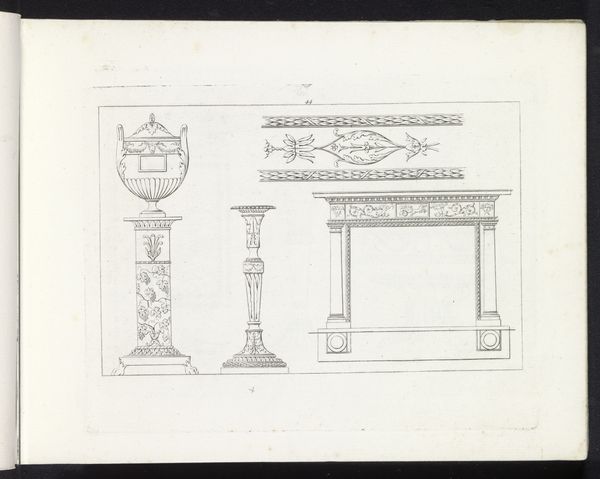
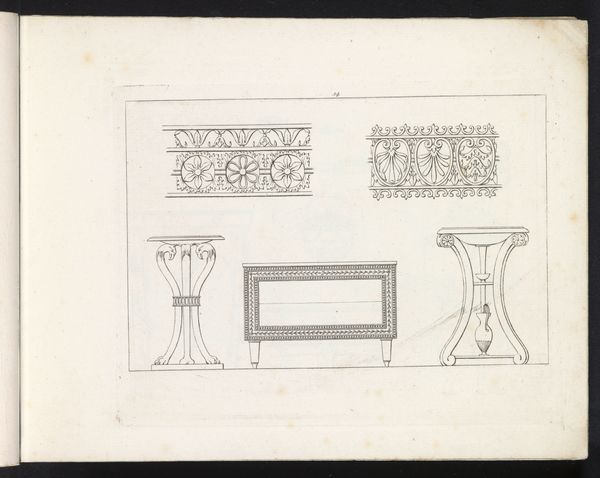
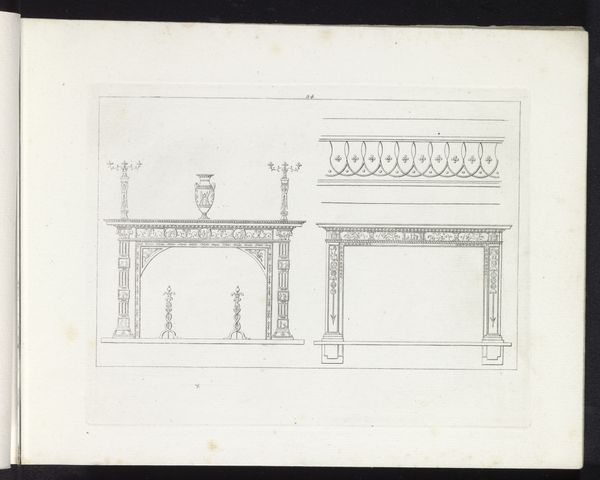
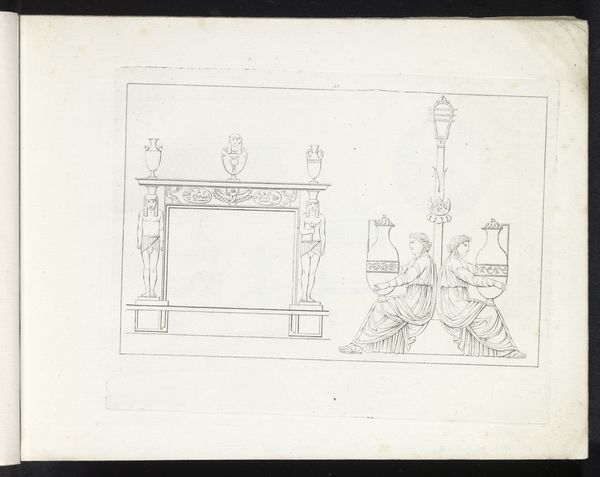
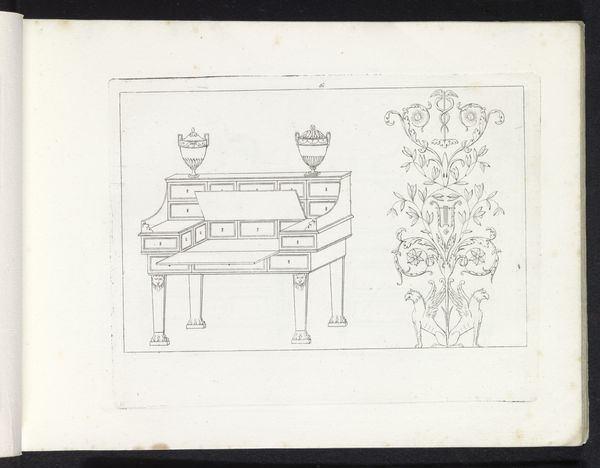
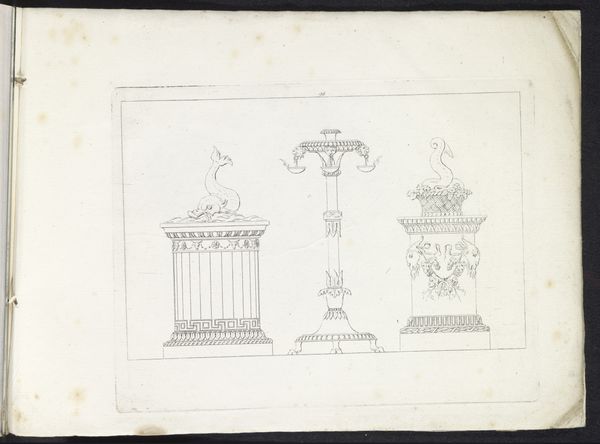
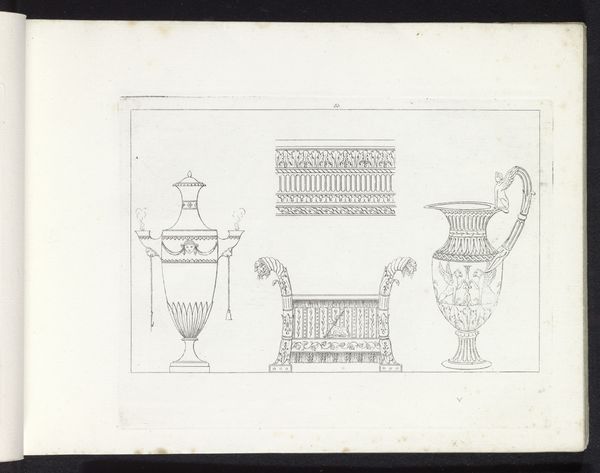
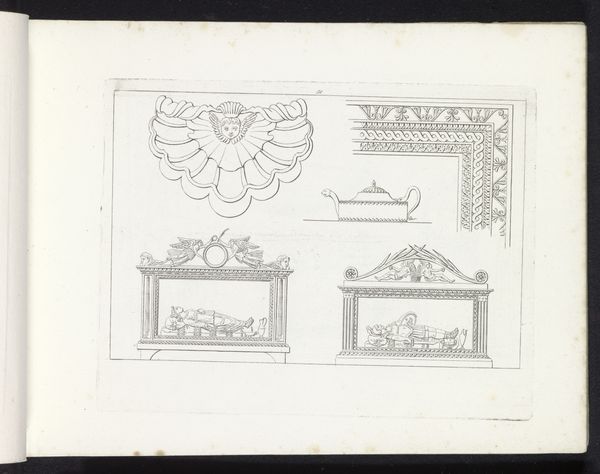
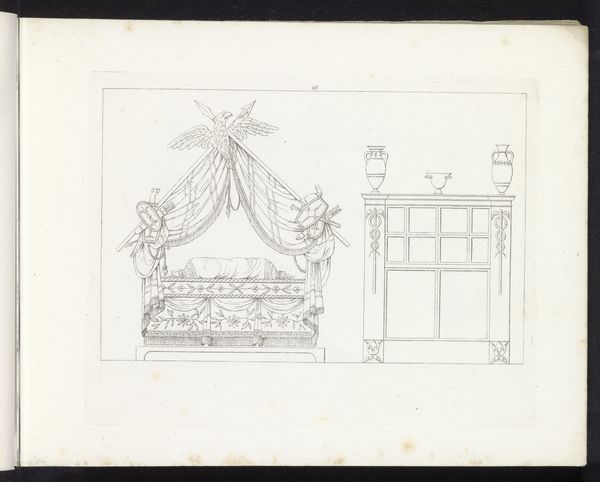
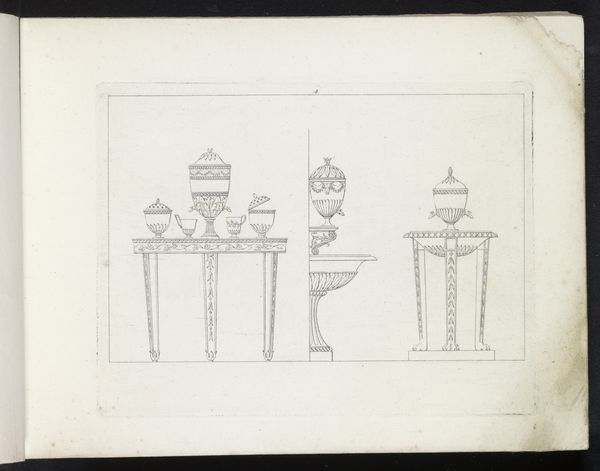
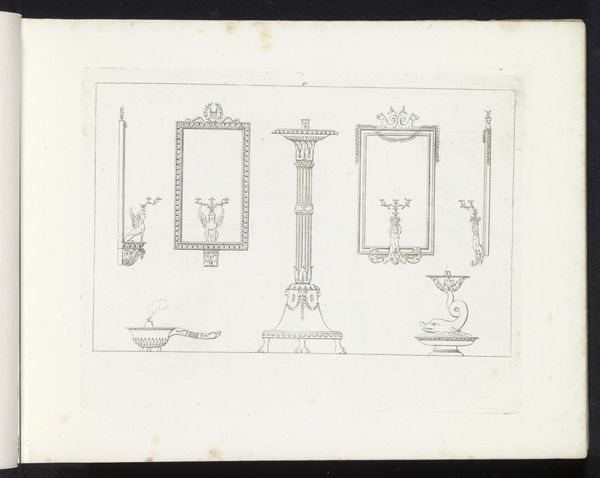
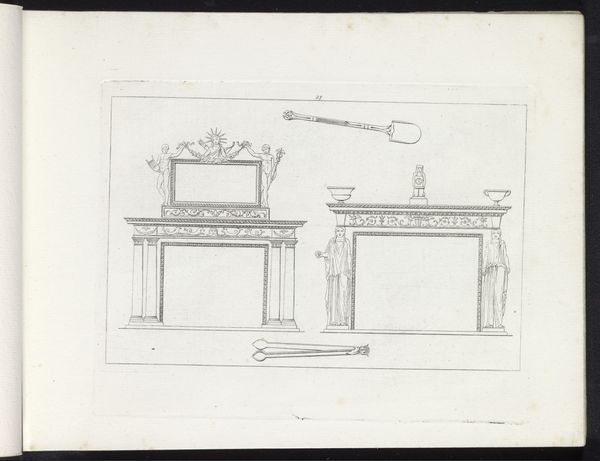
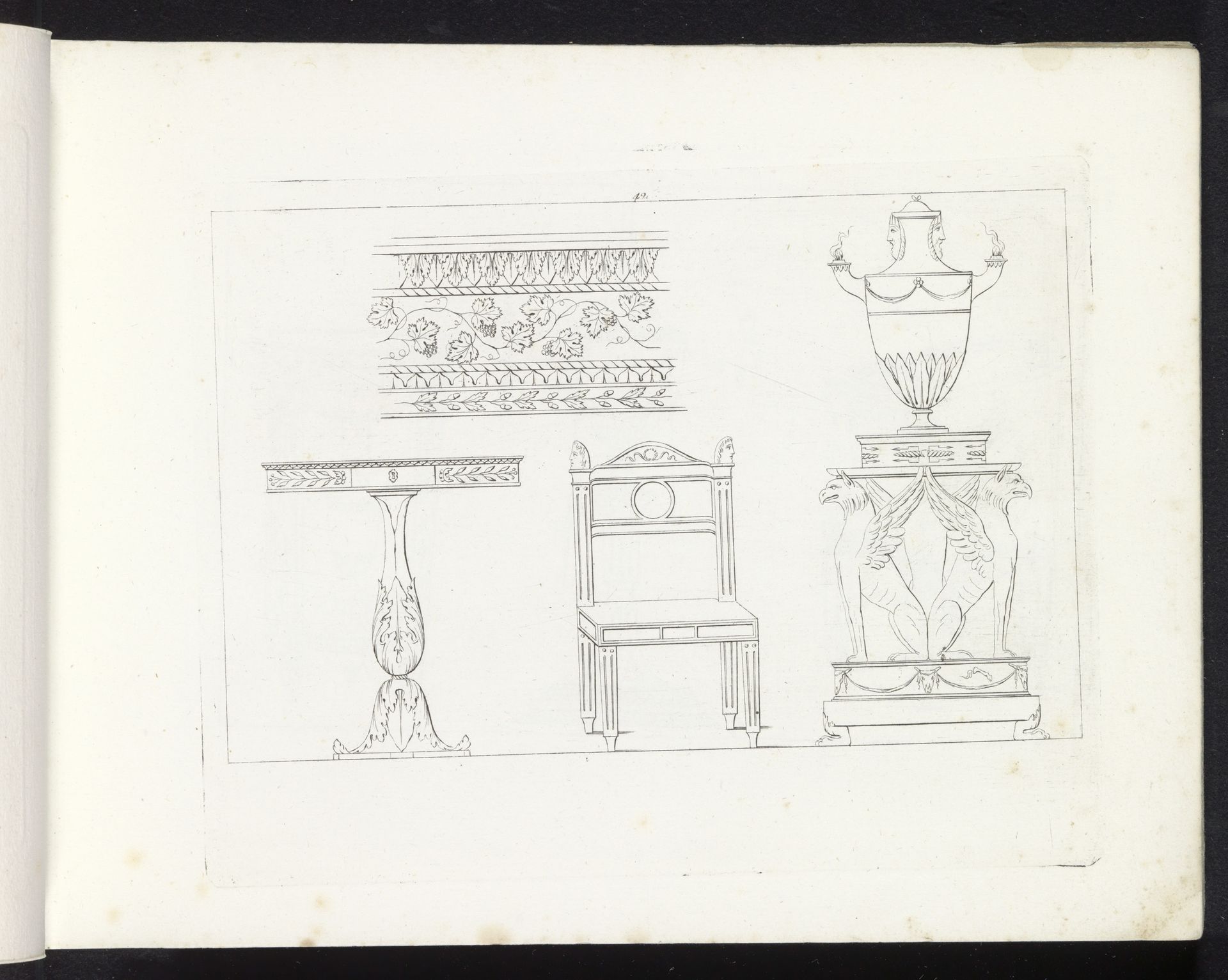
This sketch by Pietro Ruga showcases a series of ornamental designs, including a frieze, table, chair, and oil burner, rendered in delicate lines. Notice the motif of the griffin supporting the oil burner, a creature born from the depths of antiquity, symbolizing power and guardianship. We see it echoed in the protective figures flanking ancient temples, evolving through heraldic emblems of medieval knights, to resurface here, softened yet still resonant with its primal associations. Such symbols are not static; they are palimpsests of cultural memory, constantly reshaped by the collective subconscious. The griffin reminds us of the emotional power embedded in these images, engaging viewers across time with a deep, subconscious connection to ancestral myths and cultural narratives. It shows how symbols reappear, evolve, and take on new meanings across different historical contexts.

Artwork details
- Medium
- drawing, pencil
- Dimensions
- height 169 mm, width 215 mm
- Copyright
- Rijks Museum: Open Domain
Tags
drawing
table
neoclacissism
geometric
pencil
decorative-art
Comments
Be the first to share your thoughts about this work.
About this artwork
This sketch by Pietro Ruga showcases a series of ornamental designs, including a frieze, table, chair, and oil burner, rendered in delicate lines. Notice the motif of the griffin supporting the oil burner, a creature born from the depths of antiquity, symbolizing power and guardianship. We see it echoed in the protective figures flanking ancient temples, evolving through heraldic emblems of medieval knights, to resurface here, softened yet still resonant with its primal associations. Such symbols are not static; they are palimpsests of cultural memory, constantly reshaped by the collective subconscious. The griffin reminds us of the emotional power embedded in these images, engaging viewers across time with a deep, subconscious connection to ancestral myths and cultural narratives. It shows how symbols reappear, evolve, and take on new meanings across different historical contexts.
Comments
Be the first to share your thoughts about this work.