About this artwork
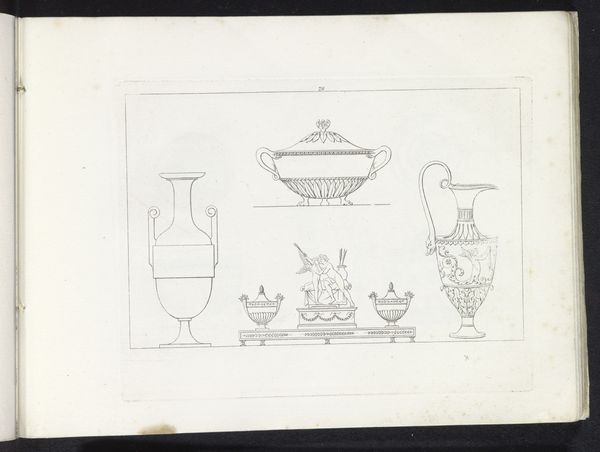
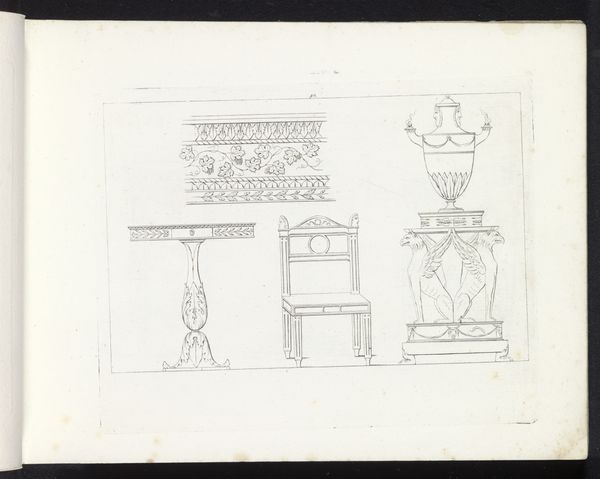
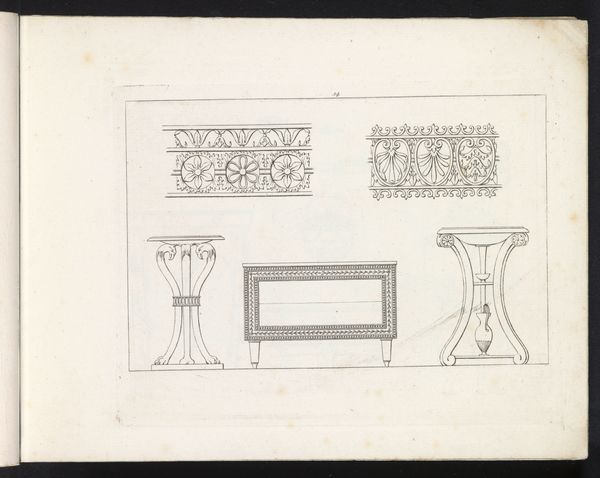
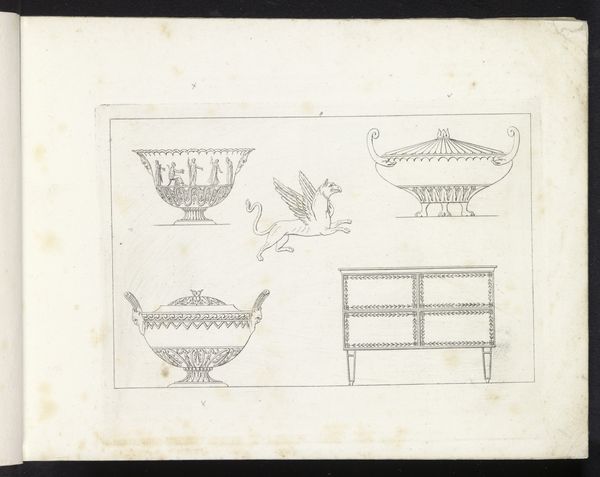
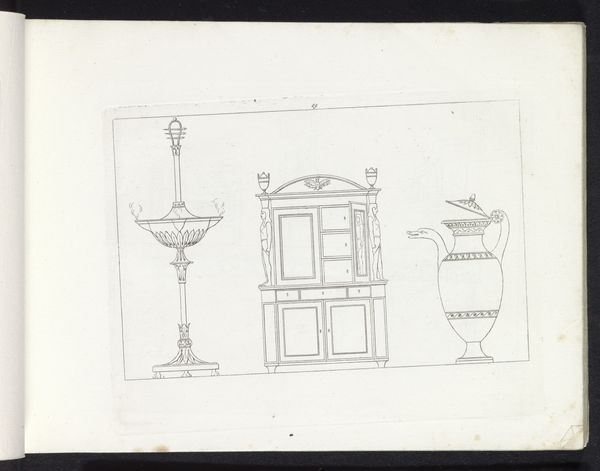
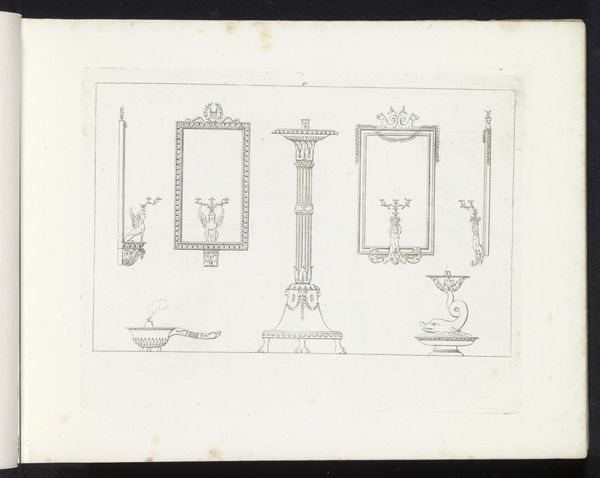
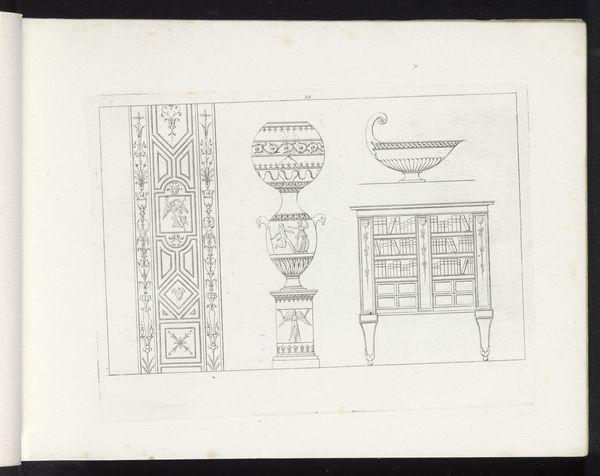
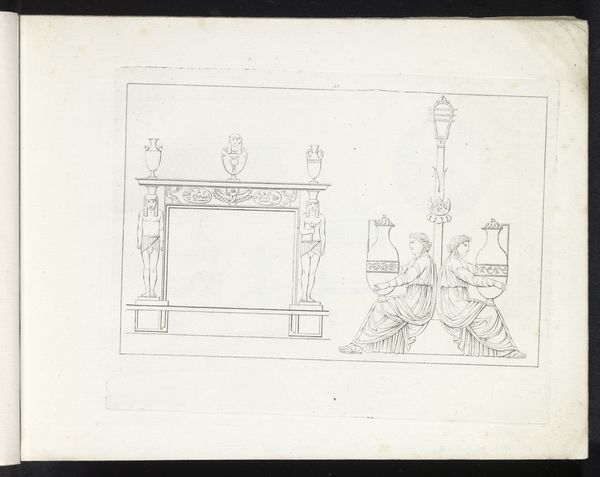
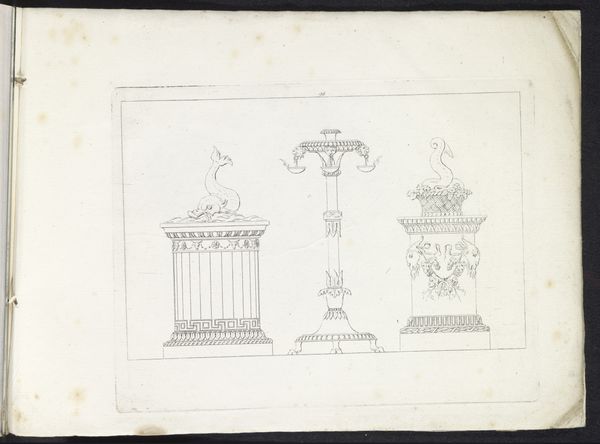
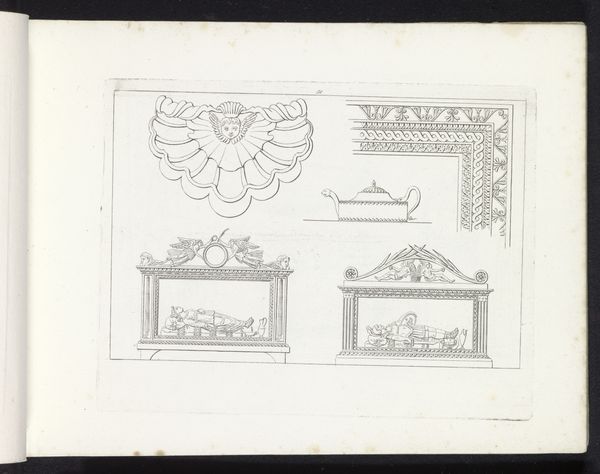
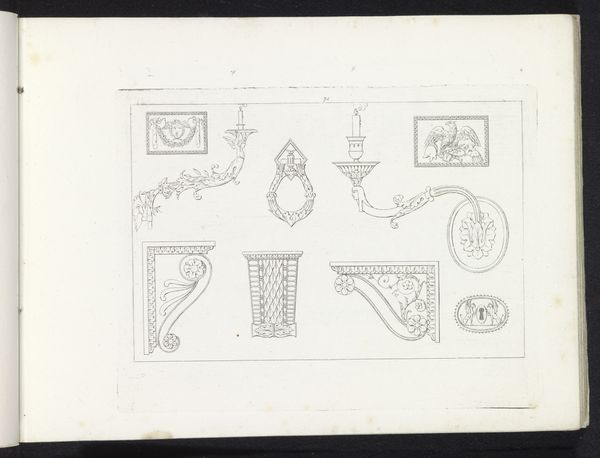
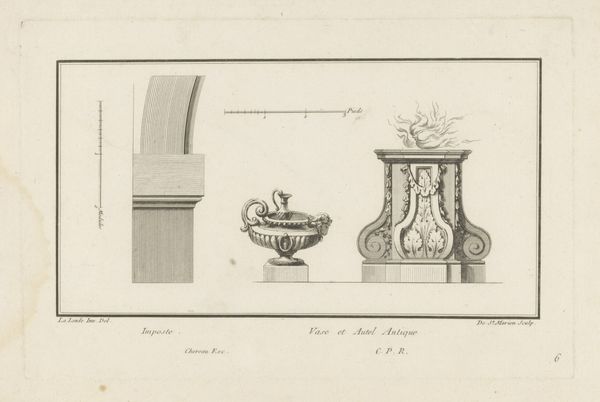
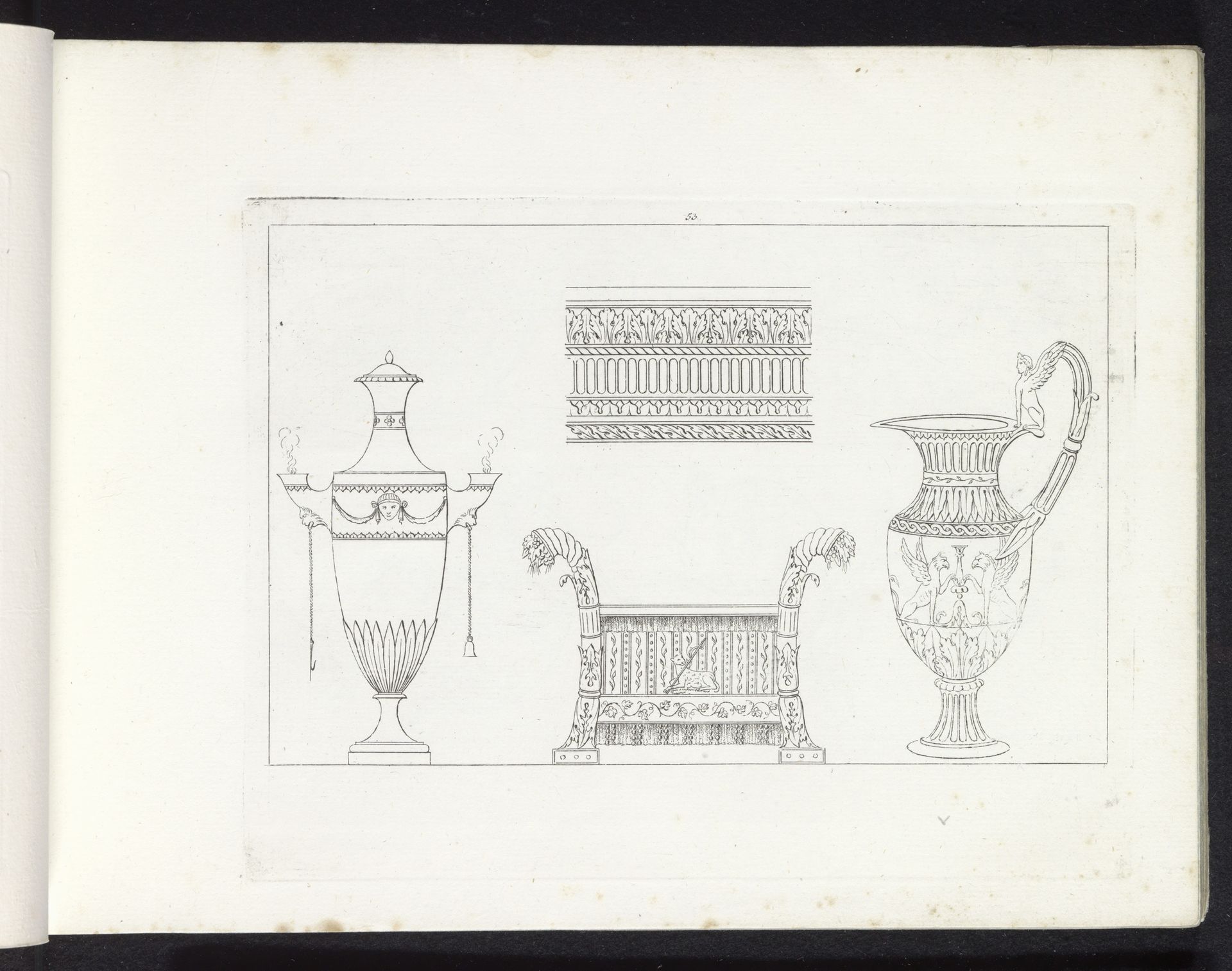
This page by Pietro Ruga presents a variety of domestic objects, rendered in fine lines of ink on paper. These include a ewer, oil burner, bench, and ornamental border. The precision of the drawing gives the designs a tangible quality, as if inviting craftsmen to realize them in metal, wood, or ceramic. Notice how the cross-hatching gives volume to the jug, and the ornamental frieze is meticulously detailed, suggesting a slow and repetitive labor process. The artist is attentive to surface textures, from the smooth curves of the vessels to the intricate carvings on the bench. This level of detailing may reflect the social context of design and production, where skilled artisans were tasked with creating luxury items for wealthy patrons. The labor involved in producing these objects would have been substantial. Ultimately, understanding the materials and potential making processes reveals the broader cultural significance of these designs, challenging the separation of art from craft, and design from production.

Artwork details
- Medium
- drawing, ink, pen
- Dimensions
- height 165 mm, width 215 mm
- Copyright
- Rijks Museum: Open Domain
Tags
Comments
Share your thoughts
About this artwork
This page by Pietro Ruga presents a variety of domestic objects, rendered in fine lines of ink on paper. These include a ewer, oil burner, bench, and ornamental border. The precision of the drawing gives the designs a tangible quality, as if inviting craftsmen to realize them in metal, wood, or ceramic. Notice how the cross-hatching gives volume to the jug, and the ornamental frieze is meticulously detailed, suggesting a slow and repetitive labor process. The artist is attentive to surface textures, from the smooth curves of the vessels to the intricate carvings on the bench. This level of detailing may reflect the social context of design and production, where skilled artisans were tasked with creating luxury items for wealthy patrons. The labor involved in producing these objects would have been substantial. Ultimately, understanding the materials and potential making processes reveals the broader cultural significance of these designs, challenging the separation of art from craft, and design from production.
Comments
Share your thoughts