About this artwork
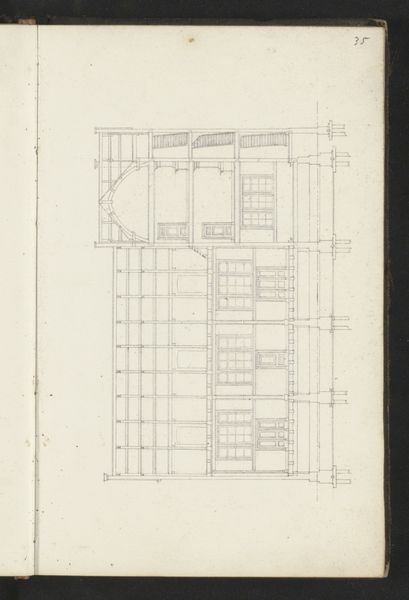
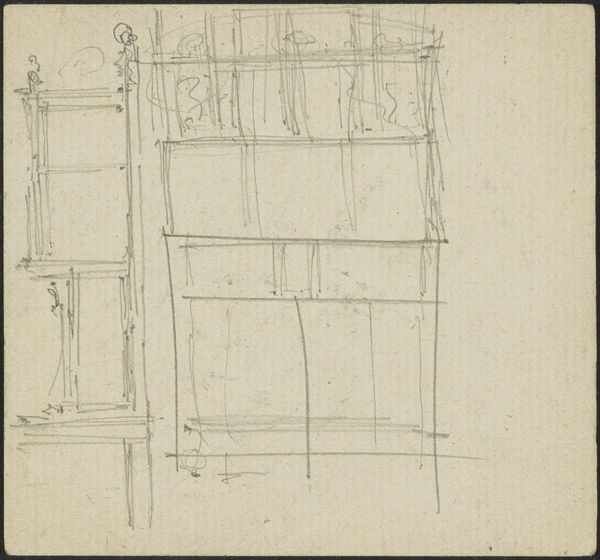
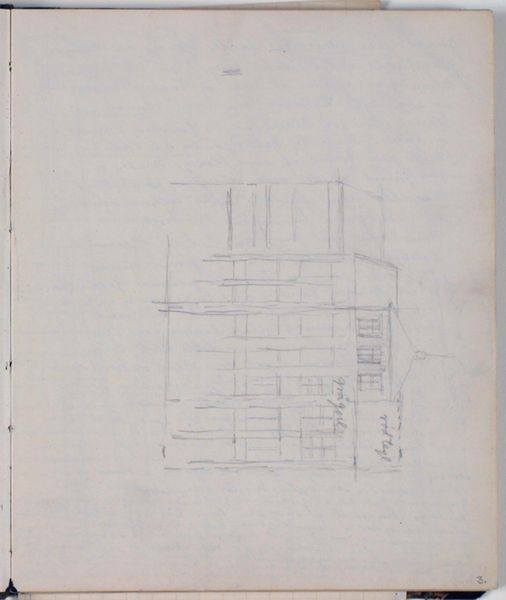
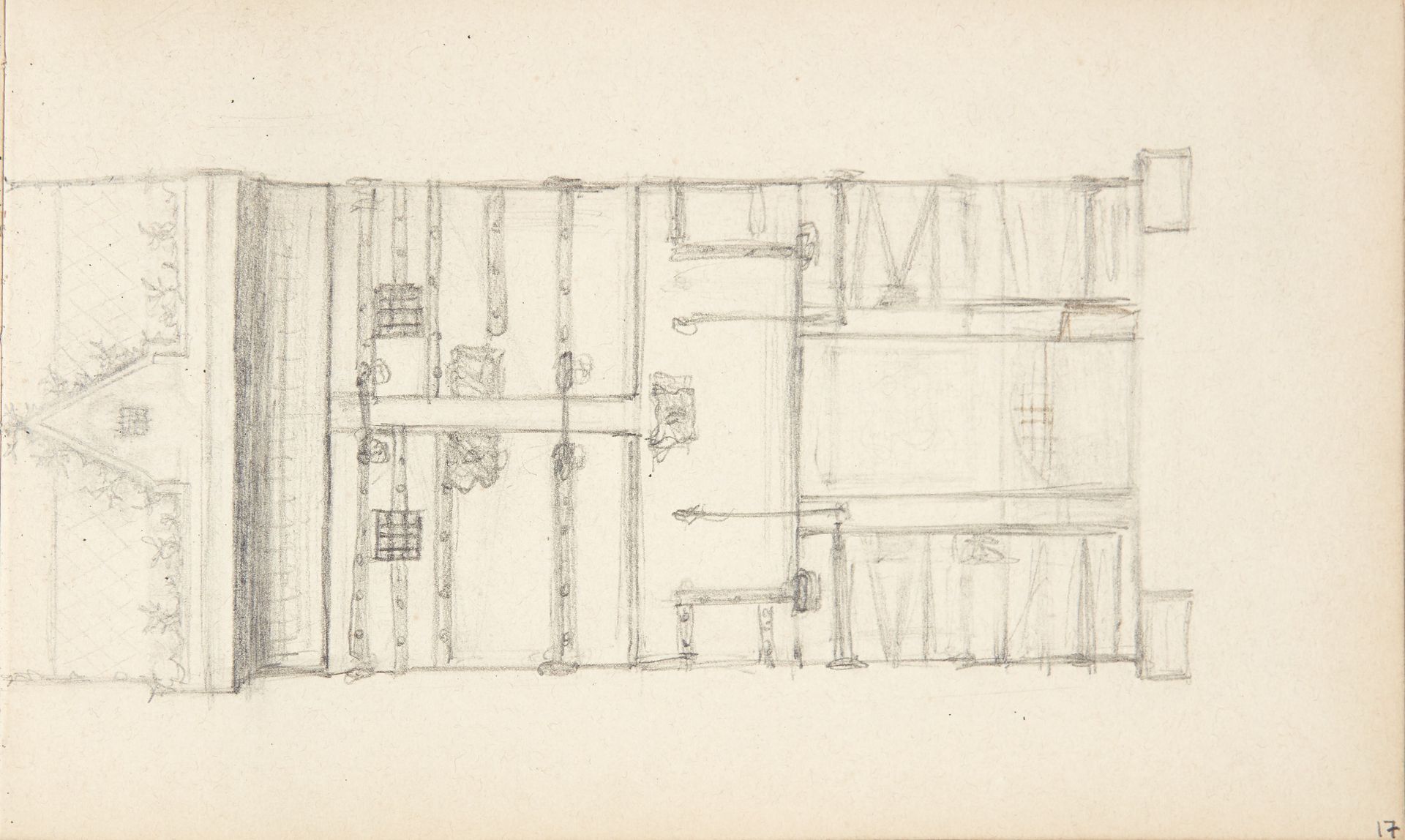
Agnes Slott-Møller created this pencil drawing, Opstalt af et smalt bindingsværkshus eller resalit i flere stokværk, which translates to elevation of a narrow half-timbered house or resalit in several floors. The artist uses line to construct a detailed architectural sketch, and one notices the evenness of the strokes, and a consistent, almost unwavering pressure of pencil on paper. The composition is dominated by a grid-like structure, reflecting the framework of the building itself. This rigid structure is softened by floral patterns on the side of the building which introduce a layer of complexity, disrupting the strict geometry of the facade. This tension between the organic and geometric elements encourages us to consider how such architectural drawings are not purely objective records, but are infused with artistic interpretation and cultural meaning. Here we see the interplay between representation and abstraction, as Slott-Møller captures the essence of the building while also engaging with broader aesthetic conventions.
Opstalt af et smalt bindingsværkshus eller resalit i flere stokværk
1897 - 1898


Artwork details
- Medium
- drawing, paper, architecture
- Dimensions
- 121 mm (height) x 207 mm (width) x 90 mm (depth) (monteringsmaal), 126 mm (height) x 207 mm (width) (bladmaal)
- Location
- SMK - Statens Museum for Kunst
Tags
Comments
Share your thoughts
About this artwork
Agnes Slott-Møller created this pencil drawing, Opstalt af et smalt bindingsværkshus eller resalit i flere stokværk, which translates to elevation of a narrow half-timbered house or resalit in several floors. The artist uses line to construct a detailed architectural sketch, and one notices the evenness of the strokes, and a consistent, almost unwavering pressure of pencil on paper. The composition is dominated by a grid-like structure, reflecting the framework of the building itself. This rigid structure is softened by floral patterns on the side of the building which introduce a layer of complexity, disrupting the strict geometry of the facade. This tension between the organic and geometric elements encourages us to consider how such architectural drawings are not purely objective records, but are infused with artistic interpretation and cultural meaning. Here we see the interplay between representation and abstraction, as Slott-Møller captures the essence of the building while also engaging with broader aesthetic conventions.
Comments
Share your thoughts