About this artwork
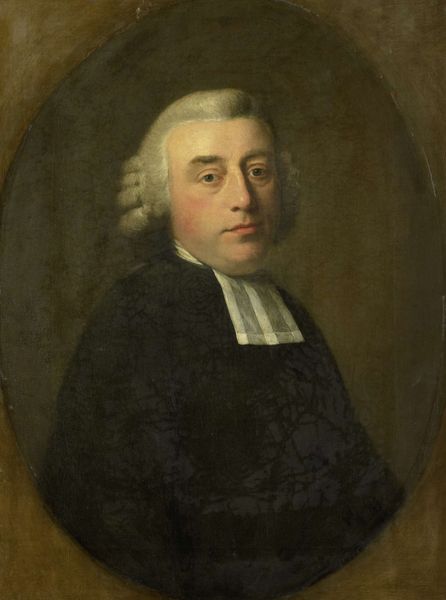
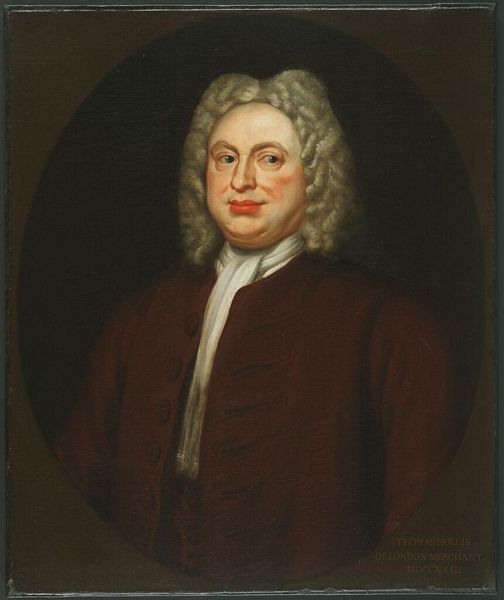
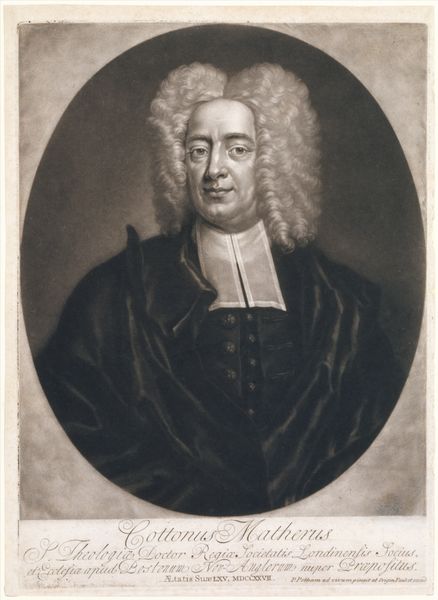
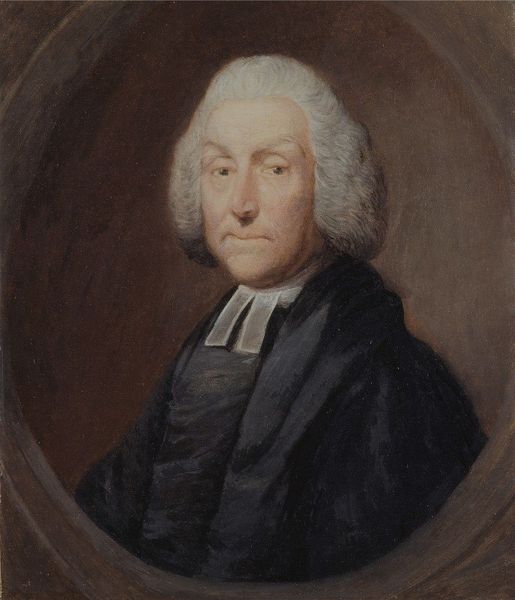
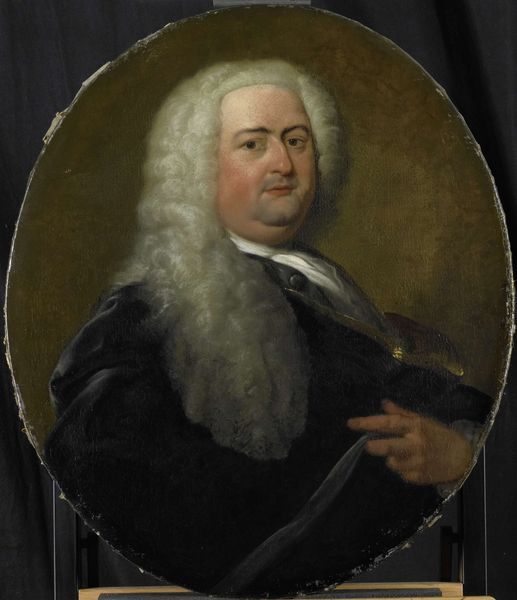
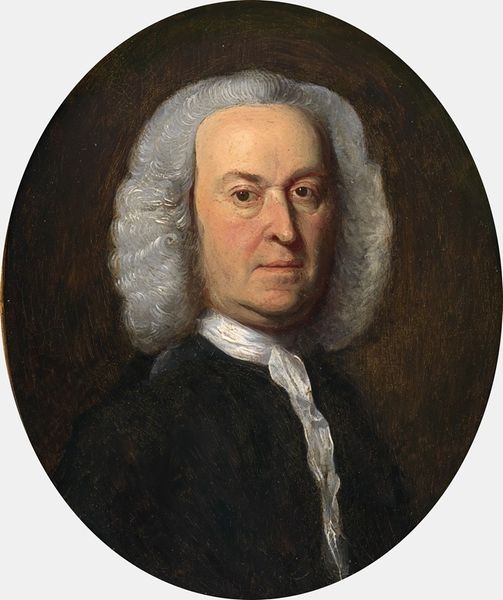
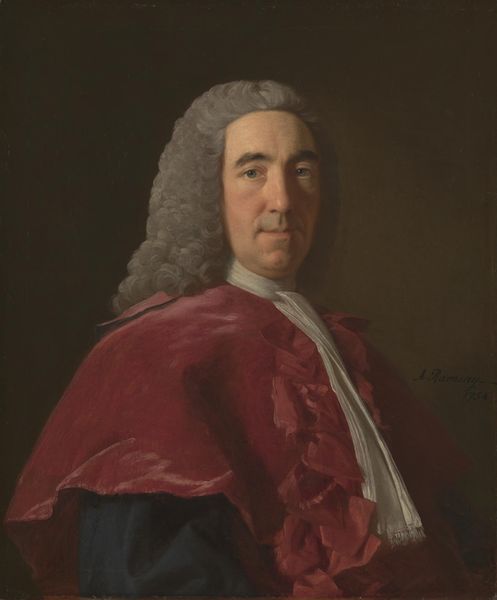
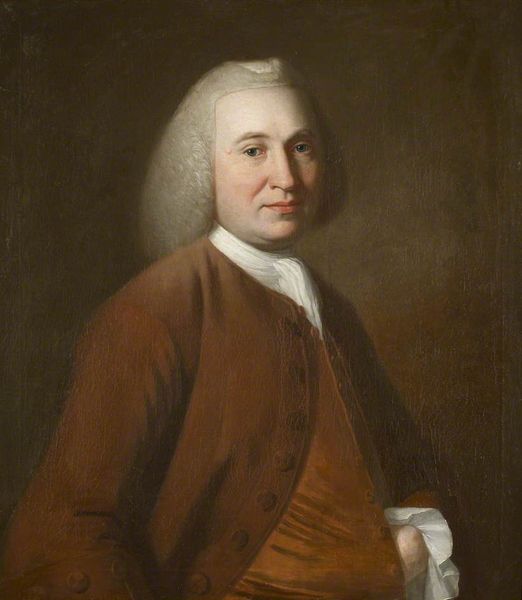
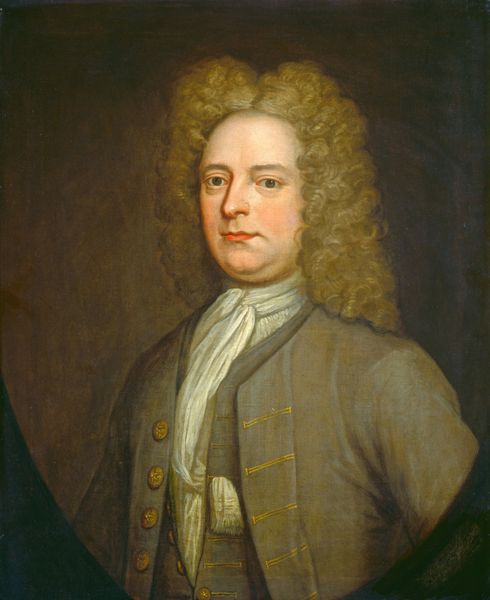
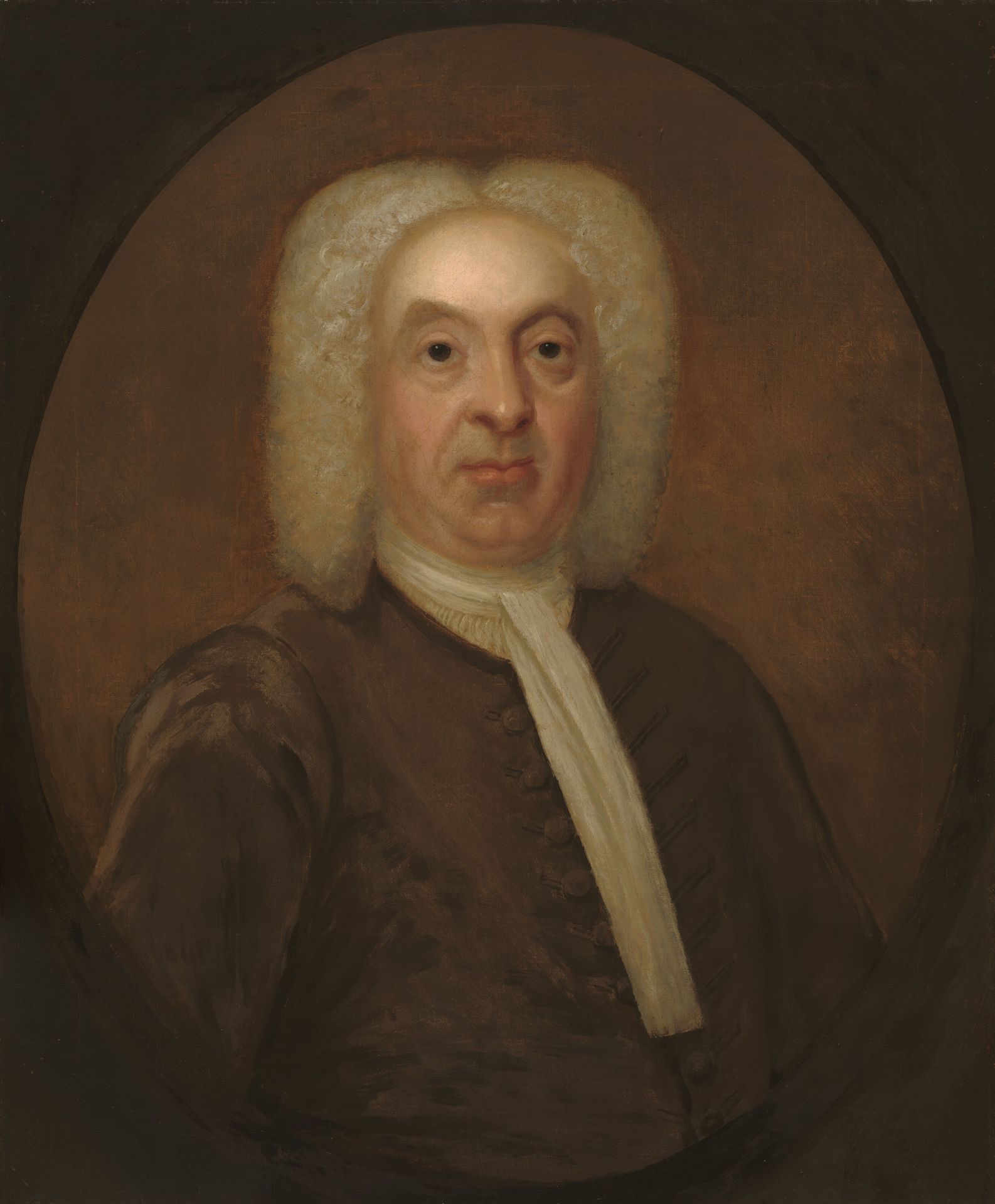
This is an oil on canvas portrait of a gentleman, likely made in England during the 1700s, although the artist is unknown. The gentleman’s dress tells us a great deal about the social and cultural world in which this portrait was made. He wears a large, powdered wig. This was a common fashion among the upper classes in Europe at the time, a visual signifier of wealth and status. The dark coat and white cravat also speak to a certain level of formality and adherence to social norms. He seems to want to present himself as a figure of respectability, and perhaps even authority. Without knowing the sitter, it is difficult to say much more. But the portrait itself stands as a record of the values and aspirations of a particular social class in a specific time and place. To understand it better, we could consult period clothing guides, social histories, or even conduct genealogical research.
Portrait of a Gentleman
c. 1720 - 1740
Artwork details
- Dimensions
- overall: 76.2 x 63.2 cm (30 x 24 7/8 in.) framed: 87 x 74.9 x 4.4 cm (34 1/4 x 29 1/2 x 1 3/4 in.)
- Copyright
- National Gallery of Art: CC0 1.0
Tags
Comments
Share your thoughts
About this artwork
This is an oil on canvas portrait of a gentleman, likely made in England during the 1700s, although the artist is unknown. The gentleman’s dress tells us a great deal about the social and cultural world in which this portrait was made. He wears a large, powdered wig. This was a common fashion among the upper classes in Europe at the time, a visual signifier of wealth and status. The dark coat and white cravat also speak to a certain level of formality and adherence to social norms. He seems to want to present himself as a figure of respectability, and perhaps even authority. Without knowing the sitter, it is difficult to say much more. But the portrait itself stands as a record of the values and aspirations of a particular social class in a specific time and place. To understand it better, we could consult period clothing guides, social histories, or even conduct genealogical research.
Comments
Share your thoughts