1791
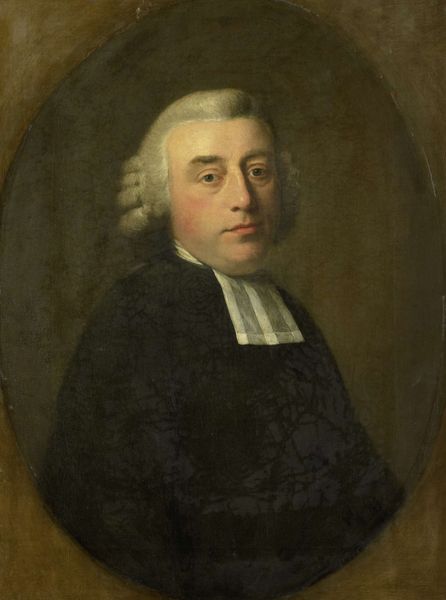
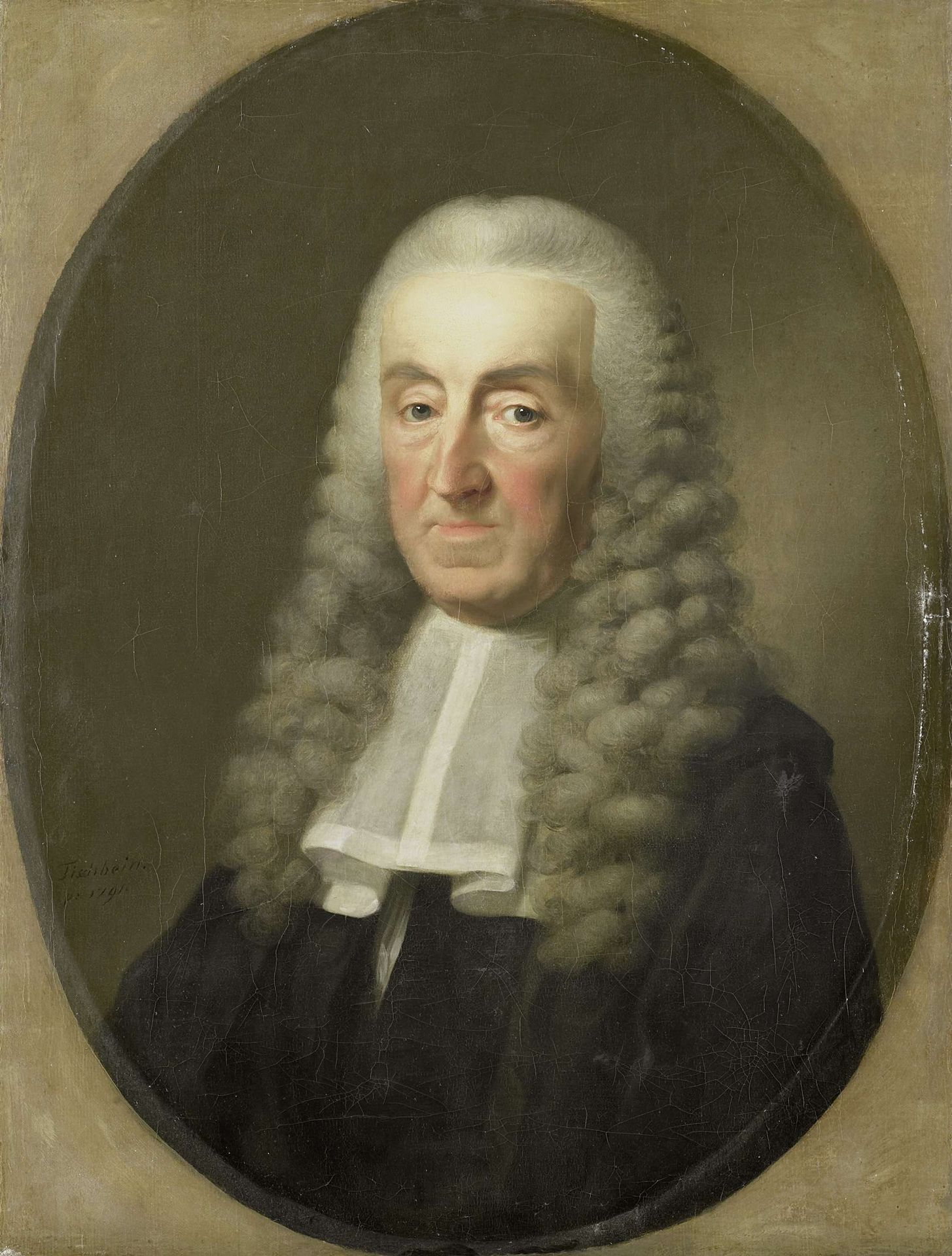
Portrait of Jan van de Poll, Burgomaster of Amsterdam

Johann Friedrich August Tischbein
1750 - 1812Location
RijksmuseumListen to curator's interpretation
Curatorial notes
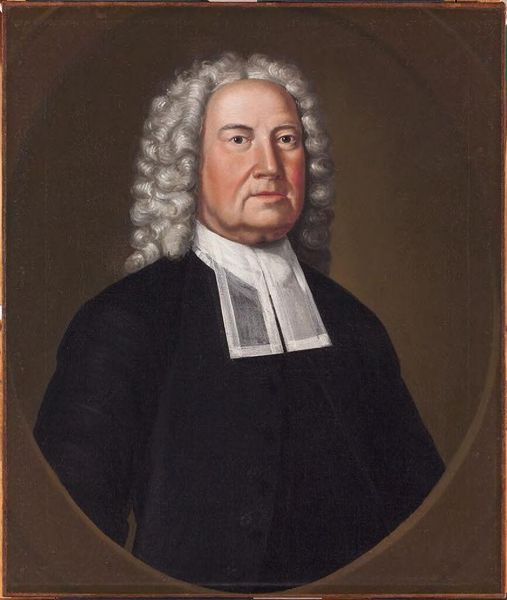
Editor: So, this is Johann Friedrich August Tischbein's "Portrait of Jan van de Poll, Burgomaster of Amsterdam," from 1791. It's an oil painting. The burgomaster looks…serious, even a bit stern. The composition is simple but effective. What jumps out at you when you look at it? Curator: You know, I'm immediately drawn to the wig. It's almost comically large, isn’t it? Like a fluffy cloud threatening to engulf the poor man! But that was the fashion. Beyond that, I see a man steeped in responsibility, a little weary perhaps. Can you sense it in the eyes? Editor: Yes, the weight of his office, maybe? What about the dark colours and their effect on the painting's overall mood? Curator: Absolutely. The darkness creates a sense of formality, almost somberness. It was likely a conscious choice to project authority and seriousness. Can you see a bit of red in his cheeks, though? A tiny blush of humanity poking through the official veneer? Editor: Now that you point it out, yes! It humanises him a bit. Were portraits like these common at the time? Curator: Oh, absolutely! Portraits were how the powerful cemented their legacy, controlled their image. And this one screams "I am important," in the language of powdered wigs and dark, commanding clothing! The artist has also done an excellent job in showing us texture. See the soft strokes around the wig? Editor: It does! I appreciate how we can almost see beyond the formality, glimpsing the person within. Curator: Exactly! Perhaps that is the painting’s quiet triumph! Makes you think about the person beneath the powdered wig and powerful position. Editor: It does make you wonder, doesn’t it? Thanks for illuminating it for me.