About this artwork
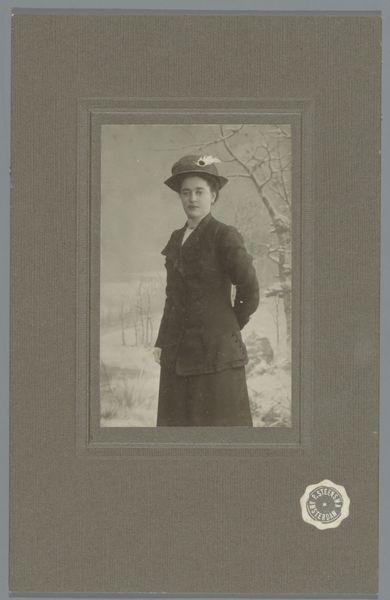
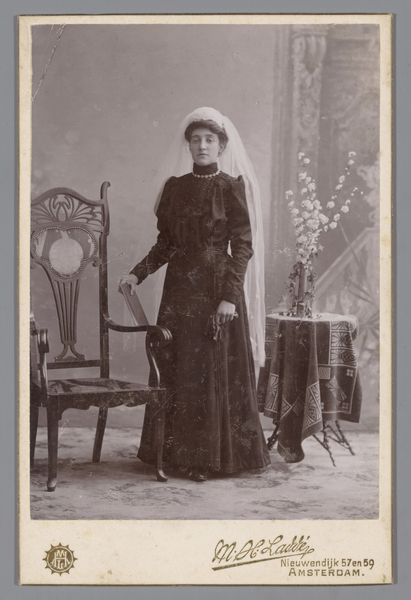
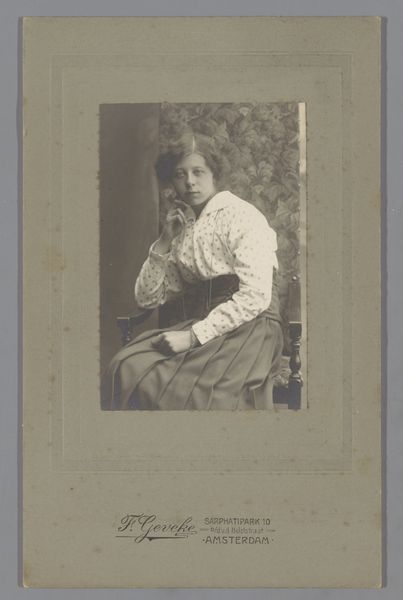
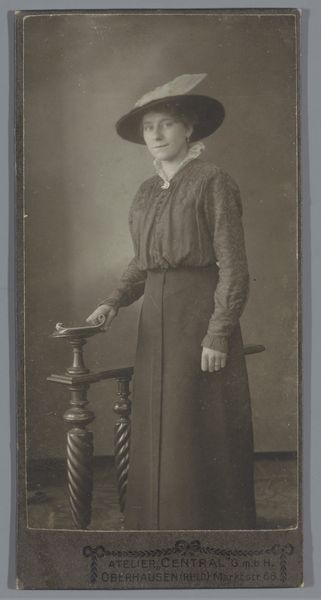
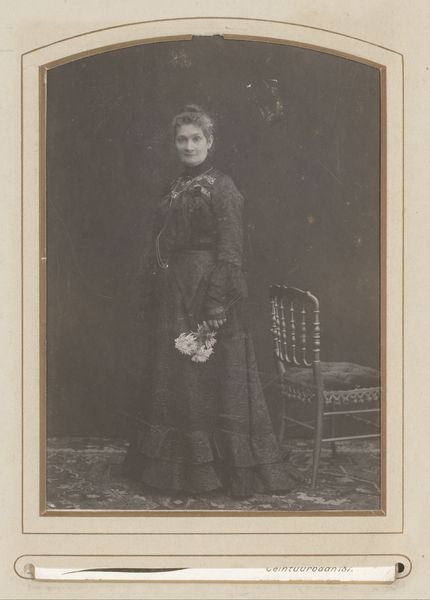
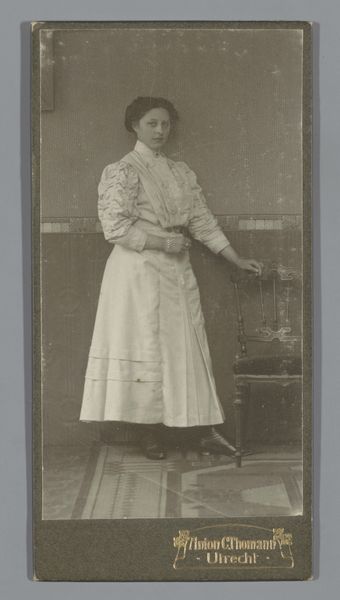
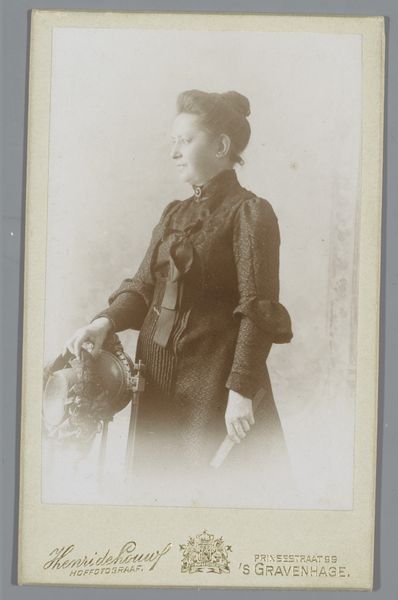
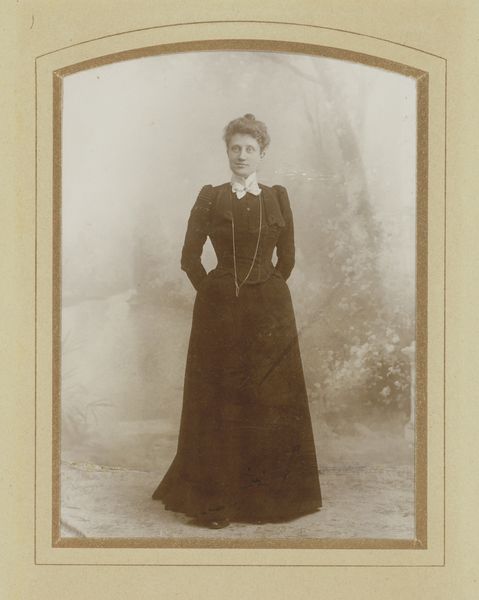
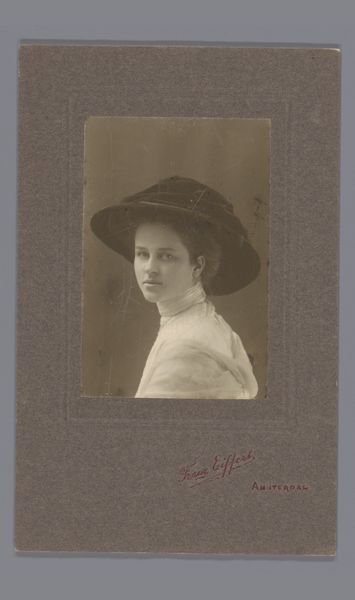
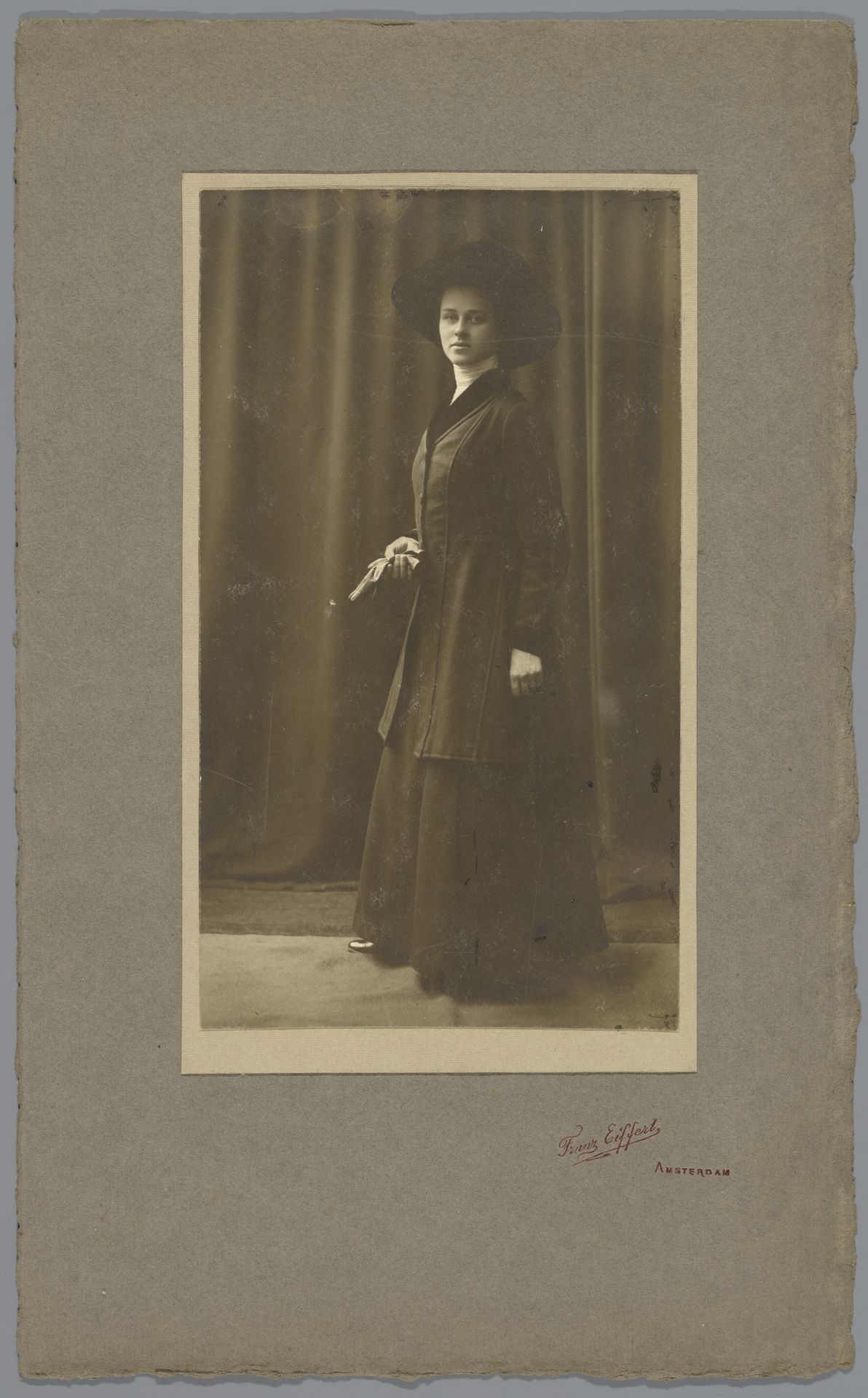
This photographic portrait of an unknown woman was made by Franz Eiffert, likely in the early 20th century, judging by the sitter’s clothing and the style of the photograph. In the Netherlands, the rise of photography studios coincided with a period of significant social change. As the middle class grew, so did the desire for portraiture, previously the domain of the wealthy elite. Photography democratized representation, offering a new way for individuals to assert their identity and social standing. The woman’s attire, while not extravagant, speaks to a certain level of affluence and social aspiration. This image creates meaning through its subtle visual cues: the subdued lighting, the sitter’s composed expression, and the carefully chosen garments. To understand this portrait fully, one might research the history of photography in the Netherlands, exploring studio practices, popular styles, and the social values reflected in these images. Only then can we start to understand the cultural aspirations of the sitter and the society in which she lived.

Artwork details
- Medium
- photography
- Dimensions
- height 337 mm, width 208 mm
- Location
- Rijksmuseum
- Copyright
- Rijks Museum: Open Domain
Tags
Comments
Share your thoughts
About this artwork
This photographic portrait of an unknown woman was made by Franz Eiffert, likely in the early 20th century, judging by the sitter’s clothing and the style of the photograph. In the Netherlands, the rise of photography studios coincided with a period of significant social change. As the middle class grew, so did the desire for portraiture, previously the domain of the wealthy elite. Photography democratized representation, offering a new way for individuals to assert their identity and social standing. The woman’s attire, while not extravagant, speaks to a certain level of affluence and social aspiration. This image creates meaning through its subtle visual cues: the subdued lighting, the sitter’s composed expression, and the carefully chosen garments. To understand this portrait fully, one might research the history of photography in the Netherlands, exploring studio practices, popular styles, and the social values reflected in these images. Only then can we start to understand the cultural aspirations of the sitter and the society in which she lived.
Comments
Share your thoughts