About this artwork
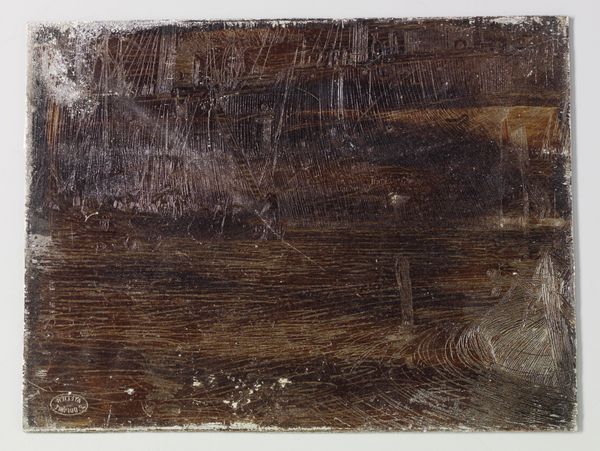
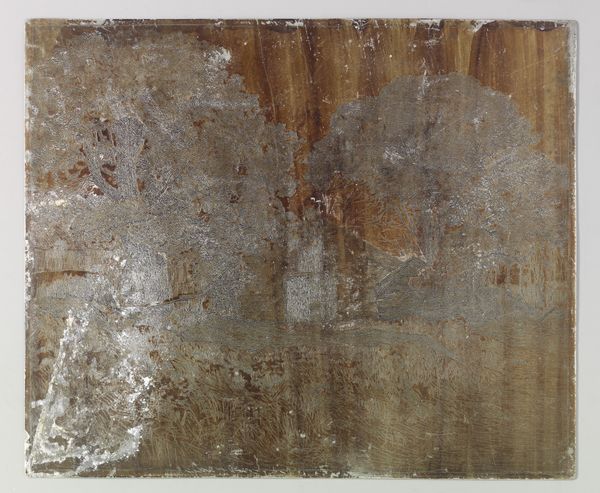
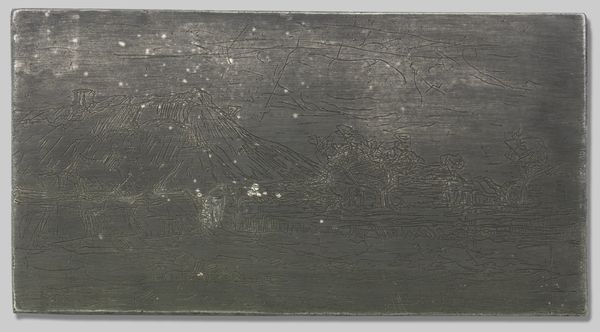
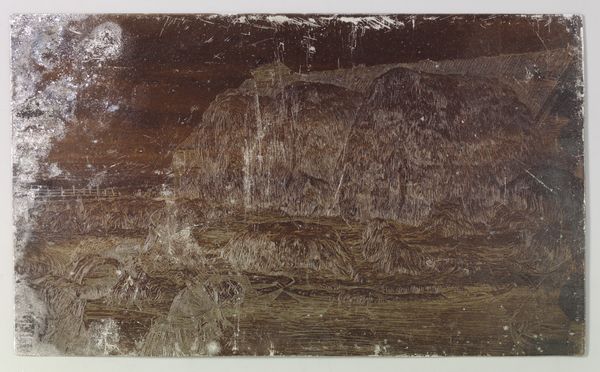
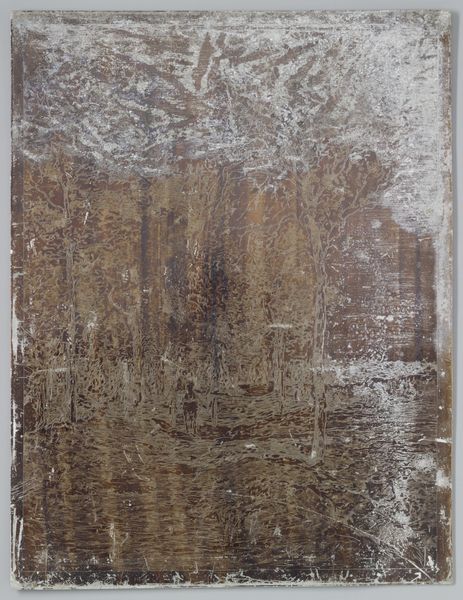
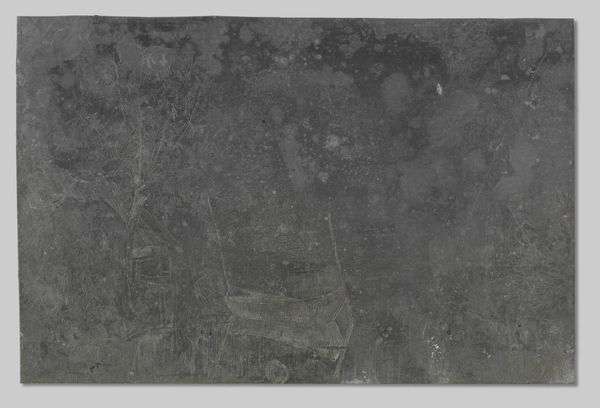
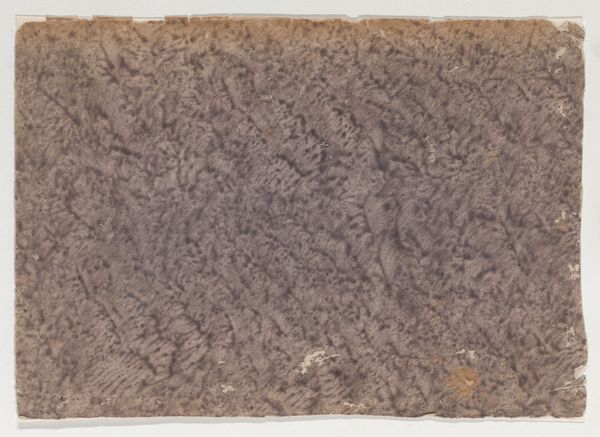
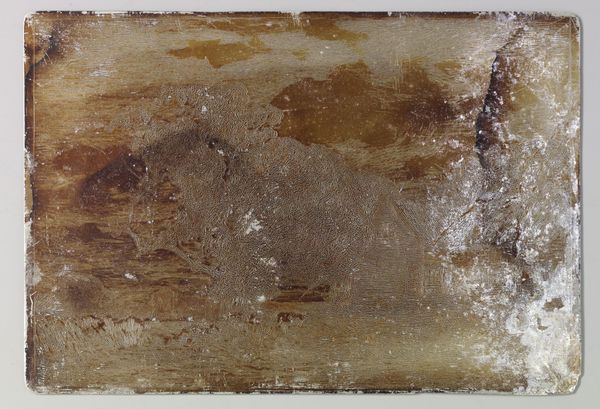
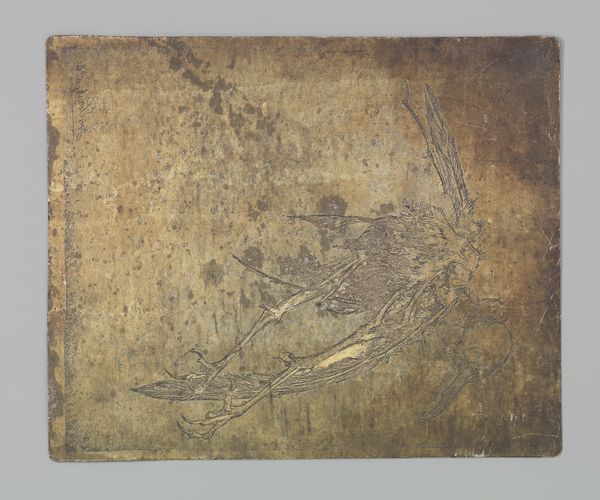
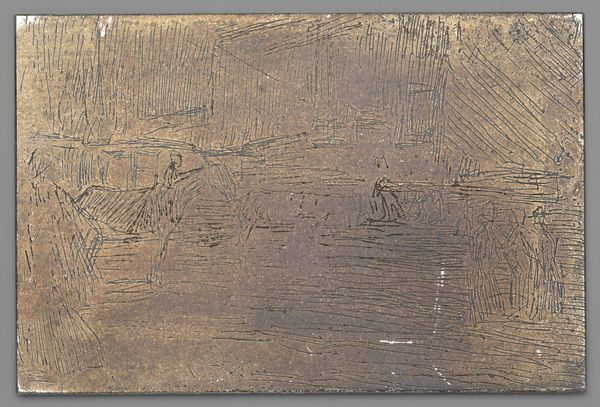
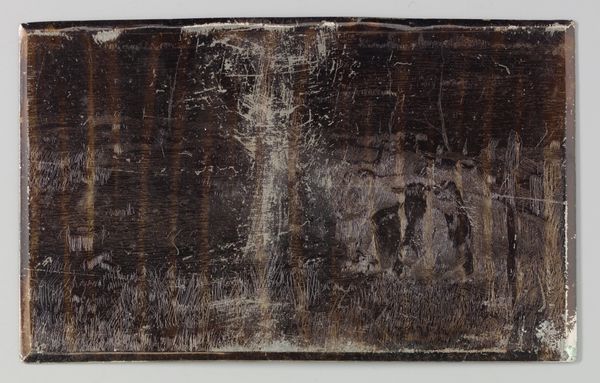
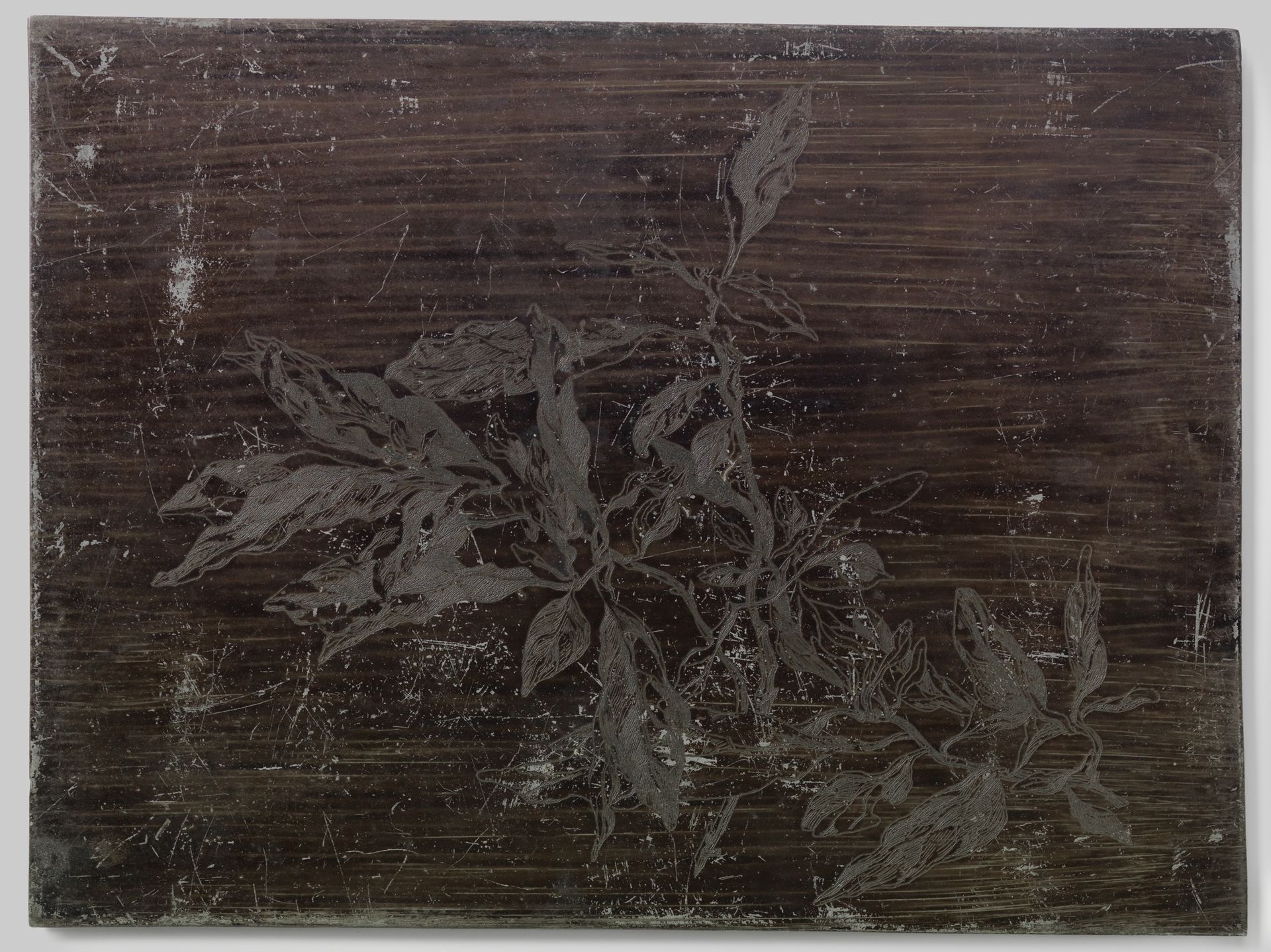
Willem Witsen created this etching titled 'Magnoliatak', sometime between 1880 and 1923. Witsen came from a privileged background and, while he identified with the common man, he held onto his status as a gentleman. The magnolia in art often signifies dignity and nobility. It's a flower seen as a symbol of the South in America, and the subtle lines and subdued color palette speak to a quiet, understated elegance, an approach in line with the Etching Revival movement. But there is also a fragility here, visible in the delicate strokes forming the leaves and flowers. These mark a contrast with the dark background, creating a sense of tension between strength and vulnerability. The piece is small, like a stolen moment or a private thought. 'Magnoliatak' captures the silent beauty of nature, filtered through Witsen’s unique perspective of a world undergoing rapid change, inviting us to reflect on the beauty but also the fleeting nature of life.

Artwork details
- Medium
- drawing, print, etching
- Dimensions
- height 240 mm, width 180 mm
- Location
- Rijksmuseum
- Copyright
- Rijks Museum: Open Domain
Tags
Comments
Share your thoughts
About this artwork
Willem Witsen created this etching titled 'Magnoliatak', sometime between 1880 and 1923. Witsen came from a privileged background and, while he identified with the common man, he held onto his status as a gentleman. The magnolia in art often signifies dignity and nobility. It's a flower seen as a symbol of the South in America, and the subtle lines and subdued color palette speak to a quiet, understated elegance, an approach in line with the Etching Revival movement. But there is also a fragility here, visible in the delicate strokes forming the leaves and flowers. These mark a contrast with the dark background, creating a sense of tension between strength and vulnerability. The piece is small, like a stolen moment or a private thought. 'Magnoliatak' captures the silent beauty of nature, filtered through Witsen’s unique perspective of a world undergoing rapid change, inviting us to reflect on the beauty but also the fleeting nature of life.
Comments
Share your thoughts