About this artwork
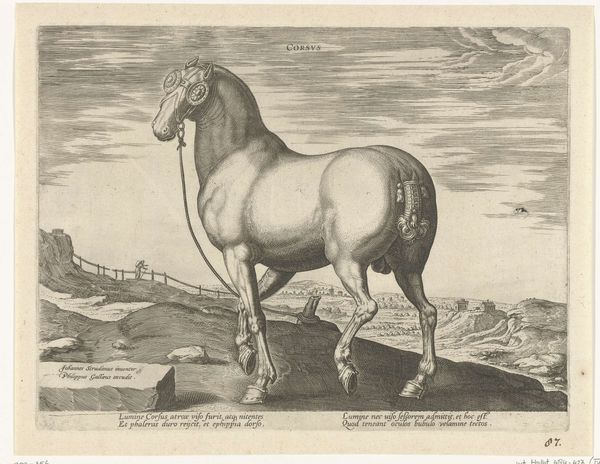
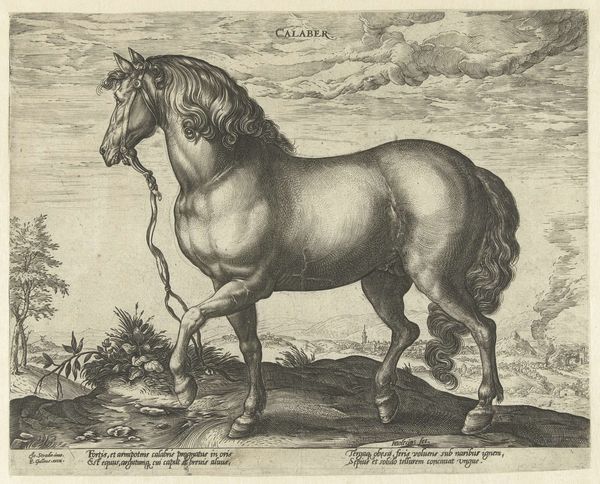
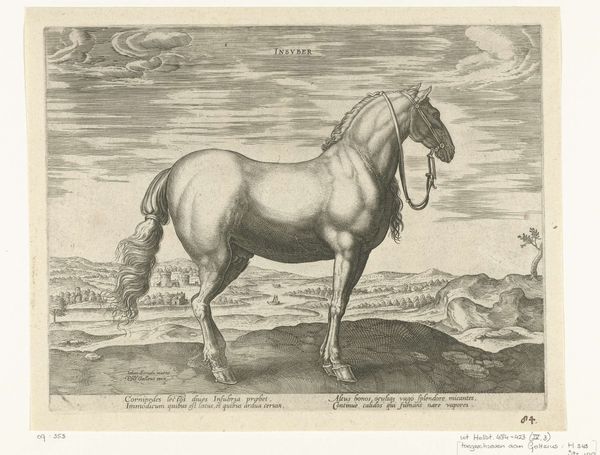
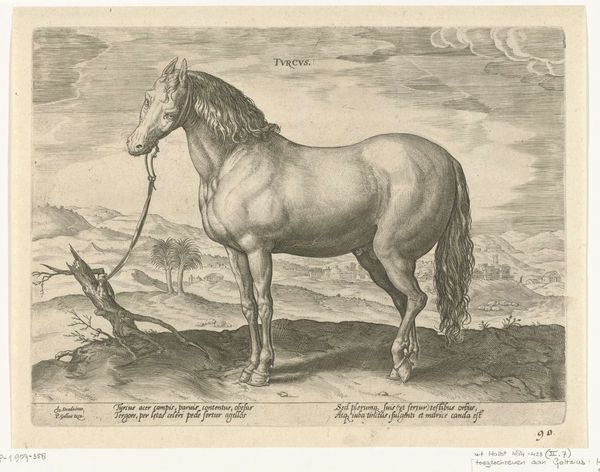
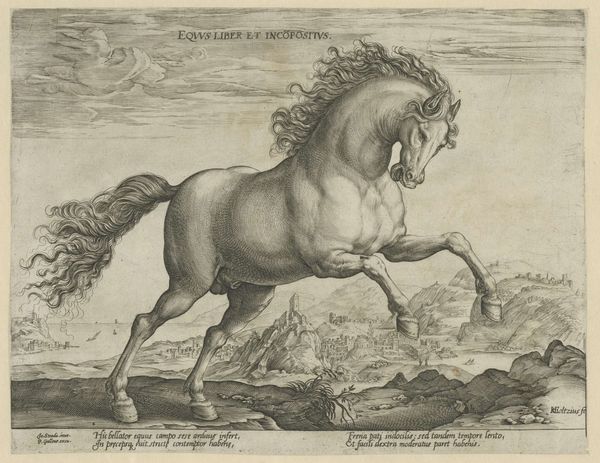
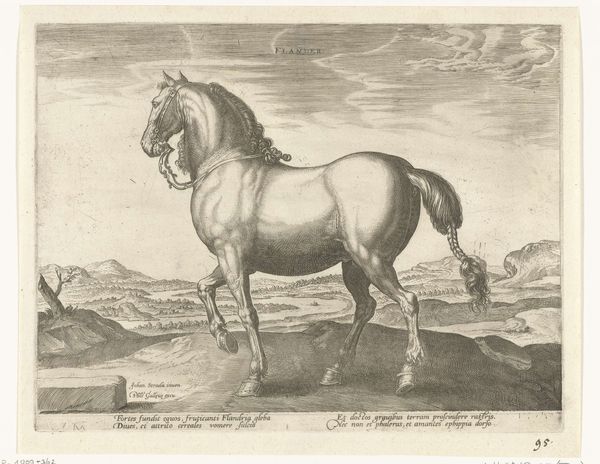
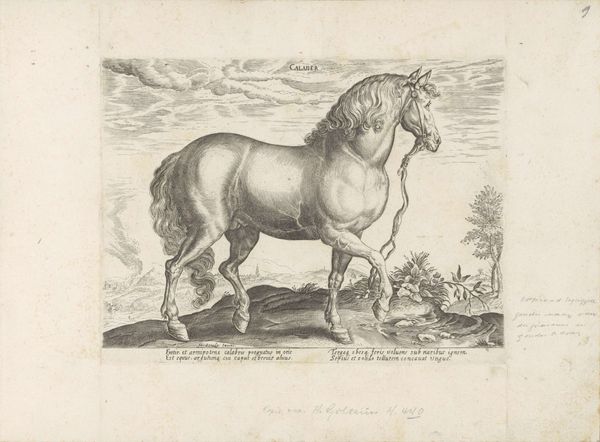
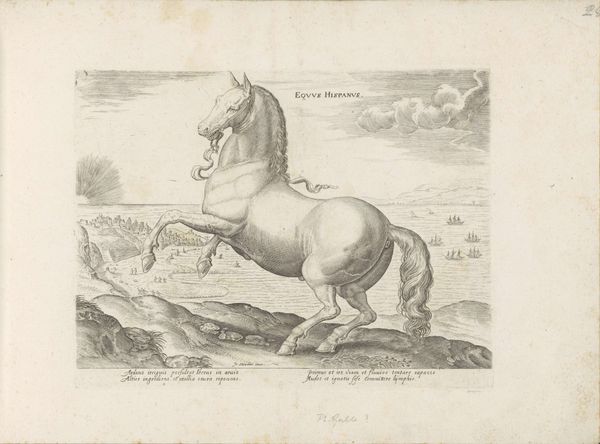
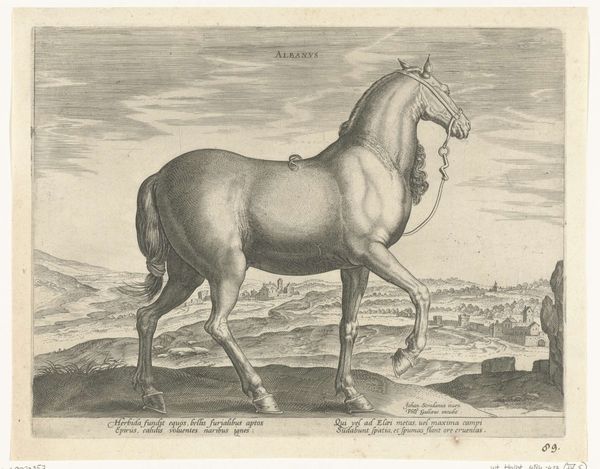
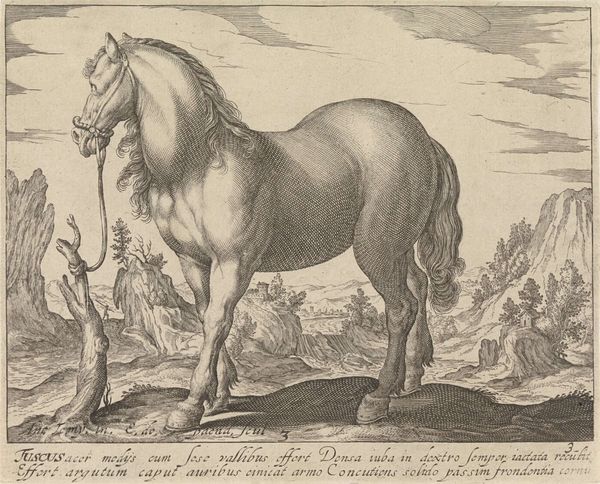
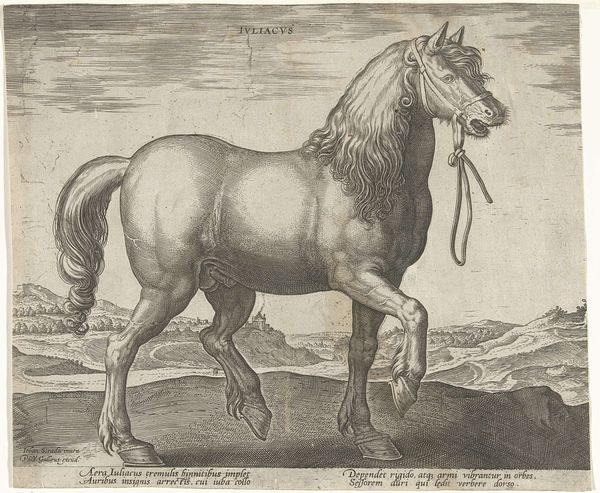
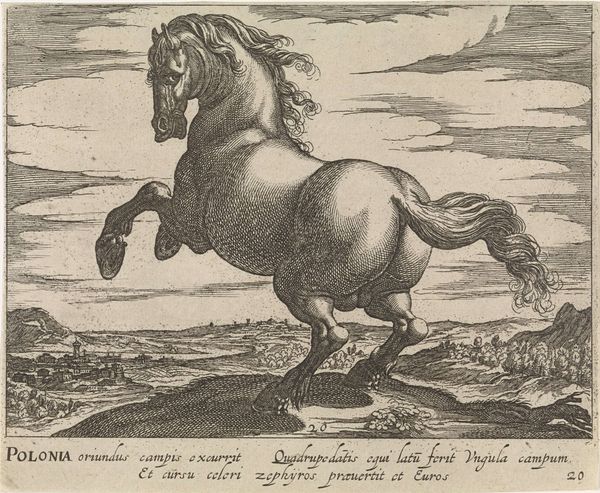
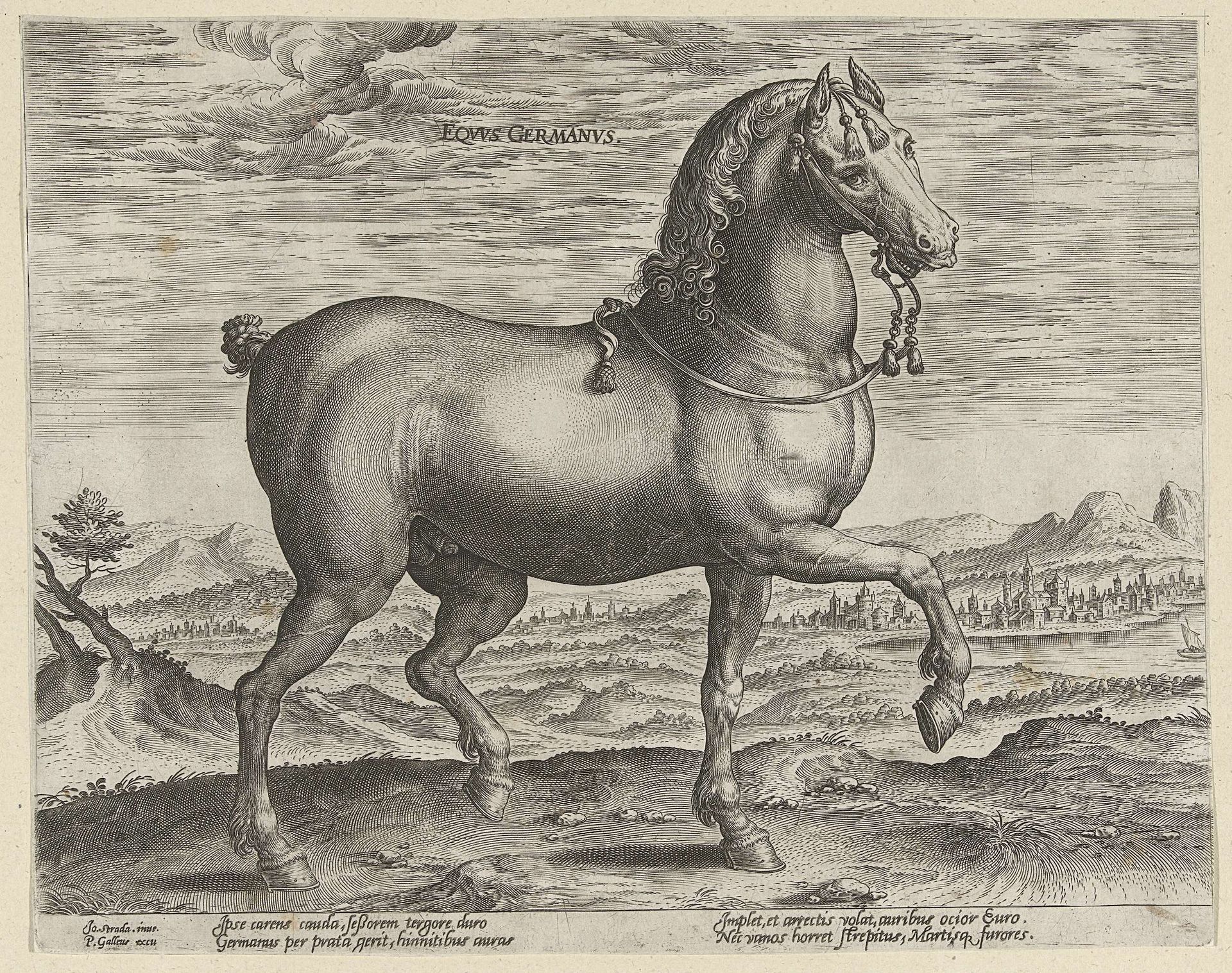
Hendrick Goltzius created this engraving, “Hengst uit Duitsland,” or “Stallion from Germany,” presumably in the late 16th century. Images of horses like this one served a social function. During this period, European courts had a fascination with horsemanship, so the image creates meaning through its visual codes. Note the highly stylized musculature of the horse as well as the elaborate bridle. These emphasize not just the animal's beauty but also the wealth and sophistication of its owner. The architecture in the background alludes to the cities that these courts inhabited. These images were often commissioned by royal families to project an image of power and prestige. To gain a deeper understanding, one might consult period texts on horsemanship or delve into the patronage records of European courts. Ultimately, the meaning of this artwork is tied to the social and institutional context in which it was created and consumed.

Artwork details
- Medium
- metal, engraving
- Dimensions
- width 269 mm, height 214 mm
- Location
- Rijksmuseum
- Copyright
- Rijks Museum: Open Domain
Tags
animal
dutch-golden-age
metal
old engraving style
landscape
mannerism
figuration
horse
line
engraving
Comments
Be the first to share your thoughts about this work.
About this artwork
Hendrick Goltzius created this engraving, “Hengst uit Duitsland,” or “Stallion from Germany,” presumably in the late 16th century. Images of horses like this one served a social function. During this period, European courts had a fascination with horsemanship, so the image creates meaning through its visual codes. Note the highly stylized musculature of the horse as well as the elaborate bridle. These emphasize not just the animal's beauty but also the wealth and sophistication of its owner. The architecture in the background alludes to the cities that these courts inhabited. These images were often commissioned by royal families to project an image of power and prestige. To gain a deeper understanding, one might consult period texts on horsemanship or delve into the patronage records of European courts. Ultimately, the meaning of this artwork is tied to the social and institutional context in which it was created and consumed.
Comments
Be the first to share your thoughts about this work.