c. 1578 - 1580
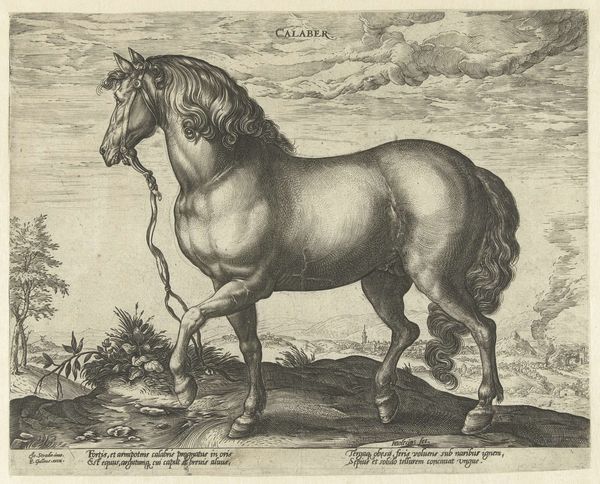
Paard uit Corsica

Hendrick Goltzius
1558 - 1617Location
RijksmuseumListen to curator's interpretation
Curatorial notes
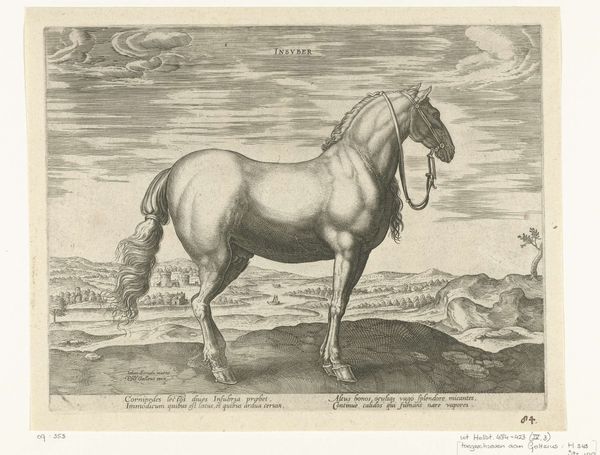
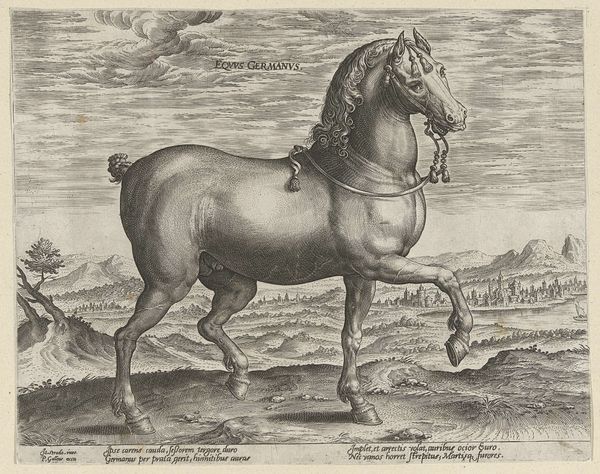
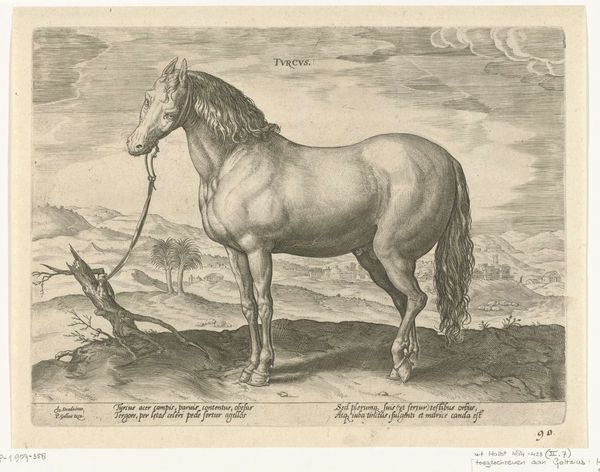
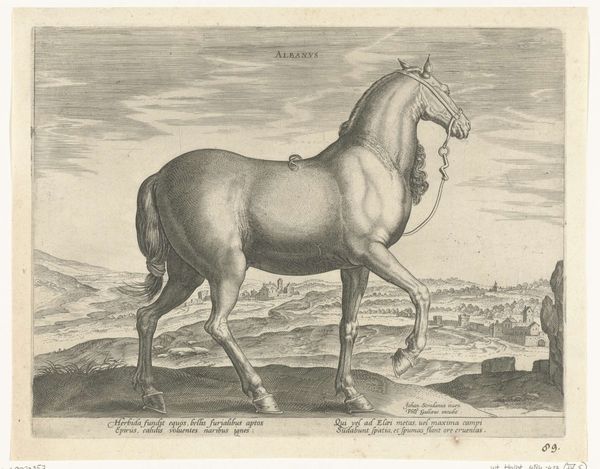
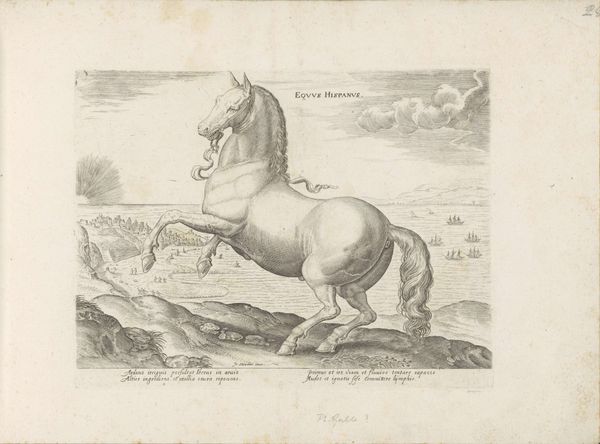
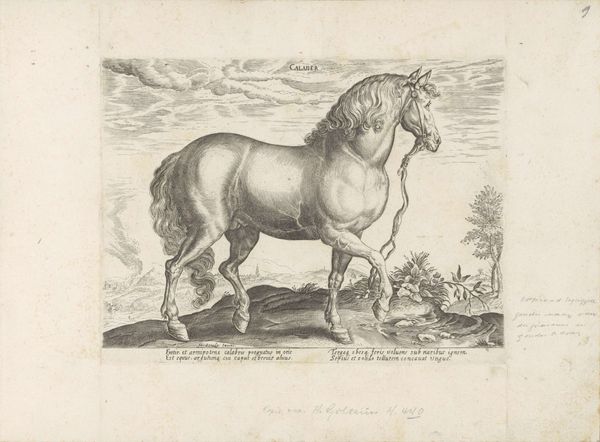
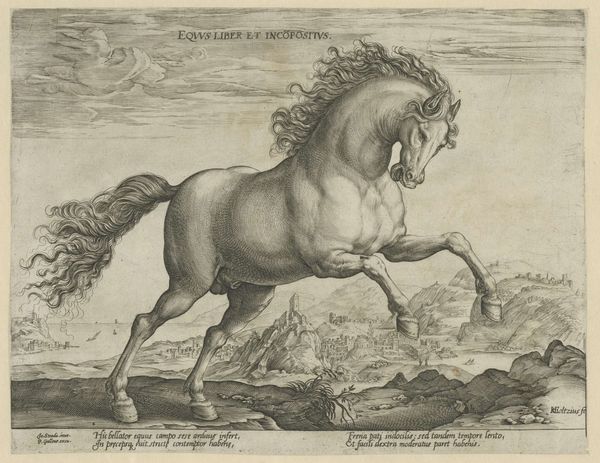
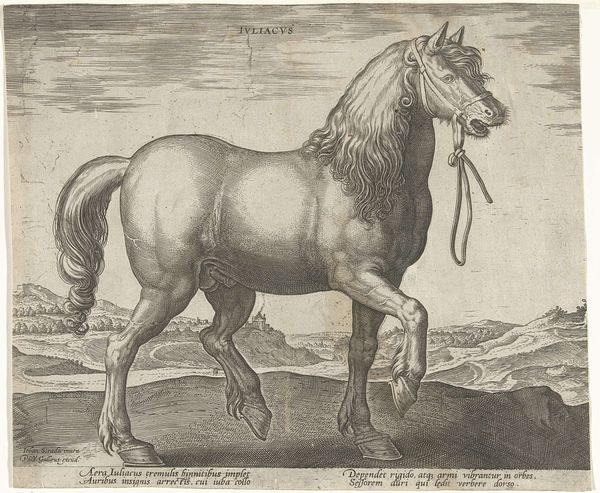
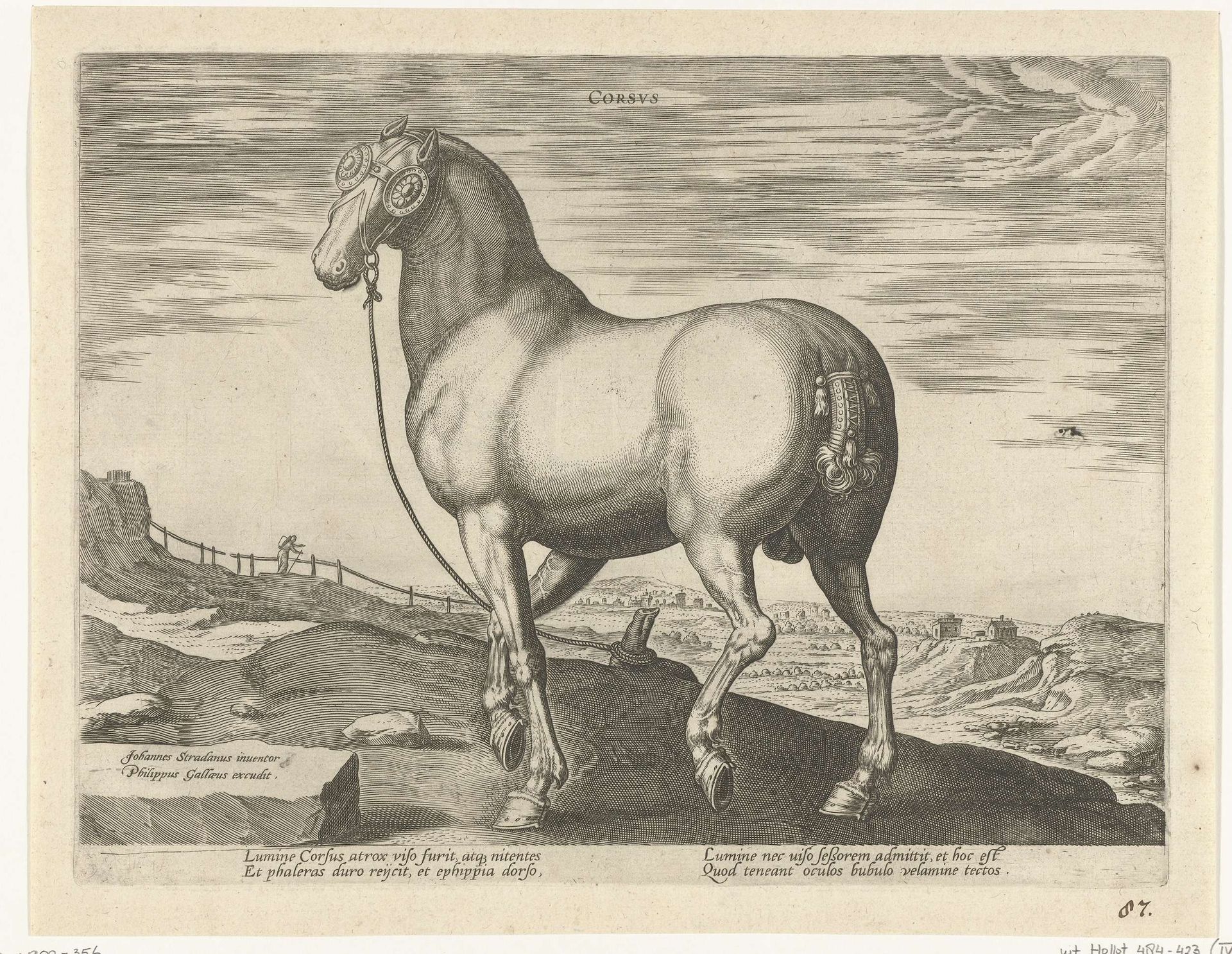
Hendrick Goltzius created this print, “Paard uit Corsica,” or “Corsican Horse” sometime in the late 16th century. During this time, the status of horses was shifting in Europe due to evolving warfare and transportation needs. This print captures the cultural significance and evolving relationship between humans and animals in the early modern period. While ostensibly a portrait of a horse, the way Goltzius renders the animal speaks to the complex dynamics of power and control. Notice the ornate bridle and decorative elements. This speaks to wealth, status, and the commodification of the animal. Horses were not merely beasts of burden, but symbols of prestige. Consider too, how the landscape itself is a backdrop, reinforcing the horse’s dominance. Does this image celebrate the horse, or does it reduce it to an object of display? How does it reflect the societal values of its time, and what does it tell us about our ongoing relationship with the natural world?