About this artwork
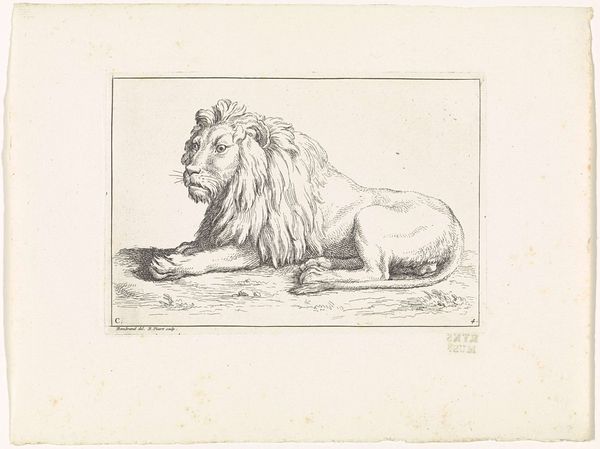
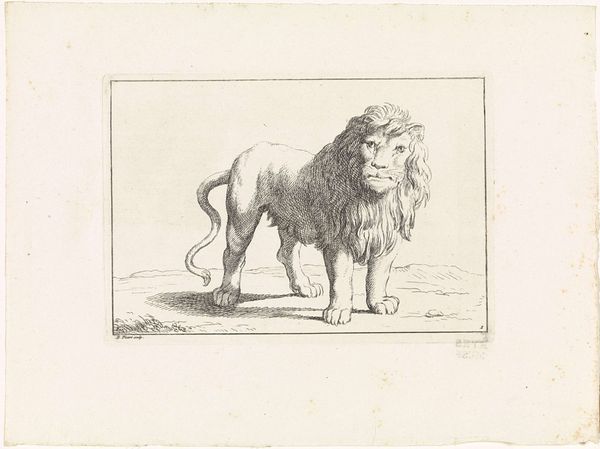
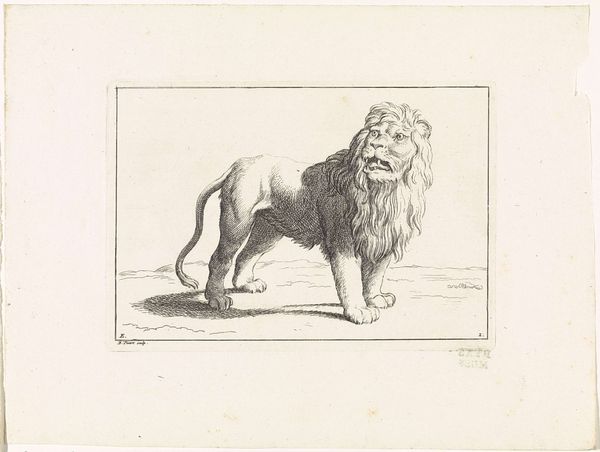
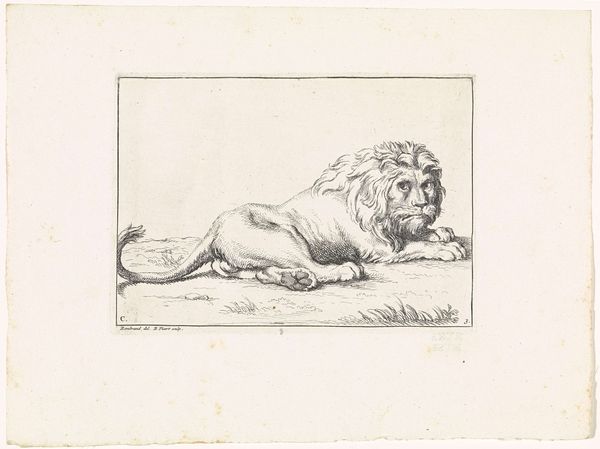
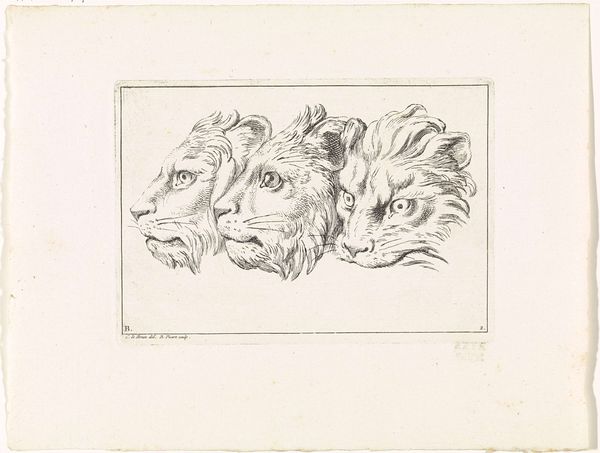
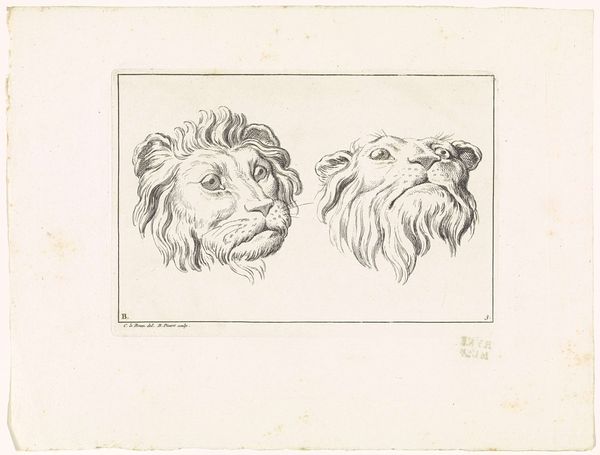
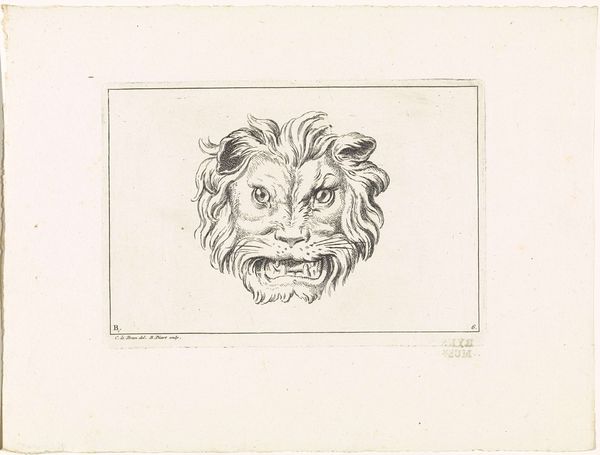
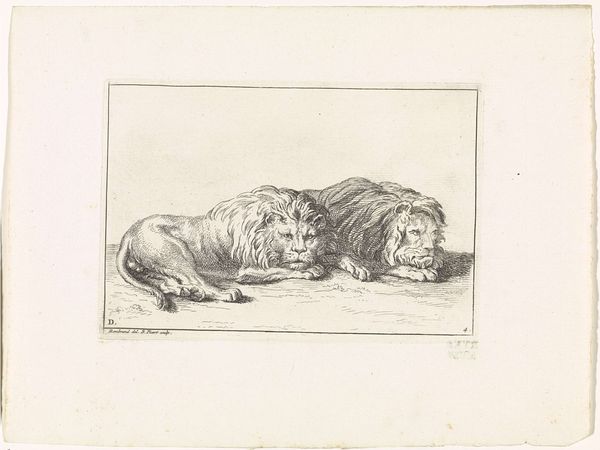
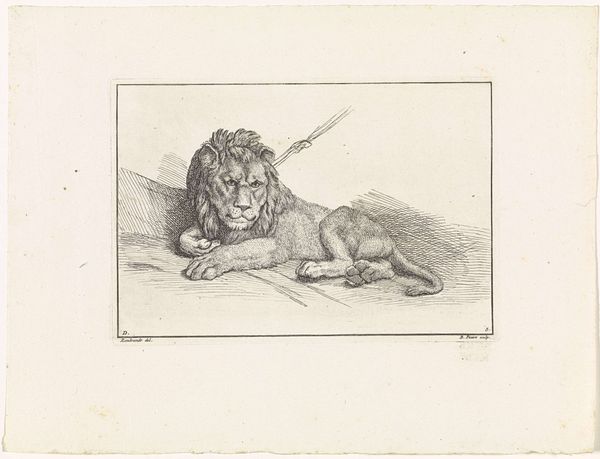
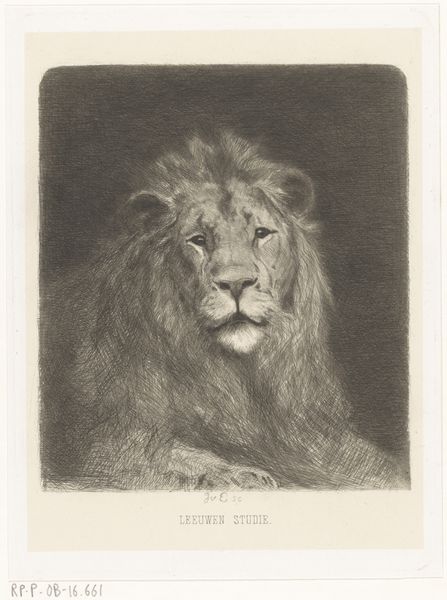
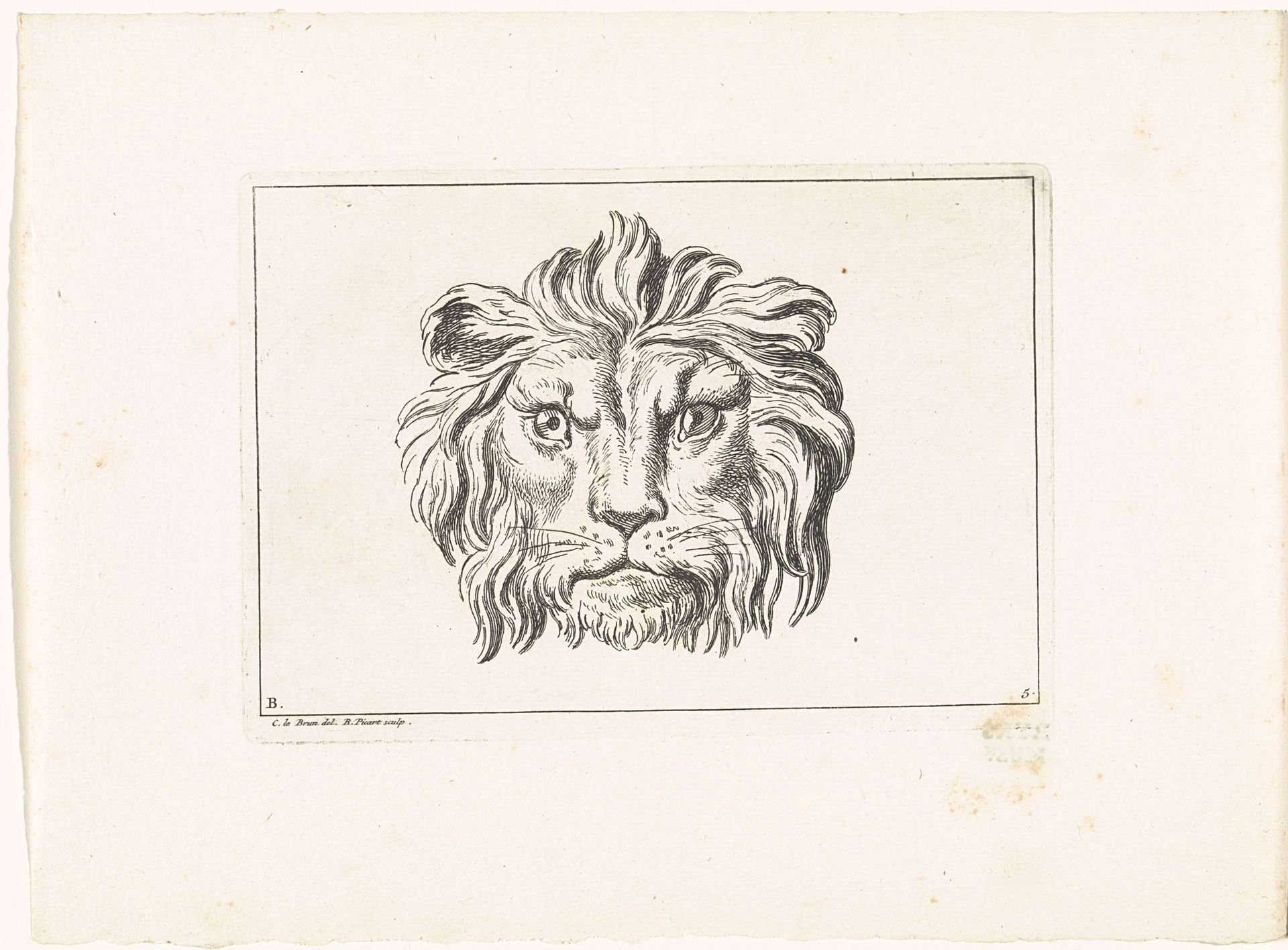
Bernard Picart created this print titled 'Leeuwenkop', or lion's head, in the late 17th to early 18th century. During this era, Europe was deeply entrenched in colonial expansion, and animals like the lion were frequently used to symbolize power and dominance. But consider this image beyond its surface. Whose power does this lion represent and at what cost? Lions, often seen as regal, were also exotic commodities, brought back to Europe as trophies. This print invites us to reflect on the relationship between humans and nature, and how societies project their values and desires onto the animal kingdom. Does this lion exude strength or does it betray a vulnerability, hinting at the disruption of its natural habitat? The image challenges us to consider the complex ways animals are viewed and treated, caught between admiration and exploitation.

Artwork details
- Medium
- engraving
- Dimensions
- height 120 mm, width 175 mm
- Location
- Rijksmuseum
- Copyright
- Rijks Museum: Open Domain
Tags
Comments
Share your thoughts
About this artwork
Bernard Picart created this print titled 'Leeuwenkop', or lion's head, in the late 17th to early 18th century. During this era, Europe was deeply entrenched in colonial expansion, and animals like the lion were frequently used to symbolize power and dominance. But consider this image beyond its surface. Whose power does this lion represent and at what cost? Lions, often seen as regal, were also exotic commodities, brought back to Europe as trophies. This print invites us to reflect on the relationship between humans and nature, and how societies project their values and desires onto the animal kingdom. Does this lion exude strength or does it betray a vulnerability, hinting at the disruption of its natural habitat? The image challenges us to consider the complex ways animals are viewed and treated, caught between admiration and exploitation.
Comments
Share your thoughts