
Curatorial notes
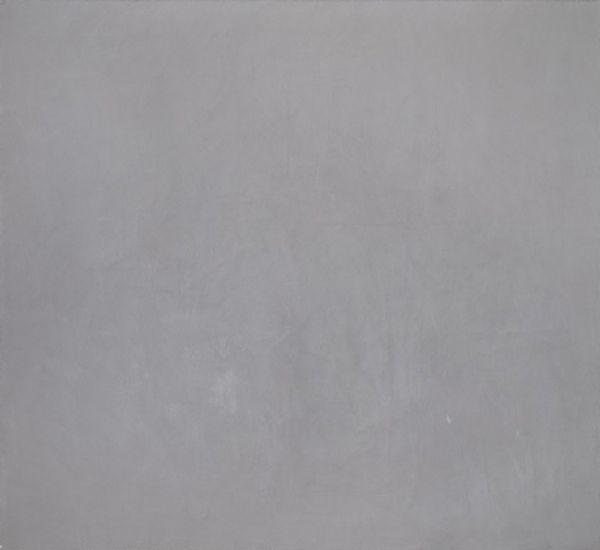
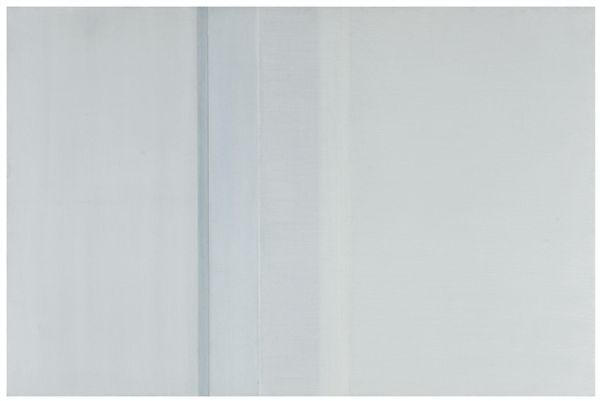
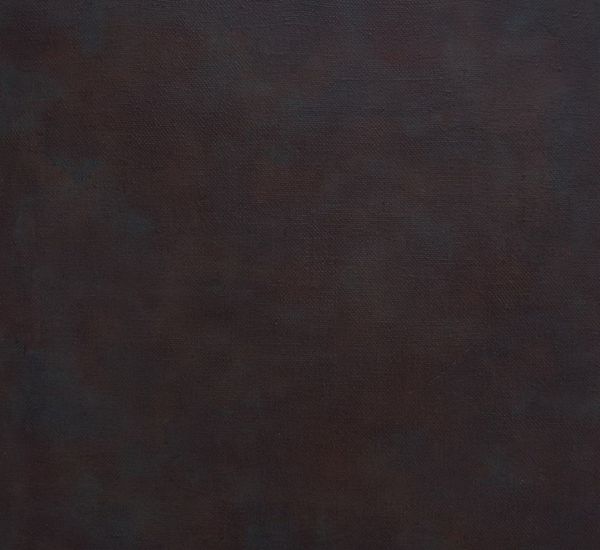
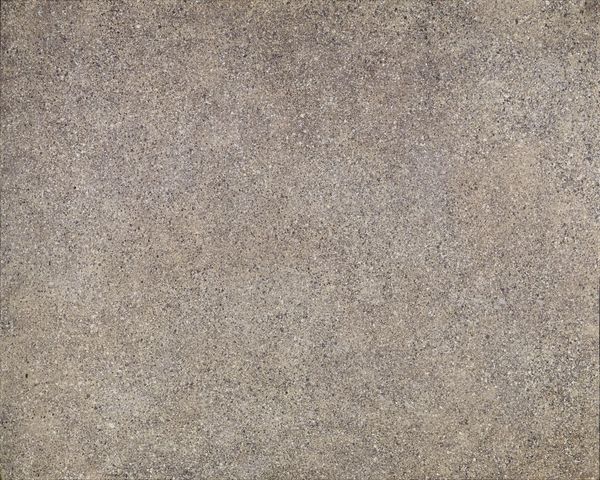
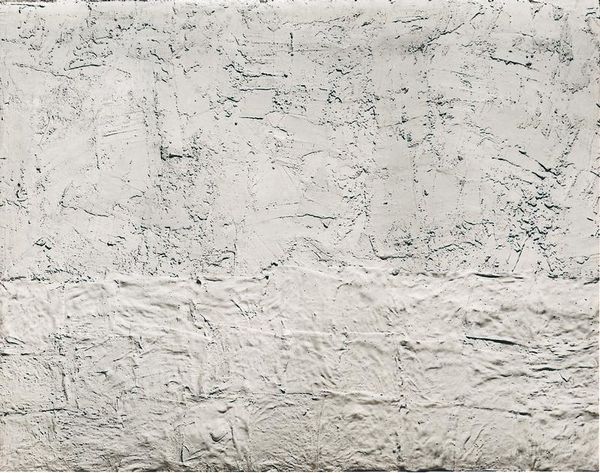
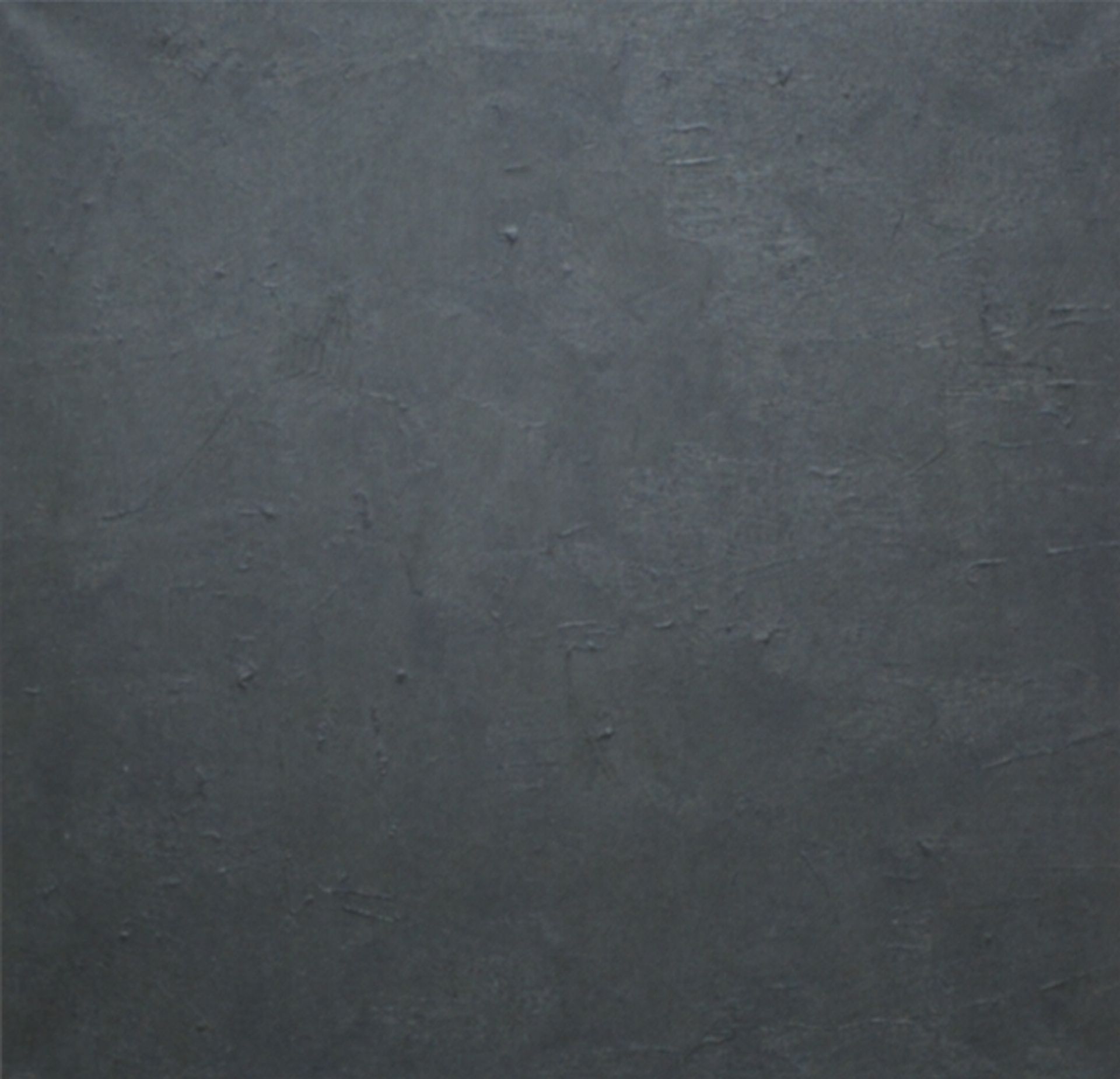
Curator: Let's discuss Gerhard Richter's "Townscape M8 (Grey)" from 1968, a compelling example of matter-painting utilizing acrylic. My initial impression is one of profound quietude. The surface almost seems to absorb light. Editor: It's a weighty piece, isn’t it? Seeing the build-up of layers and knowing Richter’s process of application and then removal… it speaks of a kind of industrial grit despite being a monochromatic field. Almost like distressed concrete. Curator: Indeed. The strategic application of layers encourages us to consider the picture plane less as a window and more as a structured object in its own right. Notice the nuances of the grayscale tonalities, the delicate interplay of light and shadow that reveals subtle textures across the canvas. Editor: Absolutely, and I see it also reflecting post-war urban landscapes, particularly the stark architectural forms emerging then. I mean, looking closely, it makes you consider where those materials originated, the labor involved, and its social impact – the monochrome is not just a formal exercise but potentially also a social commentary. Curator: A valid point. One could argue that Richter's choice of monochrome directs our focus inwards, prompting a subjective contemplation of the surface. It transcends mere representation to become an evocative presence. Editor: But it doesn't exist in a vacuum. This "evocative presence" is made. Think about the type of pigment, its sourcing and production… It gives form to feelings and social impressions of the post-war. What feelings arise are not detached. Curator: It’s fascinating to see how such restraint can be so engaging. Editor: For me, Richter's strategic engagement with materials and context transforms this painting from just formal play into an articulate form of critical engagement with the world.