About this artwork
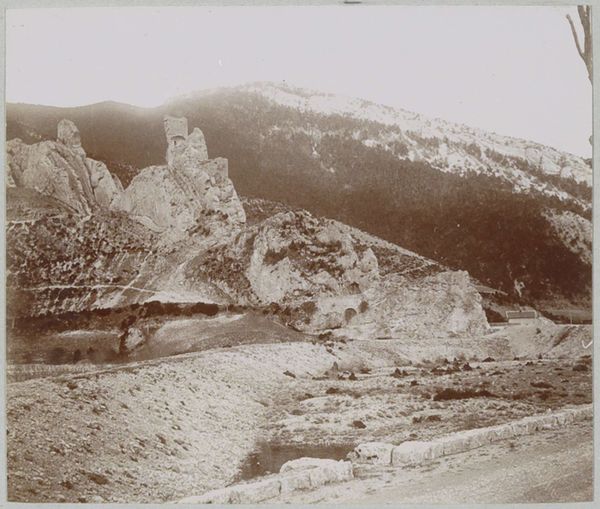
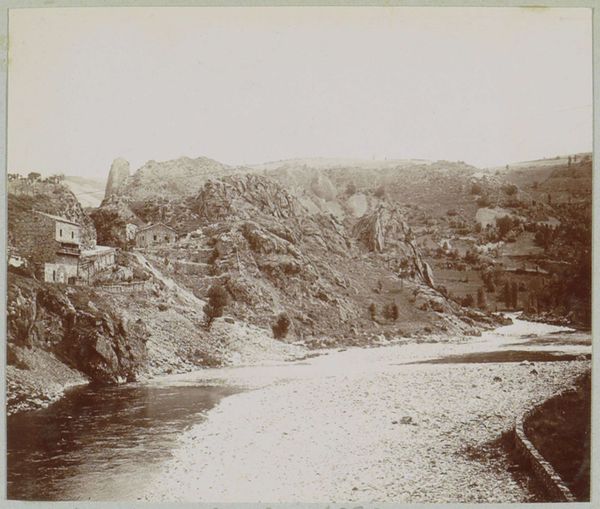
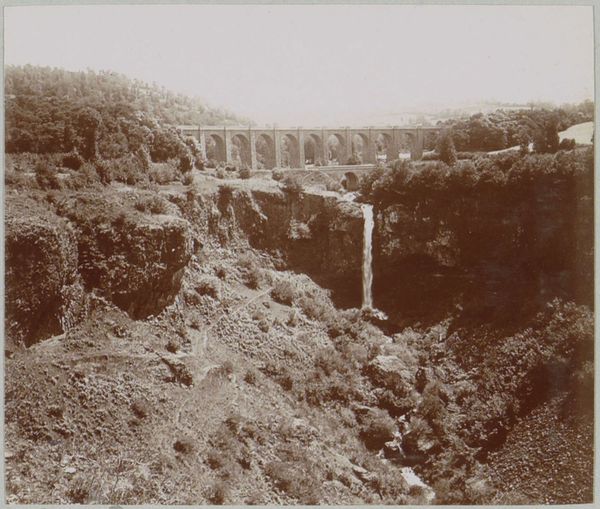
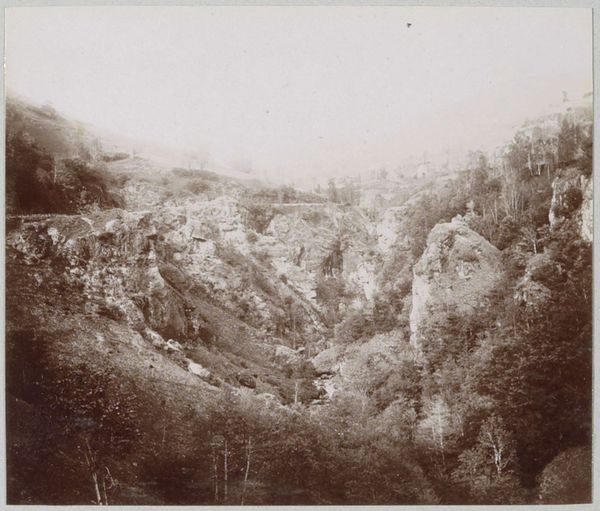
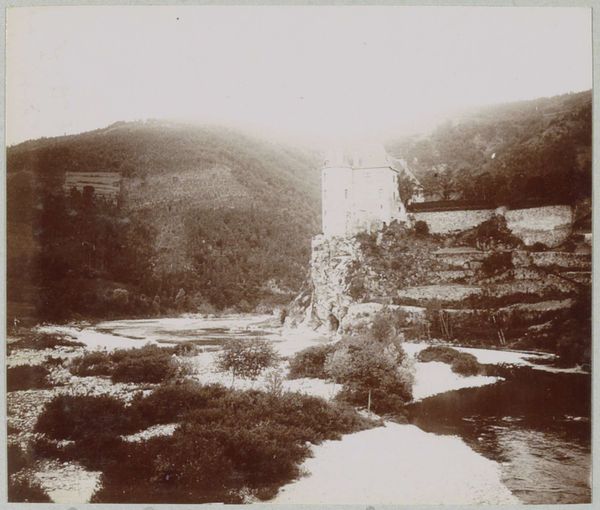
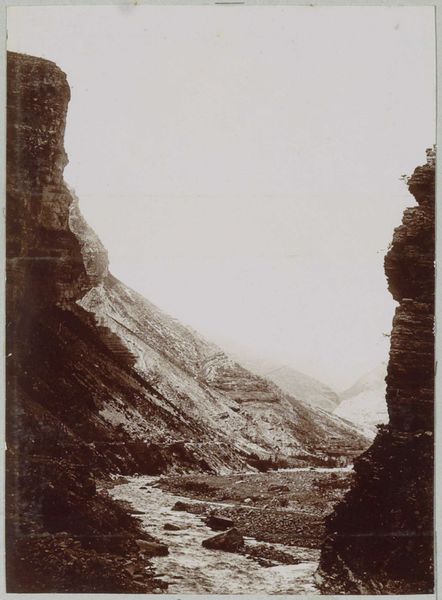
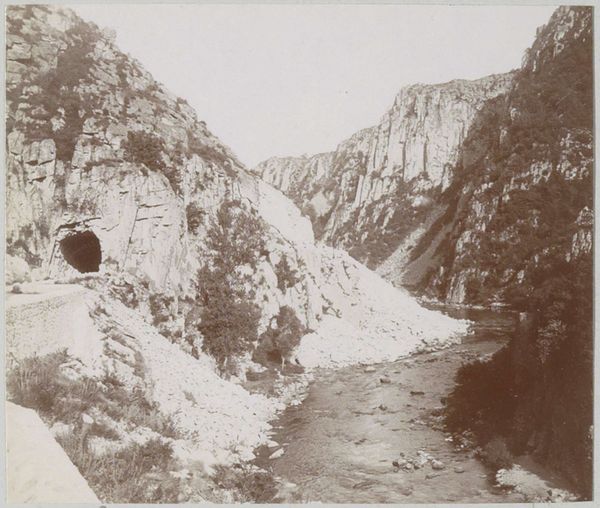
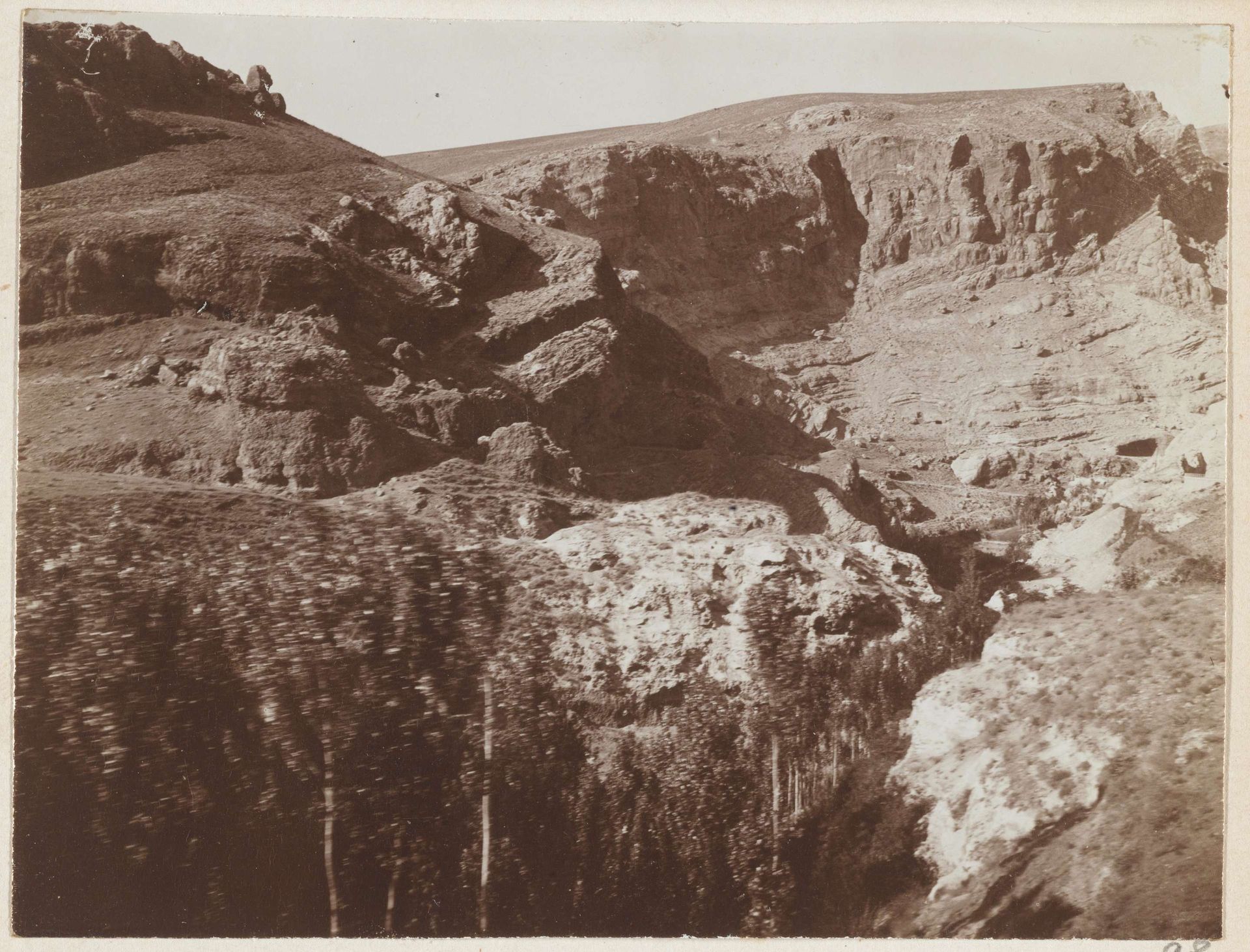
Johannes Lodewijk Heldring captured this sepia-toned photograph of the Barada Valley, near the Anti-Lebanon Mountains, using a process that was still relatively novel. Photography, in its early days, was deeply entwined with both scientific exploration and the expansion of empires. Here, the very material of the photograph – a paper print developed through careful chemical processes – bears witness to Heldring's meticulous technique. The monochromatic palette and the subtle gradations of light and shadow emphasize the geological forms of the landscape. Heldring had to be very careful about the length of exposure, which would determine the image's clarity, and the composition, which directs our gaze through the valley. The photograph's creation involved a complex interplay of scientific knowledge, manual skill, and artistic vision. Considering this image, we are reminded that even a seemingly straightforward landscape photograph is the result of human intervention. It sits at the intersection of art, science, and society.
Gezicht op het dal van de Barada bij de Anti-Libanon 1898

Artwork details
- Medium
- photography, gelatin-silver-print
- Dimensions
- height 83 mm, width 109 mm
- Copyright
- Rijks Museum: Open Domain
Tags
pictorialism
landscape
photography
gelatin-silver-print
realism
Comments
No comments
About this artwork
Johannes Lodewijk Heldring captured this sepia-toned photograph of the Barada Valley, near the Anti-Lebanon Mountains, using a process that was still relatively novel. Photography, in its early days, was deeply entwined with both scientific exploration and the expansion of empires. Here, the very material of the photograph – a paper print developed through careful chemical processes – bears witness to Heldring's meticulous technique. The monochromatic palette and the subtle gradations of light and shadow emphasize the geological forms of the landscape. Heldring had to be very careful about the length of exposure, which would determine the image's clarity, and the composition, which directs our gaze through the valley. The photograph's creation involved a complex interplay of scientific knowledge, manual skill, and artistic vision. Considering this image, we are reminded that even a seemingly straightforward landscape photograph is the result of human intervention. It sits at the intersection of art, science, and society.
Comments
No comments